
10 Tips for Building Mental Toughness in Extreme Sports

Extreme sports are not only physically demanding but also mentally challenging.
Whether you're scaling a sheer rock face, braving turbulent rapids, or pushing your limits in a high-stakes competition, your mental fortitude can often be the difference between success and failure.
Building mental toughness is essential for anyone serious about excelling in extreme sports.
In this article, we'll explore ten tips to help you develop the mental resilience needed to thrive in these high-pressure environments.
Understanding Mental Toughness in Extreme Sports
Mental toughness in extreme sports is the ability to stay focused, remain calm under pressure, and push through physical and mental barriers.
It's about having the mental resilience to keep going, even when your body and mind are telling you to stop.
This toughness isn't something you're born with; it's a skill that can be developed over time with the right strategies and mindset.
1. Embrace Discomfort
One of the key components of mental toughness is the ability to embrace discomfort.
Extreme sports often require you to operate outside your comfort zone, whether it's enduring physical pain, facing fear, or dealing with adverse conditions.
Learning to accept and even welcome discomfort can help you push through challenging moments.
Start by gradually exposing yourself to uncomfortable situations and training your mind to stay calm and focused despite the discomfort.

2. Set Specific Goals
Setting specific, measurable goals can give you direction and purpose, helping you stay focused during tough times.
Whether it's completing a certain number of training sessions per week or improving your performance in a particular area, having clear goals can keep you motivated and on track.
Make sure your goals are challenging yet achievable, and break them down into smaller milestones to avoid feeling overwhelmed.
3. Practice Visualization
Visualization is a powerful tool for building mental toughness. By mentally rehearsing your performance, you can prepare yourself for the challenges you'll face in extreme sports.
Spend time each day visualizing yourself succeeding in your sport, overcoming obstacles, and staying calm under pressure. This practice can help build confidence and reinforce a positive mindset.

4. Develop a Strong Support System
Having a strong support system is crucial for maintaining mental toughness. Surround yourself with people who understand the demands of your sport and can provide encouragement, advice, and motivation.
Whether it's a coach, fellow athletes, or friends and family, having a network of support can help you stay resilient during tough times.
5. Focus on What You Can Control
In extreme sports, there are often many factors outside of your control, such as weather conditions, equipment failure, or the performance of others.
Focusing on what you can control—such as your preparation, mindset, and effort—can help you stay calm and composed, even in unpredictable situations.
Letting go of things you can't control allows you to channel your energy into what truly matters.

6. Learn from Failure
Failure is an inevitable part of extreme sports, but it can also be a valuable learning experience.
Embracing failure as a part of the process and analyzing what went wrong can help you improve and grow.
Instead of dwelling on your mistakes, use them as opportunities to learn and refine your approach. The ability to bounce back from setbacks is a key aspect of mental toughness.
7. Practice Mindfulness
Mindfulness involves staying present in the moment and fully engaging with your surroundings.
In extreme sports, mindfulness can help you maintain focus, reduce anxiety, and improve your performance.
Practice mindfulness techniques, such as deep breathing, meditation, or grounding exercises, to help you stay calm and centered, especially during high-pressure situations.

8. Build Confidence Through Preparation
Confidence is a crucial component of mental toughness, and it often comes from thorough preparation.
The more prepared you are, the more confident you'll feel when it comes time to perform. Focus on your training, study your sport, and refine your techniques to build a solid foundation of confidence.
Knowing that you've done everything possible to prepare can give you the mental edge you need to succeed.
9. Stay Positive
A positive mindset can make a significant difference in how you handle challenges in extreme sports.
Train yourself to focus on the positives, even in difficult situations. This doesn't mean ignoring the reality of the challenges you face, but rather, choosing to focus on what you can do rather than what you can't.
Positive self-talk, affirmations, and surrounding yourself with positive influences can help reinforce a resilient mindset.
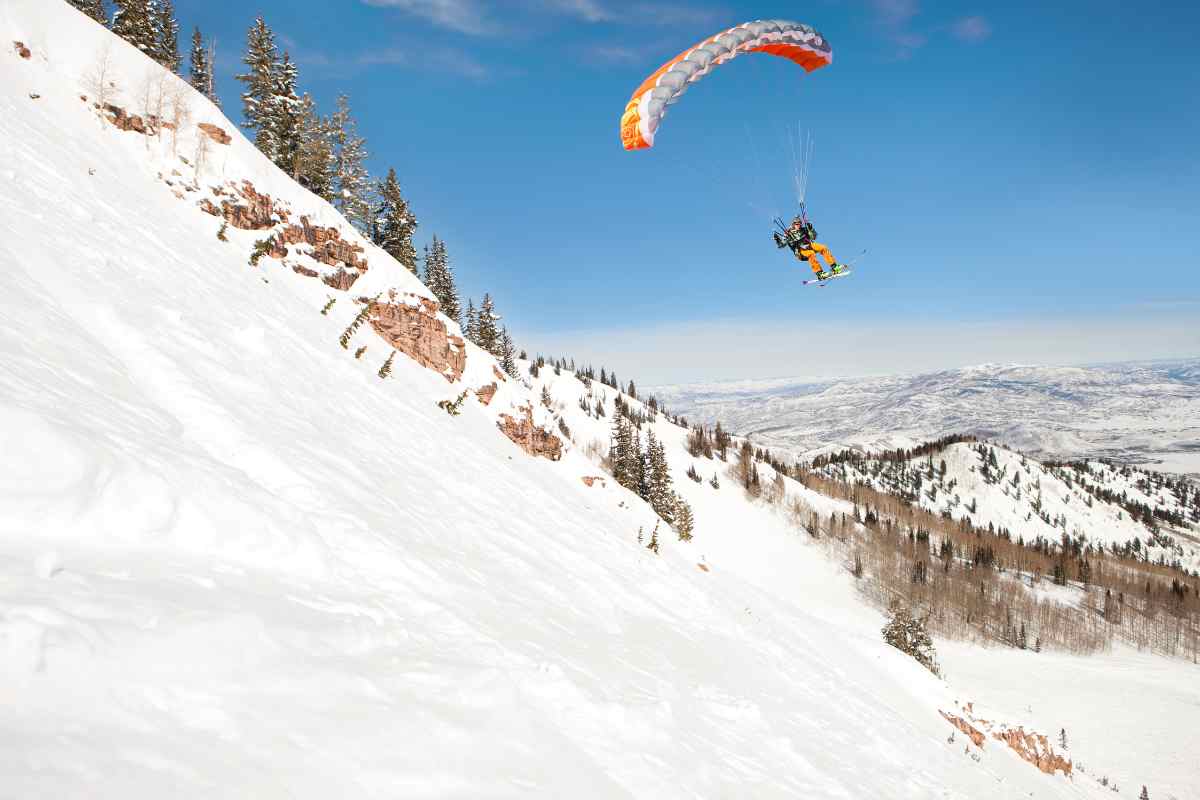
10. Keep Pushing Your Limits
Finally, to build mental toughness, you need to continuously push your limits.
Challenging yourself regularly, whether through more demanding training sessions, taking on new challenges, or competing at a higher level, can help you build the mental resilience needed for extreme sports.
Each time you push beyond your perceived limits, you expand your mental capacity to handle stress and adversity.
Conclusion
Building mental toughness in extreme sports is a journey that requires dedication, persistence, and the willingness to push through discomfort.
By embracing these ten tips—embracing discomfort, setting specific goals, practicing visualization, developing a strong support system, focusing on what you can control, learning from failure, practicing mindfulness, building confidence through preparation, staying positive, and continuously pushing your limits—you can develop the mental resilience needed to excel in your sport.
Remember, mental toughness is a skill that can be cultivated over time, and with consistent effort, you can reach new heights in your extreme sports journey.
Did you find this post useful or inspiring? Save THIS PIN for later in your Outdoor Board on Pinterest! 😊

Explore these outdoor tips too