
3 Tips: How to Choose the Right Hiking Boots
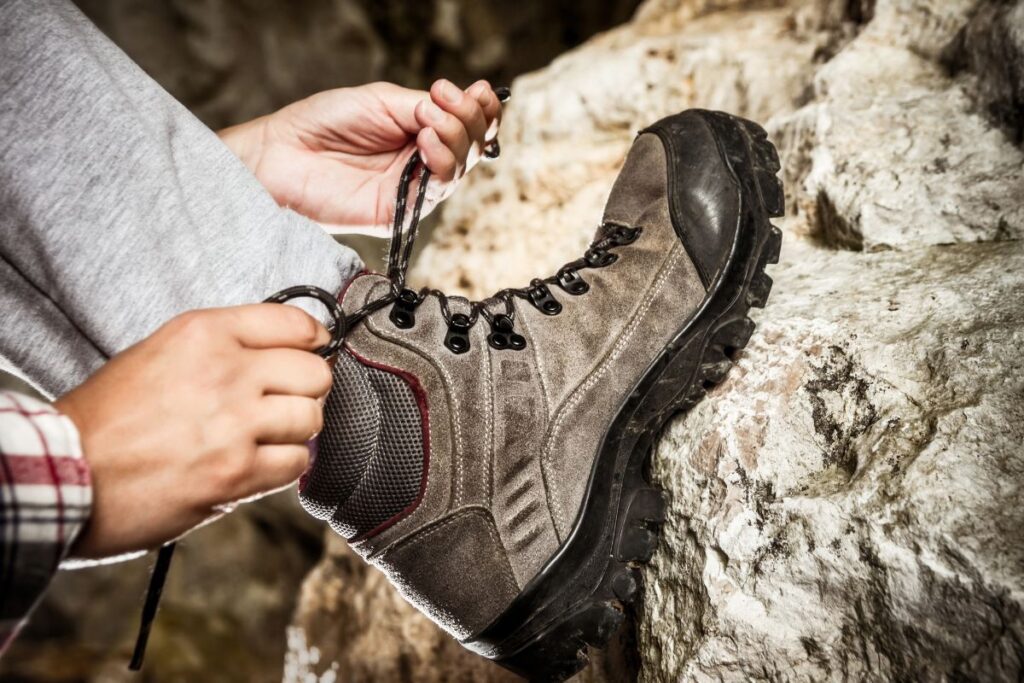
Hiking boots can make or break your day on the trail. Pick well and you’ll feel supported, blister-free, and confident across rock, mud, and roots; pick poorly and every step becomes a chore.
In this guide, we boil it down to 3 clear tips that help beginners and seasoned hikers alike choose with confidence—without getting lost in jargon.
Along the way, you’ll find practical callouts for different styles—from Mountain Boots to lighter Outdoor Boots—plus ideas on trail-ready looks if you care about a clean Hiking Boots Aesthetic.
Whether you’re planning your first summit or upgrading from worn-out shoes, here’s how to zero in on the right pair fast.
Tip 1: Prioritize Fit And Support Above Everything
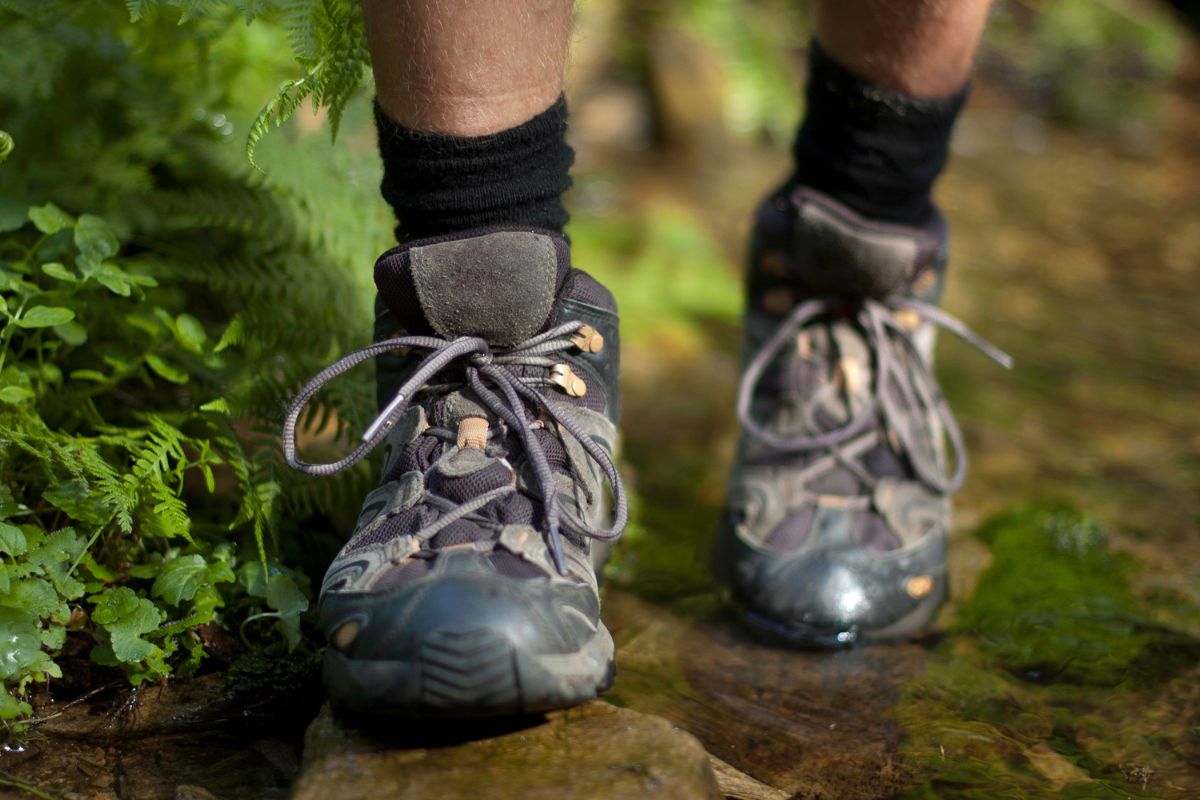 The single biggest predictor of comfort is fit. Aim for a snug heel, roomy toe box, and midfoot that feels “hugged” without hot spots. Try boots with the socks you’ll actually hike in, lace from the toe up, and test downhill on a ramp if the store has one.
When the fit is right, you should be able to wiggle your toes while your heel stays planted—no slip, no rub. This is just as true for burly Mountain Boots as it is for lighter models and low-tops marketed as Hiking Shoes Outfit friendly.
If you’re torn between sizes, go with the one that lets your toes avoid contact on descents and leaves a touch of space for swelling. Insoles can fine-tune volume, but they’re not a band-aid for a boot that’s the wrong shape for your foot.
For more on dialing in sizing, ankle height, and last shape, see our in-depth primer: How Do You Choose the Right Hiking Boots?
 Fit is also where style intersects function. If you love a clean Hiking Boots Aesthetic—think Cute Hiking Boots in tan leather or sleek synthetics—make sure the silhouette still matches your foot.
Fashion follows function here: pick the shape that hugs your heel and midfoot first, then the colorway.
This approach works whether you’re building a Hiking Boots Women Outfit, a trail-casual look for town, or experimenting with a Hiking Aesthetic Outfit for photos on your next trek.
Planning to hike with a partner or group? Foot shapes vary wildly. A model that’s perfect for you may not suit your friend. If someone swears by a specific brand—say, they love a Keen Shoes Outfit vibe—use that as a starting point, not a rule.
What matters is how your pair fits during a 10–15 minute in-store walk test.
Tip 2: Match Boot Type To Terrain, Load, And Weather
 Think of boot categories as tools. Outdoor Boots with flexible soles feel great on rolling day hikes; mid-cut “all-rounders” balance stability and comfort for weekend trips; stiff Mountain Boots shine on scree, talus, and steep grades.
If you carry a heavy pack or hike off-trail often, choose more torsional rigidity and a beefier shank.
For hot, dry climates, breathable mesh is your friend; for shoulder seasons and slushy snow, consider waterproof membranes—but remember that waterproof isn’t a cure-all and can run warm.
Grip and midsole matter too. Softer rubber sticks better on rock but may wear faster; a slightly firmer compound lasts longer for frequent hikers.
 Cushioning should keep feet fresh without feeling squishy under a load. If you tend to roll ankles, a supportive midsole with a stable platform beats simply cranking the laces tighter.
For common pitfalls—like overvaluing waterproof labels or overlooking outsole design—don’t miss this practical breakdown: 10 Buying Mistakes With Hiking Boots (And Fixes).
Your clothing system should complement your footwear. A Casual Hiking Outfit with breathable layers pairs well with nimble boots; a winter setup with gaiters and microspikes benefits from stiffer soles and deeper lugs.
Dialing in the whole kit is part of smart Hiking Fashion—functional first, stylish second.
As you compare options, translate marketing terms into trail reality. “Stability frames,” “rock plates,” and “energy return” are helpful only if they address your terrain and pack weight. Keep notes on what you felt underfoot during try-ons so you can connect features to real-world needs.
Tip 3: Test, Break In (A Little), And Maintain
 No matter how promising a model seems on paper, put it to the test. Wear your new hiking boots around the house on clean floors to confirm sizing. Then take a few short walks and one or two easy trail laps.
Modern uppers break in quickly, but let the foam and your foot settle before attempting a big day. If anything rubs, experiment with heel-lock lacing or thinner/thicker socks before you swap sizes.
After each outing, knock off mud, dry at room temperature (never on a heater), and condition leather as needed.
Proper care keeps the midsole lively and the upper supple, extending life whether you favor heritage leather Outdoor Boots or modern synthetics.
For a step-by-step checklist to evaluate fit and features during your first hikes, revisit: How Do You Choose the Right Hiking Boots?
Wondering how this plays with your wardrobe? Break-in walks are the perfect time to try outfits you’ll actually wear on trail photos or town runs.
 Try a clean tee and technical joggers for a Hiking Boots Outfit Men look, or pair leggings and a wind shell for a streamlined Hiker Boots Outfit Women vibe.
If you’re experimenting with How To Style Hiking Boots for travel days, keep it simple: neutral layers plus one bold accessory. That way, the boots remain the hero and your Hiking Outfit Ideas stay functional.
Still torn between models? Jot down what felt best during your break-in miles—heel hold, toe room, arch feel—and compare. The right pair will “disappear” under you. That’s when you know you’ve nailed the fit, the support, and the style for your trails.
Final Takeaway And Where To Learn More
The right hiking boots balance fit, terrain-appropriate support, and simple care. Start with shape, match features to where (and how) you hike, and give your feet a short shakedown before big objectives.
If you want a quick visual primer from a creator who walks through common buyer errors—and how to avoid them—check the original video we referenced below.

Explore these outdoor tips too