
How Do You Choose the Right Hiking Boots?
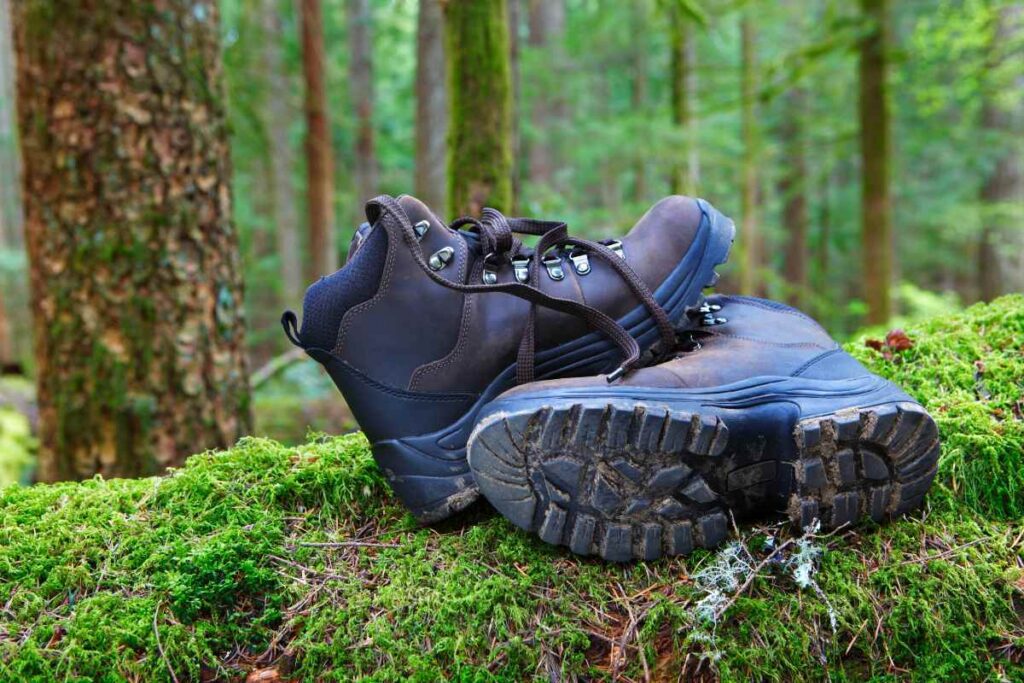
Choosing the right hiking boots is crucial for anyone who enjoys outdoor activities. The right pair of boots can make a significant difference in your hiking experience, offering comfort, support, and protection.
Inappropriate footwear can lead to blisters, sore feet, and even injuries. Therefore, it’s essential to understand what to look for when selecting hiking boots.
This guide will walk you through the key considerations to help you make an informed decision.
Understand Your Hiking Needs
Before you start shopping, assess the type of hiking you’ll be doing. Different hiking activities require different types of boots. Consider the following:
- Day Hiking: For short hikes on well-maintained trails, lightweight hiking shoes or mid-cut boots offer sufficient support and flexibility.
- Backpacking: If you’re carrying a heavy pack or hiking on rough terrain, you’ll need sturdy, high-cut boots that provide excellent ankle support and stability.
- Mountaineering: For hiking in snowy or icy conditions, mountaineering boots with insulation and rigid soles are necessary.
Know the Types of Hiking Boots
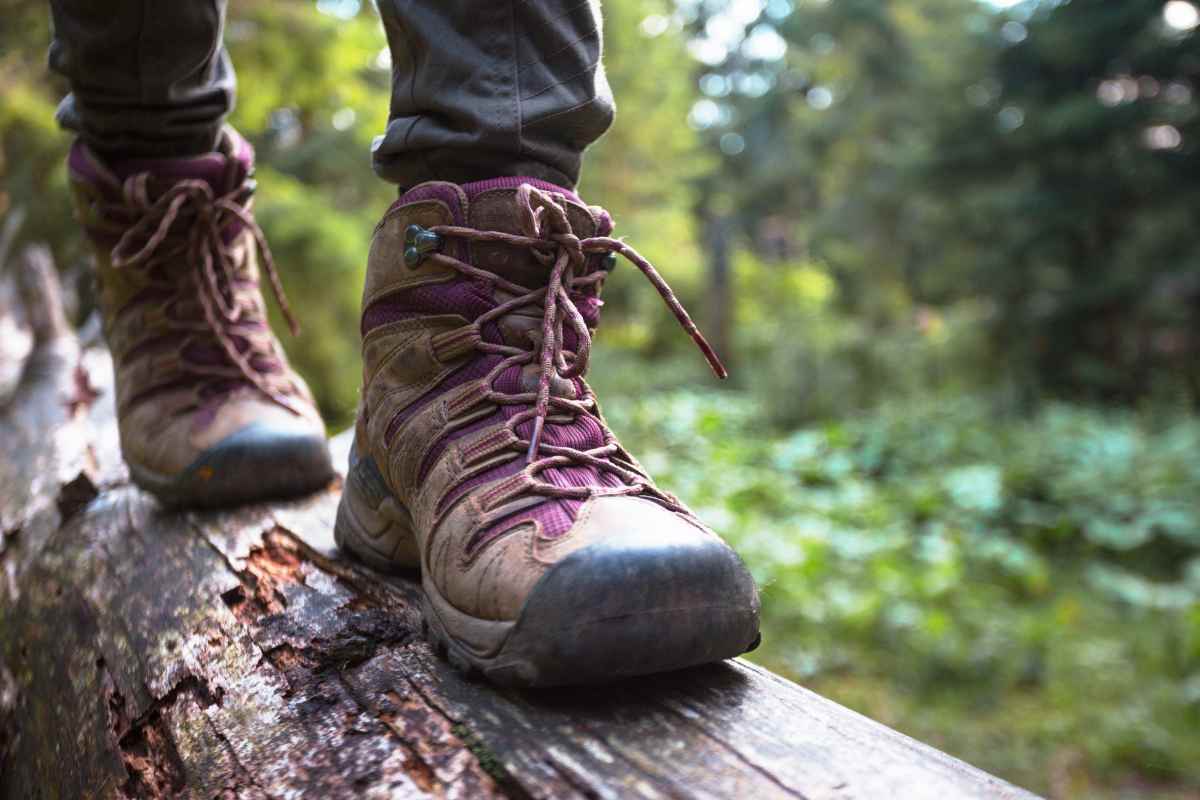
Hiking boots come in various styles, each designed for specific conditions and hiking styles. Here are the main types:
- Hiking Shoes: These are low-cut and lightweight, ideal for day hikes on well-groomed trails. They offer more flexibility but less ankle support.
- Day Hiking Boots: Usually mid- to high-cut, these boots provide more support and protection than hiking shoes and are suitable for moderate hikes.
- Backpacking Boots: These high-cut boots are designed for long treks and carrying heavy loads. They offer robust support and durability.
- Mountaineering Boots: Heavy-duty boots built for extreme conditions, such as snow and ice. They are stiff, insulated, and often compatible with crampons.
Consider the Material
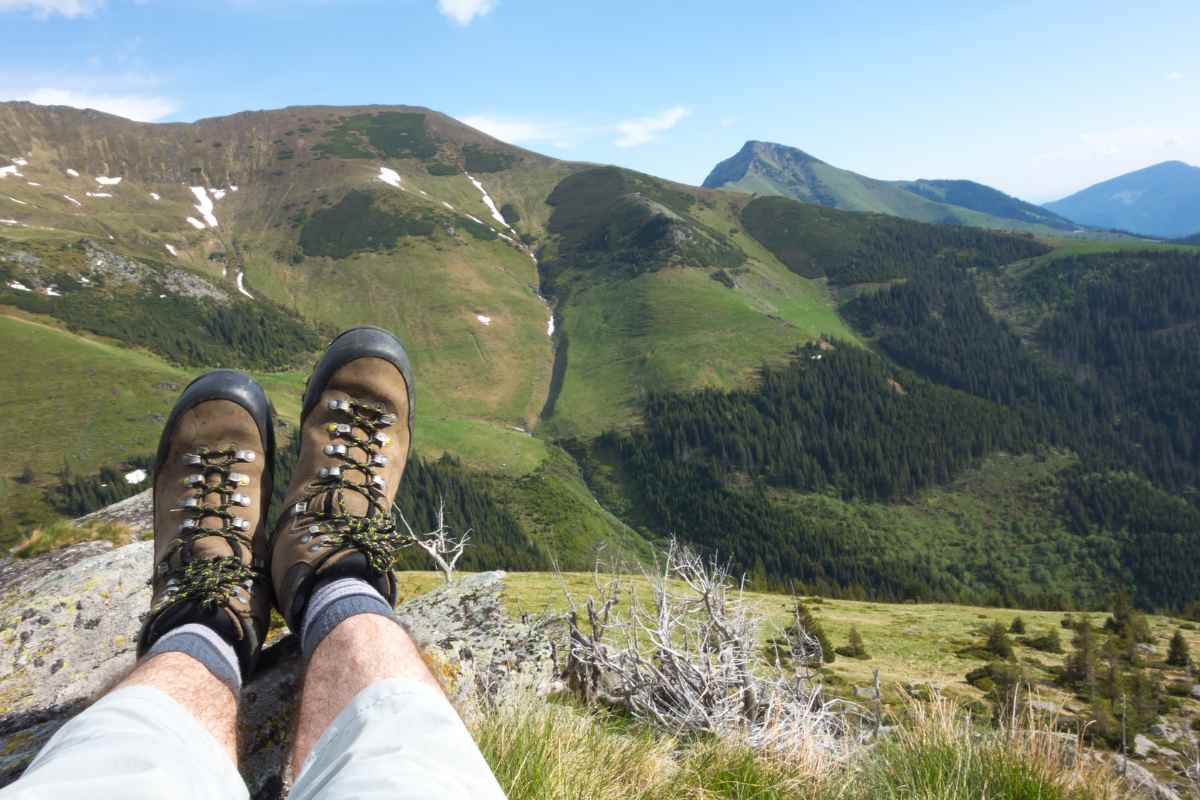
The material of the hiking boots affects their weight, durability, and water resistance. Common materials include:
- Full-Grain Leather: Highly durable and excellent for long hikes and rugged terrain. However, it’s heavier and less breathable.
- Split-Grain Leather: Lighter and more breathable than full-grain leather but not as durable.
- Nubuck Leather: Similar to suede, it’s durable and water-resistant but needs break-in time.
- Synthetics: Materials like nylon and polyester are lightweight, quick-drying, and more affordable, but they may wear out faster.
Check for Waterproofing
Waterproof boots are essential if you hike in wet conditions. Look for boots with waterproof membranes like Gore-Tex or eVent.
These membranes allow your feet to breathe while keeping water out. However, waterproof boots can be less breathable, which might be uncomfortable in hot, dry climates.
Pay Attention to Fit
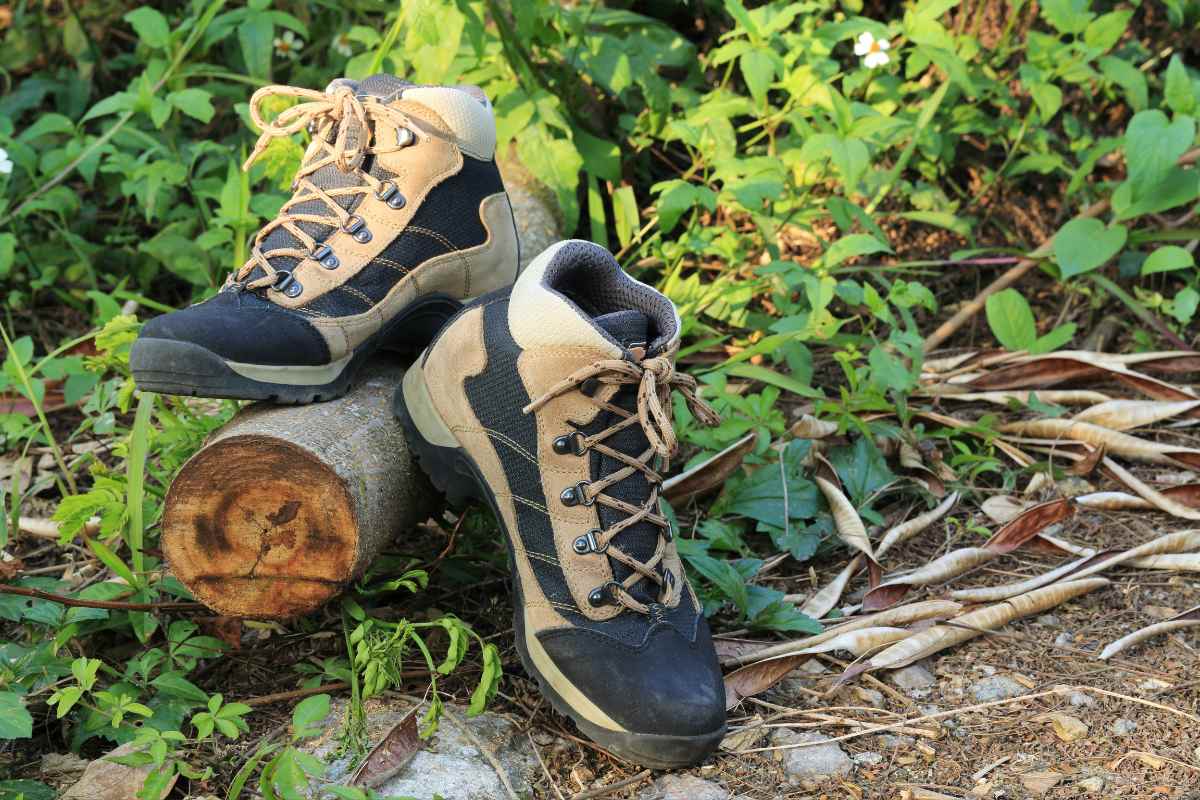
A proper fit is the most crucial aspect of choosing hiking boots. Poorly fitting boots can cause blisters, discomfort, and foot problems.
Here’s how to ensure a good fit:
- Try on Boots in the Afternoon: Your feet swell during the day, so it’s best to try on boots when your feet are at their largest.
- Wear Hiking Socks: Always try on boots with the socks you plan to wear while hiking. This ensures an accurate fit.
- Check for Toe Room: Your toes should have enough room to wiggle, and there should be about a thumb’s width between your toes and the end of the boot.
- Ensure Heel Lock: Your heel should fit snugly without lifting when you walk. Heel lift can cause blisters.
Test the Boots
Before hitting the trails, wear your boots around the house or on short walks.
This helps you break them in and identify any potential issues. Pay attention to any areas of discomfort or pressure points.
Consider the Weight of the Boots
The weight of your hiking boots can significantly affect your comfort and endurance.
Lighter boots are easier to walk in and reduce fatigue but may offer less support and durability. Balance the need for support with the desire for lighter footwear.
Look for Good Traction
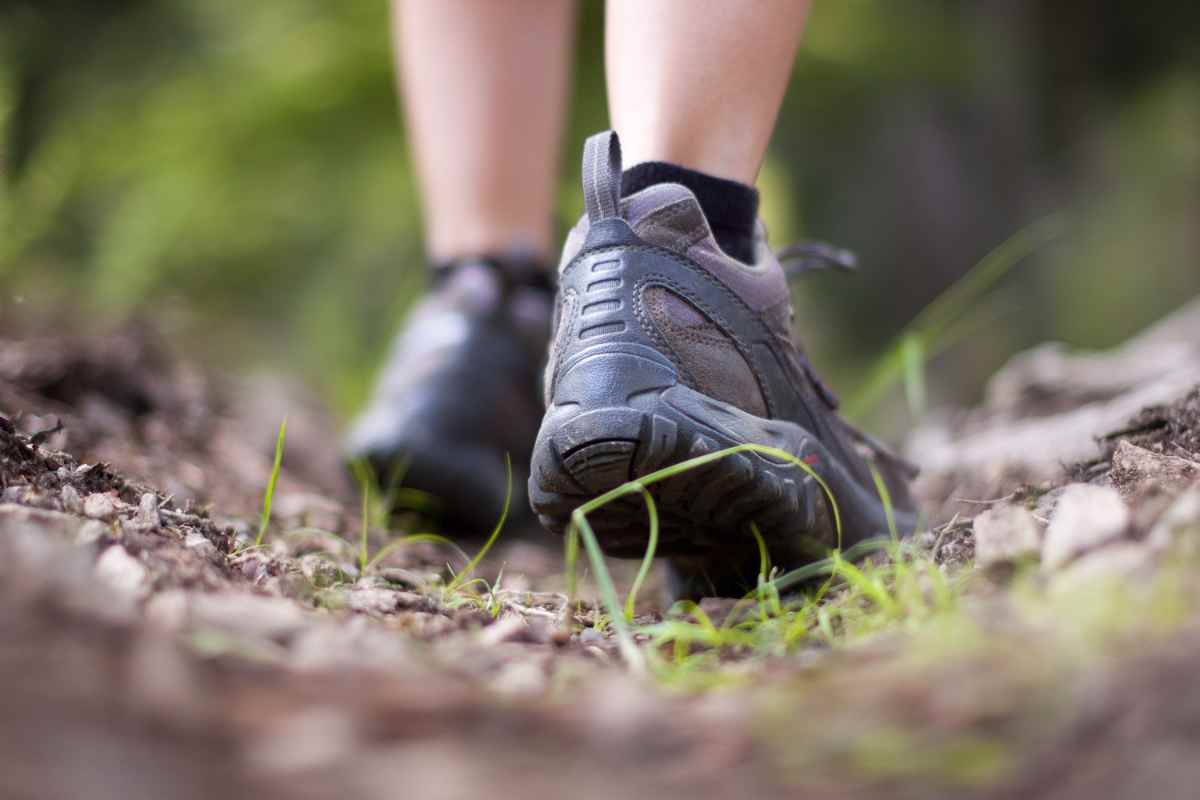
The sole of the boot should provide excellent traction to prevent slips and falls.
Look for outsoles made of high-quality rubber with deep lugs. Vibram soles are a popular choice for their durability and grip.
Assess the Boot’s Support and Cushioning
Proper support and cushioning are vital for comfort and injury prevention.
Look for boots with good arch support, a cushioned midsole, and a stiff shank to provide stability on uneven terrain.
Read Reviews and Do Your Research
Reading reviews from other hikers can provide valuable insights into the performance and durability of different boots.
Look for reviews that mention the specific type of hiking you plan to do.
Consider the Break-In Period
Most hiking boots require a break-in period to soften and conform to your feet.
Leather boots typically need more break-in time than synthetic ones. Start with short walks and gradually increase the duration.
Budget Considerations
While it’s important to invest in quality boots, there are options available for every budget.
Higher-priced boots often offer better materials and construction, but many mid-range boots provide excellent performance for most hikers.
Additional Features to Look For
Consider additional features that may enhance your hiking experience:
- Lacing Systems: Ensure the laces can be tightened evenly and stay secure.
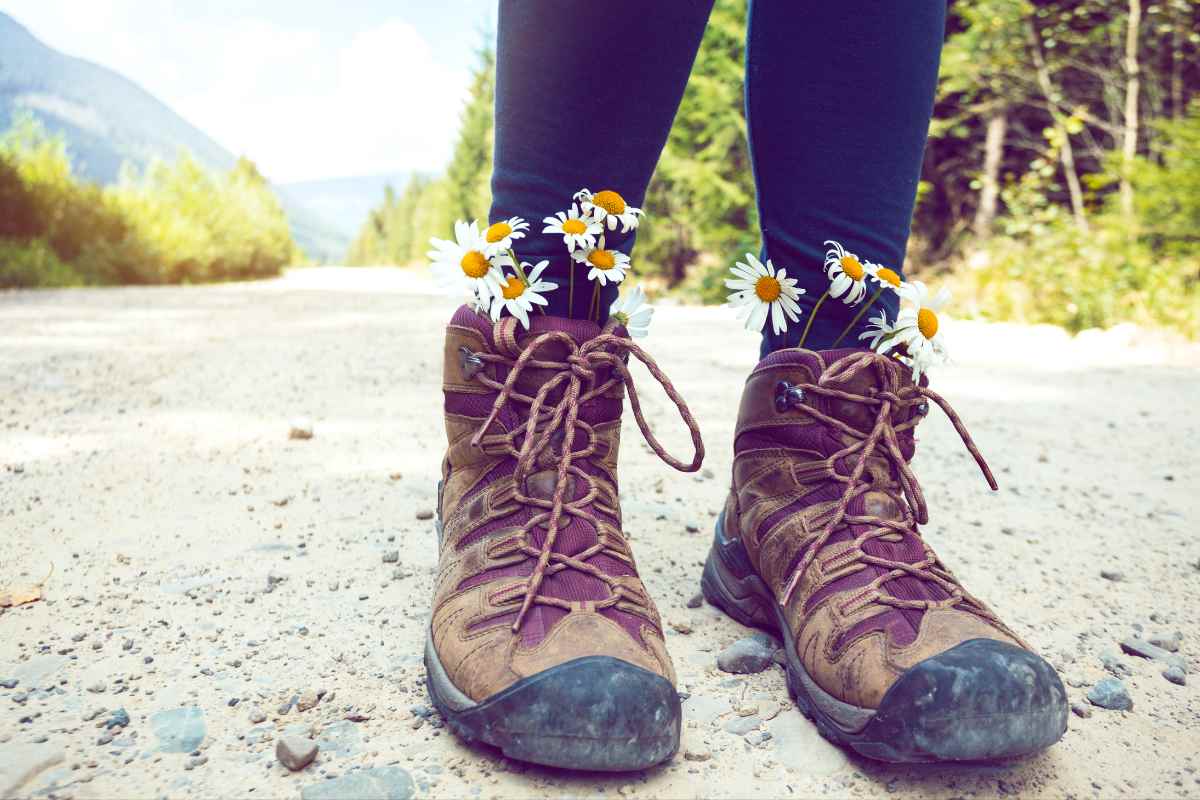
- Toe Protection: Reinforced toe caps protect your toes from rocks and roots.
- Gaiter Compatibility: If you hike in muddy or snowy conditions, look for boots compatible with gaiters.
Choose the Perfect Hiking Boots for Your Adventures
Choosing the right hiking boots involves careful consideration of your hiking needs, the type of boots, materials, waterproofing, fit, and other features.
Investing time in selecting the right boots can enhance your hiking experience and keep your feet happy and healthy on the trails.
Remember, the best hiking boots for you are the ones that fit well, suit your hiking style, and keep you comfortable throughout your adventures.
Following these guidelines, you can confidently select hiking boots that will support your outdoor activities and help you enjoy every step of your journey. Happy hiking!
Did you find this post useful or inspiring? Save THIS PIN for later in your Outdoor Board on Pinterest! 😊

Explore these outdoor tips too