
5 Must-Have Gear Items for Your Next Hike

When planning your next outdoor adventure, it’s crucial to have the right gear items for your next hike. The great outdoors can be unpredictable, and having the appropriate equipment ensures not only your safety but also your comfort and enjoyment.
Whether you’re a seasoned hiker or a beginner, the following five gear essentials will enhance your hiking experience.
Essential Gear Items for Your Next Hike
1. Quality Hiking Boots
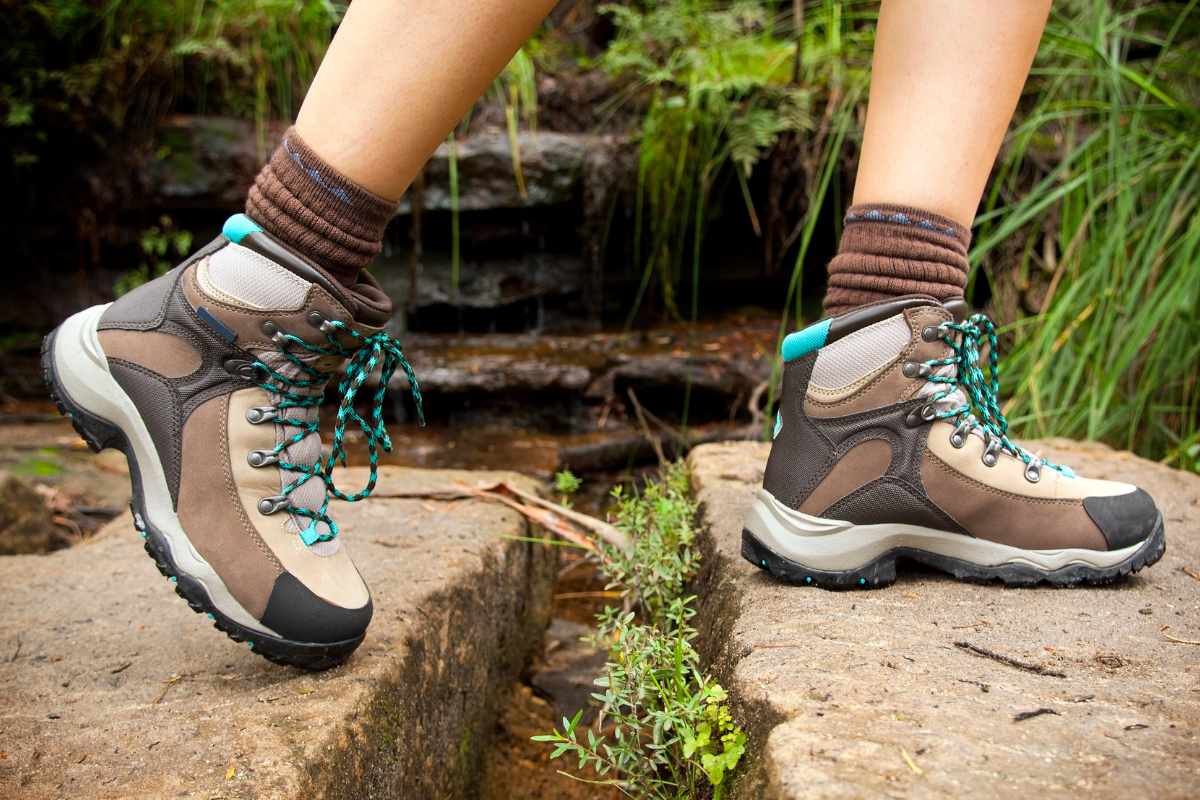
One of the most critical items you need for a successful hike is a pair of quality hiking boots. Your feet are your primary mode of transport, and protecting them should be a top priority. Here are some features to look for in hiking boots:
- Ankle support to prevent sprains
- Waterproof materials to keep your feet dry
- Breathable fabrics to avoid overheating
- Durable soles for varied terrains
Investing in a good pair of hiking boots will not only make your hike more comfortable but also help prevent injuries.
2. Navigation Tools
Even if you’re hiking a well-marked trail, it’s essential to have reliable navigation tools. Getting lost can turn a pleasant hike into a dangerous situation quickly. Here’s what you should include:
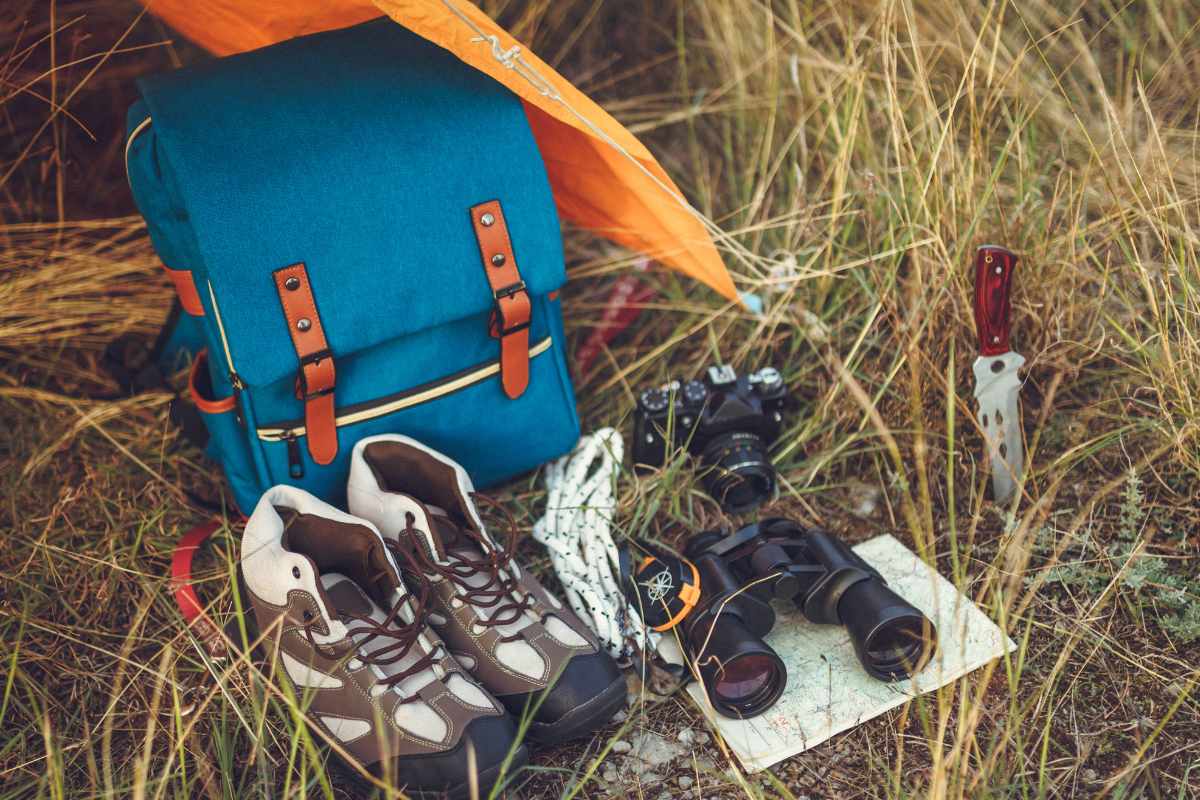
- A map of the area
- A compass to find your direction
- A GPS device for precise navigation
- A trail guide for detailed route information
While smartphones have GPS capabilities, they can fail in remote areas with poor reception. Hence, having multiple navigation tools ensures you can always find your way.
3. Hydration System
Staying hydrated is crucial when hiking, as physical activity and exposure to the elements can dehydrate you rapidly. A good hydration system should be easy to carry and use. Consider the following options:
- Hydration packs with built-in water bladders and drinking tubes
- Water bottles that are durable and easy to refill
- Water filters or purification tablets if you plan to refill from natural sources
Proper hydration helps maintain your energy levels and keeps you safe from heat exhaustion and dehydration.
4. First Aid Kit
Accidents can happen, even on the most straightforward hikes. A well-stocked first aid kit is essential to handle minor injuries and stabilize more severe ones until help arrives. Your kit should include:
- Bandages and gauze for cuts and scrapes
- Antiseptic wipes to clean wounds
- Pain relievers for aches and injuries
- Tweezers for splinter removal
- Emergency blanket for warmth
Tailor your first aid kit to the specific needs of your hike, considering factors like the length of the hike and the terrain.
5. Appropriate Clothing
Dressing appropriately for your hike can make a significant difference in your comfort and safety. Layering your clothing is key, as it allows you to adjust to changing weather conditions. Key items include:
- Moisture-wicking base layers to keep sweat away from your skin
- Insulating mid-layers like fleece or down jackets
- Waterproof outer layers to protect against rain and wind
- Hat and gloves for cold weather hikes
Choose clothing made from materials that are quick-drying and provide protection against the elements.
Additional Tips for a Successful Hike
Plan Your Route
Before setting out, thoroughly research your hiking route. Know the distance, elevation changes, and potential hazards. Share your plans with someone who isn’t hiking with you, including your expected return time.
Pack Light but Smart
While it’s essential to have all necessary gear, carrying too much can weigh you down. Prioritize lightweight and multipurpose items. For instance, a multi-tool can replace several single-use tools, and compact camping stoves are more manageable than larger ones.
Know the Weather
Check the weather forecast for your hiking area before you leave. Sudden weather changes can occur, especially in mountainous regions. Being prepared for rain, snow, or extreme heat ensures you can adjust your plans and gear accordingly.
Learn Basic Survival Skills
Basic survival skills can be a lifesaver in case of an emergency. Knowing how to start a fire, build a shelter, and signal for help can make a significant difference if you’re stranded or lost.
Leave No Trace
Respect nature by following the principles of Leave No Trace. Pack out all trash, avoid disturbing wildlife, and stay on designated trails to minimize your impact on the environment.

Gear Items for Your Next Hike
Having the right gear items for your next hike can make the difference between a memorable adventure and a challenging ordeal.
Investing in quality hiking boots, reliable navigation tools, a proper hydration system, a comprehensive first aid kit, and appropriate clothing ensures that you are prepared for any situation.
Coupled with careful planning and respect for nature, these essentials will help you enjoy a safe and fulfilling hiking experience. So pack wisely, respect the trails, and embark on your next hiking adventure with confidence!
Did you find this post useful or inspiring? Save THIS PIN for later in your Outdoor Board on Pinterest! 😊
Explore these outdoor tips too