
7 Essential Tips for Beginners on the Trail

Embarking on a hiking adventure for the first time can be both exhilarating and overwhelming. For beginners on the trail, the experience is often filled with excitement and a bit of uncertainty.
Whether you're planning a short day hike or a longer trek, there are essential tips that can make your journey safer and more enjoyable.
This article provides seven key tips to help beginners on the trail navigate their first outdoor adventure with confidence and ease.
Setting the Stage for Success
Before you lace up your hiking boots and head out, it's important to set realistic expectations and goals.
Hiking, especially for beginners, is not just about reaching the end of the trail but also about enjoying the journey and learning from it.
Understanding that every hike is a step towards becoming a more experienced hiker will help you stay positive and focused.
By following these tips, you’ll not only prepare yourself physically but also mentally, ensuring that your hiking experiences are both rewarding and memorable.
1. Prepare Thoroughly Before Your Hike
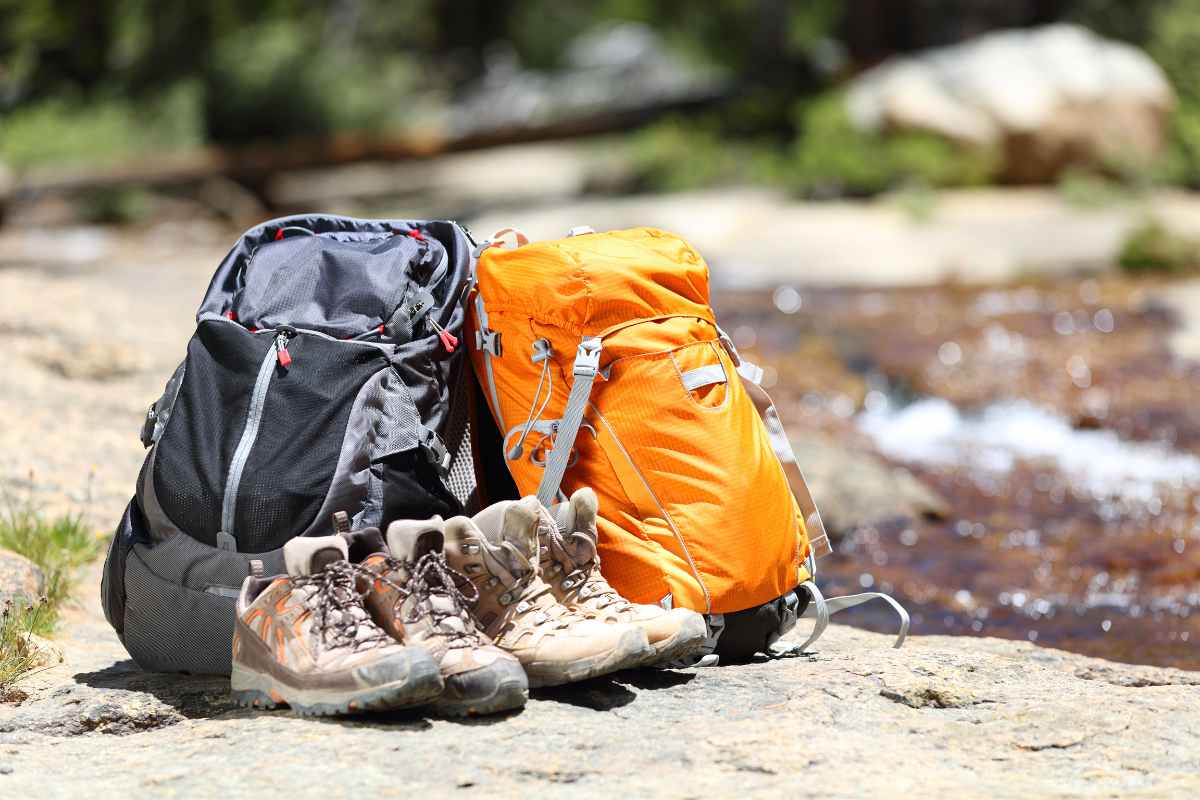
Preparation is crucial for a successful hiking experience. For beginners on the trail, it's important to start with thorough research.
Study the trail maps and understand the route you plan to take. Check the weather forecast to ensure you’re prepared for any conditions.
Familiarize yourself with the difficulty level of the trail and assess if it aligns with your fitness level. Ensure you have the necessary permits if required for your destination.
Packing the right gear is also essential. Invest in a quality backpack, comfortable hiking boots, and appropriate clothing suited to the weather conditions.
Remember to include safety items such as a compass, a first-aid kit, and a multi-tool.
2. Start with Easy Trails

As a beginner, it's wise to start with easy and moderate trails. These trails are generally well-marked and less challenging, making them perfect for those new to hiking.
Easy trails will help you build your stamina and confidence without overwhelming you. Look for trails that offer beautiful scenery and manageable terrain to keep the experience enjoyable.
Gradually, as you gain more experience and confidence, you can explore more challenging trails with varied terrains and greater distances.
3. Follow the Trail Etiquette

Hiking is not just about exploring nature; it’s also about respecting it. Trail etiquette is essential for the safety and enjoyment of everyone.
Always stay on marked trails to prevent erosion and protect local flora. When you encounter other hikers, yield the trail to those going uphill. If you're hiking with a group, keep noise levels down to avoid disturbing wildlife and other hikers.
Also, make sure to pack out all trash and leave no trace. This practice ensures that nature remains pristine for others to enjoy.
4. Stay Hydrated and Energized

Proper hydration and nutrition are vital for a successful hike. Bring plenty of water and drink regularly throughout your hike.
Dehydration can lead to fatigue and other health issues, so it's crucial to stay well-hydrated. Carry a water filtration system or purification tablets if you're hiking in areas where water sources are available.
In addition to water, pack high-energy snacks such as nuts, trail mix, and granola bars. These snacks will keep your energy levels up and help you maintain your stamina throughout the hike.
5. Understand Your Limits

One of the most important tips for beginners on the trail is to know your limits. Overexerting yourself can lead to injuries or exhaustion.
Pay attention to your body's signals and take breaks as needed. If you feel tired or unwell, it’s better to cut your hike short rather than push through and risk injury.
Listen to your body and be prepared to turn back if conditions become unfavorable. Recognizing your limits will help you enjoy hiking without overstraining yourself.
6. Dress in Layers
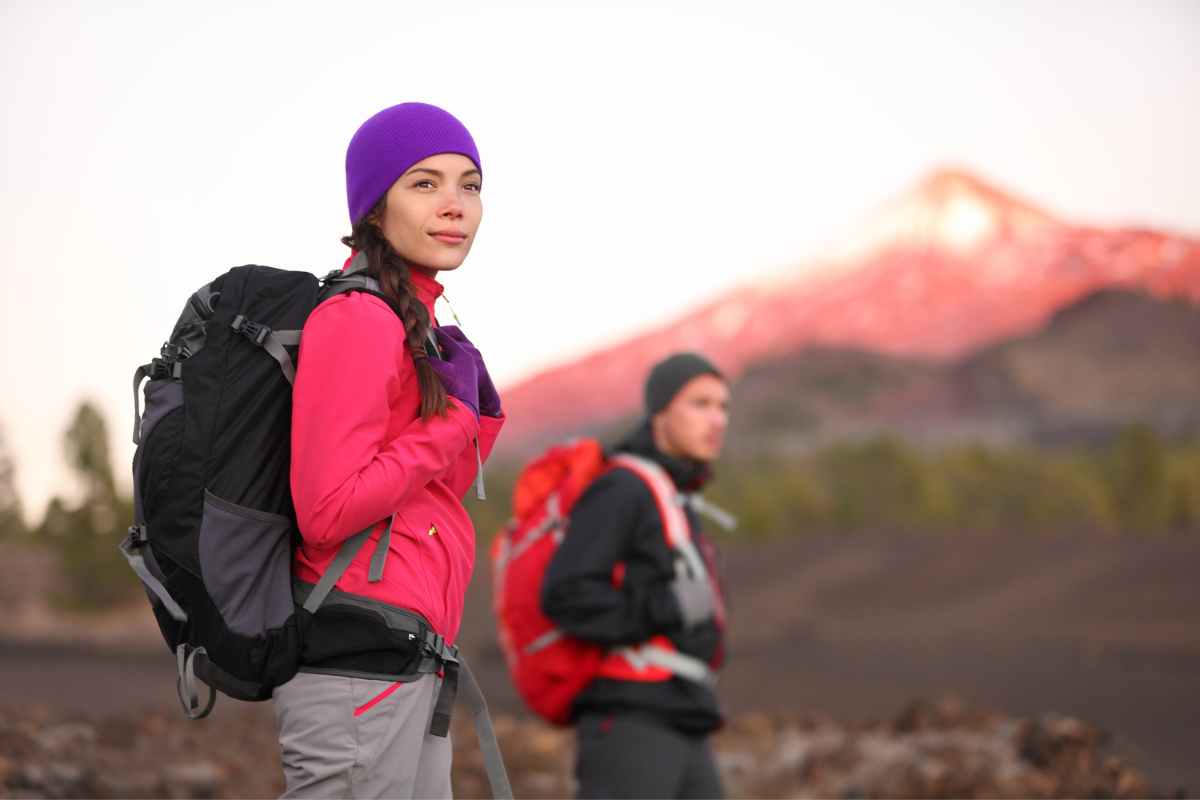
Weather conditions in the outdoors can change rapidly. Dressing in layers is a smart strategy for beginners on the trail.
Start with a moisture-wicking base layer to keep sweat away from your skin. Add an insulating layer for warmth if needed, and top it off with a waterproof and windproof outer layer to protect against the elements.
Layering allows you to adjust your clothing according to the weather and your activity level, keeping you comfortable throughout your hike.
7. Carry Navigation Tools

While many trails are well-marked, it's essential to carry navigation tools as a safety precaution. A map and compass are fundamental tools that can help you stay on track, especially in areas where trail markers are sparse.
For a more advanced option, consider a GPS device or a hiking app with offline capabilities.
Learning basic navigation skills will not only help you stay oriented but also enhance your overall hiking experience.
Confident and Enjoyable Hiking Experience
For beginners on the trail, the key to a successful hiking adventure lies in preparation, understanding your limits, and practicing good trail etiquette.
By following these seven essential tips, you'll be better equipped to enjoy your hikes safely and confidently.
Remember, every hike is a learning experience, so embrace the adventure and continue to explore the great outdoors with enthusiasm and respect.
Happy hiking, and may your trails be full of joy and discovery!
Did you find this post useful or inspiring? Save THIS PIN for later in your Outdoor Board on Pinterest! 😊

Explore these outdoor tips too