
- Urbaki Outdoor
- Adventure Sports
- A Beginner’s Guide to Rock Climbing
A Beginner’s Guide to Rock Climbing
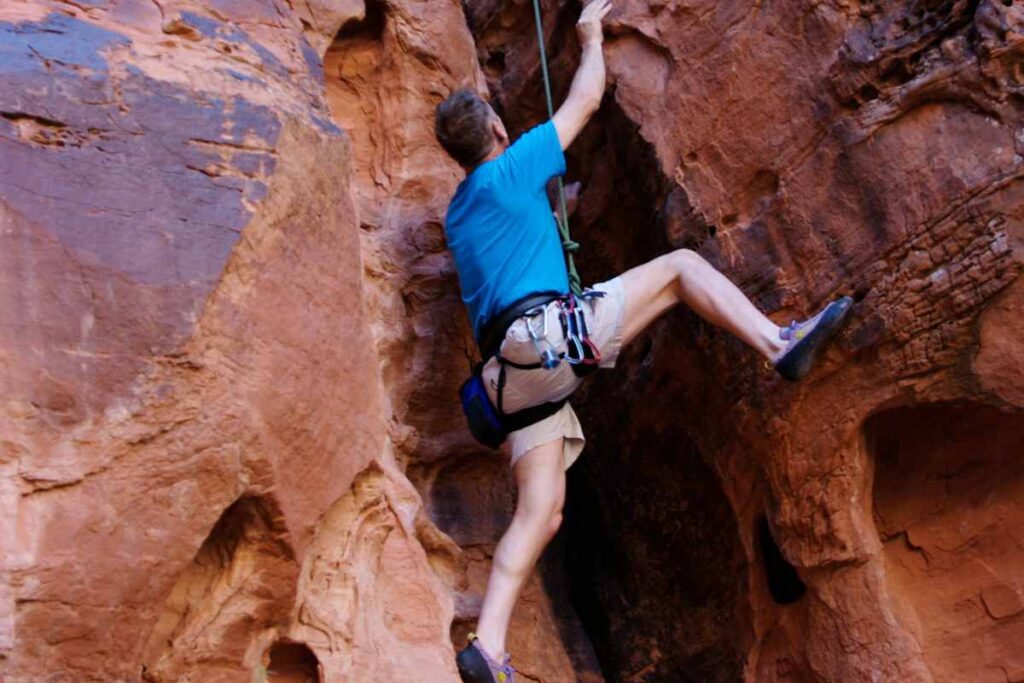
Rock Climbing is an exhilarating and challenging sport that offers a unique combination of physical strength, mental toughness, and a deep connection with nature.
Whether you are looking to push your limits, enjoy the great outdoors, or simply find a new way to stay fit, Rock Climbing has something to offer everyone.
This guide will introduce you to the basics of Rock Climbing, helping you understand what it takes to get started, the essential gear you need, and tips to ensure a safe and enjoyable climbing experience.
Understanding Rock Climbing
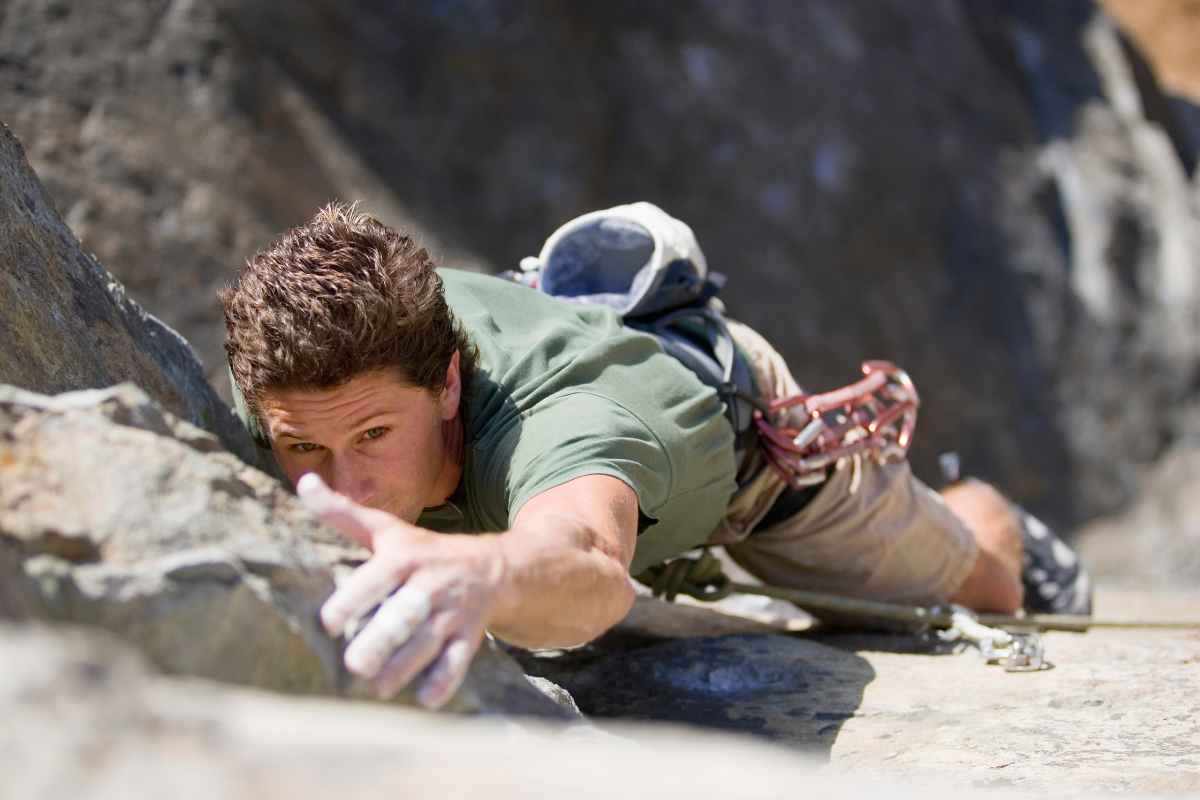
At its core, Rock Climbing involves ascending natural rock formations or artificial rock walls using one's hands, feet, and other body parts.
The sport can be practiced indoors or outdoors, and it ranges from simple climbs that anyone can try to highly technical ascents that require years of experience.
For beginners, the idea of climbing a rock wall might seem daunting, but with the right approach and mindset, it can be an incredibly rewarding activity.
Rock Climbing is not just about physical strength; it also requires problem-solving skills, as you’ll need to figure out the best way to navigate the rock face.
Additionally, it’s a sport that can be done solo or with a partner, making it both a personal challenge and a social activity.
Getting Started with Rock Climbing
Before you can start climbing, it's important to understand the different types of Rock Climbing and decide which style suits you best.
The most common and accessible form for beginners is Indoor Climbing, where you can practice on artificial walls in a controlled environment. This setting is ideal for learning the basics, building confidence, and improving your technique.
If you’re looking for a more challenging experience, you might try Bouldering, a form of Rock Climbing that focuses on short, powerful climbs without the use of ropes.
Bouldering requires strength and technique, and it’s a great way to develop your climbing skills in a relatively safe setting.
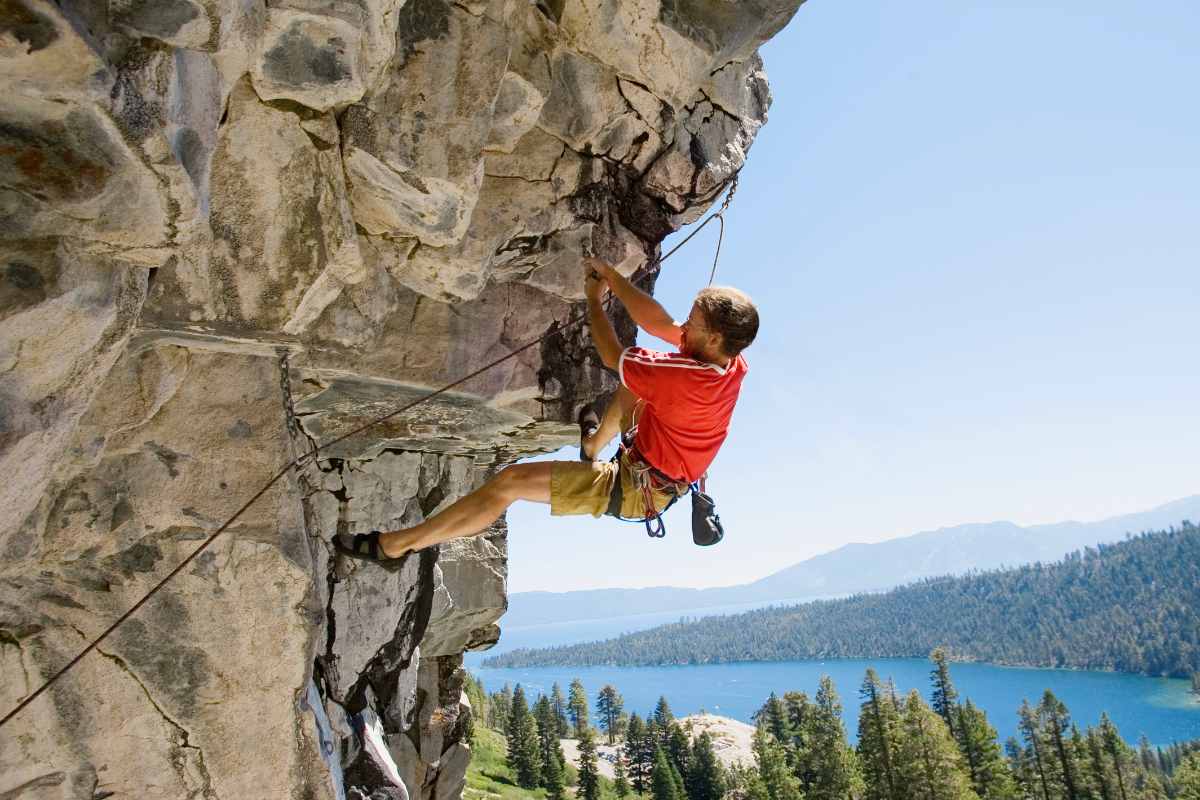
For those ready to venture outdoors, Top-Rope Climbing is a common starting point. In this style, the climber is securely attached to a rope that runs through an anchor system at the top of the climb and back down to a belayer on the ground.
This method allows beginners to focus on climbing without the fear of falling far, as the rope provides constant protection.
As you gain experience, you might explore Sport Climbing, which involves climbing routes with pre-placed anchors. This style is typically done outdoors and requires a higher level of skill and confidence.
The natural progression from top-roping, sport climbing introduces you to more complex and physically demanding routes.
Essential Gear for Rock Climbing
One of the most exciting aspects of getting into Rock Climbing is acquiring the right gear. The most crucial piece of equipment is Climbing Shoes, designed to give you maximum grip and precision on the rock.
A snug fit is important, as it allows you to feel the rock beneath your feet and use small footholds effectively.
You’ll also need Chalk to keep your hands dry and improve your grip. A Chalk Bag is a small pouch that you can wear around your waist, allowing you to access chalk while climbing.
If you're doing any form of rope climbing, a Harness is essential, as it’s what you attach to the rope and other safety equipment. A good harness should fit comfortably and securely.
For those climbing with ropes, a Belay Device and Carabiner are necessary to manage the rope and catch you if you fall. These tools are vital for ensuring safety during a climb.
A dynamic Climbing Rope is also needed for top-rope and sport climbing, designed to stretch slightly to absorb the impact of a fall.
When climbing outdoors, a Helmet is crucial to protect your head from falling rocks or gear. For bouldering, a Crash Pad is essential to cushion your fall and prevent injuries.
Learning the Basics of Rock Climbing
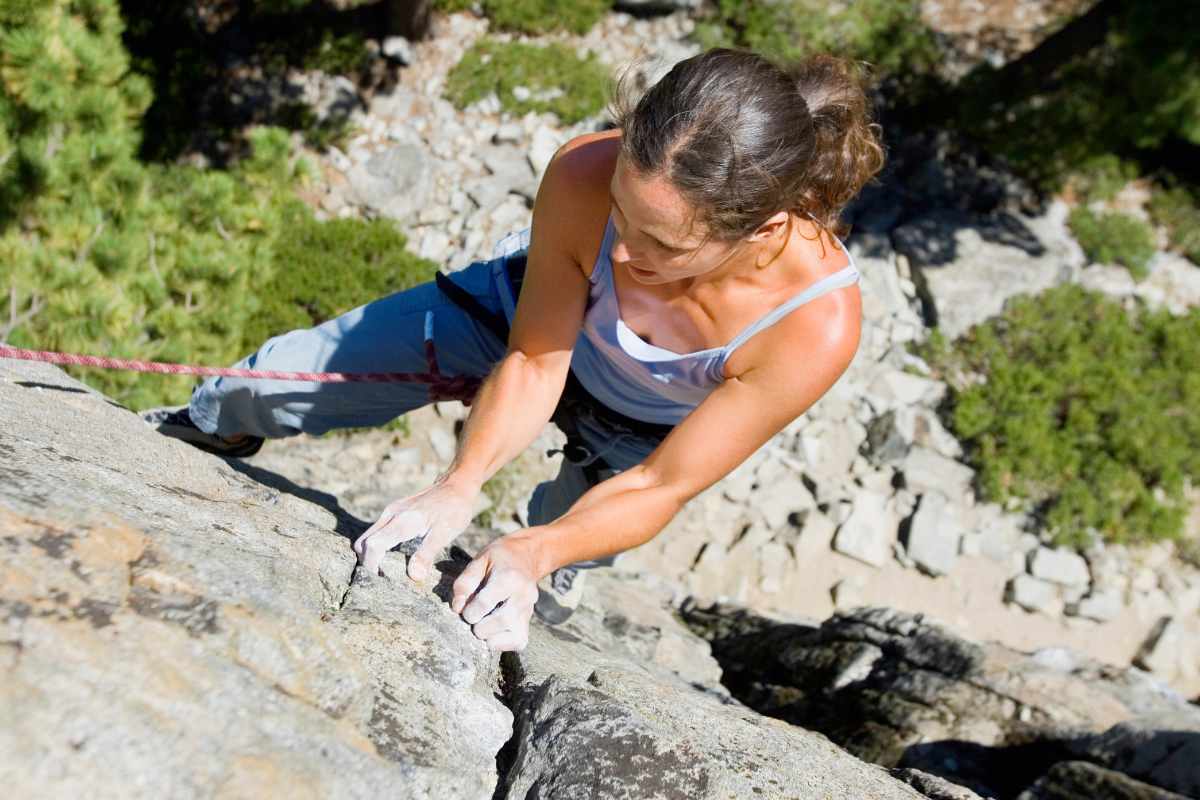
Once you have your gear, it’s time to start learning the basics of Rock Climbing. One of the most important skills to develop is good Footwork.
Your legs are stronger than your arms, so it’s crucial to use them to push yourself up the wall rather than relying solely on your upper body. Practice placing your feet precisely on footholds and using your legs to move upward.
In addition to footwork, understanding how to properly use Handholds is essential. Different types of holds require different grips, and knowing how to use each one effectively can make your climb easier and more efficient.
It’s also important to focus on your Body Positioning. Keeping your body close to the wall, maintaining a balanced posture, and using your core muscles will help you climb more smoothly and with less effort.
As a beginner, it’s a good idea to take a few Climbing Lessons from a qualified instructor. They can teach you proper techniques, help you understand climbing terminology, and introduce you to the basics of Belaying—the method of managing the rope for your climbing partner.
Safety Tips for Rock Climbing
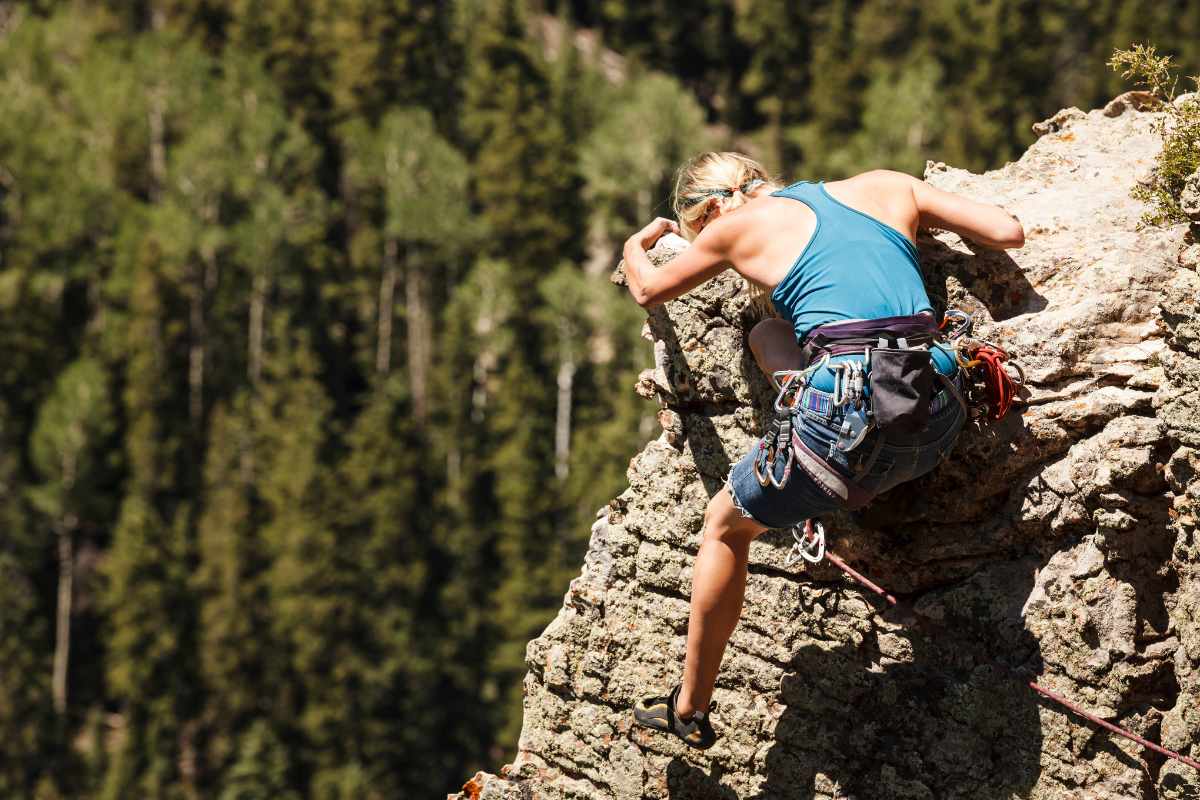
Safety is paramount in Rock Climbing, whether you’re indoors or outdoors. Always check your gear before you start climbing.
Make sure your harness is properly secured, your rope is in good condition, and your belay device is set up correctly. When climbing outdoors, inspect the rock for loose holds and other potential hazards.
Communication with your climbing partner is also crucial. Establish clear commands for climbing and belaying, such as “On belay” and “Climbing,” to ensure that both of you are on the same page. Always double-check each other’s gear before starting the climb.
It’s also important to be aware of your physical limits. Rock Climbing can be physically demanding, especially for beginners, so listen to your body and take breaks when needed. Don’t push yourself too hard too soon; it’s better to progress gradually to avoid injury.
When climbing outdoors, it’s essential to respect the environment. Stick to established climbing routes, avoid damaging vegetation, and pack out any trash you bring with you.
Being mindful of the environment helps preserve the natural beauty of climbing locations for future generations.
The Benefits of Rock Climbing
Beyond the physical challenge, Rock Climbing offers numerous benefits that contribute to both mental and physical well-being.
Climbing builds strength, endurance, and flexibility, working muscles you might not typically use in other activities. It’s a full-body workout that also improves your balance and coordination.
Mentally, Rock Climbing teaches problem-solving and critical thinking. Each climb is like a puzzle, requiring you to figure out the best way to reach the top. It also enhances focus and concentration, as you must be fully present and aware of each movement.
Rock Climbing is also a great way to connect with nature and explore the outdoors. Whether you’re scaling a rock face in a remote wilderness or climbing in a local gym, the experience of reaching the top and taking in the view is incredibly rewarding. It’s a sport that fosters a sense of accomplishment and boosts self-confidence.
Moreover, the climbing community is known for its supportive and inclusive culture. Whether you’re a beginner or an experienced climber, you’ll find a welcoming group of people who are passionate about the sport and eager to share their knowledge. Joining a climbing group or taking part in community events can also help you build lasting friendships.
Rock Climbing
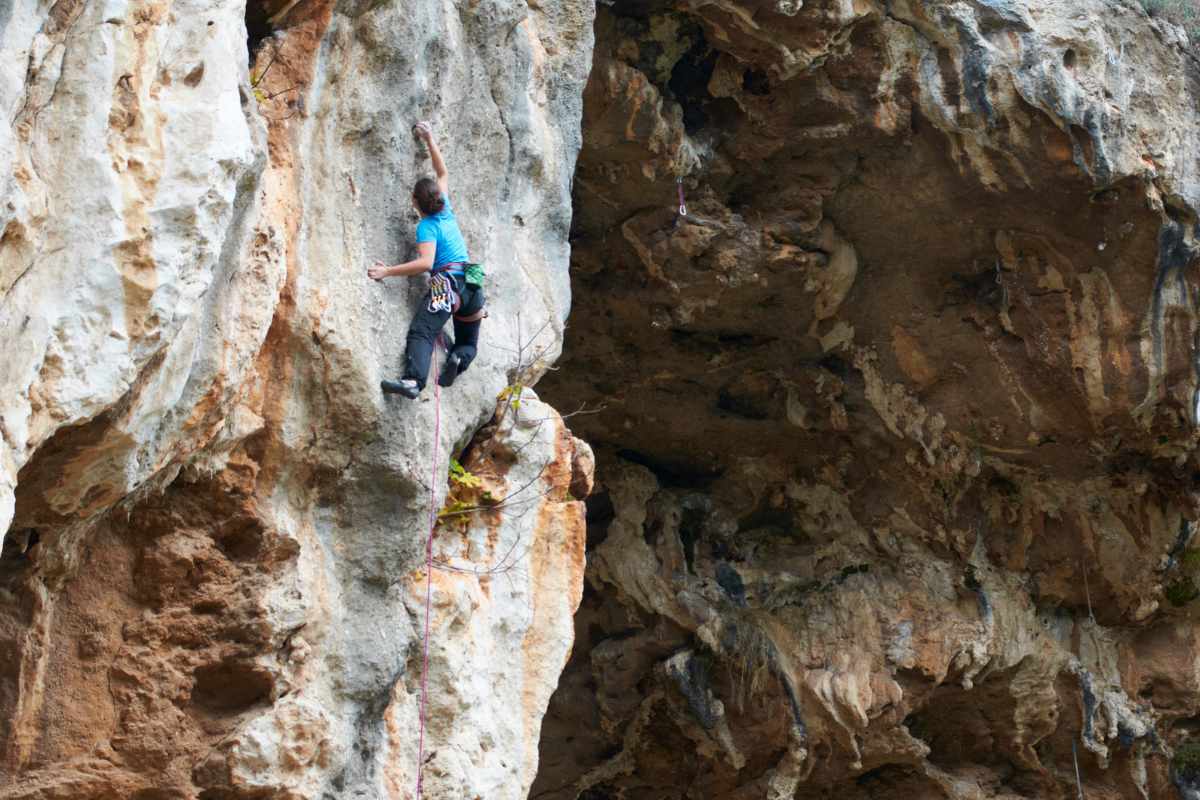
Rock Climbing is a sport that offers both physical and mental challenges, along with the opportunity to connect with nature and the climbing community.
By learning the basics, getting the right gear, and focusing on safety, beginners can start climbing with confidence.
As you progress, you’ll not only improve your climbing skills but also gain the many benefits that come with this exciting and rewarding activity.
Whether you're climbing indoors or heading out on outdoor routes, Rock Climbing is a path to personal growth, adventure, and connection.
Did you find this post useful or inspiring? Save THIS PIN for later in your Outdoor Board on Pinterest! 😊

I'm Ryan, and I spend as many weekends as I can on trails, at campsites and near the water. I'm not a survival expert or a mountain guide, just someone who has learned a lot by doing (and by forgetting the tent poles once or twice). Here I share practical ideas on hiking, camping and outdoor gear so your next trip is easier and more fun.
Explore these outdoor tips too