
A Step-by-Step Framework for Preparing for Multi-Day Hikes
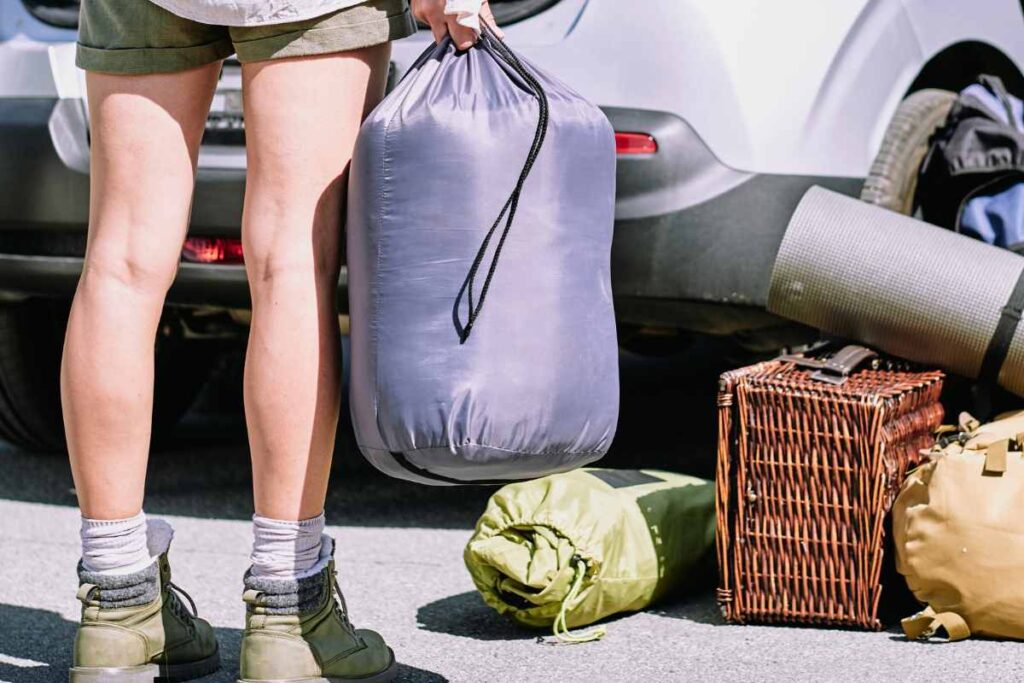
Embarking on a multi-day hike is an exciting and rewarding adventure that requires thorough preparation.
Whether you're a seasoned hiker or a novice, preparing for multi-day hikes involves meticulous planning, physical training, and careful gear selection to ensure safety and enjoyment throughout the journey.
This article will guide you through a comprehensive, step-by-step framework to get ready for your next hiking expedition.
Understanding the Importance of Preparation for Multi-Day Hikes
Preparing for multi-day hikes is essential for a successful and enjoyable experience. Proper preparation helps you avoid potential pitfalls, ensures your safety, and maximizes the enjoyment of the adventure.
This involves physical conditioning, gear selection, route planning, and understanding the environmental conditions of your hiking destination.

Step 1: Physical Conditioning
Before tackling a multi-day hike, it's crucial to condition your body. This includes building endurance, strength, and flexibility.
Start by incorporating regular cardiovascular exercises such as running, cycling, or swimming into your routine. Aim for at least 30 minutes of cardio, three to four times a week.
Strength Training
Focus on strengthening your legs, core, and upper body. Exercises like squats, lunges, planks, and push-ups are beneficial. Consider carrying a weighted backpack during your workouts to simulate the hiking experience and build stamina.
Flexibility and Balance
Incorporate stretching and balance exercises into your regimen. Yoga and Pilates are excellent for improving flexibility and core strength, which are vital for navigating uneven terrain and carrying a heavy pack.
Step 2: Gear Selection and Packing
Having the right gear is crucial for comfort and safety on a multi-day hike. Here’s a breakdown of the essential gear you’ll need:
Backpack
Choose a backpack that fits well and has sufficient capacity to carry your gear. Look for one with a sturdy frame, padded shoulder straps, and a hip belt for better weight distribution. Typically, a 50-70 liter pack is ideal for multi-day hikes.
Shelter
A lightweight, durable tent or hammock is necessary for overnight protection. Ensure it’s suitable for the weather conditions you expect to encounter.
Sleeping Gear
Invest in a high-quality sleeping bag rated for the temperatures you’ll experience. A sleeping pad is also essential for insulation and comfort.
Clothing
Layering is key. Start with moisture-wicking base layers, add insulating mid-layers, and finish with a waterproof and windproof outer layer. Don’t forget to pack extra socks, a hat, and gloves.
Footwear
Sturdy, well-fitted hiking boots with good ankle support are a must. Break them in before your trip to avoid blisters.
Navigation Tools
Carry a map, compass, and a GPS device. Familiarize yourself with the route and have a backup navigation method in case of technology failure.
Food and Water
Plan your meals and snacks carefully. Opt for lightweight, high-calorie foods like dehydrated meals, nuts, and energy bars. Ensure you have a reliable water filtration system and carry enough water for each leg of your hike.
Emergency Kit
Include a basic first aid kit, a multi-tool, a whistle, and a fire starter. A satellite phone or personal locator beacon can be a lifesaver in remote areas.

Step 3: Route Planning and Research
Understanding your route and the environment you’ll be hiking in is crucial. Here are some key considerations:
Study Maps and Guides
Use topographic maps and trail guides to get a detailed understanding of your route. Note the distance, elevation changes, water sources, and potential campsites.
Weather Conditions
Check the weather forecast for your hiking period and prepare for variable conditions. Be ready for sudden changes in weather, especially in mountainous regions.
Permits and Regulations
Some trails require permits or have specific regulations regarding camping and fires. Ensure you have all the necessary permits and understand the rules of the area you’ll be hiking in.
Wildlife and Environmental Hazards
Research the local wildlife and learn how to handle encounters. Be aware of any environmental hazards like river crossings or avalanche-prone areas.
Step 4: Test Your Gear and Plan
Before setting out, do a trial run with your gear. Pack your backpack and take it on a local hike to ensure everything fits and works correctly. This also helps identify any adjustments needed for weight distribution and comfort.
Practice Camps
Set up your tent, use your stove, and try out your water filtration system in a controlled environment. This practice ensures you know how to use your gear efficiently and can troubleshoot any issues before you’re in the wilderness.
Step 5: Mental Preparation
Preparing mentally is as important as physical preparation. Multi-day hikes can be challenging, and maintaining a positive mindset is crucial.
Set Realistic Goals
Understand your limits and set achievable daily goals. Pushing yourself too hard can lead to injury and diminish the enjoyment of the hike.
Stay Informed
Keep updated with current trail conditions and any news related to your hiking destination. This helps in making informed decisions and adjusting plans if necessary.
Step 6: Safety and Communication
Safety should always be a top priority. Here are some tips to ensure you stay safe on your hike:
Leave a Trip Plan
Inform someone you trust about your itinerary, including your start and end points, expected return date, and emergency contact information.
Check-In Regularly
If you have cell service or a satellite phone, check in with your emergency contact periodically. This ensures someone is aware of your status and can alert authorities if something goes wrong.
Follow Trail Etiquette
Respect the environment and other hikers. Stay on marked trails, pack out all waste, and adhere to Leave No Trace principles to minimize your impact on the natural surroundings.
Preparing for Multi-Day Hikes
Preparing for multi-day hikes involves careful planning, physical and mental preparation, and the right gear. By following this step-by-step framework, you can ensure a safe, enjoyable, and memorable hiking experience.
Remember to respect nature, stay informed, and most importantly, enjoy the journey. Happy hiking!
Did you find this post useful or inspiring? Save THIS PIN for later in your Outdoor Board on Pinterest! 😊
Explore these outdoor tips too