
A Step-by-Step Guide to Training for a Triathlon
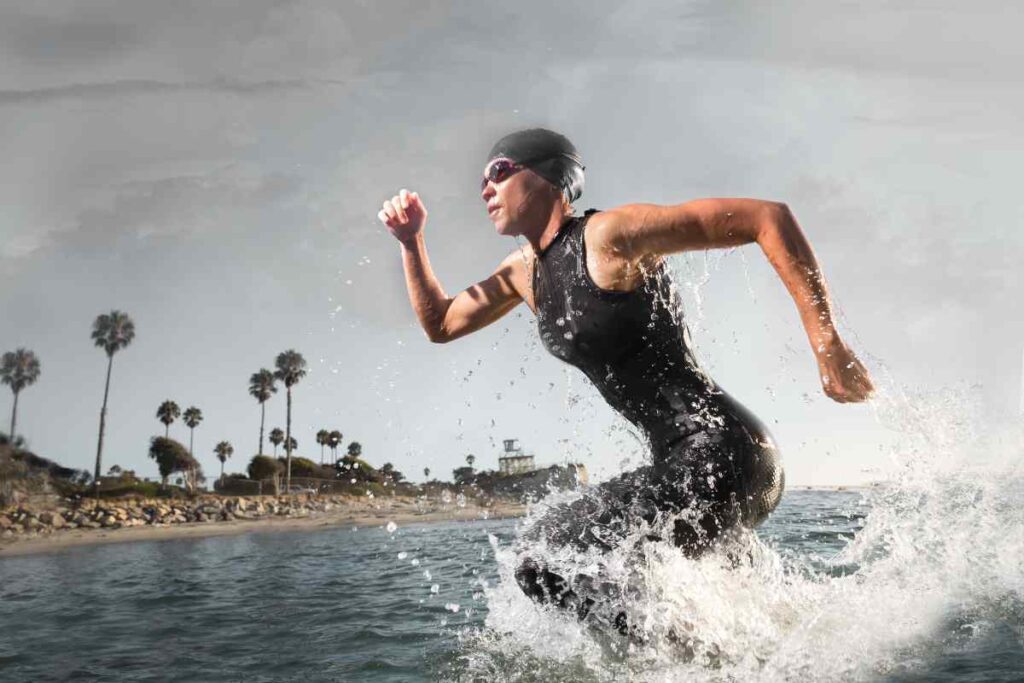
Embarking on a triathlon is an exhilarating challenge that combines swimming, biking, and running into one of the most demanding endurance events.
The thrill of pushing your limits and the feeling of crossing the finish line make all the work worth it.
Whether you're a seasoned athlete or a newcomer eager to test your endurance, proper training is essential to maximize your performance and minimize the risk of injury.
This guide walks you through the key steps to train for a triathlon so you're ready for what's ahead.
Understanding the Basics
Consists of three distinct segments: swimming, biking, and running. Each segment requires specific training techniques to build endurance, strength, and skill.
Understanding the unique demands of each discipline is crucial for developing a balanced training regimen. Here’s a breakdown of what to focus on:
- Swimming: Technique and stamina are key. Practice different strokes, improve your breathing, and build up your distance gradually.
- Biking: Focus on both endurance and strength. Work on your cycling technique, hill climbs, and speed.
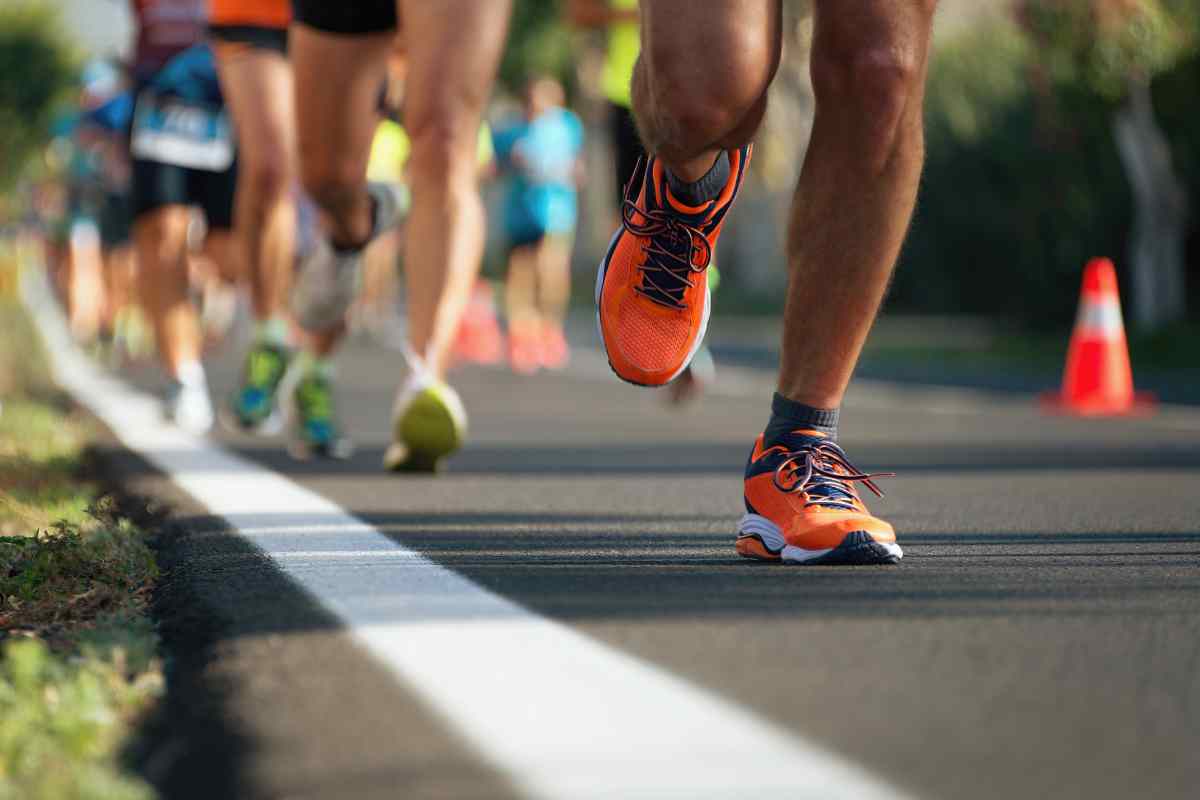
- Running: Emphasize both speed and endurance. Incorporate intervals, long runs, and recovery sessions.
Setting Up Your Training Plan
Creating a structured training plan is essential for successful triathlon preparation. Follow these steps to build your plan:
- Assess Your Fitness Level: Before starting your training, evaluate your current fitness level. This will help you set realistic goals and tailor your plan accordingly.
- Set Specific Goals: Define what you want to achieve in your triathlon. Goals can range from completing the race to achieving a personal best time.
- Choose a Training Schedule: Depending on your current fitness level and goals, choose a training schedule that fits your needs. Typically, a triathlon training plan spans 12 to 20 weeks.
- Incorporate All Three Disciplines: Ensure your training plan includes swimming, biking, and running. Balance your workouts to avoid overtraining and burnout.
- Include Rest and Recovery: Rest days are crucial for muscle recovery and injury prevention. Incorporate rest days and active recovery sessions into your plan.
Building Your Swimming Endurance

Swimming is often the most challenging part of a triathlon for many athletes. To improve your swimming endurance:
- Work on Technique: Proper technique is essential for efficiency and speed. Consider working with a coach or taking swimming lessons to refine your strokes.
- Increase Distance Gradually: Start with shorter swims and gradually increase the distance. Aim to swim at least twice a week.
- Incorporate Interval Training: Use interval training to build speed and stamina. Swim short distances at a high intensity with rest periods in between.
- Practice Open Water Swimming: If your triathlon includes an open water swim, practice in similar conditions to get accustomed to the environment.
Enhancing Your Biking Skills
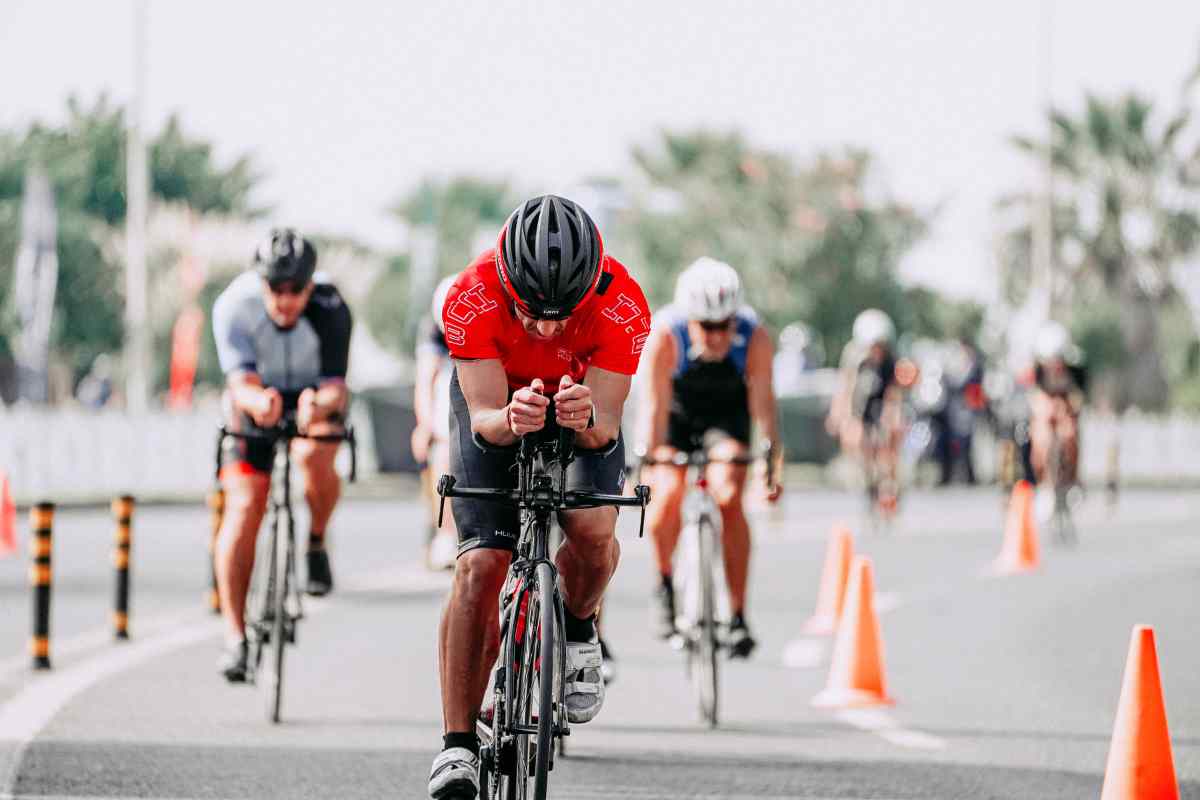
Cycling is a crucial component of triathlon training. To enhance your biking skills:
- Build Endurance: Incorporate long rides into your training to build endurance. Aim for a mix of steady-state and interval rides.
- Improve Strength: Include hill climbs and interval training to build leg strength and power.
- Focus on Bike Handling: Practice bike handling skills, such as cornering and descending, to improve your efficiency and safety.
- Get Your Bike Fitted: Ensure your bike is properly fitted to prevent injuries and improve performance. Consider visiting a professional bike fitter.
Developing Your Running Stamina
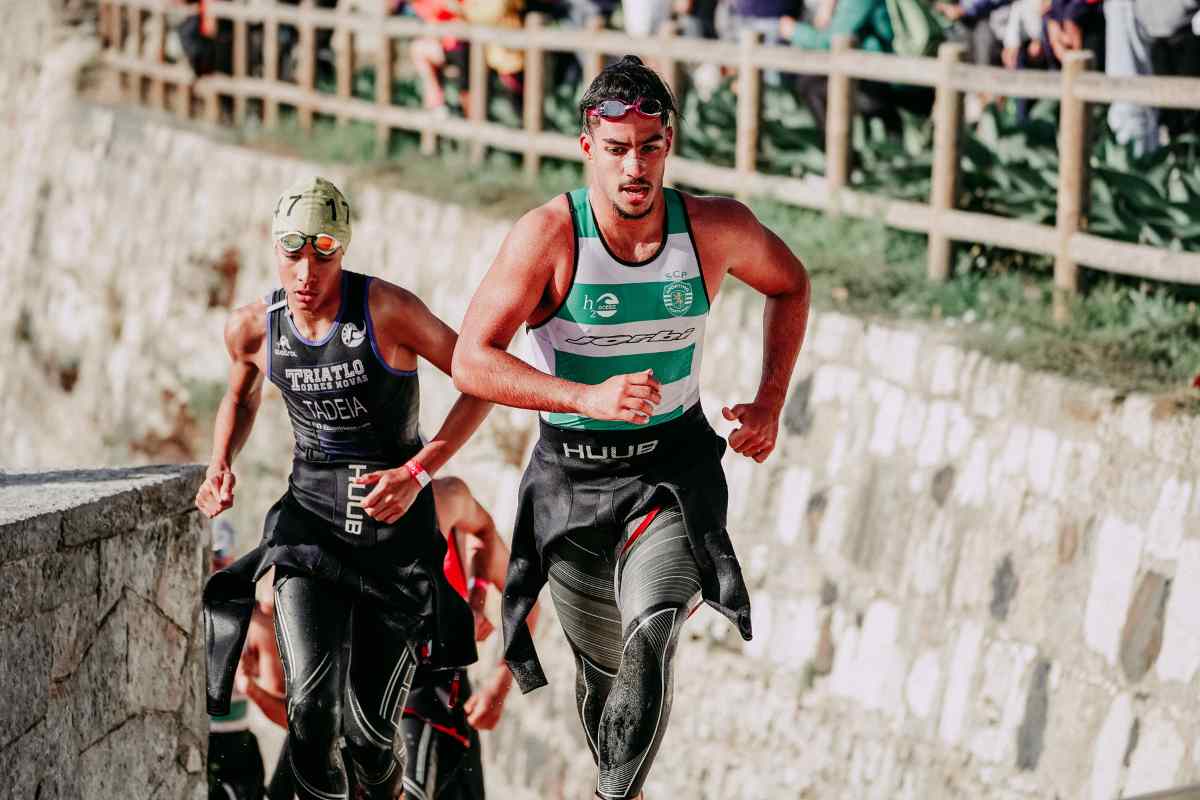
Running is the final and often the most challenging segment of a triathlon. To develop your running stamina:
- Build a Base: Start with a solid running base before increasing intensity. Incorporate long, slow runs to build endurance.
- Add Speed Work: Include interval training and tempo runs to improve speed and efficiency.
- Practice Brick Workouts: Perform brick workouts, which involve transitioning from biking to running, to simulate race conditions.
- Focus on Recovery: Proper recovery is vital to prevent injuries and maintain performance. Include rest days and recovery runs in your plan.
Nutrition and Hydration Strategies
Proper nutrition and hydration are critical for triathlon training. Follow these strategies:
- Eat a Balanced Diet: Ensure your diet includes a mix of carbohydrates, proteins, and fats to fuel your workouts and aid recovery.
- Hydrate Well: Stay hydrated before, during, and after workouts. Use sports drinks for longer sessions to replenish electrolytes.
- Practice Race-Day Nutrition: Experiment with different foods and drinks during training to find what works best for you on race day.
Mental Preparation and Race Strategy
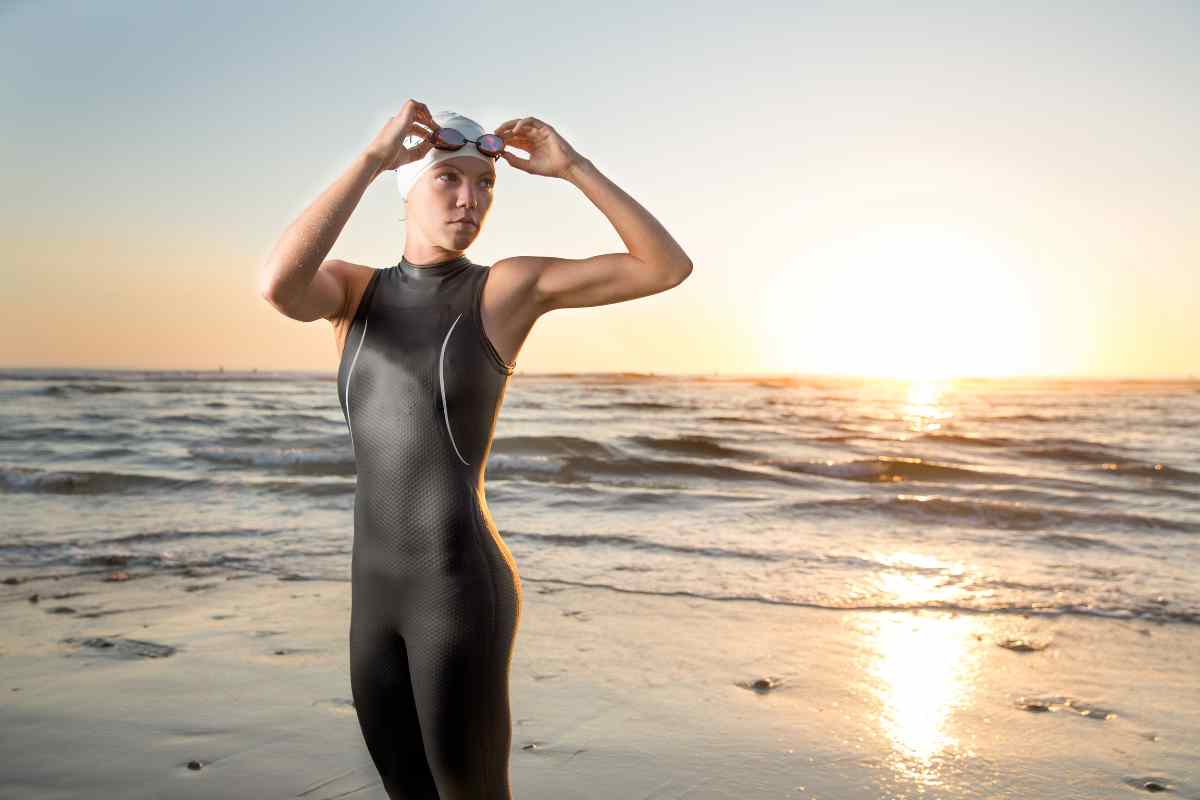
Mental preparation is as important as physical training. Consider these strategies:
- Visualize Success: Regularly visualize yourself completing the race successfully. This can boost confidence and reduce anxiety.
- Develop a Race Strategy: Plan how you will pace yourself and transition between disciplines. Familiarize yourself with the racecourse and conditions.
- Stay Positive: Focus on positive affirmations and self-talk to maintain motivation and confidence throughout your training.
Embrace the Journey and Achieve Your Best
Training for a triathlon is a thrilling and challenging endeavor that requires dedication, planning, and perseverance.
By following this step-by-step guide, you can build the necessary endurance, strength, and skills to excel in your triathlon.
Remember to stay focused on your goals, maintain a balanced training regimen, and take care of your body with proper nutrition and recovery.
Enjoy the process, have fun with your training, and savor that feeling of accomplishment as you cross the finish line.
With determination and the right training, you’ll be ready to tackle the thrill of a triathlon and achieve your personal best.
Did you find this post useful or inspiring? Save THIS PIN for later in your Outdoor Board on Pinterest! 😊

Explore these outdoor tips too