
A Beginner’s Blueprint for Navigating Difficult Trails

Navigating difficult trails can be a challenging yet rewarding adventure for beginner hikers.
The allure of conquering rugged terrains, steep ascents, and unpredictable weather makes it an exciting prospect for those looking to push their limits.
However, proper preparation and knowledge are crucial to ensure safety and enjoyment.
In this comprehensive guide, we’ll provide a beginner’s blueprint to effectively navigate difficult trails, offering practical tips and essential advice to make your hiking experience both safe and fulfilling.
Essential Tips for Beginners
When navigating difficult trails, the key to success lies in preparation and understanding the specific challenges you may encounter.
Here are some fundamental tips to help you tackle these trails with confidence:
1. Plan Your Route Thoroughly
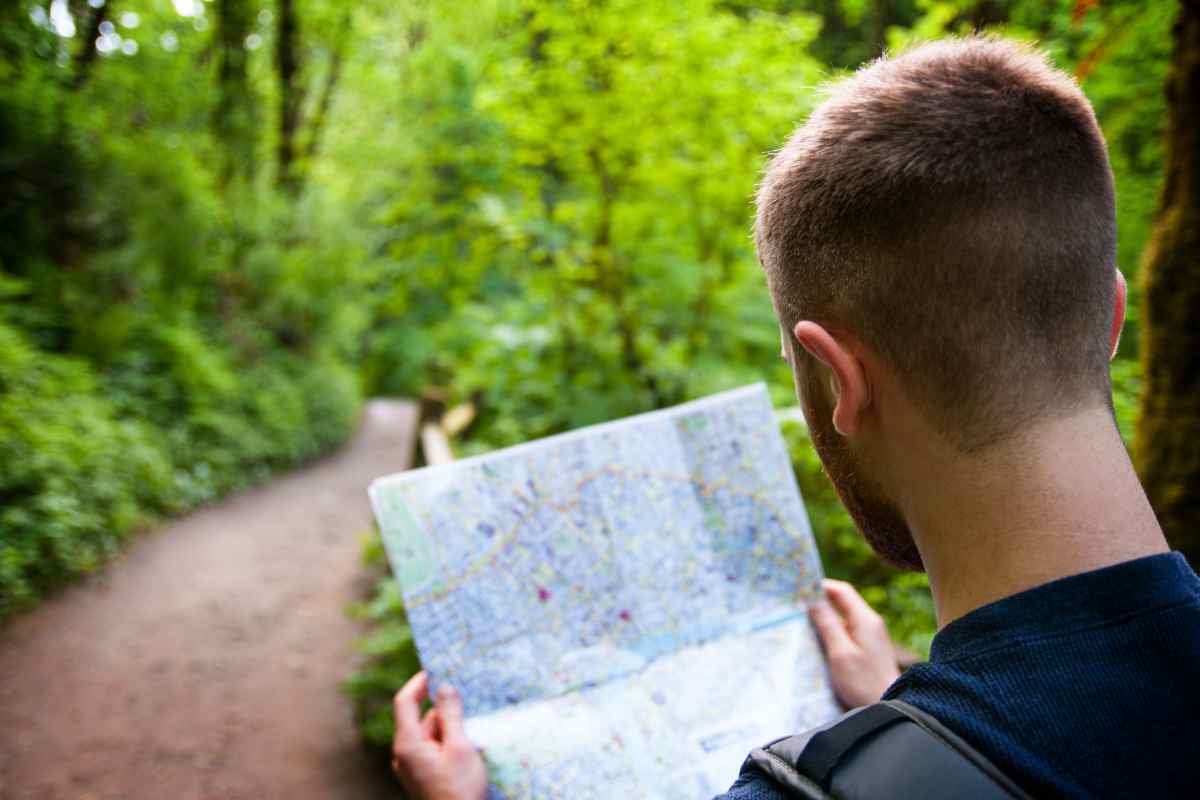
Before setting out on a challenging trail, it's crucial to plan your route meticulously. Use reliable sources such as trail maps, guidebooks, and online reviews to understand the trail’s difficulty, length, and potential hazards.
Websites and apps like AllTrails or Gaia GPS provide detailed information and user reviews that can help you gauge what to expect. Familiarize yourself with landmarks, water sources, and emergency exit points.
2. Check Weather Conditions
Weather can significantly impact your hiking experience, especially on difficult trails. Always check the weather forecast before you head out and be prepared for sudden changes.
In mountainous regions, weather conditions can change rapidly, so pack appropriate clothing and gear for both warm and cold weather. Rain gear and layered clothing are essential to adapt to varying conditions.
3. Wear the Right Gear
The right gear can make a significant difference in your comfort and safety on difficult trails. Invest in high-quality hiking boots with good ankle support and traction.
A comfortable backpack with proper weight distribution will help you carry essential supplies without straining yourself. Don’t forget to include a map, compass, first aid kit, and emergency whistle in your gear.
4. Start with Shorter Trails
If you're new to hiking difficult trails, begin with shorter and less challenging routes to build your skills and confidence.
Gradually increase the difficulty and length of your hikes as you become more experienced. This progressive approach helps your body adapt to the physical demands and minimizes the risk of injury.
5. Learn Basic Navigation Skills
Understanding basic navigation skills is essential for navigating difficult trails. Familiarize yourself with how to read a topographic map and use a compass.
Learning how to interpret trail markers and signs is also crucial. In areas with poor visibility or dense vegetation, these skills become even more important.
6. Practice Good Trail Etiquette
Good trail etiquette ensures a positive experience for everyone. Follow the Leave No Trace principles by packing out all trash and minimizing your impact on the environment.
Yield to faster hikers and mountain bikers, and stay on designated trails to preserve the natural habitat.

7. Stay Hydrated and Energized
Proper hydration and nutrition are vital for maintaining your energy levels during a hike. Carry sufficient water and high-energy snacks to keep yourself hydrated and fueled.
Plan for regular breaks to rest, hydrate, and enjoy your surroundings.
8. Know Your Limits
Understanding and respecting your limits is crucial for safe hiking. Don’t push yourself beyond your capabilities, especially on difficult trails.
If you feel fatigued or unwell, it’s better to turn back and try another day. Listen to your body and be prepared to adjust your plans if necessary.
Navigating Difficult Trails: Safety Precautions
Safety should always be a top priority when navigating difficult trails. Here are some additional safety precautions to keep in mind:
1. Inform Someone of Your Plans
Before setting out on a hike, inform a friend or family member of your planned route, estimated return time, and any other relevant details.
This ensures that someone will know your whereabouts and can alert authorities if you fail to return as expected.
2. Carry a First Aid Kit
A well-stocked first aid kit is a must-have for any hike. Include essentials such as adhesive bandages, antiseptic wipes, pain relievers, and blister treatment.
Familiarize yourself with basic first aid procedures, such as how to treat cuts, sprains, and blisters.
3. Prepare for Emergencies
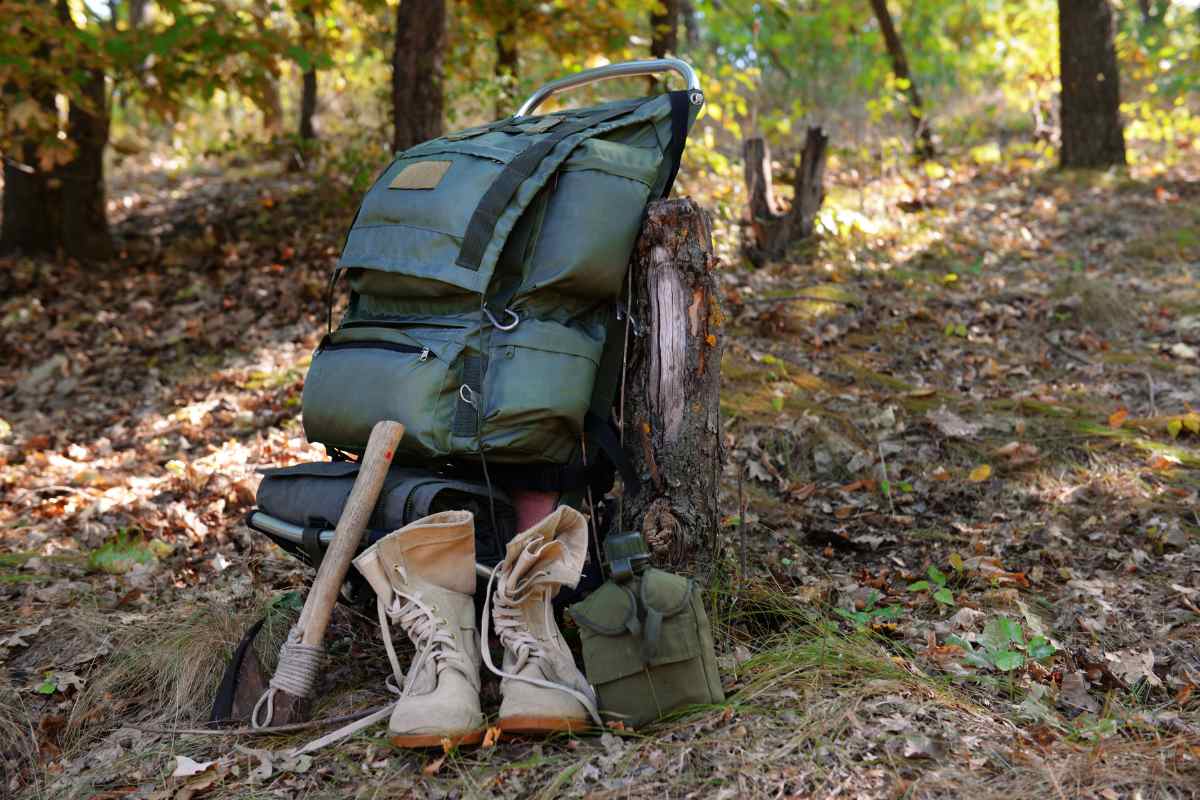
In addition to a first aid kit, carry a whistle, multi-tool, and emergency blanket. A whistle can be used to signal for help, while a multi-tool can be handy for various tasks.
An emergency blanket provides warmth if you get caught in adverse weather conditions.
4. Follow Trail Markers and Signs
Adhering to trail markers and signs is essential for staying on the correct path. In unfamiliar areas, follow blazes, cairns, and trail markers to avoid getting lost.
If you’re unsure about your location, consult your map or GPS device.
5. Know How to Handle Wildlife Encounters
Encounters with wildlife can be an exciting part of hiking, but they also require caution.
Learn how to handle common wildlife encounters, such as bears or snakes, and carry bear spray if hiking in bear country. Make noise to avoid surprising animals and store food securely.

Blueprint for Navigating Difficult Trails
Embarking on a hike through difficult trails can be an exhilarating adventure, but it requires careful preparation and knowledge.
By following this beginner’s blueprint for navigating difficult trails, you’ll be well-equipped to handle the challenges and enjoy the beauty of nature.
Remember to plan your route, wear the right gear, stay hydrated, and prioritize safety. With these tips in mind, you’ll be ready to tackle even the most demanding trails with confidence and enjoyment.
Happy hiking, and may your adventures be safe and memorable!
Did you find this post useful or inspiring? Save THIS PIN for later in your Outdoor Board on Pinterest! 😊

Explore these outdoor tips too