
Building a Hiking Routine: From Weekend Walks to Mountain Treks
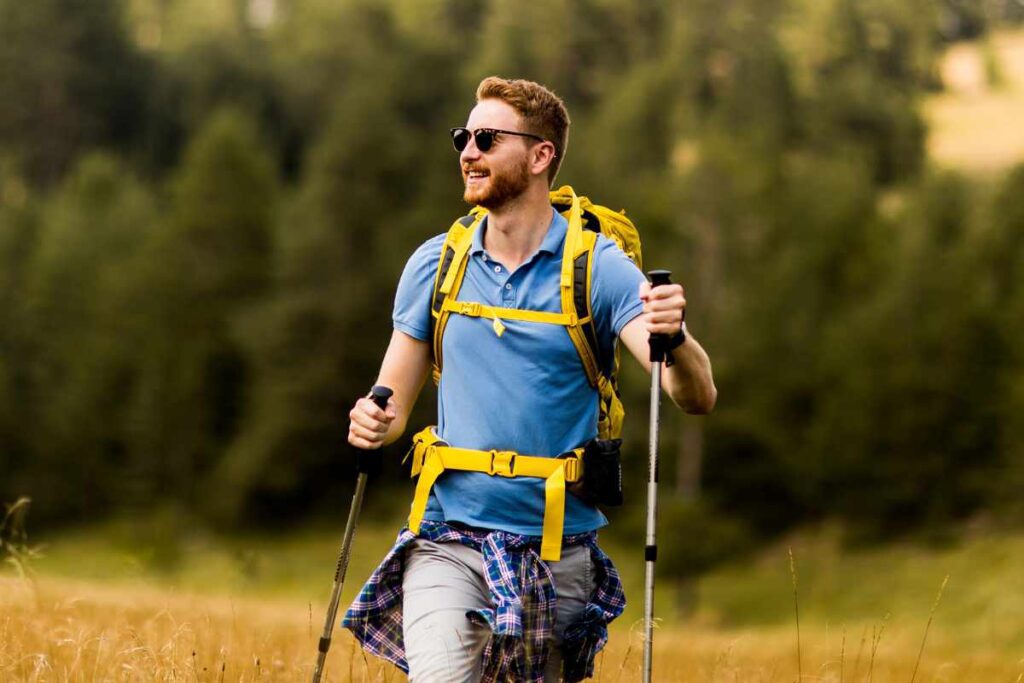
Establishing a hiking routine can transform casual weekend walks into ambitious mountain treks. Whether you're new to hiking or a seasoned explorer, developing a structured routine helps build endurance, strength, and confidence.
In this article, we'll explore how to gradually increase your hiking capacity, integrate essential training elements, and enjoy the process of exploring nature.
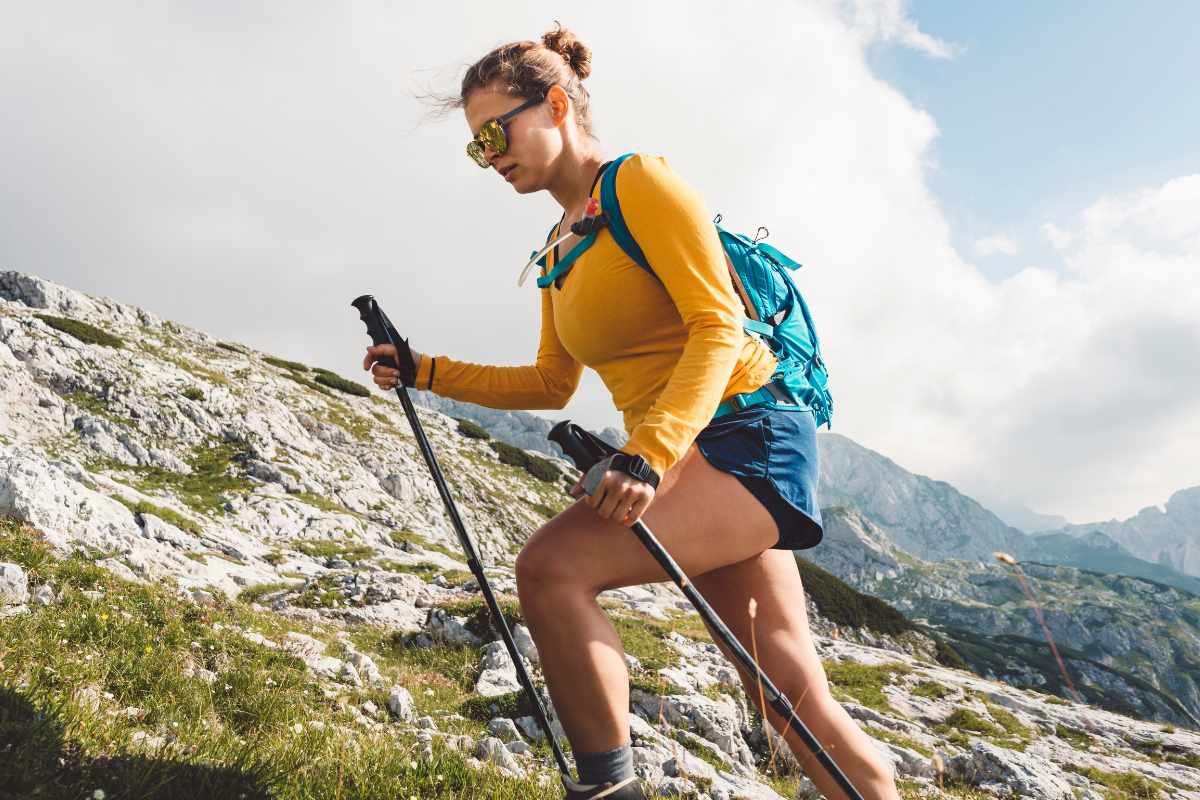
Getting Started with a Hiking Routine
Understanding the Basics of a Hiking Routine
A hiking routine is more than just hitting the trails; it involves a structured plan that enhances your physical conditioning, knowledge, and experience.
Starting with shorter, easier hikes is crucial for building a foundation. This not only helps in developing physical fitness but also allows you to become familiar with basic hiking gear and safety practices.
Setting Realistic Goals
Before diving into longer or more challenging hikes, set realistic goals based on your current fitness level and experience.
Start with weekend walks in local parks or nature reserves, gradually increasing the distance and difficulty. This approach prevents injury and builds confidence.
Essential Gear for Beginners
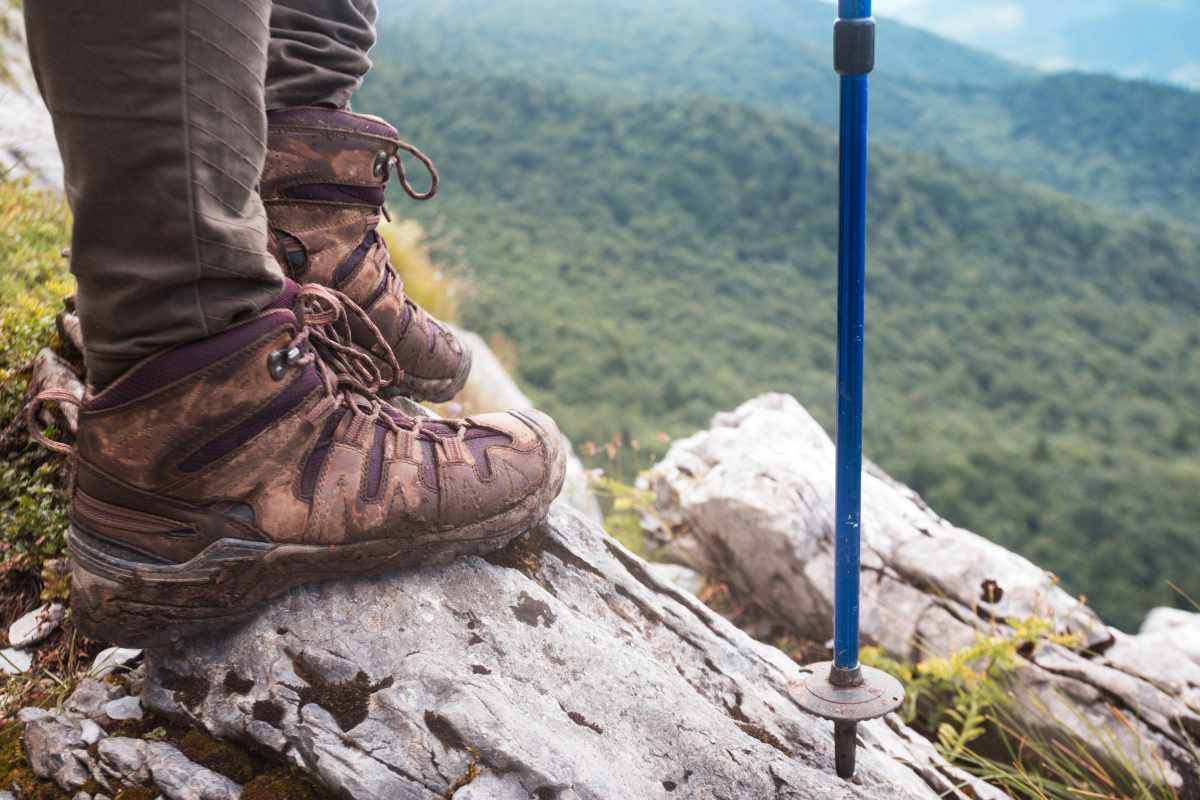
Invest in basic gear such as comfortable hiking shoes, a backpack, and appropriate clothing. As you progress, you can expand your equipment to include items like trekking poles, hydration systems, and specialized clothing for different weather conditions.

Progressing Your Hiking Routine
Gradually Increasing Intensity
As you get comfortable with regular hiking, it's time to challenge yourself. Increase the difficulty of trails by choosing routes with more elevation gain or rougher terrain.
This progression is essential for building the endurance needed for more demanding hikes, such as mountain treks.
Incorporating Cross-Training
To enhance your hiking abilities, incorporate cross-training activities such as strength training, cardio exercises, and flexibility workouts.
Strength training, particularly for the legs and core, helps in managing steep ascents and descents, while cardio exercises improve overall stamina.
Nutrition and Hydration
Proper nutrition and hydration are vital components of a successful hiking routine. Understanding what your body needs before, during, and after hikes can significantly impact your performance and recovery.
Pre-Hike Nutrition
Fueling your body with the right nutrients before a hike ensures you have the energy to sustain your activity. Focus on complex carbohydrates and protein-rich meals to provide sustained energy.
Hydration Strategies
Dehydration can impair performance and increase the risk of heat-related illnesses. Develop a hydration plan that includes carrying enough water and using hydration packs or water bottles. For longer hikes, consider using water purification methods to replenish your supplies from natural sources.
Preparing for Mountain Treks
Advanced Training for Mountain Treks
Mountain treks require a higher level of fitness and preparation. As part of your hiking routine, incorporate exercises that simulate the conditions you'll face, such as steep inclines and varying terrains.
Altitude Training
If your trek involves high altitudes, consider altitude training to acclimate your body to lower oxygen levels. This can be done through hikes at higher elevations or specific training masks that simulate these conditions.
Technical Skills and Safety
Mountain trekking often involves navigating challenging terrain and unpredictable weather conditions. Equip yourself with technical skills such as navigation, first aid, and survival techniques.
Navigation Skills
Learning how to read topographic maps, use a compass, and operate a GPS device are crucial for navigating mountainous areas where trails may not be well-marked.
First Aid and Safety
Carry a comprehensive first aid kit and learn basic first aid skills. Understanding how to treat common injuries, recognize symptoms of altitude sickness, and administer CPR can be lifesaving in remote areas.
Enjoying the Journey
Embracing the Outdoor Experience
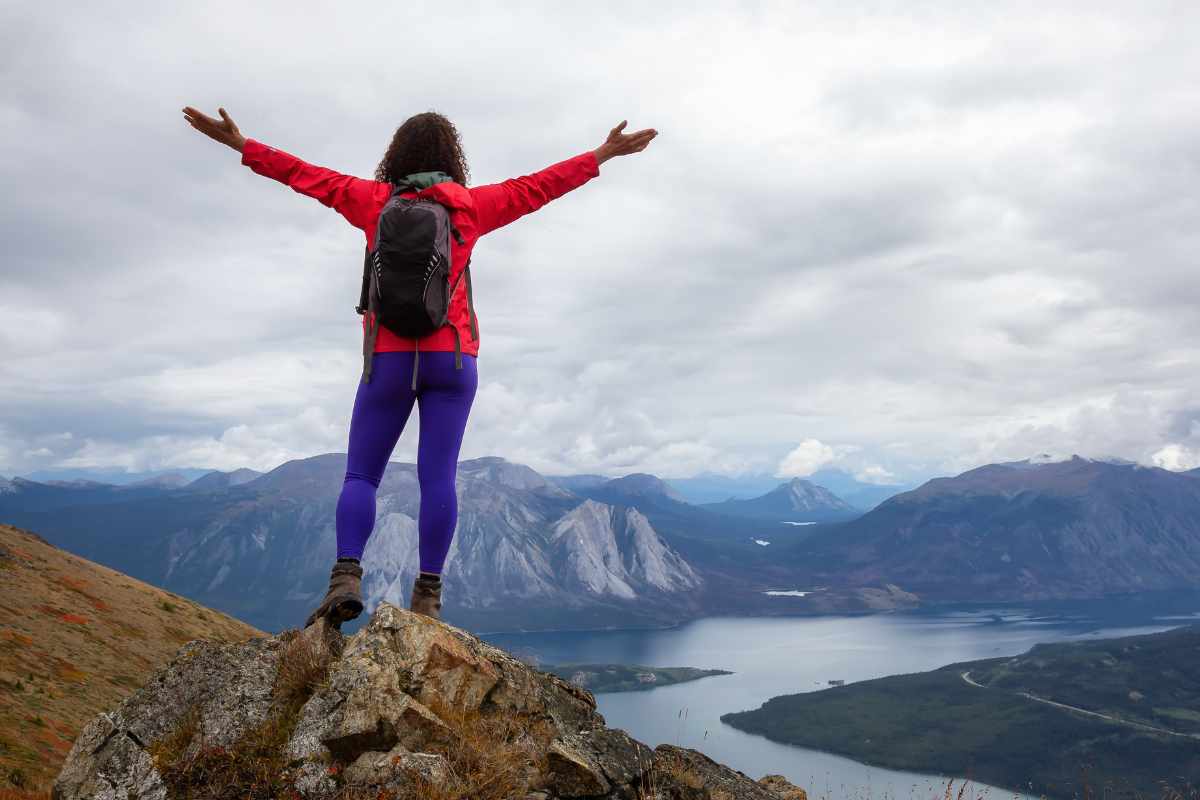
While building a hiking routine aims to improve fitness and prepare for challenging treks, it's also about enjoying the beauty of nature. Take time to appreciate the landscapes, wildlife, and serenity that hiking offers.
Joining a Hiking Community
Engage with local hiking groups or online communities to share experiences, tips, and motivation. These connections can provide valuable insights into new trails and safety practices.
Reflecting on Personal Growth
Hiking not only enhances physical fitness but also promotes mental well-being. Reflect on how your hiking routine has helped you develop resilience, patience, and a deeper connection with nature.

Conclusion on the Hiking Routine
Building a hiking routine is a journey that starts with simple walks and can lead to breathtaking mountain treks.
By setting realistic goals, gradually increasing the intensity of your hikes, and incorporating cross-training and proper nutrition, you can significantly enhance your hiking abilities.
Preparing for mountain treks requires additional training and skills, but the rewards are well worth the effort.
Ultimately, hiking is about more than physical challenge; it's an opportunity to connect with nature, meet like-minded individuals, and discover new aspects of yourself.
Whether you're walking through local trails or scaling mountain peaks, the experiences and memories created along the way are invaluable.
Did you find this post useful or inspiring? Save THIS PIN for later in your Outdoor Board on Pinterest! 😊

Explore these outdoor tips too