
How Can You Stay Safe While Hiking in Remote Areas?
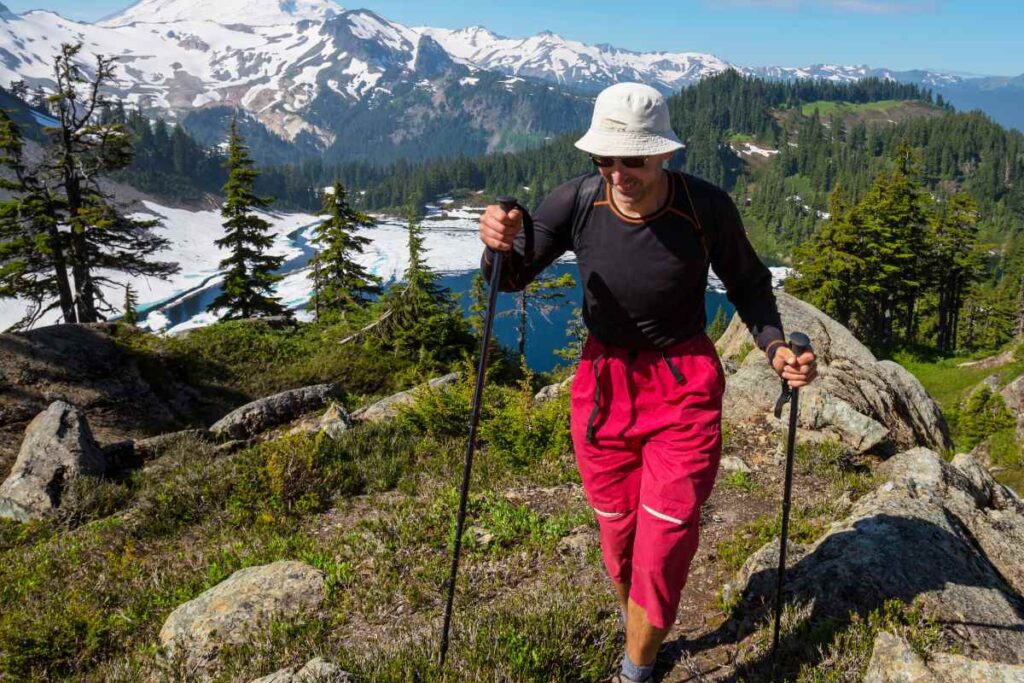
Hiking in remote areas can be a rewarding experience, offering a chance to connect with nature and escape the hustle and bustle of daily life. However, it also presents unique challenges and risks.
Understanding how to stay safe while hiking in remote areas is crucial for ensuring that your adventure is both enjoyable and secure.
Stay Safe While Hiking in Remote Areas: Preparation is Key
Proper preparation is the cornerstone of staying safe while hiking in remote areas. Before embarking on your hike, it's essential to research your destination thoroughly.
Familiarize yourself with the terrain, weather conditions, and local wildlife. Ensure you have a detailed map and understand the trail you're planning to hike.
Plan Your Route
Knowing your route in advance can significantly enhance your safety. Share your itinerary with someone who is not going on the hike.
This person should know your expected start and finish times and your planned route. In case of an emergency, having someone aware of your whereabouts can be a lifesaver.
Check the Weather
Weather conditions can change rapidly in remote areas. Always check the weather forecast before you leave and be prepared for sudden changes.
Pack appropriate clothing to handle rain, cold, or heat, and be aware of signs of hypothermia or heat exhaustion.
Gear Up Appropriately
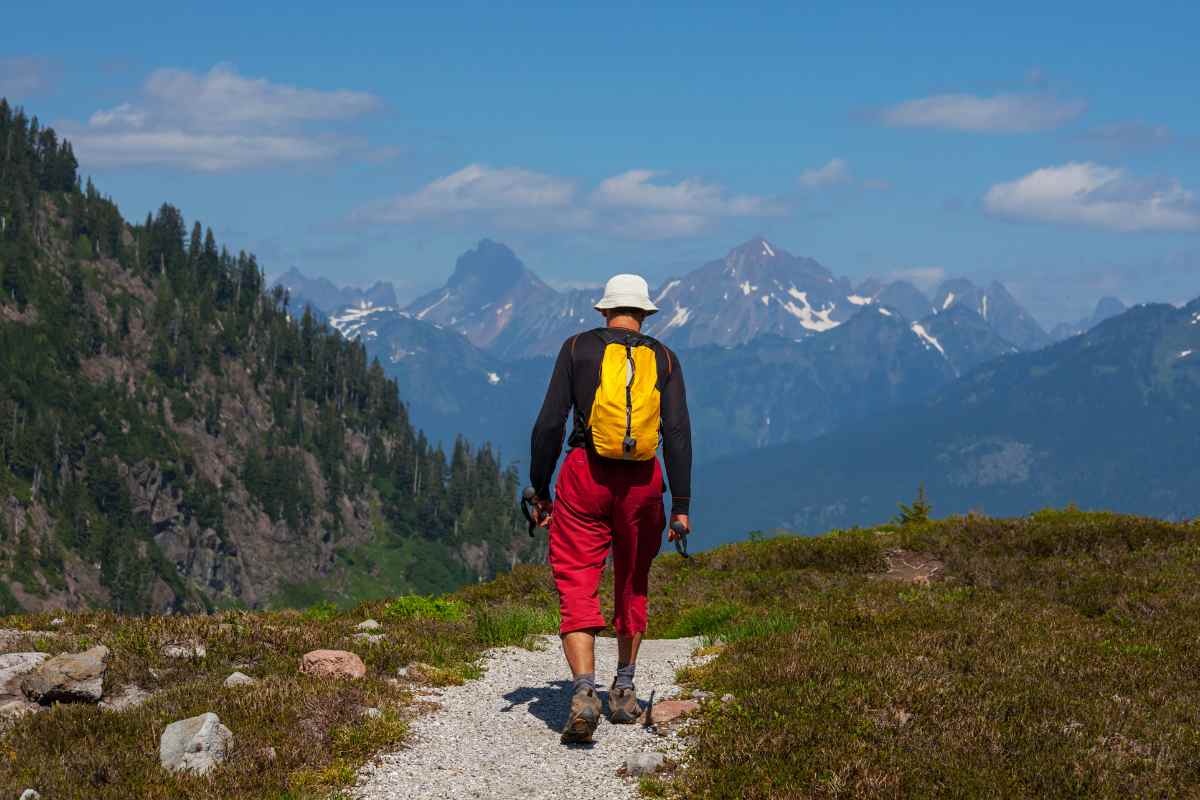
Having the right gear can make a significant difference in your safety and comfort while hiking in remote areas.
Essential Gear
- Navigation Tools: Always carry a map and compass, even if you have a GPS device. Batteries can die, and electronic devices can fail.
- First Aid Kit: A comprehensive first aid kit is essential. Include items like bandages, antiseptics, and any personal medications.
- Proper Footwear: Sturdy, well-fitting hiking boots can prevent blisters and provide the support needed for rough terrain.
- Hydration and Nutrition: Carry enough water for your hike and a little extra. Pack high-energy snacks like nuts, dried fruit, and energy bars.
Clothing
Dress in layers so you can adjust to changing weather conditions. Moisture-wicking fabrics are excellent for keeping sweat away from your body, and insulating layers can help keep you warm. Always carry a rain jacket, even if the forecast is clear.
Safety in Numbers
Hiking alone in remote areas can be risky. If possible, hike with a group. There is safety in numbers, as help is readily available if someone gets injured.
If you do hike alone, take extra precautions like carrying a personal locator beacon (PLB) and ensuring someone knows your plans.
Stay on Marked Trails
Staying on marked trails is crucial. Wandering off the trail can lead to getting lost and increases your risk of encountering dangerous wildlife or unstable terrain. Follow trail markers and signs, and avoid shortcuts.
Wildlife Awareness
Remote areas are often home to various wildlife. While encountering animals can be exciting, it's essential to know how to stay safe.
Understand Local Wildlife
Research the wildlife in the area you'll be hiking. Know what animals you might encounter and learn how to react if you do.
For example, knowing the difference between a black bear and a grizzly bear and the appropriate responses can be lifesaving.
Store Food Properly
Improperly stored food can attract wildlife to your campsite. Use bear-proof containers and hang food bags high off the ground. Never leave food scraps or trash behind.

Emergency Preparedness
Being prepared for emergencies is a vital part of staying safe while hiking in remote areas.
Know Basic First Aid
Understanding basic first aid can help you handle minor injuries and stabilize a situation until help arrives. Take a first aid course before your hike and ensure you know how to use everything in your first aid kit.
Carry Communication Devices
In remote areas, cell phone coverage can be unreliable. Carry a satellite phone or a personal locator beacon (PLB) to call for help if needed. These devices can send your location to rescuers even if you're out of cell phone range.
Fire Safety
If you plan to build a fire, ensure you know how to do it safely. Keep fires small and never leave them unattended. Make sure you have a way to put the fire out completely before you leave your campsite.
Hydration and Nutrition
Proper hydration and nutrition are crucial for maintaining energy levels and avoiding health issues while hiking.
Stay Hydrated
Drink water regularly to stay hydrated. Dehydration can cause serious health issues, including dizziness, headaches, and heat exhaustion. Carry a water filter or purification tablets if you plan to refill from natural sources.
Eat High-Energy Foods
Pack foods that provide sustained energy. Include a mix of carbohydrates, proteins, and fats. Nuts, dried fruits, jerky, and energy bars are excellent options. Avoid foods that can spoil quickly in hot weather.
Environmental Responsibility
Respecting the environment is part of being a responsible hiker. Leave no trace principles help preserve natural areas for future generations.
Pack Out What You Pack In
Everything you bring with you should be packed out, including trash and food scraps. Leave the trail cleaner than you found it.
Respect Wildlife
Observe animals from a distance and do not disturb their natural behaviors. Feeding wildlife can create dependency and lead to dangerous interactions.
Stay Alert and Aware
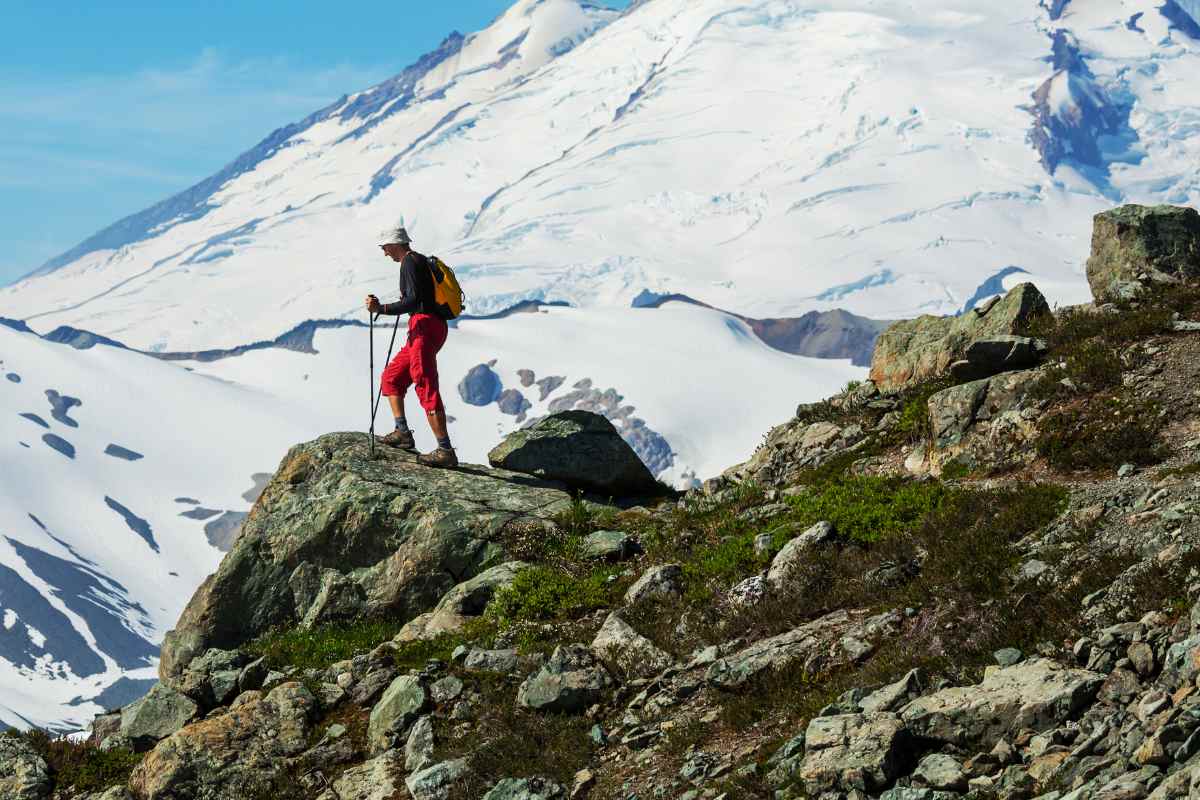
While hiking, it's essential to stay alert and aware of your surroundings. Keep an eye on the trail ahead and be mindful of any changes in the weather or terrain.
Listen to Your Body
Pay attention to how your body feels. Rest when you need to, and do not push yourself beyond your limits. Fatigue can lead to mistakes and accidents.
Stay Calm in Emergencies
If something goes wrong, staying calm is crucial. Assess the situation and think through your options before taking action. Panicking can make a bad situation worse.
Stay Safe While Hiking in Remote Areas
Hiking in remote areas offers an incredible opportunity to explore the natural world, but it requires careful planning and awareness to ensure safety.
By preparing adequately, carrying the right gear, respecting wildlife, and staying aware of your surroundings, you can stay safe while hiking in remote areas. Remember, the goal is to enjoy your adventure and return home safely. Happy hiking!
Did you find this post useful or inspiring? Save THIS PIN for later in your Outdoor Board on Pinterest! 😊

Explore these outdoor tips too