
How Do Adventure Sports Impact Mental Health?

In recent years, adventure sports have become much more popular, drawing people in with their exciting experiences and challenges.
From rock climbing and skydiving to surfing and mountain biking, these activities offer more than just physical thrills.
They can significantly influence mental health in various ways, both positively and negatively. Understanding these impacts can help enthusiasts make informed decisions about their participation in these high-energy activities.
Unpacking the Connection Between Adventure Sports and Mental Health
Adventure sports are known for their ability to push individuals out of their comfort zones and into high-stakes environments.
This process can have profound effects on mental health. On one hand, the sense of achievement and the rush of adrenaline from conquering challenges can lead to enhanced mood and self-esteem.
On the other hand, the pressures and risks associated with these sports can introduce new stressors and anxieties.
By examining the connection between adventure sports and mental health, we can gain insights into how these activities contribute to emotional well-being and how to address potential drawbacks.
The Positive Impacts

Stress Reduction and Anxiety Relief
One of the most notable benefits of adventure sports is their ability to reduce stress and alleviate anxiety.
Engaging in activities like white-water rafting or bungee jumping triggers the release of endorphins, the body's natural mood lifters.
This release helps counteract stress hormones like cortisol, leading to a more relaxed and positive state of mind.
Furthermore, the immersive nature of adventure sports provides a mental escape from daily pressures.
The focus required to navigate complex environments or tackle challenging courses forces participants to live in the moment, effectively diverting attention away from stressors and anxieties.
Enhanced Self-Esteem and Confidence
Participating in adventure sports can also boost self-esteem and confidence. Overcoming physical and mental challenges in activities such as mountain climbing or surfing fosters a sense of accomplishment and personal growth.
Each successful climb or perfect wave reinforces a positive self-image and instills confidence in one's abilities.
The process of setting and achieving goals within these sports further contributes to this boost in self-esteem.
Whether it's conquering a difficult climb or mastering a new trick, each achievement builds a stronger belief in one's capacity to tackle future challenges.
Improved Mental Resilience
Adventure sports are inherently demanding, requiring mental toughness and resilience. The challenges faced in these activities, such as navigating unpredictable weather or overcoming physical exhaustion, help develop coping strategies and mental endurance.
These skills can translate into improved resilience in everyday life, aiding individuals in managing stress and overcoming obstacles more effectively.
Social Connections and Community
Another positive impact of adventure sports is the opportunity to form social connections and build a sense of community.
Many of these activities are group-oriented or involve social interaction, creating bonds between participants who share similar interests and experiences.
This social aspect can combat feelings of isolation and loneliness, contributing to overall mental well-being.
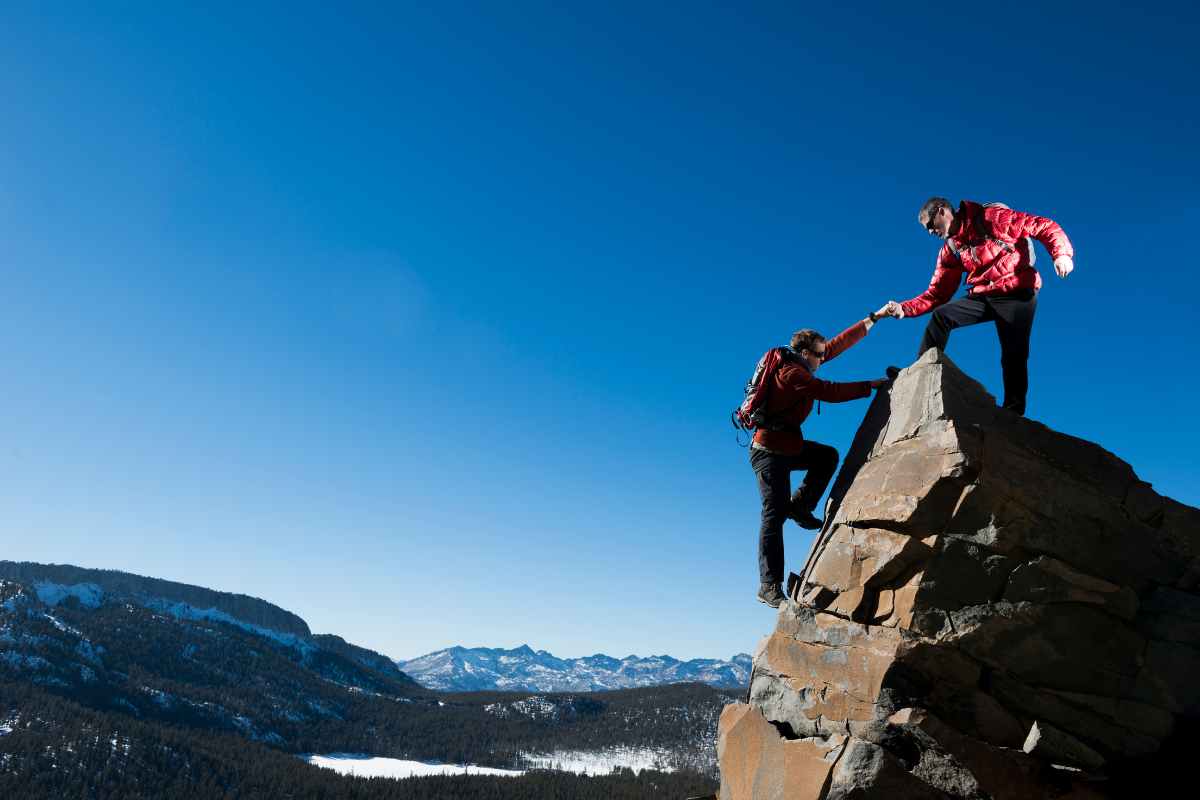
Group activities like rock climbing or trail running often involve teamwork and mutual support, fostering a sense of camaraderie and belonging.
These social connections can provide emotional support and enhance mental health by reducing feelings of loneliness and promoting a sense of community.
The Potential Negative Impacts
Risk of Injury and Associated Stress
While the physical challenges of adventure sports can be rewarding, they also carry inherent risks. The possibility of injury or accidents can lead to significant stress and anxiety.
The fear of potential harm or the aftermath of an injury can impact mental health, leading to heightened levels of stress and worry.
The recovery process following an injury can also be mentally challenging. Individuals may experience frustration, depression, or anxiety during their rehabilitation period, particularly if it affects their ability to participate in the sports they enjoy.
Pressure and Performance Anxiety
For some participants, the pressure to perform at a high level can contribute to performance anxiety.
The desire to meet personal or competitive standards in adventure sports can create stress and negatively impact mental health.
This pressure to excel can lead to feelings of inadequacy or burnout, particularly if expectations are not met.
Competitive settings, in particular, may amplify these pressures. Athletes may experience heightened stress levels related to competition, which can affect their mental well-being and overall enjoyment of the sport.
Fear of Failure and Self-Doubt
Engaging in adventure sports often involves facing fears and stepping out of one's comfort zone. While this can be empowering, it may also trigger self-doubt and fear of failure.
The possibility of not meeting personal goals or struggling with a particular skill can lead to negative self-perceptions and impact mental health.
The fear of failure can be particularly challenging for those who set high expectations for themselves.
This fear can create additional stress and anxiety, potentially undermining the positive effects of the sport.
Balancing the Impact

To maximize the mental health benefits of adventure sports while mitigating potential negative impacts, consider the following strategies:
Set Realistic Goals
Setting achievable goals can help manage performance anxiety and reduce the risk of disappointment.
By focusing on personal progress rather than external comparisons, individuals can maintain a positive outlook and enjoy the sport without undue pressure.
Prioritize Safety
Ensuring proper training, using appropriate safety equipment, and following guidelines can minimize the risk of injury and associated stress.
Prioritizing safety helps maintain mental well-being by reducing fears and anxieties related to potential accidents.
Seek Support and Build Connections
Engaging with a supportive community and seeking social connections within the sport can enhance mental health.
Sharing experiences, celebrating achievements, and receiving encouragement from others can provide emotional support and foster a sense of belonging.
Practice Mindfulness and Relaxation Techniques
Incorporating mindfulness and relaxation techniques into the routine can help manage stress and anxiety.
Techniques such as meditation, deep breathing, and visualization can complement the physical aspects of adventure sports and promote overall mental well-being.

Conclusion
Adventure sports offer a dynamic range of experiences that can significantly impact mental health.
While they provide numerous benefits, including stress reduction, enhanced self-esteem, and improved mental resilience, they also come with potential challenges such as injury risk and performance anxiety.
By understanding these impacts and implementing strategies to balance them, participants can enjoy the positive aspects of adventure sports while safeguarding their mental health.
Whether you are a seasoned adventurer or a newcomer exploring these activities, it's crucial to approach adventure sports with awareness and mindfulness.
Embrace the thrill and challenge, but also take care to manage the associated stresses and maintain a healthy perspective on performance and safety.
Did you find this post useful or inspiring? Save THIS PIN for later in your Outdoor Board on Pinterest! 😊


Explore these outdoor tips too