
How Safe Are Extreme Sports Really?

Extreme sports have captivated the imagination of thrill-seekers around the globe, promising a rush of adrenaline and a sense of accomplishment.
But when it comes to extreme sports, how safe are they? This question is crucial for both seasoned athletes and newcomers looking to explore these high-risk activities.
In this post, we'll delve into the safety aspects of extreme sports, examining the risks involved, the measures taken to mitigate those risks, and how you can stay as safe as possible while enjoying these exhilarating pursuits.
Understanding the Risks of Extreme Sports
Encompass a variety of activities that involve a high level of physical risk and often require specialized equipment and training.
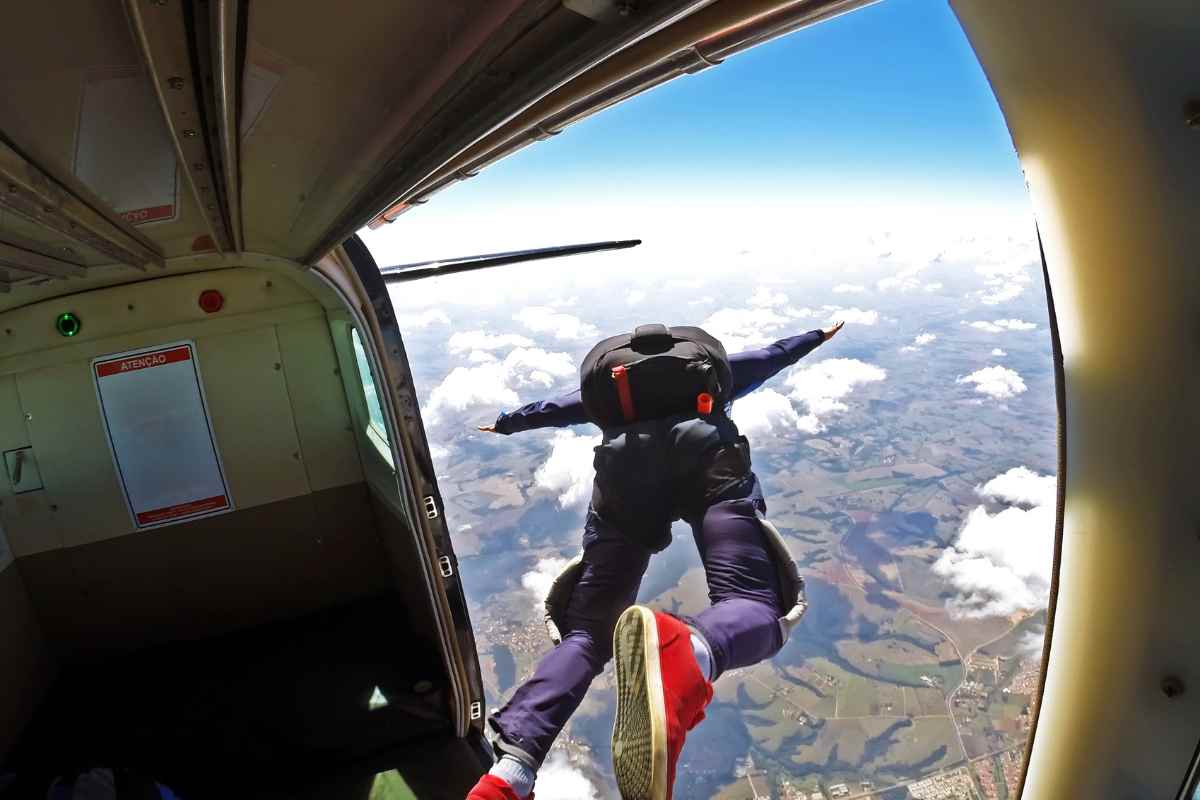
These activities include, but are not limited to, skydiving, base jumping, rock climbing, and big wave surfing.
The common thread among these sports is the inherent risk they pose, which can range from minor injuries to life-threatening situations.
Types of Risks
- Physical Injuries: One of the most immediate risks associated with extreme sports is physical injury. Extreme sports often involve high speeds, great heights, and challenging environments, all of which can lead to serious injuries if not managed properly. Common injuries include fractures, sprains, and concussions.
- Environmental Hazards: Many extreme sports take place in environments that are unpredictable and dangerous. For example, mountain climbing exposes athletes to the risk of avalanches and severe weather conditions, while surfing in big waves can lead to drowning or injury from collisions with the surfboard or ocean floor.
- Psychological Stress: The mental strain of participating in extreme sports should not be overlooked. The intense focus and high stakes can lead to psychological stress, which may affect an athlete’s decision-making and overall performance.
Safety Measures
One of the most effective ways to mitigate the risks of extreme sports is through thorough training and preparation.
Proper training helps athletes understand the nuances of their chosen sport and equips them with the skills needed to handle various scenarios.
- Professional Instruction: Taking lessons from certified instructors ensures that athletes learn the correct techniques and safety protocols. For example, in skydiving, learning how to properly execute a freefall and deploy the parachute can significantly reduce the risk of accidents.
- Physical Conditioning: Extreme sports often demand a high level of physical fitness. Athletes should engage in regular strength training, endurance exercises, and flexibility workouts to prepare their bodies for the demands of the sport.
Equipment and Safety Gear
Using the right equipment is crucial in reducing the risks associated with extreme sports.
The appropriate gear not only enhances performance but also protects in case of accidents.
- Helmets and Pads: For activities such as mountain biking and skateboarding, wearing helmets and protective pads can prevent severe head injuries and fractures.
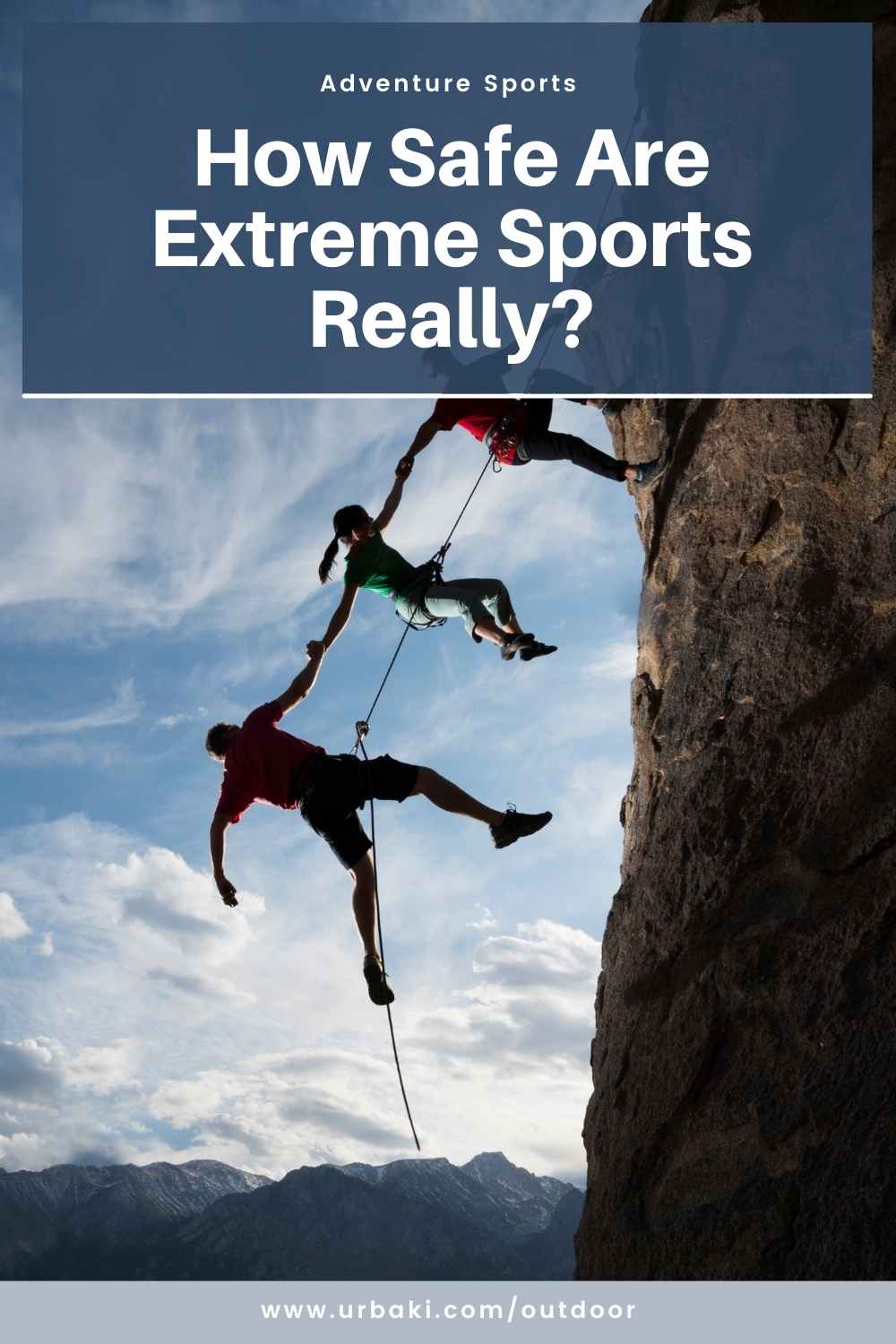
- Safety Harnesses and Ropes: In rock climbing, safety harnesses and ropes are essential for preventing falls and ensuring a secure climb. Regular inspection and maintenance of this equipment are vital for safety.
- Weather-Appropriate Gear: For sports that are affected by weather conditions, such as skiing or snowboarding, using weather-appropriate gear like insulated clothing and waterproof equipment can prevent hypothermia and other cold-related injuries.

Safety Protocols and Guidelines
Adhering to established safety protocols is another key aspect of minimizing risks.
These protocols are designed to manage the inherent dangers of extreme sports and are typically developed based on extensive research and experience.
- Emergency Procedures: Knowing what to do in case of an emergency is critical. Athletes should be familiar with emergency procedures and have a plan in place for various scenarios. For instance, mountain climbers should know how to perform a rescue in case of an accident.
- Risk Assessment: Before engaging in an extreme sport, athletes should conduct a thorough risk assessment of their environment and conditions. This includes checking weather forecasts, understanding terrain features, and evaluating personal skill levels.
The Role of Personal Responsibility
Personal responsibility plays a significant role in ensuring safety in extreme sports. Athletes must be self-aware and make informed decisions about their participation.
- Knowing Your Limits: Athletes should be honest about their skill levels and avoid attempting maneuvers or challenges beyond their abilities. Pushing oneself too hard can lead to accidents and injuries.
- Listening to Your Body: Paying attention to physical and mental well-being is essential. Athletes should take breaks when needed and seek medical attention for any injuries or signs of exhaustion.

Importance of Following Guidelines
Adhering to safety guidelines and recommendations from experienced practitioners can greatly enhance safety.
This includes following the rules set by sports organizations and participating in regular safety drills.
Balancing Risk and Reward
Extreme sports offer unparalleled excitement and personal achievement, but they come with inherent risks that must be managed carefully.
By understanding the nature of these risks, adhering to safety measures, and taking personal responsibility, athletes can enjoy these sports while minimizing potential dangers.
Remember, the thrill of extreme sports should always be balanced with a commitment to safety and preparedness.
If you’re considering taking up an extreme sport, ensure you’re well-informed and equipped to handle the challenges ahead.
With the right preparation and mindset, you can embrace the adventure while keeping safety at the forefront.
Did you find this post useful or inspiring? Save THIS PIN for later in your Outdoor Board on Pinterest! 😊
Explore these outdoor tips too