
How to Choose the Best Hiking Poles for Your Next Adventure
Hiking is an exciting and rewarding outdoor activity that can take you through stunning landscapes and challenging terrains. However, to make the most of your hike, it's essential to have the right gear. One of the most important tools for any hiker is a pair of hiking poles.
But with so many options available, how do you choose the best hiking poles for your needs? In this guide, we'll explore everything you need to know to make an informed decision and ensure that your next adventure is safe, comfortable, and enjoyable.
Choose the Best Hiking Poles: Key Considerations
When you're in the market for hiking poles, it's easy to feel overwhelmed by the variety of features and types.
But don't worry—choosing the best hiking poles for your journey comes down to a few key considerations. Let's dive into the most important factors you should evaluate before making your purchase.
1. Pole Material
The material of the hiking poles is crucial for both durability and weight. Here are the most common materials used:
- Aluminum: Poles made from aluminum are sturdy, durable, and slightly heavier than their counterparts. They can withstand more impact, making them a good choice for rugged or rocky trails.
- Carbon Fiber: These poles are lighter and ideal for long hikes where weight matters. However, they are more prone to cracking under extreme pressure or if they get caught between rocks.
Choose the material that best aligns with the terrain and length of your hikes. If you're traversing rocky trails, aluminum might be your best bet. For long-distance hikes where every ounce counts, carbon fiber poles are the way to go.
2. Adjustability
Another critical factor is the adjustability of your hiking poles. There are two main types:
- Fixed Length Poles: These poles are set at one height and cannot be adjusted. They tend to be lighter but lack the flexibility to adjust to varying terrains.
- Telescoping/Adjustable Poles: These poles allow you to adjust the height according to the terrain. For example, you can shorten them for uphill climbs and lengthen them for downhill descents.
For most hikers, adjustable poles are the preferred option, as they offer greater versatility and comfort across different landscapes.
3. Grip Material
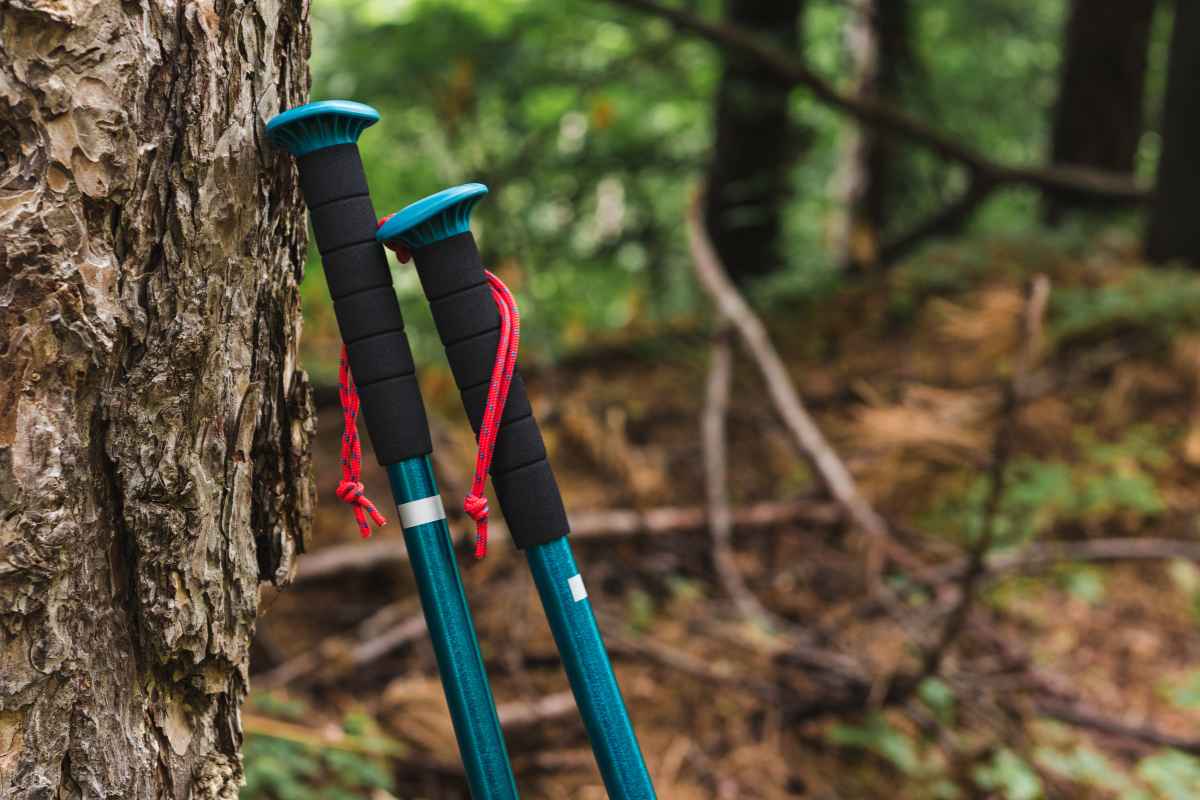
The material of the grip plays a significant role in your comfort, especially on longer hikes. Here are the most common types:
- Cork: Cork grips mold to the shape of your hands over time and are excellent at wicking moisture. They are a popular choice for long-distance hikers.
- Foam: Foam grips are soft, lightweight, and comfortable. They also absorb moisture but may wear out faster than cork grips.
- Rubber: Rubber grips are durable and provide excellent grip in cold weather, but they can cause sweating and chafing during warmer hikes.
Your choice of grip should depend on the climate you’ll be hiking in and how long you plan to be out on the trail.
4. Pole Locking Mechanism
If you opt for adjustable poles, the type of locking mechanism is another important consideration. There are two common types:
- Twist Lock: This mechanism uses an internal screw to lock the poles at your desired height. It's lightweight but can wear down over time.
- Lever Lock: A more robust option, the lever lock allows you to adjust your poles quickly and easily without worrying about the mechanism loosening. It’s ideal for those who hike in varying terrains.
5. Shock Absorption
Some hiking poles come with built-in shock absorbers, which help reduce the impact on your joints, especially when descending steep trails.
This feature is particularly beneficial if you suffer from knee pain or plan to hike on rocky or uneven terrain.
However, poles without shock absorbers are often lighter and may be preferable for flat or less demanding hikes.
Choosing the Right Poles for Your Hiking Environment
Different terrains and environments call for different hiking poles. Here’s how to choose the best hiking poles based on the types of trails you plan to tackle.
1. Flat Terrain
If you’re hiking on flat or gently rolling terrain, lightweight, fixed-length poles are a great choice. You won’t need adjustable poles as much, and the lighter weight will make your hike easier.
2. Mountainous Terrain
For hikes that involve steep ascents and descents, adjustable poles are your best friend. You can shorten the poles for climbing uphill and lengthen them when going downhill. Opt for poles with a shock-absorbing feature to reduce strain on your knees and joints.
3. Snowy or Icy Conditions
In snowy or icy conditions, you'll want poles with extended grips and snow baskets. The baskets prevent the poles from sinking too deeply into the snow, while the extended grips allow for easy adjustments without changing the pole height.
4. Rocky Trails
For rocky trails, durability is key. Go for aluminum poles with a robust locking mechanism. Carbon fiber poles may be too brittle for these conditions.
Additional Features to Consider
In addition to the primary considerations above, there are a few extra features you might want to look for when choosing the best hiking poles for your next adventure:
- Wrist Straps: Make sure the poles come with adjustable wrist straps. These help distribute weight and prevent you from dropping the poles during your hike.
- Pole Tips: Look for poles with interchangeable tips. Rubber tips are ideal for hard surfaces like pavement, while carbide tips are better for rocky or dirt trails.
- Compactability: If you need to store or transport your poles in a small space, look for folding or collapsible models. These are particularly handy for travelers and backpackers.
How to Use Your Hiking Poles Correctly
Once you've chosen the best hiking poles for your adventure, it's essential to know how to use them properly. Here are some tips to ensure you're getting the most out of your hiking poles:
- Adjust the Length: When standing on flat ground, your elbow should form a 90-degree angle when holding the poles. Adjust the length accordingly when hiking uphill or downhill.
- Use Wrist Straps: Slip your hands through the wrist straps and grip the poles. This way, you won't lose them if you need to free your hands momentarily.
- Plant the Poles in Sync with Your Stride: As you walk, plant the poles opposite your moving foot. This will help you maintain balance and rhythm.
- Take Short Steps When Climbing: When ascending, use shorter steps and push off with your poles to conserve energy.
- Let Your Poles Absorb the Impact on Descents: On descents, lengthen your poles slightly and let them absorb the shock as you plant them in front of you.
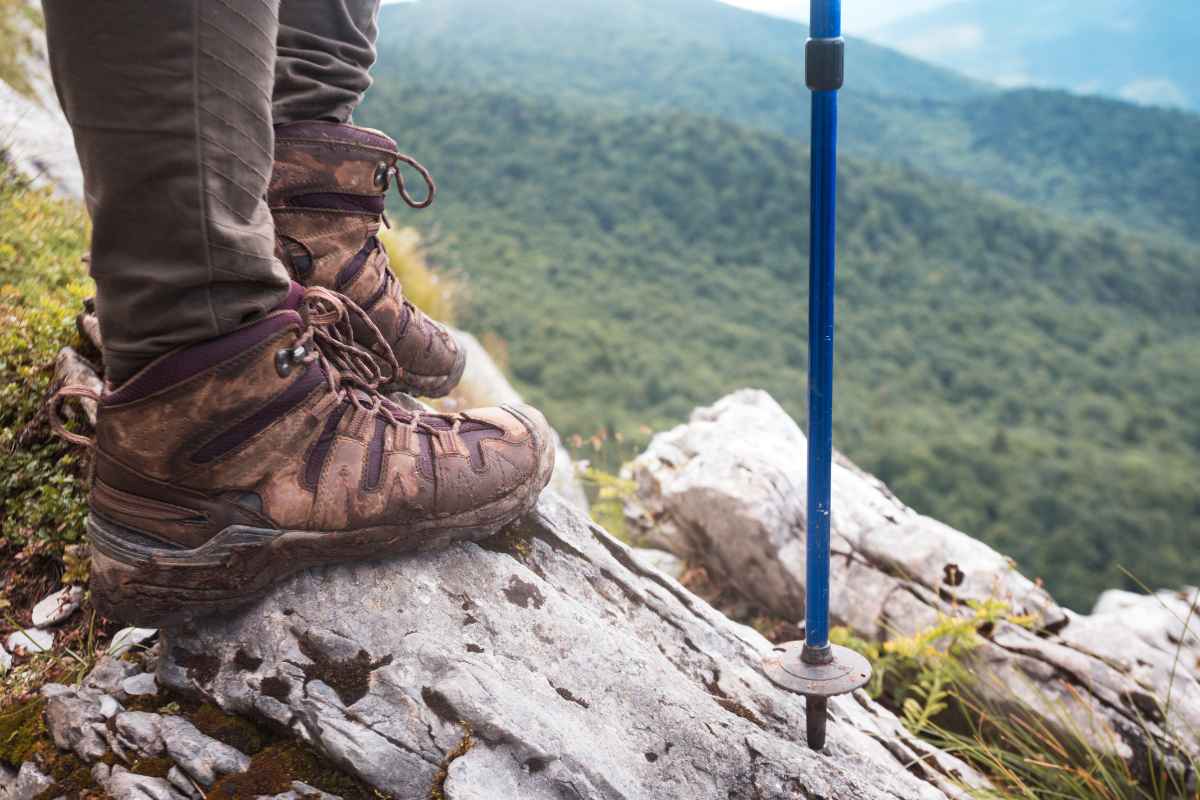
Choose the Best Hiking Poles to Elevate Your Hiking Experience
Selecting the right hiking poles can make all the difference in your hiking experience. By considering factors like material, adjustability, and grip, you'll be well-equipped to tackle any trail with confidence.
Whether you're scaling a mountain, crossing a snow-covered field, or trekking through a dense forest, having the best hiking poles will enhance your balance, reduce strain on your body, and make your hike more enjoyable.
So before you set out on your next adventure, take the time to choose wisely—your body (and your hike) will thank you!
Did you find this post useful or inspiring? Save THIS PIN for later in your Outdoor Board on Pinterest! 😊
Explore these outdoor tips too