
How to Deal with Common Hiking Injuries on the Trail
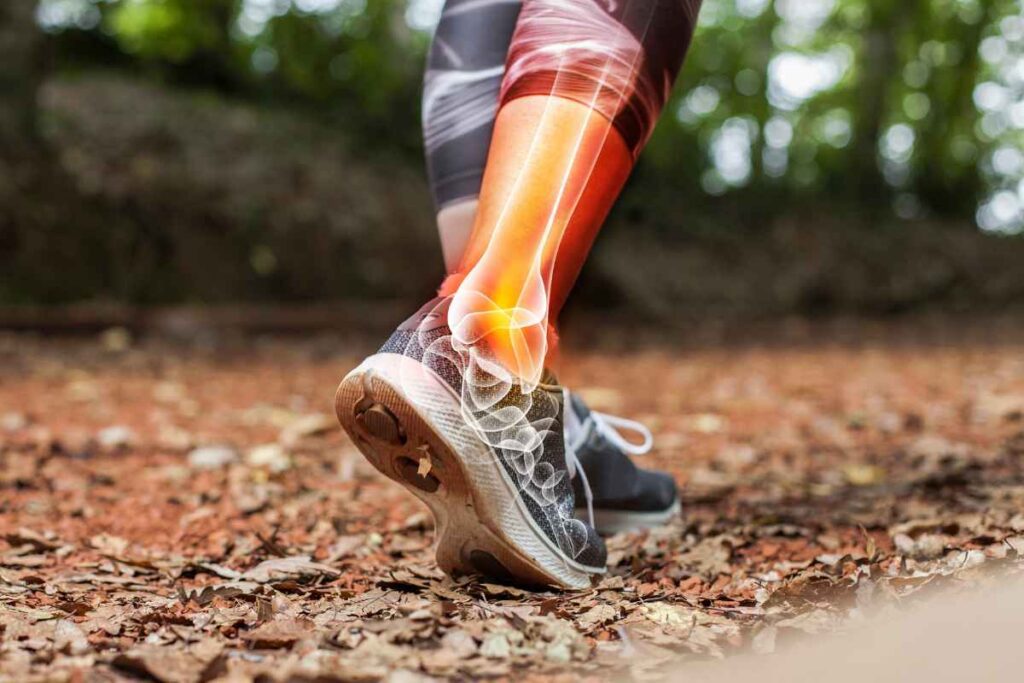
Learn how to deal with common hiking injuries on the trail with these practical tips. From blisters to sprains, this guide covers essential first-aid advice to keep you safe and prepared during your next outdoor adventure.
Hiking is a wonderful way to connect with nature and enjoy some exercise, but it also comes with the potential for injuries.
Whether you're an experienced hiker or new to the trails, knowing how to handle common hiking injuries can make a huge difference in ensuring your adventure stays enjoyable.
From blisters to sprained ankles, here’s a guide to dealing with hiking injuries on the trail and preventing small mishaps from ruining your experience.
1. Blisters: The Most Common Hiking Injury
Blisters are probably the most frequent issue hikers face, especially during long or intense hikes. They are caused by friction between your skin and your shoes. Here’s how to prevent and treat them:
- Prevention: Wear well-fitted, moisture-wicking socks and proper hiking boots. Apply blister prevention products like moleskin or blister pads to known trouble spots before you start hiking.
- Treatment: If you feel a "hot spot" developing, stop immediately and treat it by covering the area with a bandage or moleskin. If a blister forms, avoid popping it to reduce the risk of infection. Instead, cover it with a sterile dressing and apply a blister pad.
Blisters may seem minor, but they can turn a pleasant hike into a painful journey if left untreated. By taking action early, you can avoid discomfort and continue your adventure.
2. Sprained Ankles: Stay Stable on Uneven Terrain
Sprained ankles are another common injury, especially when hiking on rocky or uneven terrain. A sprained ankle occurs when you twist or roll your ankle in a way that stretches or tears the ligaments.
- Prevention: Wear supportive hiking boots with good ankle support. Take your time on rough or uneven trails, especially when descending steep slopes. Keep your weight balanced and use hiking poles for extra stability.
- Treatment: If you sprain your ankle, the first step is to stop hiking and rest. Apply the RICE method: Rest, Ice, Compression, and Elevation. If the sprain is mild, wrap the ankle and continue with caution. For severe sprains, it's best to turn back or seek help.
Carrying a lightweight first-aid kit with an ankle wrap can make a big difference if you need to stabilize your ankle while on the trail.
3. Dehydration: Staying Hydrated is Key
Dehydration is not an injury in the traditional sense, but it’s a serious risk that can lead to more dangerous conditions like heat exhaustion or heatstroke. Staying hydrated is essential, especially on hot or strenuous hikes.
- Prevention: Always carry enough water for your hike. A general rule is to drink about a half-liter of water per hour of moderate activity in moderate temperatures. In hot conditions, you may need more. Consider using a hydration bladder for easy access to water as you walk.
- Treatment: If you start feeling dizzy, nauseous, or experience dry mouth, these could be signs of dehydration. Stop and drink water, take a break in the shade, and snack on salty foods to replenish electrolytes.
Always listen to your body—if you’re thirsty, drink water before the symptoms of dehydration worsen.
4. Cuts and Scrapes: First-Aid for Minor Wounds
When hiking through brush or scrambling over rocks, it's easy to get small cuts or scrapes. While these may not seem serious, it’s important to clean and dress even minor wounds to prevent infection.
- Prevention: Wear long sleeves and pants if you’re hiking in dense, scratchy areas to protect your skin from branches and rocks.
- Treatment: If you get a cut or scrape, clean the wound with clean water or antiseptic wipes from your first-aid kit. Apply an antibacterial ointment and cover the wound with a bandage or sterile gauze.
Keeping a small first-aid kit with essentials like antiseptic wipes, ointment, and bandages ensures you're always prepared to treat minor injuries quickly.
5. Heat Exhaustion: Recognize the Symptoms Early
Hiking in hot weather can lead to heat exhaustion, especially if you're not staying hydrated or taking regular breaks in the shade. Early signs include dizziness, headache, and excessive sweating.
- Prevention: Avoid hiking during the hottest part of the day and wear light, moisture-wicking clothing. Stay hydrated and take breaks in shaded areas. A wide-brimmed hat can also help protect you from the sun.
- Treatment: If you or someone in your group shows signs of heat exhaustion, move to a cool, shaded area immediately. Drink water, loosen tight clothing, and use a wet cloth to cool down the body. If symptoms worsen, it may be necessary to seek medical attention.

Being aware of the early signs of heat exhaustion can prevent a more serious condition like heatstroke.
Whether you're out for a short day hike or embarking on a multi-day adventure, knowing how to deal with common hiking injuries can make all the difference.
By preventing injuries with proper gear, staying hydrated, and carrying a well-stocked first-aid kit, you'll be better equipped to handle whatever the trail throws your way.
Remember, preparation is key. Before heading out on any hike, take time to pack essential first-aid supplies and familiarize yourself with basic treatments for blisters, sprains, dehydration, and cuts.
These small actions can go a long way in ensuring a safe and enjoyable outdoor experience.
Did you find this post useful or inspiring? Save THIS PIN for later in your Outdoor Board on Pinterest! 😊
Explore these outdoor tips too