
How to Get Started with Base Jumping

Base jumping is one of the most extreme sports out there, offering an adrenaline rush like no other.
For thrill-seekers looking to push their limits, Base jumping provides the ultimate experience of free-falling from fixed objects like cliffs, bridges, or buildings, with only a parachute to break the fall.
That said, Base jumping is not something you can just jump into without serious preparation and knowledge.
This sport takes a high level of skill, mental strength, and a clear understanding of the risks. In this guide, we'll look at how to get started in Base jumping safely and effectively.
What is Base Jumping?
Base jumping stands for Building, Antenna, Span, and Earth—four categories of fixed objects from which jumps are typically made.
Unlike skydiving, where jumps are made from airplanes at high altitudes, Base jumps are made from much lower altitudes, often between 500 and 1,500 feet.
This shorter free-fall time means there’s very little margin for error, making it a sport that requires precision and experience.
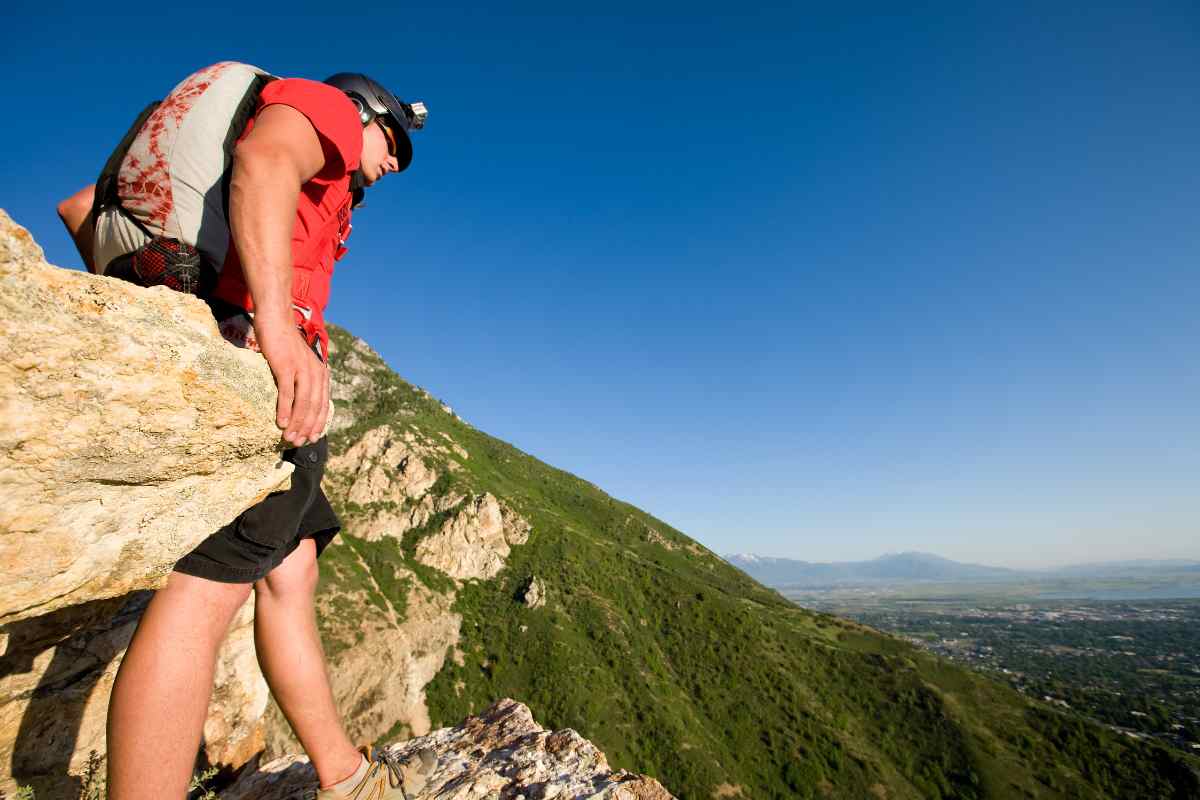
Understanding the Basics of Base Jumping
Before you even think about making your first Base jump, it's essential to understand the basics.
Base jumping is not just about the thrill of the jump—it's about understanding the physics, the gear, and the safety measures that go into every leap.
- Learn the physics: The lower altitude of Base jumping means you’ll have less time to deploy your parachute. This requires a solid understanding of how your body moves in freefall and how to control that movement.
- Get the right gear: Unlike traditional skydiving gear, Base jumping equipment is specialized. You'll need a specific type of parachute designed for quick deployment and precise control.
- Study the environment: Every jump site is different. Understanding the terrain, weather conditions, and potential hazards is crucial for a safe jump.
Essential Skills and Training for Base Jumping
Starting in Base jumping is not as simple as buying the gear and finding a high place to jump from.
It requires rigorous training, experience in skydiving, and a solid foundation of skills.
Start with Skydiving
One of the most critical steps in preparing for Base jumping is to gain experience in skydiving.
Skydiving is the best way to develop the necessary free-fall skills and understand parachute control in a less risky environment.
- Complete your AFF course: The Accelerated Free Fall (AFF) course is where you’ll learn the basics of skydiving. You’ll need to complete this course and gain at least 200 skydives before considering Base jumping.
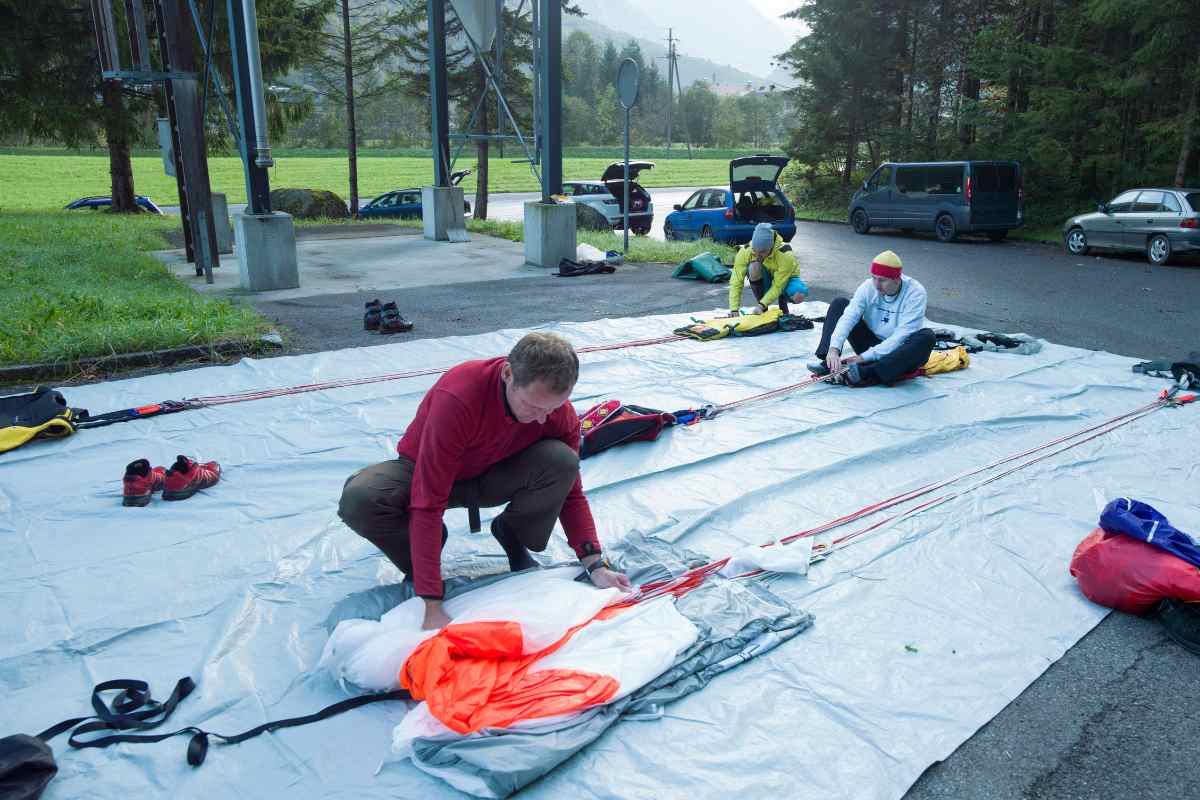
- Practice parachute packing: Knowing how to pack your parachute is essential. It’s your primary life-saving device, and packing it correctly can mean the difference between life and death.
- Master canopy control: Understanding how to control your parachute after deployment is crucial. You'll need to know how to steer, brake, and land safely.
Participate in Base Jumping Courses
Once you have a solid foundation in skydiving, the next step is to participate in a Base jumping course.
These courses are typically run by experienced Base jumpers and are designed to teach you the specifics of the sport.
- Learn the exit techniques: One of the most challenging aspects of Base jumping is the exit. You’ll learn how to properly exit from different objects to ensure stability and control during freefall.
- Understand terminal vs. subterminal jumps: Terminal jumps involve reaching maximum freefall speed before deploying the parachute, while subterminal jumps are from lower altitudes, where this speed isn't reached. Each requires different techniques and equipment.
- Emergency procedures: Knowing what to do in an emergency is critical. You’ll be trained on how to handle parachute malfunctions and other unexpected situations.
Choosing Your First Base Jump Site
Not all Base jump sites are created equal. As a beginner, it’s important to choose a site that matches your skill level and provides a safe environment for your first jumps.
Start with Bridges or Spans
Bridges, also known as spans, are among the safest options for beginners. They typically offer a clean, open drop and fewer obstacles compared to buildings or cliffs.
- The Perrine Bridge in Idaho: This is a popular spot for beginner Base jumpers. It’s one of the few legal jumping sites in the United States and offers a relatively safe environment for newcomers.
- Consider height and landing area: Choose a bridge that’s high enough to allow ample time for parachute deployment but also has a large, clear landing area.

Gradually Move to Cliffs and Antennas
Once you’ve gained confidence and experience, you can start exploring more challenging sites like cliffs and antennas.
However, always approach these sites with caution and ensure you’re fully prepared for the additional risks.
- Understand the terrain: Cliffs often have jagged edges and uneven surfaces. Understanding the terrain and planning your jump carefully is essential.
- Antennas require technical exits: Antennas are tall structures with complex exits. They require precise jumps and good freefall control, making them more suitable for experienced Base jumpers.
Safety Measures and Risk Management in Base Jumping
Base jumping is inherently risky, but by following strict safety protocols, you can minimize the dangers.
Here’s how to manage the risks involved in Base jumping.
Always Jump with a Mentor
As a beginner, you should never base jump alone. Jumping with an experienced mentor can provide invaluable guidance and help you avoid common mistakes.
- Choose an experienced mentor: Look for someone who has a significant number of Base jumps under their belt and who is willing to provide hands-on training.
- Debrief after every jump: After each jump, debrief with your mentor to discuss what went well and what could be improved. This is a crucial part of the learning process.

Use Proper Safety Gear
Your gear is your lifeline in Base jumping, so it’s critical to invest in high-quality equipment and understand how to use it properly.
- Wear a helmet and protective gear: A helmet is essential for protecting your head during jumps. Additionally, consider wearing padding for your knees and elbows to reduce the risk of injury on landing.
- Use a tracking suit for stability: A tracking suit helps to control your fall and stabilize your body position. This is especially important in subterminal jumps where you have less time to stabilize.
- Check your gear meticulously: Before every jump, perform a thorough gear check. This includes inspecting your parachute, harness, and helmet to ensure everything is in working order.
Understand and Accept the Risks
Even with all the preparation in the world, Base jumping carries significant risks. It’s important to fully understand these risks and accept them before you start jumping.
- Know the legalities: Base jumping is illegal in many locations. Always ensure that you’re jumping in a legal area to avoid fines, arrests, or worse.
- Be mentally prepared: The mental aspect of Base jumping is just as important as the physical. You need to be mentally prepared to handle the fear, adrenaline, and potential consequences of each jump.
- Have a plan for emergencies: Always have a plan in place for emergencies. Know how to access medical help quickly, and carry a first aid kit with you on every jump.

Building Experience and Progressing in Base Jumping
Base jumping is not a sport where you can plateau and remain safe. You need to continually build your experience, improve your skills, and learn from each jump.
Record Your Jumps
Keeping a detailed log of each jump is a great way to track your progress and identify areas for improvement.
- Note the conditions: Record the weather, wind speed, and any other environmental factors that might have affected your jump.
- Analyze your performance: Write down what went well and what didn’t. Use this analysis to make adjustments in future jumps.
Connect with the Base Jumping Community

Being part of the Base jumping community can provide support, knowledge, and opportunities to jump in new locations.
- Join a Base jumping group: Look for local or online Base jumping groups where you can connect with other jumpers, share experiences, and learn from each other.
- Attend Base jumping events: Many regions hold Base jumping events where you can meet other jumpers, participate in group jumps, and even take part in competitions.
Gradually Increase Your Skill Level
As you gain more experience, you can start pushing the limits of your Base jumping by trying more challenging jumps, new techniques, and advanced gear.
- Try wingsuit Base jumping: Once you’ve mastered traditional Base jumping, you might want to explore wingsuit Base jumping. This adds a new level of complexity and thrill to the sport.
- Experiment with different exits: As you become more comfortable, try experimenting with different types of exits, such as backflips or jumps from more complex structures.
- Never stop learning: Base jumping is a sport where you should never stop learning. Stay curious, stay cautious, and always be open to improving your skills.
Conclusion
Base jumping is a thrilling, high-risk sport that requires careful preparation, extensive training, and a deep respect for the dangers involved.
Follow the steps in this guide and you can start Base jumping with the knowledge and skills you need to stay safe and enjoy the thrill.
Remember, Base jumping is not just about the jump itself, but about the community, the preparation, and the continuous pursuit of excellence. Stay safe, respect the sport, and most importantly, enjoy the ride.
Did you find this post useful or inspiring? Save THIS PIN for later in your Outdoor Board on Pinterest! 😊

Explore these outdoor tips too