
How to Hike at High Altitudes: Tips for Avoiding Altitude Sickness
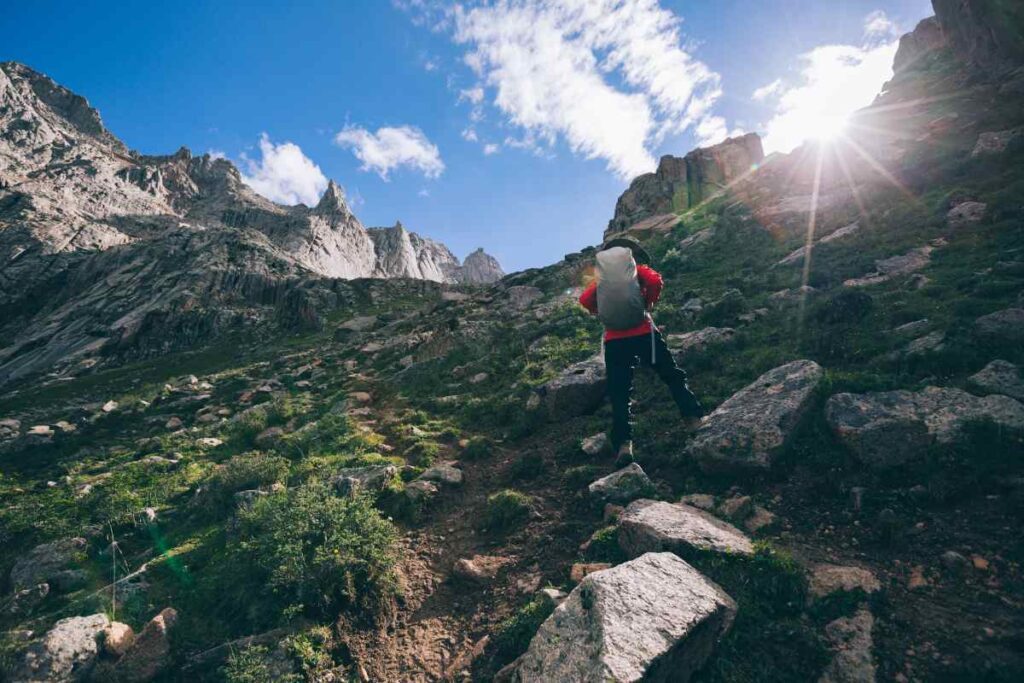
Hiking at high altitudes is an exhilarating experience that offers breathtaking views and a unique connection with nature.
However, hiking at high altitudes also comes with its own set of challenges, particularly the risk of altitude sickness.
To ensure that your high-altitude hike is safe and enjoyable, it’s crucial to be well-prepared and informed.
In this article, we’ll provide essential tips on how to hike at high altitudes and avoid altitude sickness, allowing you to fully embrace the adventure.
Understanding the Challenges of Hiking at High Altitudes
Before you embark on your journey, it’s important to understand the unique challenges of hiking at high altitudes.
The air at higher elevations is thinner, meaning less oxygen is available. This can lead to altitude sickness, which can range from mild symptoms like headaches and dizziness to more severe conditions such as pulmonary or cerebral edema.
Symptoms of Altitude Sickness
Altitude sickness can affect anyone, regardless of age or fitness level. Common symptoms include:
- Headaches
- Nausea
- Dizziness
- Fatigue
- Shortness of breath
In severe cases, altitude sickness can progress to more dangerous conditions. Being aware of these symptoms and knowing how to respond is crucial for your safety.
How to Hike at High Altitudes Safely
To enjoy your hike at high altitudes while minimizing the risk of altitude sickness, follow these essential tips.
Acclimatization is Key
One of the most effective ways to prevent altitude sickness is to allow your body to acclimatize gradually to the higher elevation.
Here’s how to do it:
- Take it slow: When ascending to higher altitudes, it’s important to do so gradually. Give your body time to adjust by spending a day or two at intermediate elevations before moving higher.
- Climb high, sleep low: This strategy involves hiking to a higher elevation during the day and then descending to a lower elevation to sleep. This helps your body adapt to the reduced oxygen levels.
- Stay hydrated: Proper hydration aids in the acclimatization process. Drink plenty of water, but avoid excessive caffeine and alcohol, as they can contribute to dehydration.
Listen to Your Body
Your body will often give you signals when it’s struggling to cope with the altitude. It’s essential to listen to your body and respond appropriately.
- Take breaks: If you start feeling unwell, take a break. Rest, hydrate, and allow your body to recover before continuing your hike.
- Descend if necessary: If your symptoms worsen or don’t improve with rest, it may be necessary to descend to a lower altitude. This is the most effective way to alleviate altitude sickness.
Proper Nutrition for High-Altitude Hiking
What you eat can also play a significant role in how your body handles hiking at high altitudes.
Proper nutrition can help keep your energy levels up and reduce the risk of altitude sickness.
- Eat light, frequent meals: Instead of heavy meals, opt for light, carbohydrate-rich snacks throughout the day. Carbohydrates require less oxygen to metabolize, making them an ideal energy source at high altitudes.
- Include foods rich in iron: Iron is essential for transporting oxygen in the blood. Incorporate iron-rich foods like leafy greens, beans, and lean meats into your diet.
- Consider supplements: Some hikers find that taking supplements such as iron or antioxidants can help their body cope better with the stresses of high-altitude hiking.
Preparing for Your High-Altitude Hike
Preparation is key when it comes to hiking at high altitudes. Here are some steps you can take before your hike to ensure you’re ready for the challenges ahead.
Physical Conditioning
Being in good physical condition can make a significant difference in how well you handle hiking at high altitudes.
- Cardiovascular training: Engage in regular cardiovascular exercise to strengthen your heart and lungs. Running, cycling, and swimming are excellent choices.
- Strength training: Focus on building leg and core strength, as these muscles will be heavily used during your hike.
- Practice hiking: If possible, practice hiking at lower altitudes before attempting a high-altitude hike. This will help condition your body to the physical demands of the activity.
Gear and Equipment
Having the right gear can make your hike at high altitudes safer and more comfortable.
- Layered clothing: Temperatures can vary greatly at different altitudes, so dressing in layers allows you to adjust to the changing conditions.
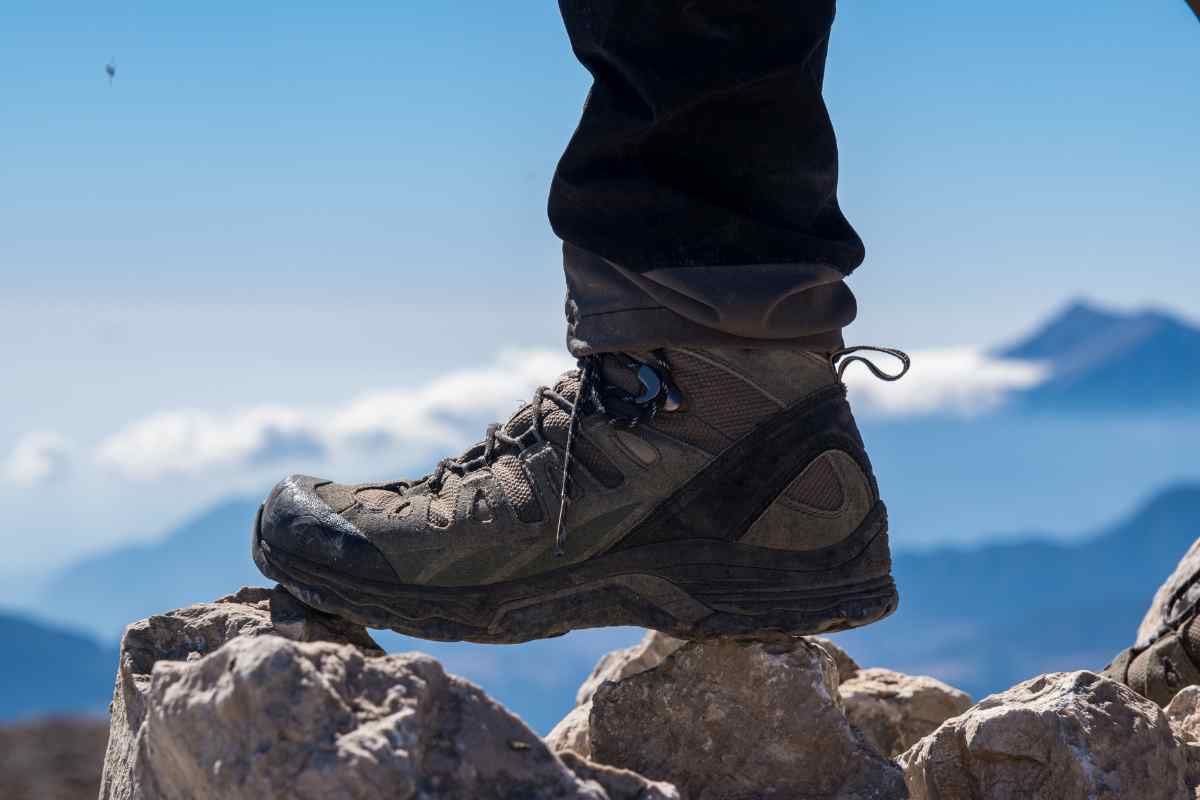
- Quality footwear: Invest in a good pair of hiking boots that provide support and traction. Make sure they’re broken in before your hike to avoid blisters.
- Essential gear: Carry essential gear such as a map, compass, first aid kit, and extra food and water. A portable oxygen canister can also be useful in case of severe altitude sickness.
Mental Preparation and Staying Positive
Mental preparedness is just as important as physical preparation when hiking at high altitudes.
Maintaining a positive mindset can help you overcome challenges and enjoy your hike to the fullest.
Setting Realistic Goals
Set achievable goals for your high-altitude hike. Don’t push yourself too hard or set unrealistic expectations.
It’s okay to take your time and enjoy the journey.
- Break the hike into segments: Instead of focusing on the entire hike, break it down into smaller, manageable segments. Celebrate each milestone to keep your spirits high.
- Stay motivated: Remind yourself why you’re hiking and what you hope to achieve. Whether it’s reaching a summit or simply enjoying the experience, keeping your goals in mind can help you stay motivated.
Coping with Challenges
High-altitude hiking can be mentally taxing, especially if you encounter unexpected challenges.
Here’s how to stay positive:
- Embrace the experience: Accept that challenges are part of the adventure. Embrace the discomfort and view it as an opportunity to grow.
- Stay connected: If you’re hiking with a group, stay connected with your fellow hikers. Support each other and share the experience. If you’re hiking solo, consider journaling your thoughts and feelings to stay grounded.
What to Do if You Experience Altitude Sickness
Even with the best preparation, you may still experience altitude sickness. Knowing how to respond can make all the difference.
Recognizing the Signs
The first step in dealing with altitude sickness is recognizing the signs. If you experience symptoms such as a severe headache, nausea, or shortness of breath, take immediate action.
Immediate Actions
If you or someone in your group shows signs of altitude sickness, follow these steps:
- Rest and hydrate: Stop hiking immediately and rest. Drink water and take deep breaths to help your body get the oxygen it needs.
- Use supplemental oxygen: If available, use a portable oxygen canister to increase your oxygen intake.
- Descend: If symptoms do not improve or worsen, descend to a lower altitude as quickly and safely as possible. This is the most effective treatment for altitude sickness.
Seeking Medical Help
In severe cases, altitude sickness can be life-threatening. If symptoms persist despite descending, seek medical help immediately.
It’s better to be safe and get professional advice than to risk your health.
Conclusion: Enjoying Your High-Altitude Hike Safely
Hiking at high altitudes is a rewarding experience that offers stunning views and a sense of accomplishment.
By following the tips outlined in this article, you can reduce the risk of altitude sickness and ensure that your hike is safe and enjoyable.
Remember to acclimatize, listen to your body, and be prepared both physically and mentally.
With the right approach, your high-altitude hike can be the adventure of a lifetime.
Stay safe, take it slow, and savor every moment of your journey. Happy hiking!
Did you find this post useful or inspiring? Save THIS PIN for later in your Outdoor Board on Pinterest! 😊
Explore these outdoor tips too