
How to Hike Sustainably and Leave No Trace

Hiking offers a unique opportunity to connect with nature, but it also comes with the responsibility to protect and preserve the environment for future generations.
Hiking sustainably and leaving no trace are critical practices that ensure our natural landscapes remain pristine and healthy.
This article will guide you through the principles and best practices for hiking responsibly, ensuring that your outdoor adventures have a minimal impact on the environment.

Hike Sustainably and Leave No Trace
To hike sustainably and leave no trace, you need to adopt habits that minimize your impact on the environment.
This begins with understanding the Leave No Trace principles, which are guidelines designed to help outdoor enthusiasts protect natural ecosystems.
By following these principles, you can ensure that your hiking activities do not disturb wildlife, pollute water sources, or damage vegetation.
Plan Ahead and Prepare
One of the most important steps in sustainable hiking is planning and preparation. This means researching your hiking destination, understanding the terrain, weather conditions, and regulations.
Proper preparation helps prevent accidents and ensures you carry the necessary gear to minimize your environmental impact.
- Check trail conditions before you go to avoid muddy or fragile trails that could be easily damaged.
- Pack essential gear, including a map, compass, first-aid kit, and sufficient food and water, to reduce the likelihood of needing emergency assistance.
- Plan your route to avoid areas that are off-limits or particularly sensitive, such as wildlife habitats or rare plant locations.
Travel and Camp on Durable Surfaces
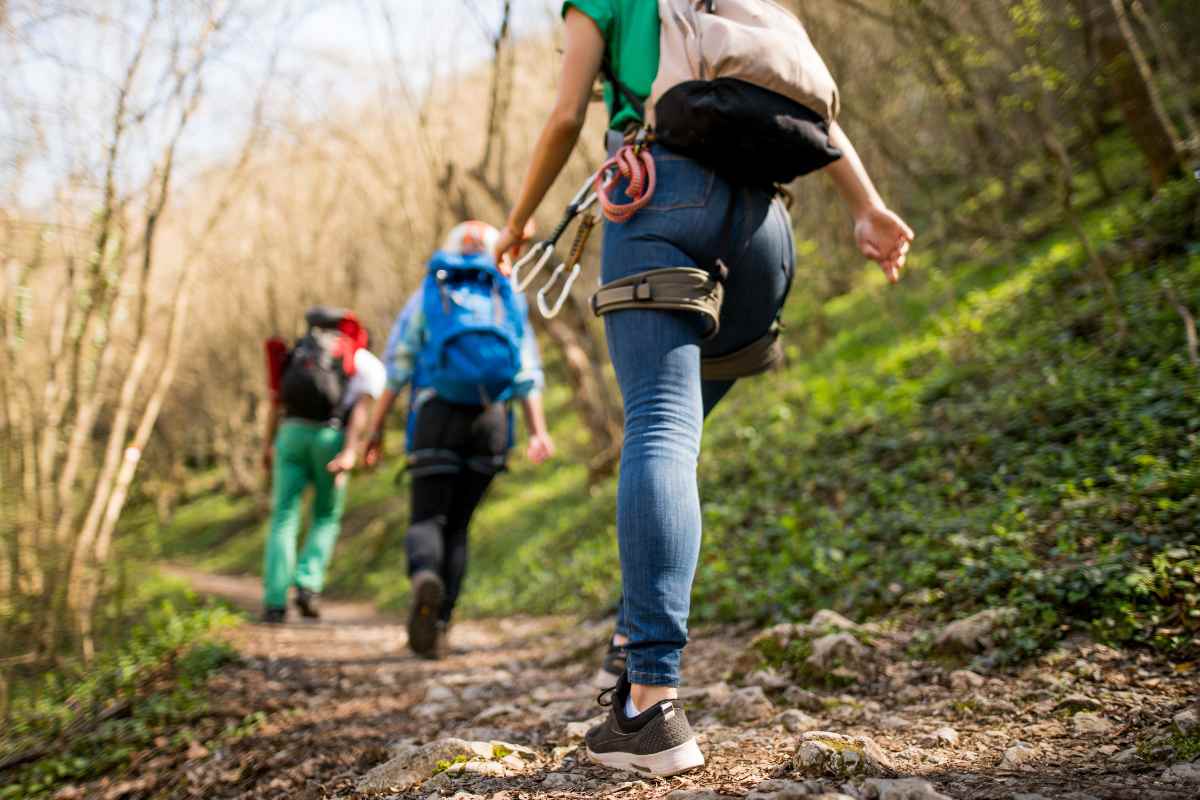
When hiking, it's crucial to stay on established trails to avoid trampling vegetation and causing soil erosion.
Traveling on durable surfaces like rock, sand, gravel, or established trails helps preserve the natural environment.
- Stick to the trail: Avoid cutting switchbacks or creating new paths, as this can lead to soil erosion and habitat destruction.
- When camping, choose established campsites or durable surfaces such as gravel or bare ground. Avoid setting up camp in areas with delicate vegetation, which can be easily damaged.
Dispose of Waste Properly
One of the core principles of Leave No Trace is to dispose of waste properly. This includes all forms of waste, from food scraps to human waste. Proper disposal is essential to prevent pollution and protect wildlife.
- Pack it in, pack it out: This means taking all your trash with you, including food wrappers, leftover food, and personal hygiene products.
- Use designated toilets or dig a cathole at least 200 feet away from water sources, trails, and campsites if you need to dispose of human waste. Cover the hole with soil and pack out toilet paper.
- Avoid leaving behind biodegradable items like fruit peels, as they can still take years to decompose and may attract wildlife.
Leave What You Find
Part of hiking sustainably involves leaving natural objects and cultural artifacts where you find them. This helps preserve the environment and ensures that others can enjoy the same natural beauty.
- Do not pick plants, flowers, or rocks. Leave them in their natural habitat for others to appreciate.
- Avoid disturbing historical or cultural sites, and never remove artifacts.
- Refrain from building structures, digging trenches, or altering the environment in any way.
Minimize Campfire Impact
Campfires can cause significant damage to natural areas, especially in sensitive environments. To hike sustainably and leave no trace, it's best to minimize campfire impact by following specific guidelines.
- Use a camp stove for cooking instead of making a fire. Camp stoves are more efficient, safer, and leave no trace.
- If you must have a fire, use established fire rings and keep the fire small. Make sure to burn all wood completely and scatter the cool ashes.
- Only use dead and downed wood for fires, and never cut live trees or branches.
Respect Wildlife
Wildlife encounters can be one of the most exciting parts of hiking, but it's important to respect animals and their habitats. Disturbing wildlife can have serious consequences for both the animals and the ecosystem.
- Observe wildlife from a distance. Never approach, feed, or attempt to interact with animals.
- Store food securely to prevent animals from becoming habituated to human food, which can be harmful to them.
- Keep pets on a leash to prevent them from disturbing wildlife or damaging the environment.
Be Considerate of Other Visitors
Hiking sustainably also means being considerate of other visitors. By practicing good etiquette on the trail, you contribute to a positive experience for everyone and help protect the environment.
- Yield the trail to others, especially those going uphill. Step aside on durable surfaces if you need to pass someone.
- Keep noise levels down to preserve the natural sounds of the environment and avoid disturbing wildlife and other hikers.
- Leave campsites and trails better than you found them by picking up any trash you see and restoring the area to its natural state.
Educate Others
One of the most powerful ways to promote sustainable hiking is by educating others. Sharing your knowledge about Leave No Trace principles and sustainable practices can inspire others to follow suit.
- Lead by example: Demonstrate sustainable hiking practices to your friends, family, and other hikers.
- Participate in or organize local clean-up events and trail maintenance days.
- Encourage others to learn about Leave No Trace principles and the importance of protecting the environment.
Sustainable Gear Choices
Choosing the right gear is another aspect of hiking sustainably. Opt for equipment and clothing made from environmentally friendly materials, and consider the longevity and durability of the products you buy.
- Invest in reusable and durable gear that reduces waste and lasts for many years.
- Choose gear made from recycled materials or from companies that prioritize sustainability in their manufacturing processes.
- Repair and maintain your gear to extend its lifespan, reducing the need for replacements and minimizing waste.
Sustainable Transportation
How you get to the trailhead can also have an impact on the environment. Consider sustainable transportation options to reduce your carbon footprint.
- Carpool with friends or join a hiking group to reduce the number of vehicles on the road.
- Use public transportation or a bike to get to the trailhead if possible.
- Choose hiking destinations closer to home to minimize travel distances and emissions.
The Importance of Advocacy
Finally, advocacy plays a crucial role in promoting sustainable hiking practices and preserving natural areas.
By supporting conservation efforts and advocating for environmental protection, you can help ensure that future generations have the opportunity to enjoy the outdoors.
- Support local conservation organizations that work to protect natural areas and promote sustainable outdoor recreation.
- Participate in public meetings and discussions about land use and conservation policies.
- Raise awareness about the importance of protecting natural areas through social media, blogs, or community events.

Hiking sustainably and leaving no trace is about more than just following a set of rules; it's a mindset that prioritizes the health and well-being of our natural environment.
By practicing these principles and encouraging others to do the same, we can ensure that our trails and wilderness areas remain beautiful and accessible for generations to come.
Remember, every step you take on the trail is an opportunity to make a positive impact—let’s work together to hike sustainably and leave no trace.
Did you find this post useful or inspiring? Save THIS PIN for later in your Outdoor Board on Pinterest! 😊

Explore these outdoor tips too