
How to Hike with a Heavy Backpack
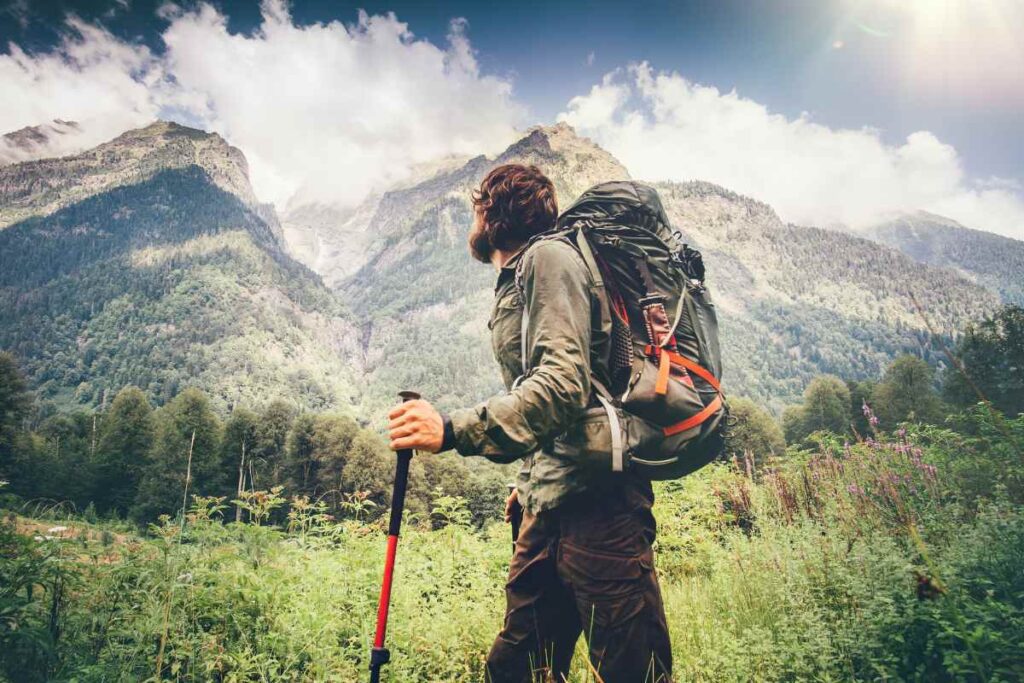
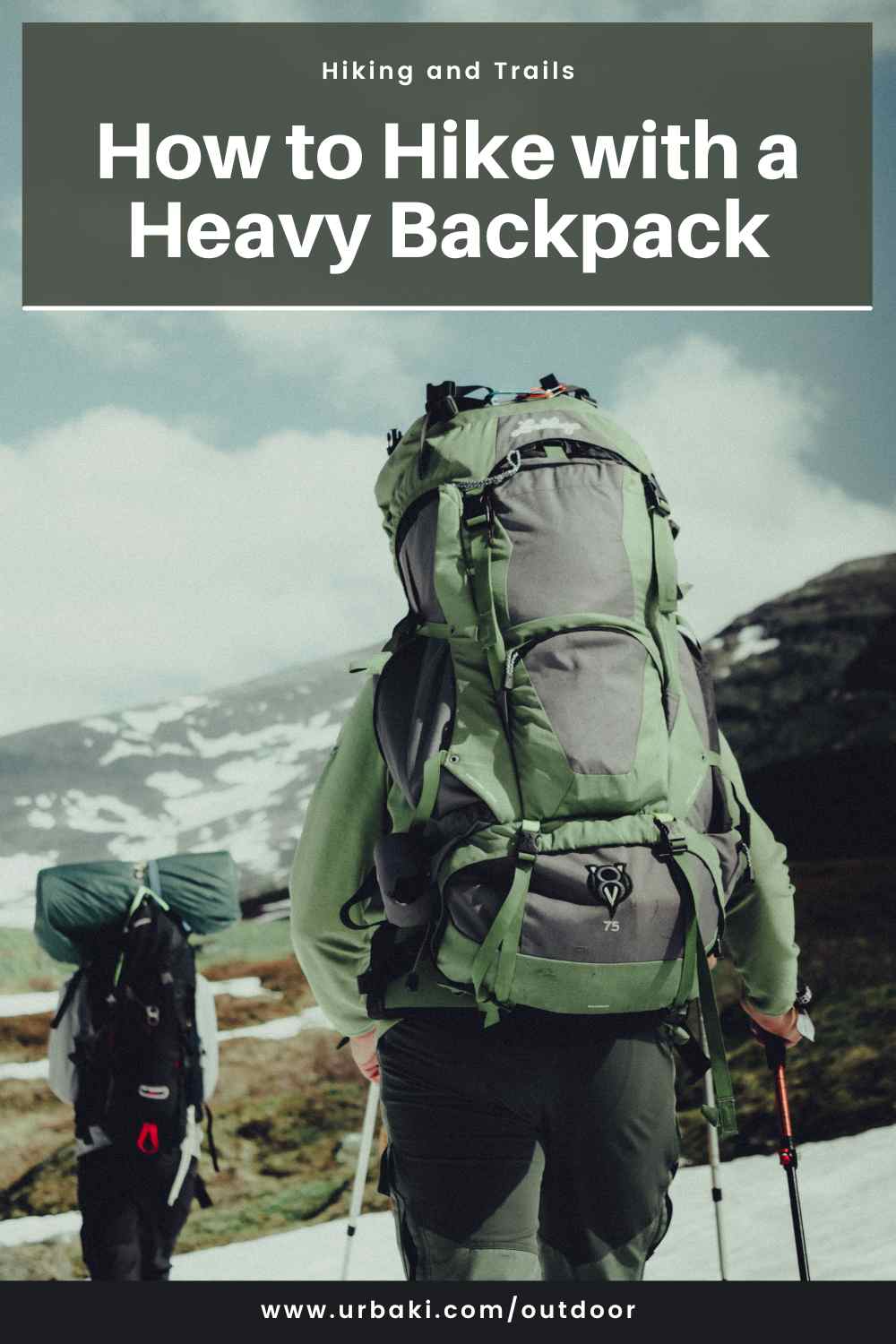
When it comes to hiking in challenging terrains, one of the most important skills to master is carrying a heavy backpack efficiently.
Whether you're embarking on a multi-day trek or just have a lot of gear to bring along, knowing how to hike with a heavy backpack can make or break your adventure.
In this article, we'll explore the best practices for hiking with a heavy backpack, ensuring you stay comfortable, balanced, and injury-free on the trail.
Preparing for the Hike
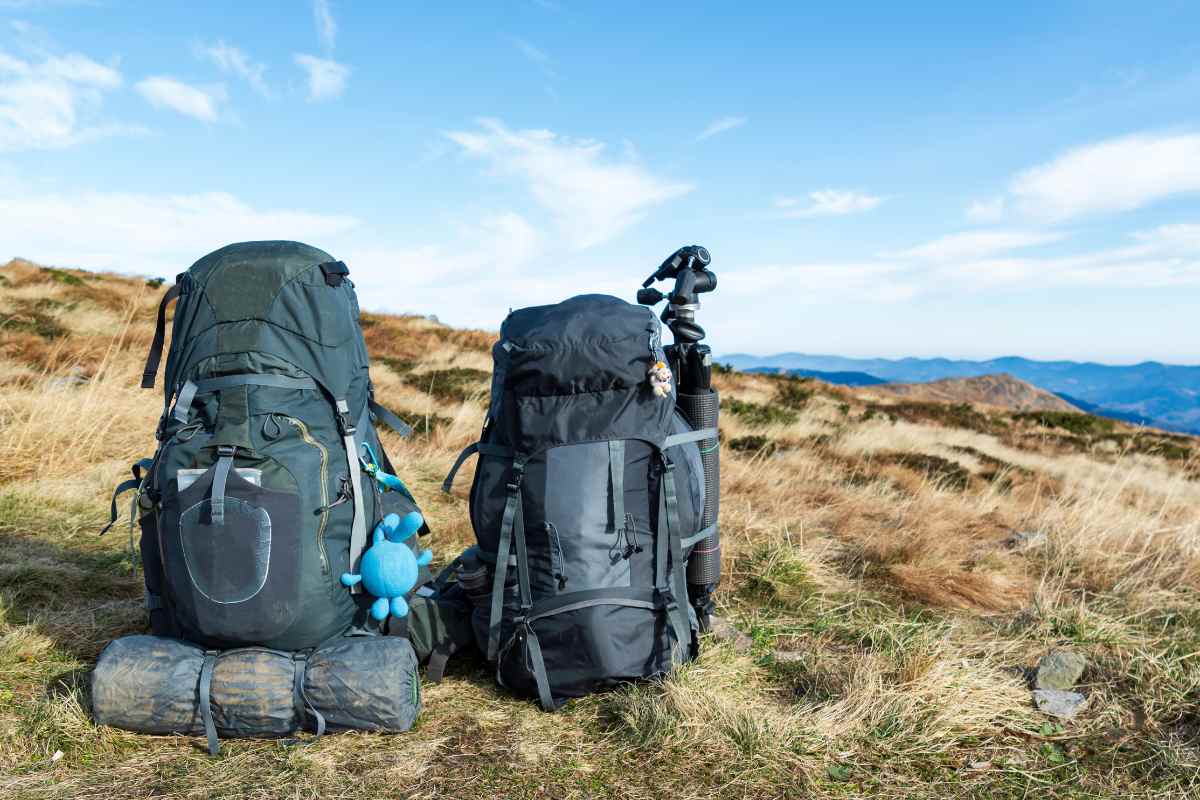
Before you even set foot on the trail, proper preparation is key to successfully hiking with a heavy backpack. Start by choosing the right backpack.
A well-fitted backpack can distribute the weight evenly across your body, reducing strain on your back and shoulders. Look for a pack with a sturdy hip belt, adjustable straps, and a padded back panel.
Packing your backpack correctly is also crucial. Place the heaviest items close to your back and center within the pack to maintain balance.
Items that you'll need frequently, such as water bottles, snacks, and maps, should be easily accessible in exterior pockets. A well-packed backpack not only makes your hike easier but also helps prevent fatigue and injuries.
Adjusting Your Backpack for the Hike
Once your backpack is packed, it's time to adjust it for optimal comfort during your hike. Start by putting the backpack on and fastening the hip belt.
The hip belt should sit snugly on your hips, taking the majority of the weight off your shoulders. Next, adjust the shoulder straps so that the pack sits close to your back without causing discomfort.
Don't forget the load lifters, which are small straps located at the top of the shoulder straps. Tighten these to bring the pack closer to your body, helping to balance the load.
Finally, adjust the sternum strap across your chest to stabilize the shoulder straps and prevent them from slipping.
Proper adjustment of your backpack can greatly reduce the risk of back and shoulder pain, allowing you to enjoy your hike without unnecessary discomfort.
The Right Posture for Hiking with a Heavy Backpack

Maintaining good posture is essential when hiking with a heavy backpack. Start by keeping your back straight and your core engaged.
Lean slightly forward to counterbalance the weight of the pack, but avoid hunching over, as this can lead to back strain. Keep your shoulders relaxed and avoid letting the weight pull them down.
Use your legs to absorb the impact of each step rather than relying on your back. Take smaller steps when hiking uphill to conserve energy and maintain stability.
When descending, bend your knees slightly to reduce the impact on your joints and maintain control.
Using trekking poles can be a great way to maintain balance and reduce the strain on your legs and back. They help distribute the weight more evenly and provide additional stability, especially on uneven terrain.
Staying Hydrated and Fueled
Hiking with a heavy backpack can be physically demanding, so it's essential to stay hydrated and fueled throughout your trek.
Drink water regularly to prevent dehydration, which can lead to fatigue and muscle cramps. Consider using a hydration bladder that allows you to sip water without having to stop and take off your pack.
In addition to water, pack energy-boosting snacks that are easy to eat on the go, such as trail mix, energy bars, and dried fruit.
These snacks provide the necessary calories to keep your energy levels up during the hike. Avoid carrying too much food, as the extra weight can add unnecessary strain to your back.
Proper nutrition and hydration are critical components of a successful hike, especially when carrying a heavy load.
Taking Breaks and Listening to Your Body
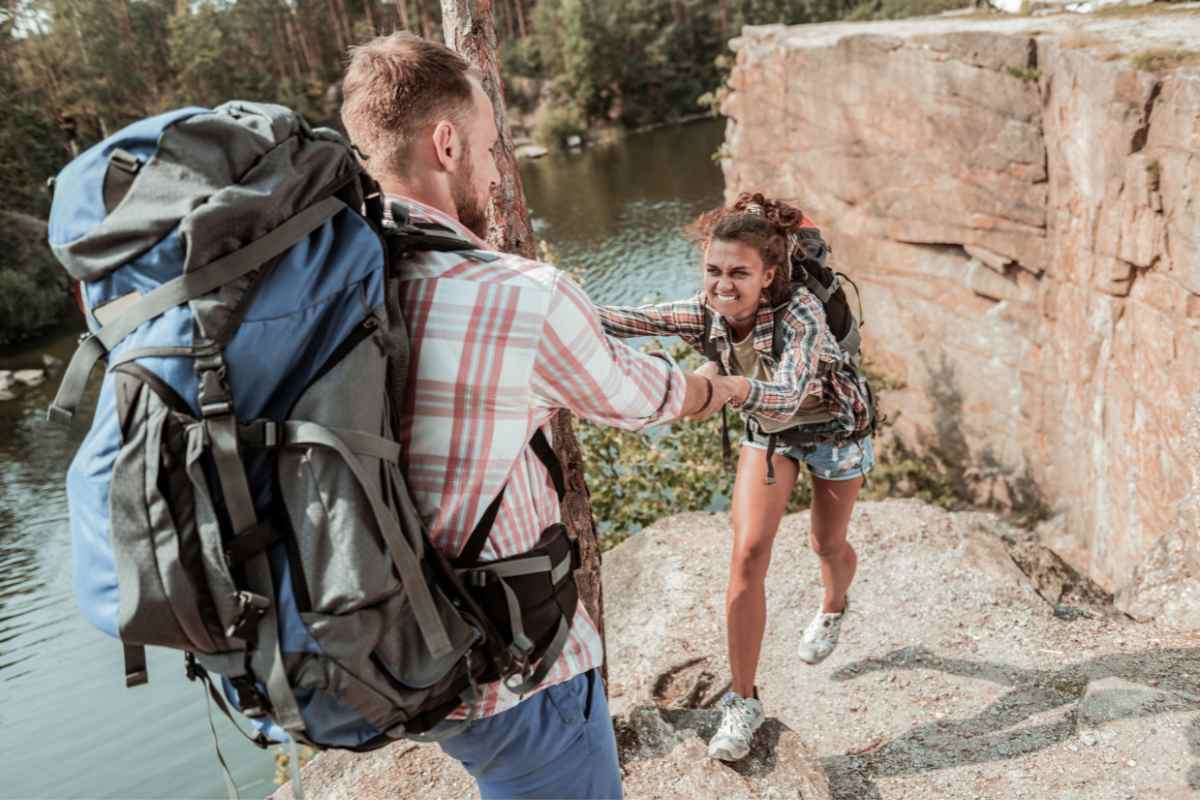
Even the most experienced hikers need to take breaks, especially when carrying a heavy backpack.
Plan regular rest stops to give your body a chance to recover and prevent overexertion. Use these breaks to stretch your muscles, adjust your backpack if needed, and check your feet for any signs of blisters.
Pay attention to your body and listen to any signals it may send. If you start feeling fatigued, dizzy, or in pain, don't push through it.
Take a longer break or adjust your pace to allow your body to recover. It's better to hike slowly and steadily than to risk injury by pushing yourself too hard.
Dealing with Common Challenges
Hiking with a heavy backpack comes with its own set of challenges, but being prepared can help you overcome them.
One common issue is back pain, which can occur if your pack is not properly adjusted or if you're not using the correct posture. If you experience back pain, try adjusting your pack or taking a break to stretch.
Another challenge is foot discomfort, often caused by the extra weight on your feet. Make sure to wear well-fitting, supportive hiking boots, and consider using cushioned insoles.
Blisters can be prevented by wearing moisture-wicking socks and applying blister-prevention tape before you start your hike.
If you're hiking in hot weather, be mindful of heat exhaustion. Carry plenty of water, wear lightweight, breathable clothing, and take breaks in the shade whenever possible. In cold weather, be aware of the risk of hypothermia and pack appropriate layers to stay warm.
Building Strength and Endurance
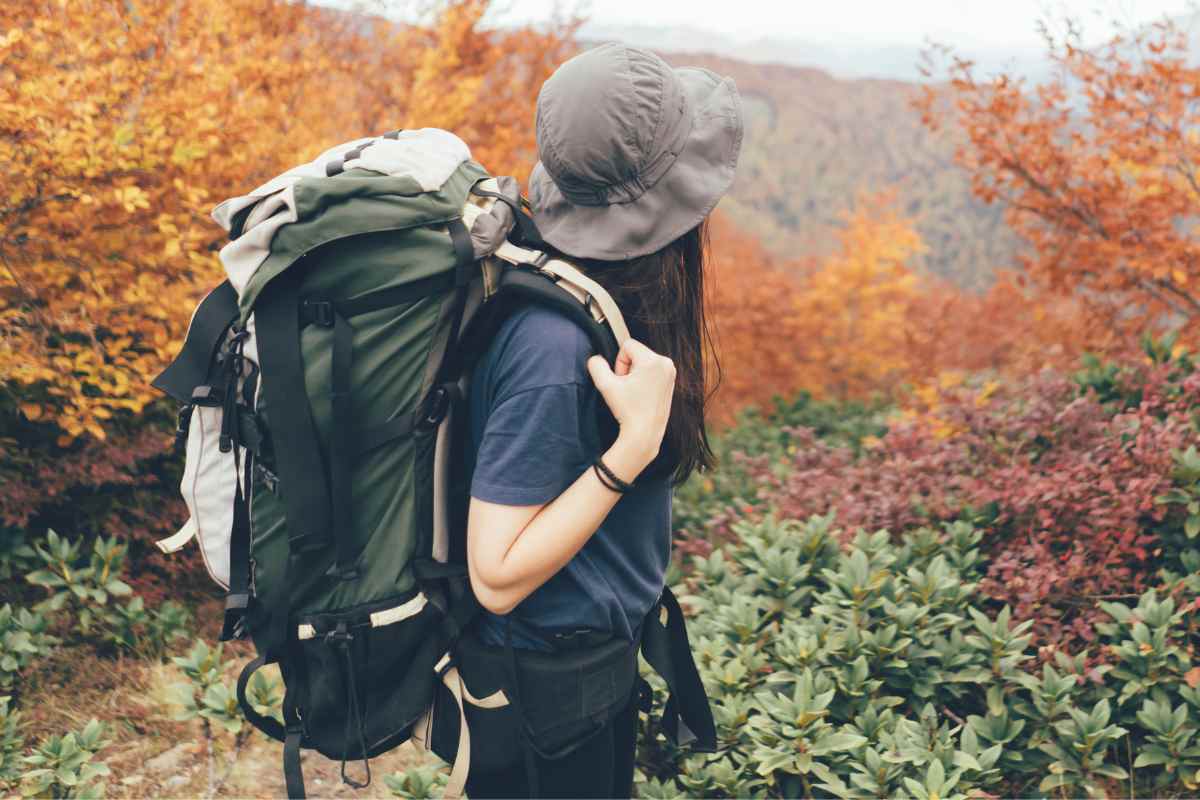
Carrying a heavy backpack requires a good level of strength and endurance. Training your body before a big hike can make a significant difference in your ability to handle the weight.
Focus on exercises that strengthen your core, legs, and back, such as squats, lunges, and planks. Incorporating cardio workouts like running or cycling can also help build your stamina.
Consider doing practice hikes with a weighted backpack to get used to the feeling of carrying extra weight. Start with a lighter load and gradually increase the weight as your strength and endurance improve.
This will not only prepare your body for the hike but also help you identify any adjustments needed for your backpack or gear.
Building physical fitness is an essential part of preparing for a successful hike with a heavy load.
Mental Preparation
Hiking with a heavy backpack is as much a mental challenge as it is a physical one. Mental preparation is key to pushing through tough moments on the trail.
Set realistic goals for your hike and break it down into manageable sections. Focus on the journey rather than the destination, and remind yourself of the rewards that await you at the end.
Visualization techniques can also be helpful. Imagine yourself completing the hike successfully and enjoying the sense of accomplishment that comes with it.
Stay positive, even when the going gets tough, and remember that taking it one step at a time is the best way to reach your goal.
Conclusion
Hiking with a heavy backpack is a skill that can be mastered with the right preparation, technique, and mindset.
By choosing the right backpack, packing it correctly, and adjusting it for comfort, you can reduce the strain on your body. Maintaining good posture, staying hydrated, and taking regular breaks will keep you energized and focused on the trail.
Building strength and endurance through training will further enhance your ability to handle the load, while mental preparation will help you stay motivated throughout your hike.
Remember, the key to a successful hike is not just in reaching your destination, but in enjoying the journey along the way.
With these tips in mind, you're ready to take on the challenge of hiking with a heavy backpack and make your next adventure a memorable one.
Did you find this post useful or inspiring? Save THIS PIN for later in your Outdoor Board on Pinterest! 😊
Explore these outdoor tips too