
How to Hike with Pets: Safety Tips and Essential Gear
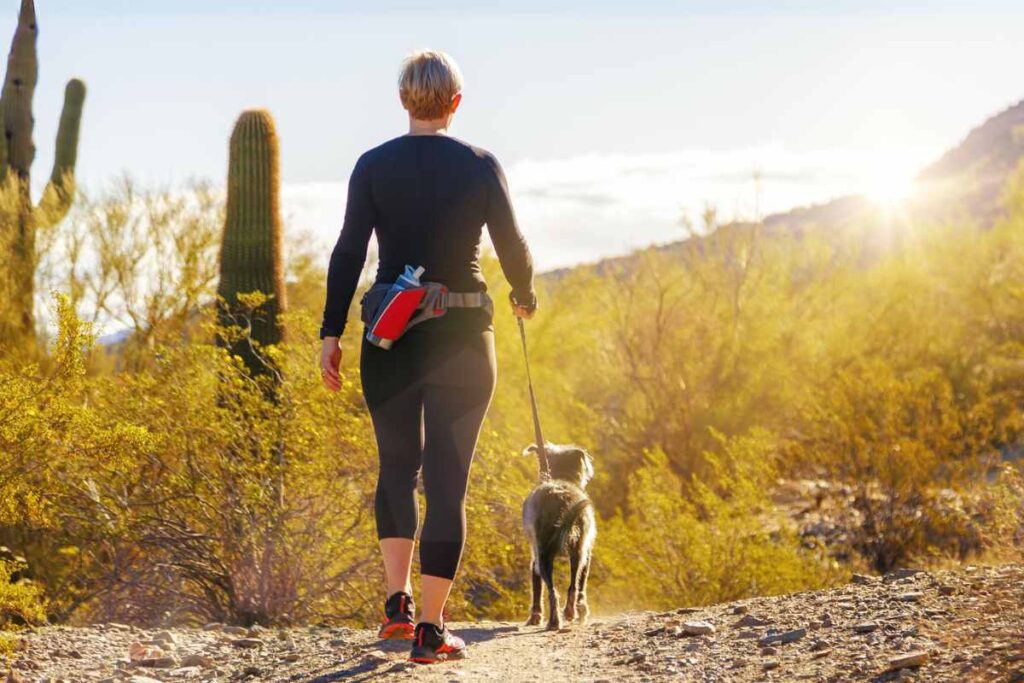
Hiking is a fantastic way to explore the great outdoors, and it becomes even more enjoyable when you can share the experience with your furry friends.
However, knowing how to hike with pets safely requires some preparation and the right gear to ensure both you and your pet have an enjoyable and safe adventure.
Whether you're a seasoned hiker or a beginner, it's essential to consider your pet's needs and abilities before heading out on the trail.
How to Hike with Pets: Preparing for the Adventure
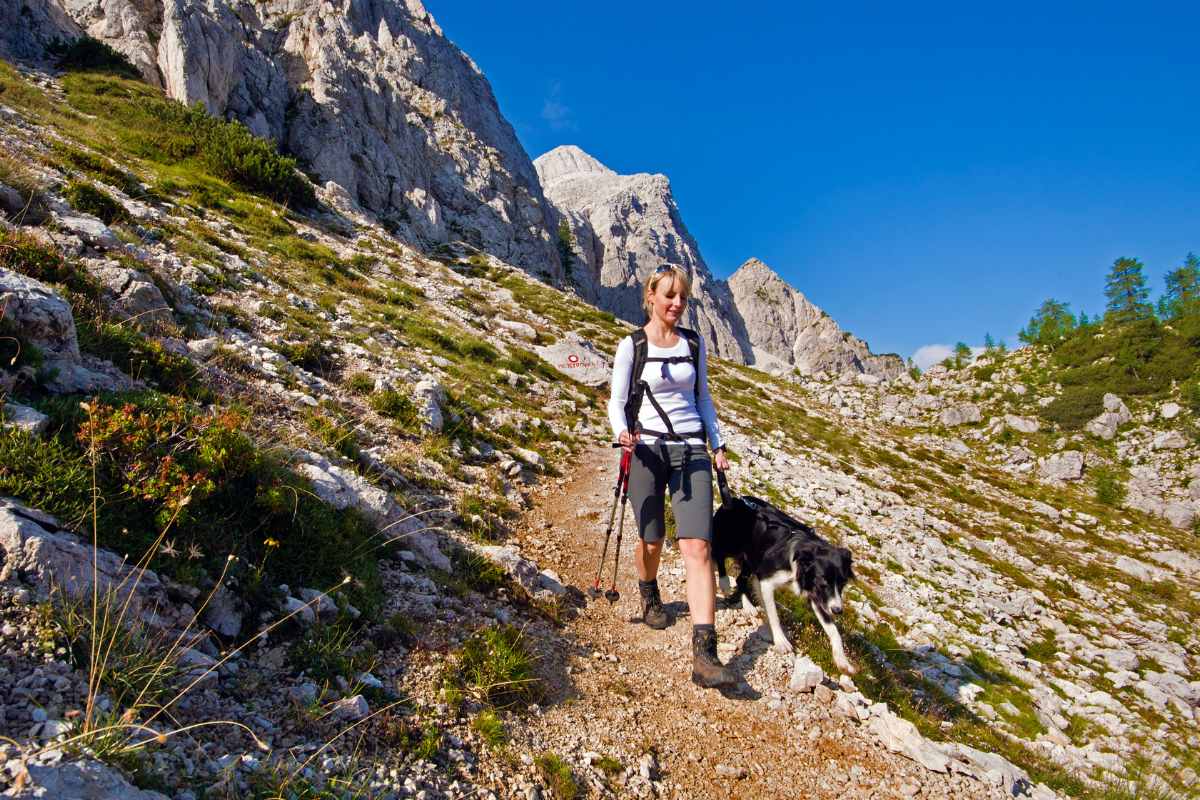
When planning a hike with your pet, preparation is key. First, assess your pet's fitness level and health. Just like humans, pets need to be in good shape to handle the physical demands of a hike.
If your pet is older, overweight, or has any health issues, consult your veterinarian before planning your adventure.
Next, research pet-friendly trails. Not all trails allow pets, and those that do may have specific rules, such as requiring dogs to be on a leash.
Look for trails that match your pet’s abilities—shorter, easier trails for less experienced pets, and longer, more challenging ones for pets with more stamina.
Essential Gear for Hiking with Pets
Having the right gear can make a significant difference in your hiking experience. Here’s a list of essential items you should consider bringing:
- Leash and Harness: A sturdy leash and harness are crucial for keeping your pet safe. Even if your dog is well-behaved off-leash, many trails require pets to be leashed. A harness is preferable to a collar as it provides better control and is more comfortable for your pet.
- Collapsible Water Bowl: Hydration is vital for both you and your pet. A collapsible water bowl is a convenient way to ensure your pet can drink easily on the go. Don’t forget to bring enough water for both of you, especially on hot days.
- Portable Pet First-Aid Kit: Accidents can happen, so it’s important to be prepared. A pet-specific first-aid kit should include bandages, antiseptic wipes, tweezers (for removing ticks), and any necessary medications your pet might need.
- Dog Booties: If you're hiking on rocky or rough terrain, dog booties can protect your pet's paws from injury. Some dogs may need time to get used to wearing them, so practice at home before your hike.
- ID Tags and Microchip: Ensure your pet has up-to-date ID tags and consider a microchip as an extra layer of protection. In the unfortunate event that your pet gets lost, these can be crucial in ensuring they are returned to you safely.
- Waste Bags: Responsible pet ownership means cleaning up after your pet. Carry enough waste bags to pick up after your dog and pack out all waste.
- Reflective Gear: If you're hiking early in the morning, late in the evening, or in dense forests, reflective gear can help make your pet more visible to you and other hikers.

Safety Tips for Hiking with Pets
Hiking with pets can be incredibly rewarding, but it’s important to follow some basic safety tips to ensure a safe and enjoyable experience.
Keep Your Pet on a Leash
Even if your dog is well-trained, it’s crucial to keep them on a leash, especially in unfamiliar territory. Wildlife, other hikers, or even other pets can cause unpredictable reactions.
A leash keeps your pet under control and helps prevent accidents. It’s also a rule on many trails, and following this guideline shows respect for other hikers and the environment.
Watch for Signs of Fatigue or Overheating
Pets, especially dogs, can easily become overheated or fatigued during a hike. Pay close attention to your pet’s behavior—heavy panting, excessive drooling, or lagging behind can be signs that your pet needs a break.
Find a shady spot to rest and offer water regularly. On hot days, consider hiking in the early morning or late evening to avoid the heat of the day.
Be Aware of Trail Hazards
Hiking trails can be full of hazards that may not be immediately obvious to your pet. Sharp rocks, thorns, and even snakes can pose a danger.
Keep your pet close and watch where they step. If you're hiking in an area known for ticks or other parasites, consider using a pet-safe insect repellent and check your pet thoroughly after the hike.
Keep Your Pet Hydrated
Just as you need to stay hydrated, so does your pet. Offer water regularly, even if they don’t seem thirsty.
Dehydration can happen quickly, especially in hot weather, and can be dangerous for your pet. A collapsible water bowl and a good supply of water should be part of your standard hiking gear.
Know Your Pet’s Limits
Not all pets are built for long or strenuous hikes. Know your pet’s limits and don’t push them beyond their abilities.
If your pet is struggling, it’s better to cut the hike short than risk injury or exhaustion. Start with shorter hikes and gradually increase the distance as your pet becomes more accustomed to the activity.
Post-Hike Care for Your Pet
After your hike, it's important to take care of your pet's needs to ensure they recover well and are ready for the next adventure.
Check for Ticks and Injuries
Once you're home, give your pet a thorough inspection for ticks and any injuries. Ticks can carry diseases, so remove them promptly if you find any.
Check your pet’s paws for cuts, scrapes, or any signs of wear from the hike. If your pet seems sore, a gentle massage or a warm bath can help them relax.
Provide Plenty of Water and Food
After a long hike, your pet will likely be thirsty and hungry. Make sure they have access to plenty of fresh water and feed them a nutritious meal to help them recover their energy.
Monitor Your Pet for Signs of Exhaustion
Keep an eye on your pet after the hike for any signs of lingering fatigue or discomfort. If your pet seems unusually tired or is limping, give them plenty of time to rest and recover. If you notice any concerning symptoms, consult your veterinarian.
Enjoying the Great Outdoors with Your Pet
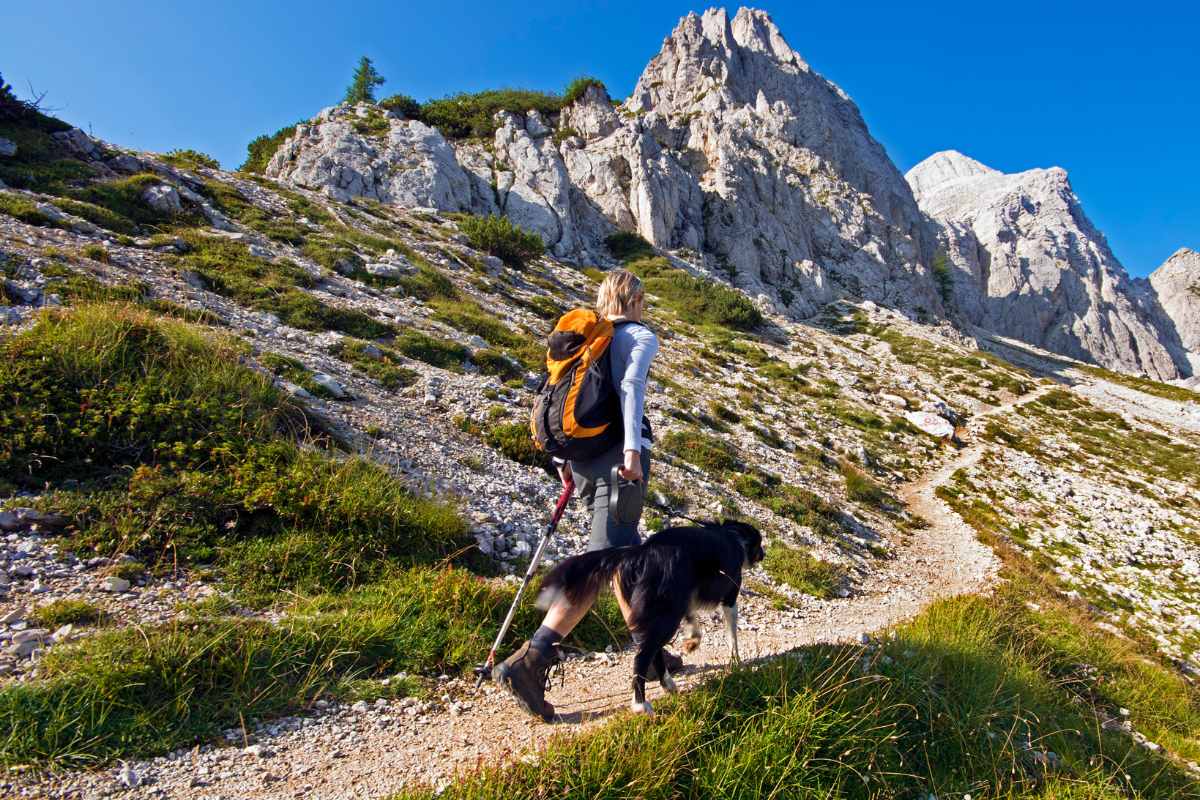
Hiking with your pet can be a wonderful way to bond and enjoy the natural world together. By being prepared, choosing the right gear, and following essential safety tips, you can ensure that both you and your pet have a safe and enjoyable experience.
Remember, how to hike with pets isn’t just about knowing the right trails or having the best gear—it’s about understanding your pet’s needs and creating a positive experience for both of you.
With the right preparation and care, your hiking adventures can become some of the most memorable moments you share with your furry companion.
Did you find this post useful or inspiring? Save THIS PIN for later in your Outdoor Board on Pinterest! 😊
Explore these outdoor tips too