
How to Improve Your Hiking Stamina: Training Tips and Techniques
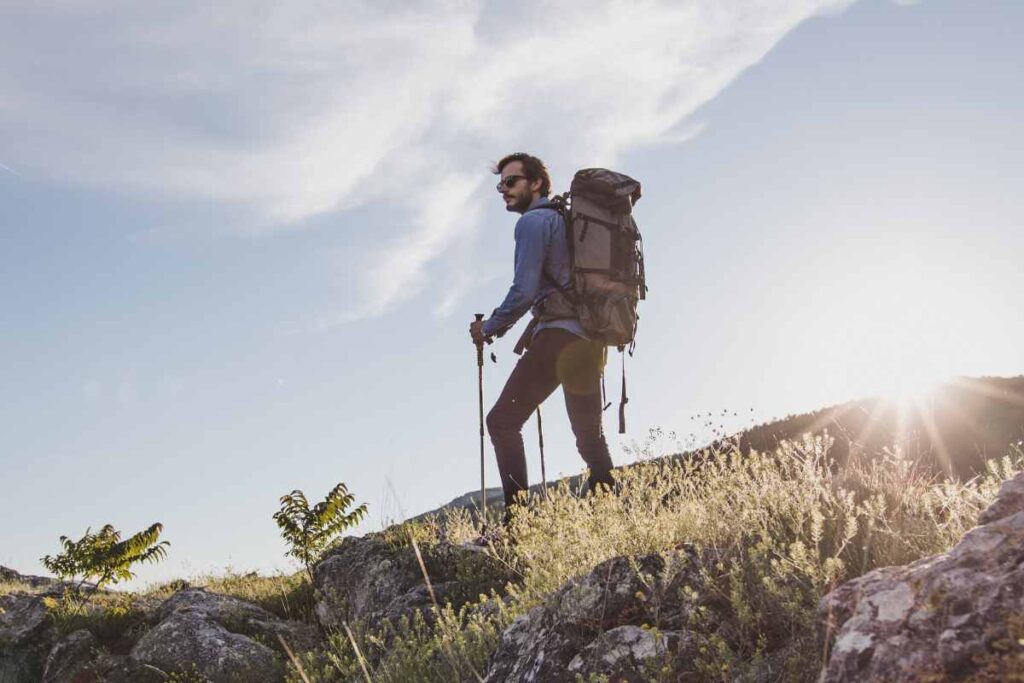
Hiking is an incredible way to connect with nature, challenge yourself, and enjoy breathtaking views. However, to fully enjoy long hikes or challenging trails, you need more than just enthusiasm—you need hiking stamina.
Building stamina for hiking involves a combination of physical conditioning, mental preparation, and smart techniques.
Whether you're a beginner looking to conquer your first mountain or an experienced hiker aiming to tackle more strenuous trails, improving your hiking stamina is essential.
This article will provide you with effective training tips and techniques to boost your endurance and help you hike longer and stronger.
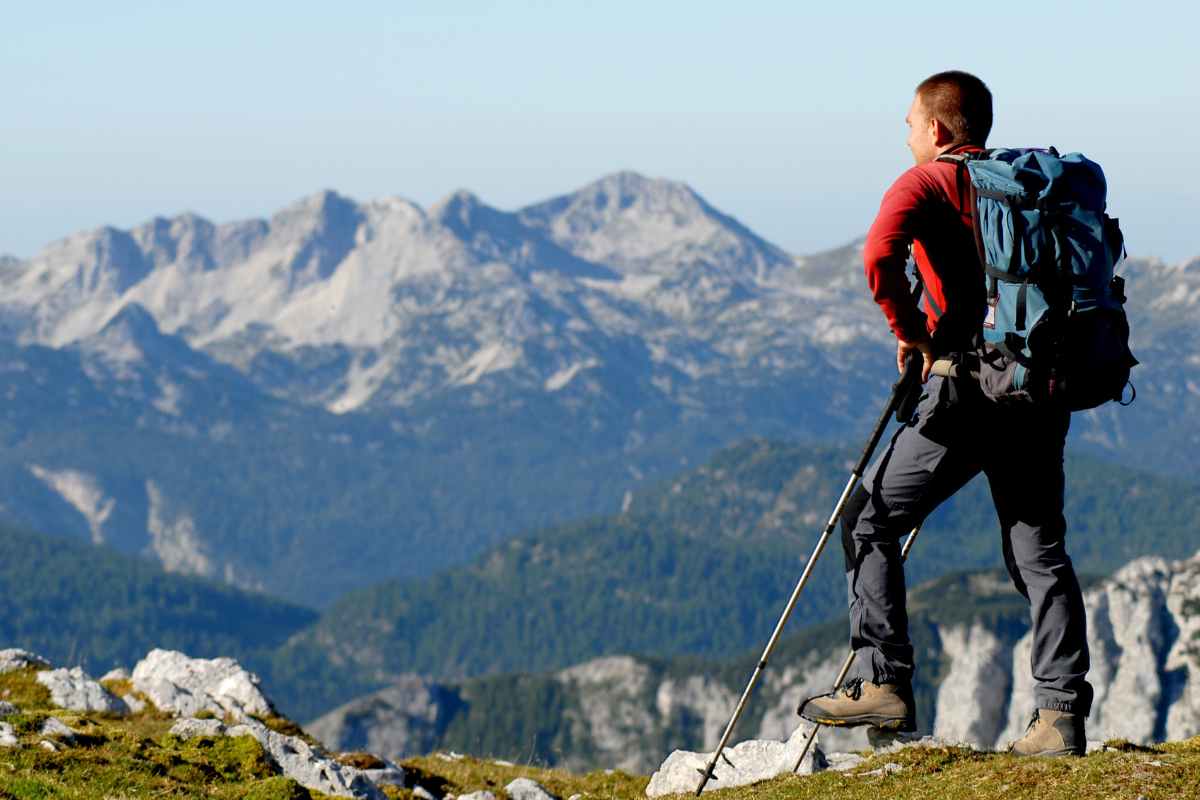
How to Improve Your Hiking Stamina
Improving your hiking stamina requires a multifaceted approach that includes cardiovascular fitness, muscular endurance, and mental toughness.
By focusing on these key areas, you'll be better equipped to handle the physical demands of hiking, from steep inclines to uneven terrain.
1. Build a Strong Cardiovascular Base
One of the most critical aspects of improving hiking stamina is developing a solid cardiovascular foundation. Cardiovascular fitness helps your body efficiently deliver oxygen to your muscles, which is crucial for sustained physical activity.
- Incorporate Aerobic Exercises: Activities such as running, cycling, swimming, and brisk walking are excellent ways to enhance your cardiovascular fitness. Aim to engage in aerobic exercises at least three to four times a week for 30 to 60 minutes per session. Varying your activities helps prevent boredom and targets different muscle groups.
- Interval Training: To further boost your cardiovascular endurance, incorporate interval training into your routine. This involves alternating between high-intensity bursts of activity (like sprinting or fast cycling) and periods of lower-intensity activity or rest. Interval training can improve your body's ability to handle the varying demands of a hike, such as tackling steep inclines or accelerating to cross difficult sections.
2. Strengthen Your Muscular Endurance
Muscular endurance is another vital component of hiking stamina. Your legs, core, and even your upper body need to be strong and capable of sustaining prolonged activity, especially when carrying a backpack.
- Leg Workouts: Exercises like squats, lunges, and step-ups are great for building the strength and endurance of the muscles you'll rely on most during a hike. These exercises target your quadriceps, hamstrings, calves, and glutes, all of which are crucial for powering up hills and maintaining stability on uneven terrain.
- Core Strengthening: A strong core helps with balance and reduces the risk of injury. Incorporate planks, Russian twists, and leg raises into your workout routine to strengthen your core muscles. A solid core also helps you maintain good posture and reduces fatigue, which is especially important during long hikes.
- Upper Body Exercises: While your legs do most of the work during a hike, your upper body also plays a role, especially when using trekking poles or scrambling over rocks. Include push-ups, pull-ups, and shoulder presses in your routine to ensure your upper body is up to the task.
3. Train with Hiking-Specific Workouts
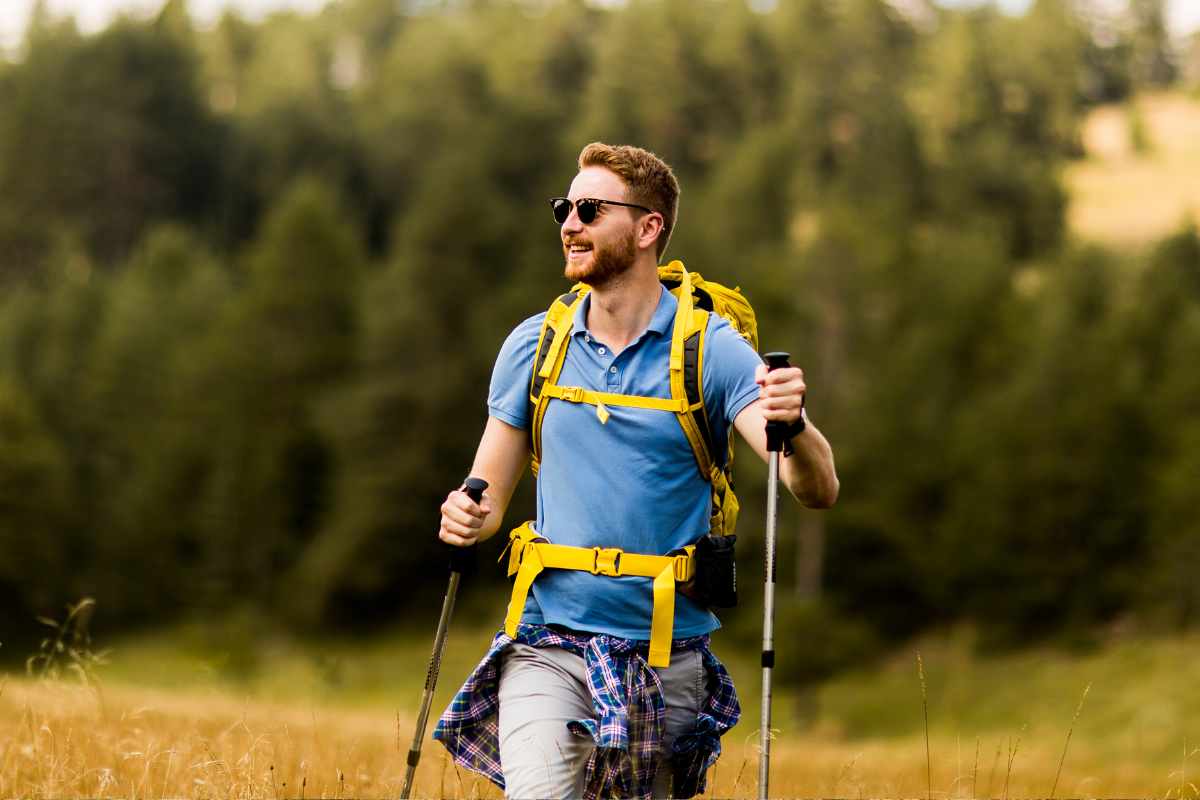
To improve your hiking stamina effectively, mimic the conditions of a hike during your training.
- Weighted Backpack Training: Start incorporating hiking with a weighted backpack into your routine. Begin with a lighter weight and gradually increase the load as your strength and endurance improve. This will help your body adapt to the additional weight of a hiking pack, enhancing your overall stamina and endurance.
- Stair Climbing and Hill Workouts: If you don't have access to natural trails, use stairs or steep inclines in your neighborhood or gym to simulate the effort needed to hike uphill. Stair climbing and hill workouts are excellent for building the strength and endurance required for hiking uphill and downhill.
4. Improve Your Flexibility and Balance
Having good flexibility and balance is crucial for navigating uneven terrain and preventing injuries.
- Stretch Regularly: Incorporate regular stretching into your routine to improve flexibility, which can help prevent muscle strains and joint injuries. Focus on dynamic stretches before workouts and static stretches afterward, targeting key muscle groups like the calves, hamstrings, quads, and lower back.
- Balance Exercises: Practice exercises that improve balance, such as single-leg stands, yoga, and tai chi. These activities enhance your ability to navigate tricky terrain and reduce the risk of falls.
5. Develop Mental Toughness
Hiking stamina is not just about physical endurance; it also requires mental fortitude. Long hikes can be mentally challenging, and maintaining a positive mindset is key to pushing through difficult moments.
- Set Realistic Goals: Start with shorter, less challenging hikes and gradually increase the difficulty and distance. Setting achievable goals allows you to build confidence and maintain motivation as your stamina improves.
- Mindfulness and Visualization: Practice mindfulness techniques to stay present and focused during hikes. Visualization exercises, where you imagine yourself successfully completing a challenging hike, can also boost your mental resilience.
6. Pay Attention to Nutrition and Hydration
Fueling your body properly is essential for maintaining energy levels and maximizing performance on long hikes.
- Balanced Diet: Focus on a diet rich in complex carbohydrates, lean proteins, and healthy fats. These nutrients provide sustained energy and aid in muscle recovery. Foods like whole grains, fruits, vegetables, nuts, and lean meats should be staples in your diet.
- Stay Hydrated: Dehydration can quickly sap your energy and reduce your stamina. Ensure you drink plenty of water before, during, and after your hikes. For longer hikes, consider drinks with electrolytes to replenish the salts lost through sweat.
7. Use Proper Hiking Techniques
Finally, using the right techniques while hiking can help conserve energy and improve your stamina.
- Pacing: Maintain a steady pace that allows you to keep going without becoming overly fatigued. It's better to hike at a consistent, moderate speed than to rush and tire yourself out quickly.
- Breathing Techniques: Practice deep, rhythmic breathing to ensure your muscles receive adequate oxygen. This can help prevent fatigue and improve endurance.
- Foot Placement: Pay attention to your foot placement, especially on uneven terrain. Proper technique can reduce the strain on your muscles and joints, allowing you to hike longer without discomfort.

Improving your hiking stamina is a gradual process that requires consistent effort and a holistic approach.
By focusing on cardiovascular fitness, muscular endurance, mental toughness, flexibility, and proper nutrition, you can enhance your ability to tackle longer and more challenging hikes.
Remember, the key is to start slow, listen to your body, and gradually increase the intensity of your workouts. With dedication and the right techniques, you'll soon find yourself hiking longer, feeling stronger, and enjoying the great outdoors like never before.
Did you find this post useful or inspiring? Save THIS PIN for later in your Outdoor Board on Pinterest! 😊
Explore these outdoor tips too