
How to Plan a Day Hike: A Guide for Beginners
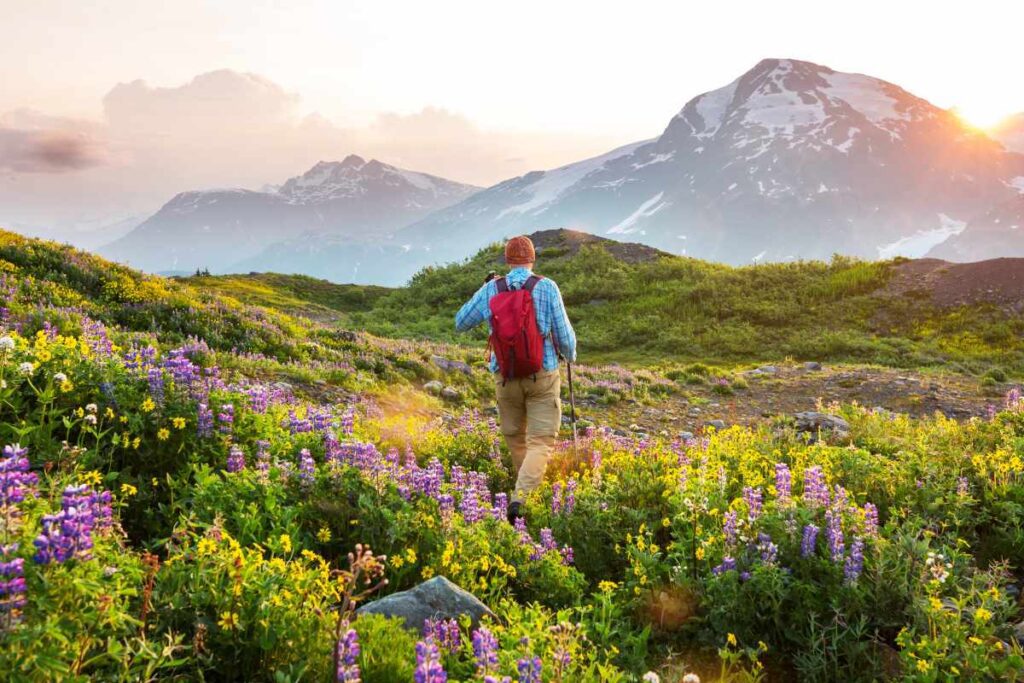
Planning a day hike can be an exciting adventure, especially for beginners looking to explore nature and enjoy some fresh air. However, preparing properly is essential to ensure a safe and enjoyable experience.
Whether you're a novice or just looking to refine your process, understanding how to plan a day hike involves more than just picking a trail and heading out.
It requires consideration of weather, gear, safety measures, and more. This article provides a comprehensive checklist to help you prepare for your first day hike, ensuring you have all the essentials covered.
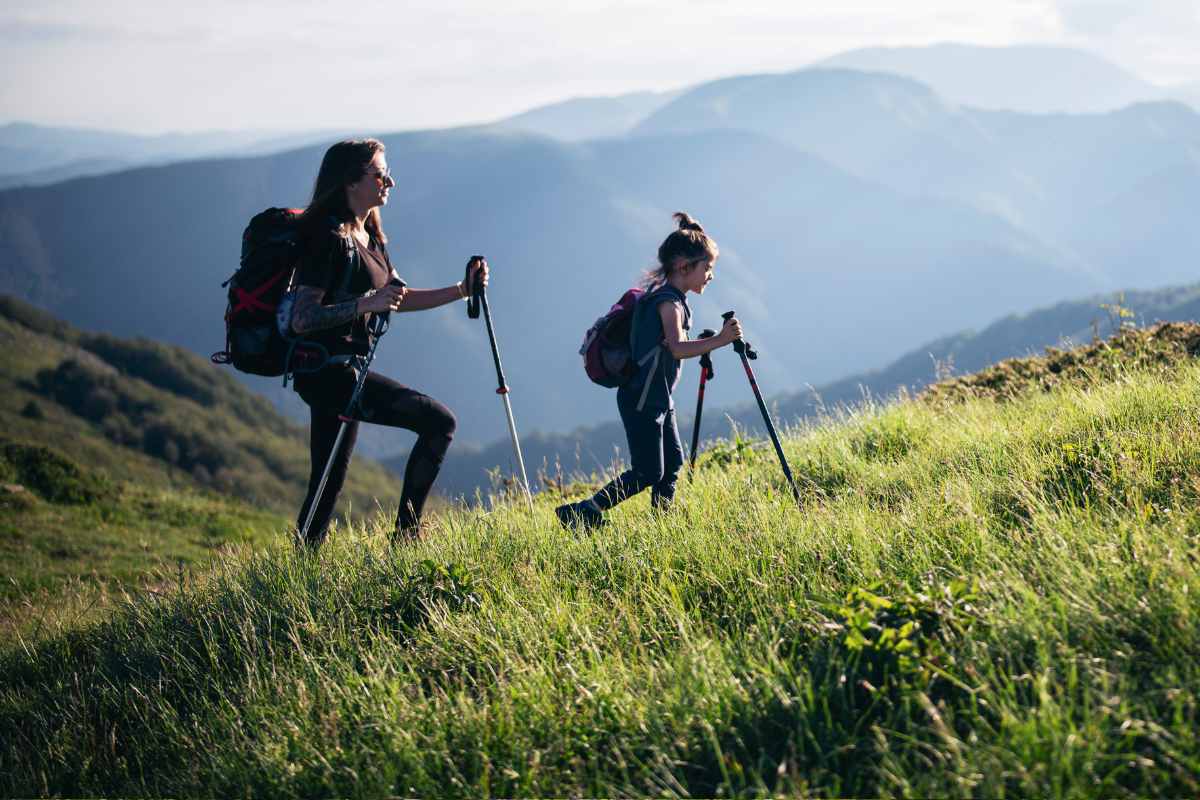
How to Plan a Day Hike: Essential Steps for a Successful Adventure
When learning how to plan a day hike, it’s crucial to break down the process into manageable steps. Here’s a guide to help you get started:
1. Choose the Right Trail
Selecting an appropriate trail is the first step in planning a successful day hike. As a beginner, choose a trail that matches your fitness level and experience. Start with shorter, well-marked paths that are popular among hikers.
Research online or use apps like AllTrails to find trails suitable for beginners. Pay attention to the trail's length, elevation gain, and difficulty rating. It's also wise to read recent reviews to understand current trail conditions and potential hazards.
2. Check the Weather
Before heading out, always check the weather forecast for the area you plan to hike. Weather conditions can change rapidly in many hiking locations, especially in mountainous areas.
Understanding the forecast helps you prepare for potential challenges such as rain, snow, or high winds. Make sure to dress in layers appropriate for the weather and pack extra clothing in case the temperature drops unexpectedly.
3. Wear Appropriate Footwear
Investing in a good pair of hiking boots or shoes is crucial for comfort and safety on the trail. Choose footwear that provides adequate support and traction. For most beginners, a pair of lightweight hiking shoes with good grip will suffice.
Ensure your shoes are well broken in to prevent blisters and discomfort during your hike. Don't forget to wear moisture-wicking socks to keep your feet dry and reduce the risk of blisters.
4. Pack the Essentials
Packing the right gear is one of the most important aspects of planning a day hike. Here’s a checklist of essential items to bring:
- Navigation tools (map, compass, GPS)
- Hydration (at least 2 liters of water per person)
- Food (snacks like trail mix, energy bars, and a packed lunch)
- First-aid kit (bandages, antiseptic, blister care, pain relievers)
- Sun protection (sunscreen, hat, sunglasses)
- Extra clothing (jacket, rain gear, hat, gloves)
- Multi-tool or knife
- Headlamp or flashlight (with extra batteries)
- Emergency shelter (lightweight tarp or space blanket)
5. Tell Someone About Your Plans
Always inform someone about your hiking plans, including the trail you plan to take and your expected return time.
This step is crucial for safety purposes in case you encounter an emergency and need assistance. Provide your contact details and a rough itinerary to a friend or family member.
6. Understand Leave No Trace Principles
Respecting nature and minimizing your impact is a critical part of hiking. The Leave No Trace principles are a set of guidelines to follow while enjoying the outdoors.
These include carrying out all trash, respecting wildlife, and staying on marked trails to prevent erosion. Familiarize yourself with these principles to help protect the environment for future hikers.
7. Know Your Limits and Pace Yourself
As a beginner, it’s important to recognize your physical limits and pace yourself accordingly. Start with shorter, less challenging hikes and gradually work your way up to longer and more strenuous trails.
Listen to your body and take breaks when needed. It’s better to enjoy a shorter hike than to push yourself too hard and risk injury or exhaustion.
 Tips for a Safe and Enjoyable Day Hike
 Tips for a Safe and Enjoyable Day Hike
After you've covered the basics of how to plan a day hike, here are some additional tips to make your experience safe and enjoyable:
1. Start Early
Starting your hike early in the day allows you to enjoy cooler temperatures and gives you ample time to complete your hike before dark. It also reduces the likelihood of getting caught in afternoon thunderstorms, which are common in some areas.
2. Stay Hydrated and Nourished
Keep yourself hydrated by drinking water regularly throughout your hike. Don’t wait until you’re thirsty to drink; dehydration can sneak up on you, especially in hot or dry conditions. Also, pack enough snacks to keep your energy levels up. High-energy foods like nuts, dried fruit, and jerky are great options.
3. Be Aware of Wildlife
While encountering wildlife can be a highlight of your hike, it’s essential to maintain a safe distance and not feed or disturb animals. Learn about the wildlife in the area you’ll be hiking and understand how to react if you encounter potentially dangerous animals, such as bears or snakes.
4. Stay on the Trail
Staying on marked trails is important for your safety and to preserve the environment. Venturing off the path can lead to getting lost or damaging fragile ecosystems. Trails are designed to provide the safest route and minimize environmental impact, so stick to them.
5. Be Prepared for Emergencies
Even with careful planning, emergencies can happen. Having a basic understanding of first aid and carrying a well-stocked first-aid kit can make a big difference. Familiarize yourself with common hiking injuries, such as sprains or heat exhaustion, and know how to treat them.
6. Enjoy the Journey
Remember that hiking is not just about reaching your destination but also about enjoying the journey. Take time to appreciate the natural beauty around you, breathe deeply, and take plenty of photos. Being in nature can be incredibly rejuvenating, so soak in every moment.
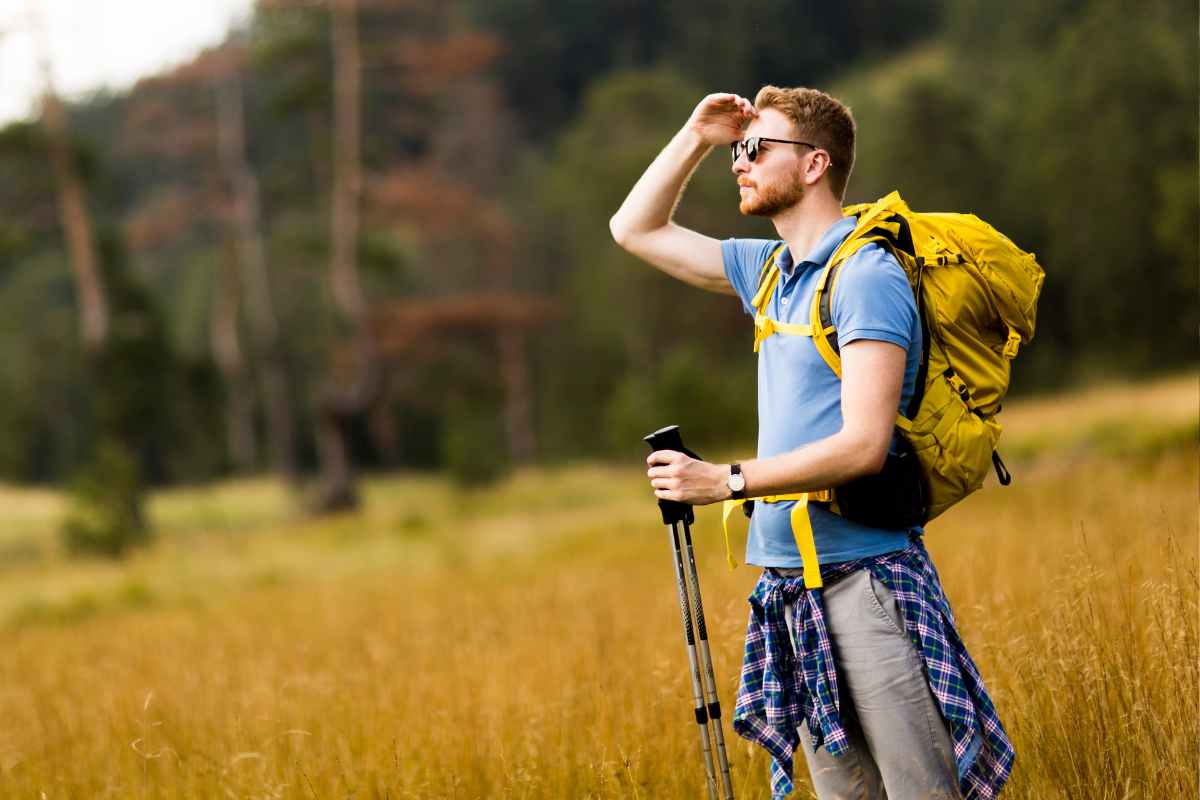
Planning a day hike may seem daunting at first, but by following these steps and preparing thoroughly, you can ensure a safe and enjoyable adventure.
Remember to choose an appropriate trail, check the weather, pack essential gear, and always respect nature.
By taking the time to learn how to plan a day hike, you set yourself up for a successful outing and open the door to countless outdoor adventures in the future. Happy hiking!
Did you find this post useful or inspiring? Save THIS PIN for later in your Outdoor Board on Pinterest! 😊

Explore these outdoor tips too