
How to Prevent Blisters on Long Hikes
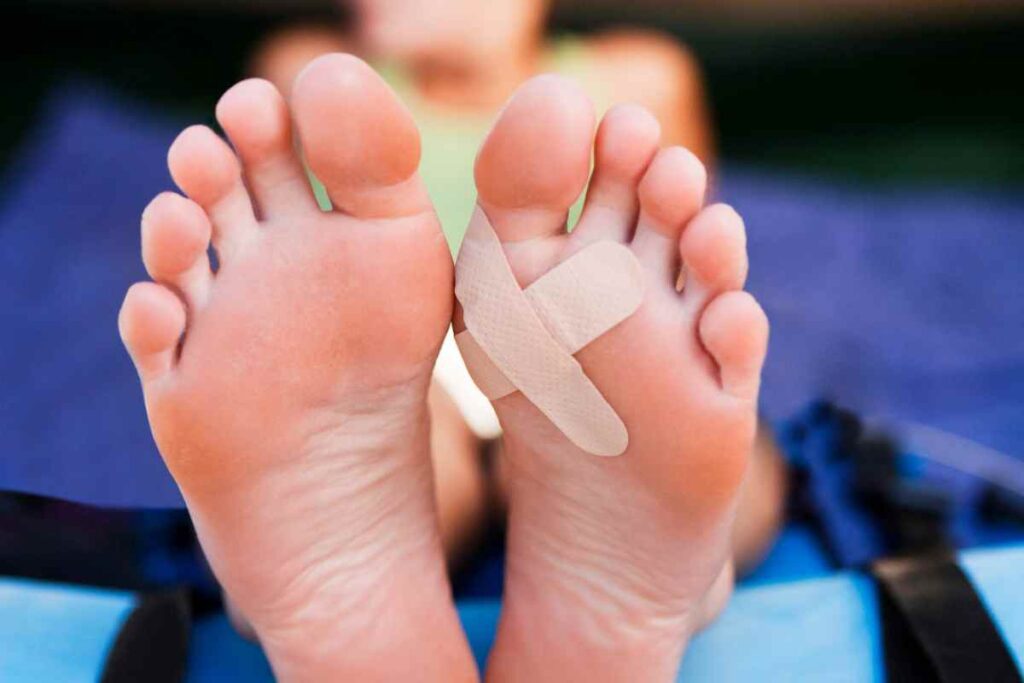
Embarking on a long hike is an exhilarating experience, offering the chance to explore nature, challenge yourself, and enjoy some well-deserved time outdoors.
However, nothing can ruin a hike faster than the painful and uncomfortable development of blisters on your feet.
Preventing blisters is essential to ensure that you can fully enjoy your hike without unnecessary discomfort.
In this article, we will explore practical tips and strategies to prevent blisters on long hikes, allowing you to focus on the beauty of your surroundings rather than the pain in your feet.
Understanding the Causes of Blisters
Before diving into prevention methods, it's important to understand what causes blisters in the first place.
Blisters are small pockets of fluid that form under the skin due to friction, heat, and moisture. When you hike, your feet rub against your shoes and socks, creating friction that can lead to blisters.
Additionally, the moisture from sweat can soften the skin, making it more susceptible to damage from friction. Knowing these causes can help you take the necessary steps to prevent blisters on your next hike.
Choosing the Right Footwear
The foundation of blister prevention lies in selecting the right footwear. Hiking boots that fit well and provide adequate support are crucial. When shopping for boots, consider the following:
- Fit: Your hiking boots should fit snugly but not too tightly. There should be enough room for your toes to wiggle, but your heel should stay in place without slipping.
- Break-In Period: New boots often need a break-in period to soften the material and mold to your feet. Wear your boots on shorter hikes or around the house before tackling longer trails.
- Breathability: Opt for boots made from breathable materials that allow moisture to escape, reducing the risk of sweaty feet and blisters.
Choosing the Right Socks
The type of socks you wear is just as important as your footwear in preventing blisters.
Here are some tips for selecting the best socks for long hikes:
- Moisture-Wicking: Choose socks made from moisture-wicking materials like merino wool or synthetic blends. These fabrics help keep your feet dry by drawing moisture away from the skin.
- Cushioning: Socks with cushioning in key areas can reduce friction and provide additional comfort during long hikes.
- Seamless Design: Socks with flat or seamless toe seams minimize the risk of friction against your toes, a common spot for blisters to form.
Proper Lacing Techniques
How you lace your boots can have a significant impact on blister prevention. Improper lacing can cause your feet to slide around in your boots, leading to increased friction.
Follow these lacing tips to prevent blisters:
- Heel Lock Lacing: This technique locks your heel in place, reducing movement and friction. To do this, lace your boots normally until the last set of eyelets, then cross the laces and pull them through the hooks above. Finally, tie the laces securely.
- Adjustable Tension: Adjust the tension of your laces throughout the hike. If your feet start to swell, loosen the laces slightly to maintain comfort without compromising stability.
Using Blister Prevention Products
There are several products available that can help prevent blisters before they even start. Consider adding these to your hiking gear:
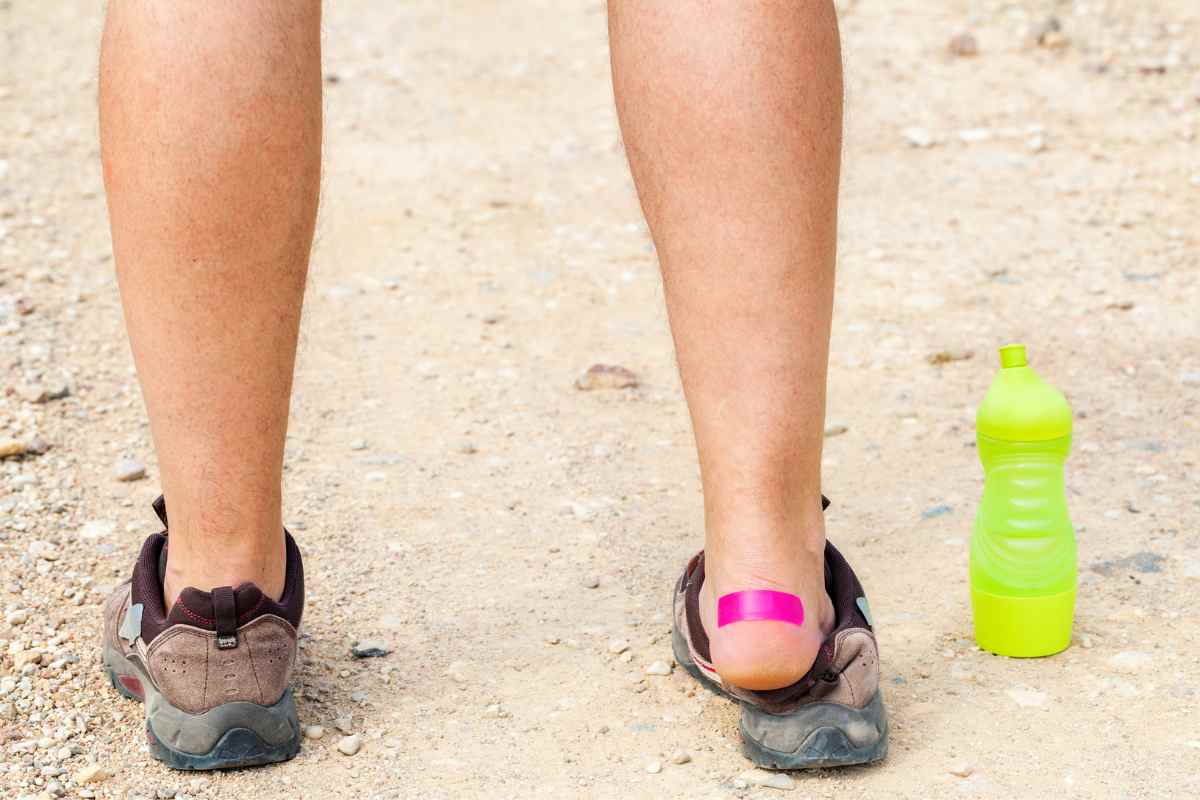
- Blister Patches: Apply these adhesive patches to areas prone to blisters before you start hiking. They act as a barrier between your skin and your footwear, reducing friction.
- Foot Powder: Sprinkle foot powder in your socks to keep your feet dry and reduce moisture-related friction.
- Lubricants: Apply a thin layer of lubricant, such as petroleum jelly, to potential hot spots on your feet. This helps reduce friction and keeps your skin from rubbing against your socks or boots.
Keeping Your Feet Dry
Moisture is a major contributor to blisters on long hikes. To keep your feet dry and prevent blisters, follow these tips:
- Change Socks Regularly: If you're hiking for an extended period, bring extra pairs of socks and change them whenever your feet start to feel damp.
- Air Out Your Feet: During breaks, take off your boots and socks to allow your feet to air out and dry. This can help reduce the risk of moisture-related blisters.
- Use Foot Antiperspirant: Consider using a foot-specific antiperspirant before your hike. This can help reduce sweating and keep your feet dry.
Monitoring and Treating Hot Spots
Hot spots are areas on your feet that start to feel warm or irritated during a hike. Recognizing and treating hot spots early is crucial to preventing blisters.
Here's how to manage them:
- Identify Hot Spots: Pay attention to any areas of your feet that start to feel warm or sore. These are likely hot spots that could turn into blisters if left untreated.
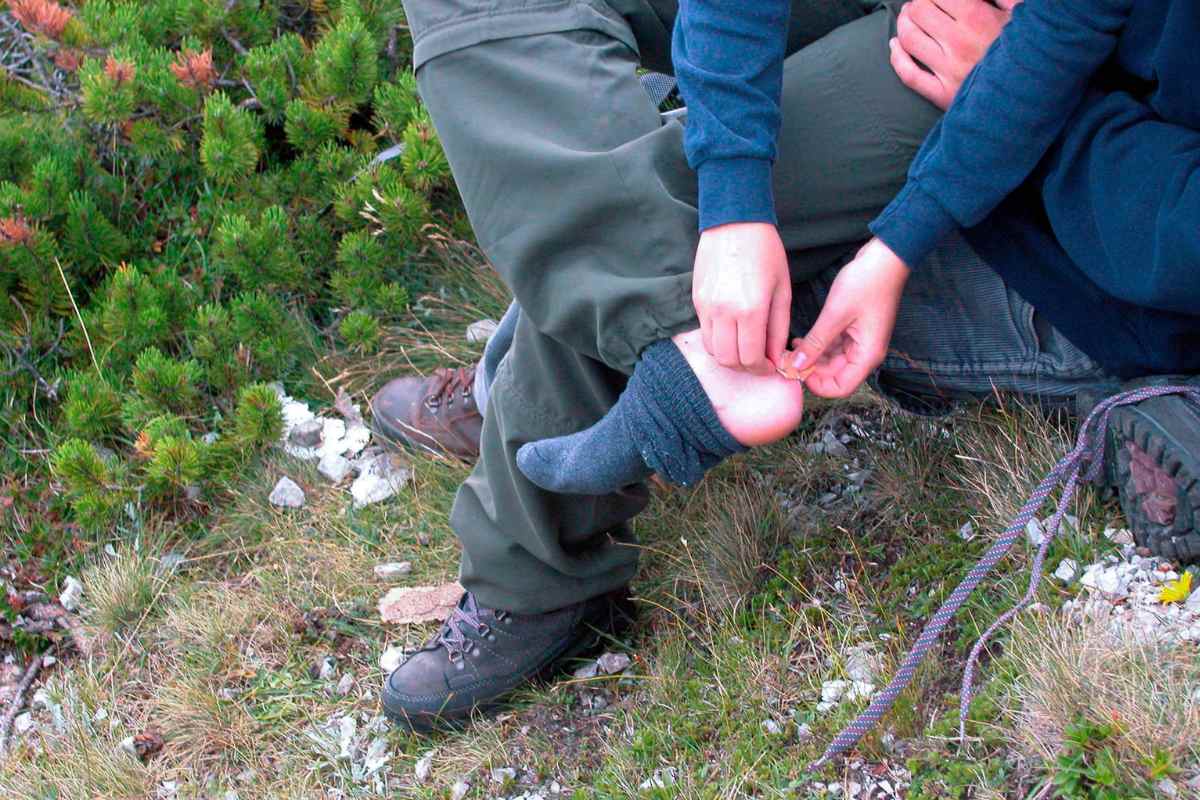
- Apply Blister Patches: As soon as you notice a hot spot, stop and apply a blister patch or adhesive bandage to the area. This will create a protective barrier and reduce friction.
- Adjust Your Gear: If you notice a hot spot, consider adjusting your socks, boots, or laces to alleviate pressure on the affected area.
Staying Hydrated and Maintaining Nutrition
While it might not seem directly related, staying hydrated and maintaining proper nutrition can play a role in blister prevention. Dehydration can lead to swollen feet, increasing friction, and the risk of blisters.
Additionally, maintaining electrolyte balance can help prevent foot swelling and discomfort. Make sure to drink plenty of water and consume snacks that provide electrolytes, such as nuts or sports drinks, during your hike.
Aftercare: What to Do If You Get a Blister
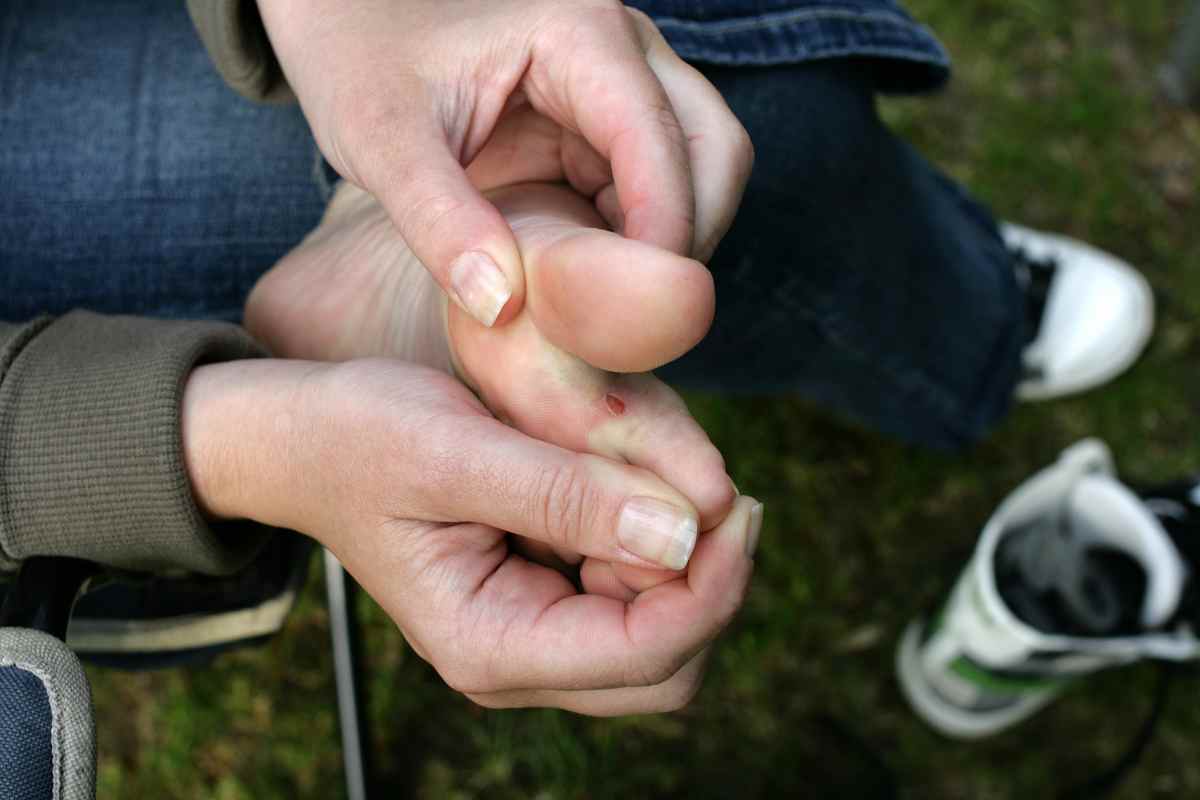
Despite your best efforts, sometimes blisters are unavoidable. If you do develop a blister during your hike, it's important to care for it properly to avoid infection and further discomfort.
Follow these steps:
- Clean the Area: Gently clean the blister and the surrounding area with soap and water or an antiseptic wipe.
- Leave It Intact: If the blister is not painful, it's best to leave it intact. The fluid inside the blister protects the underlying skin.
- Cover with a Bandage: Apply a sterile bandage or blister patch over the blister to protect it from friction and keep it clean.
- Avoid Popping: If the blister is painful or likely to burst, you can carefully drain it using a sterilized needle. Once drained, clean the area again and apply a bandage.
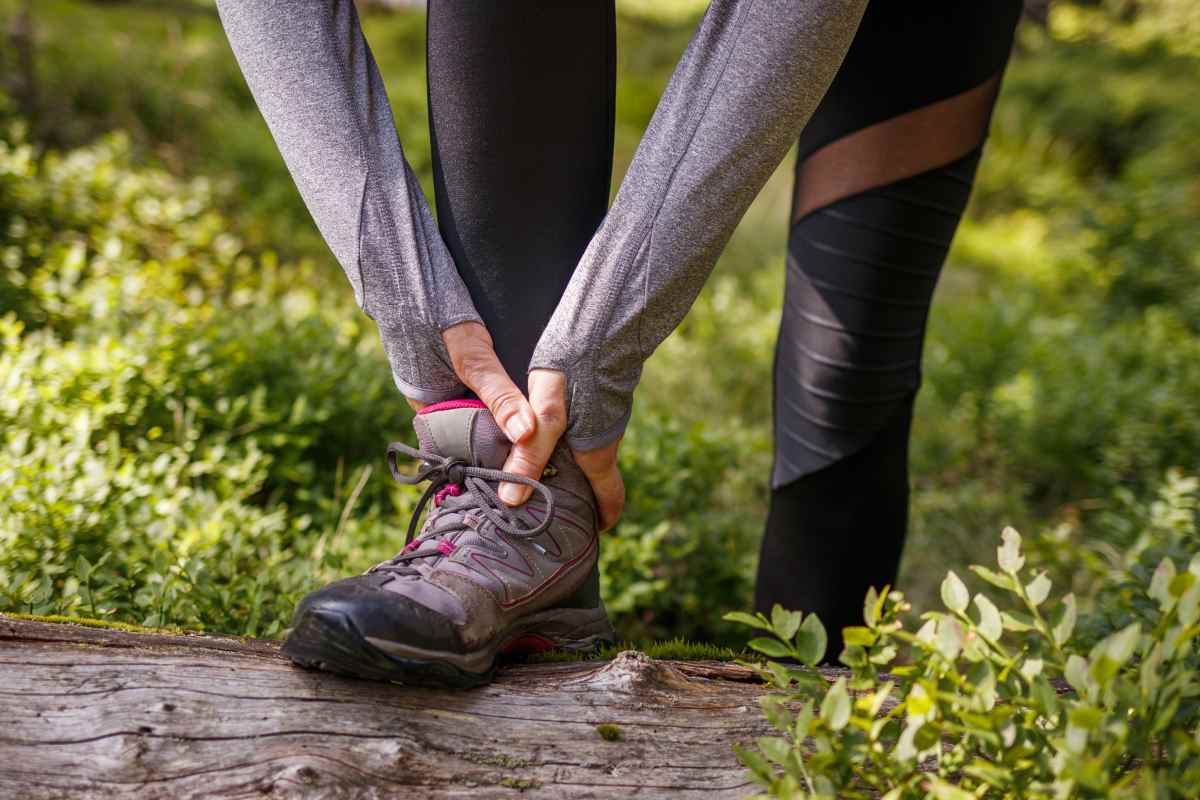
Conclusion on Preventing blisters on long hikes
Preventing blisters on long hikes requires a combination of the right footwear, socks, and care techniques.
By choosing appropriate gear, using blister-prevention products, and monitoring your feet during the hike, you can significantly reduce the risk of blisters and enjoy your outdoor adventure to the fullest.
Remember, taking extra precautions before and during your hike can make all the difference in ensuring a comfortable and enjoyable experience.
Did you find this post useful or inspiring? Save THIS PIN for later in your Outdoor Board on Pinterest! 😊
Explore these outdoor tips too