
How to Stay Hydrated on the Trail
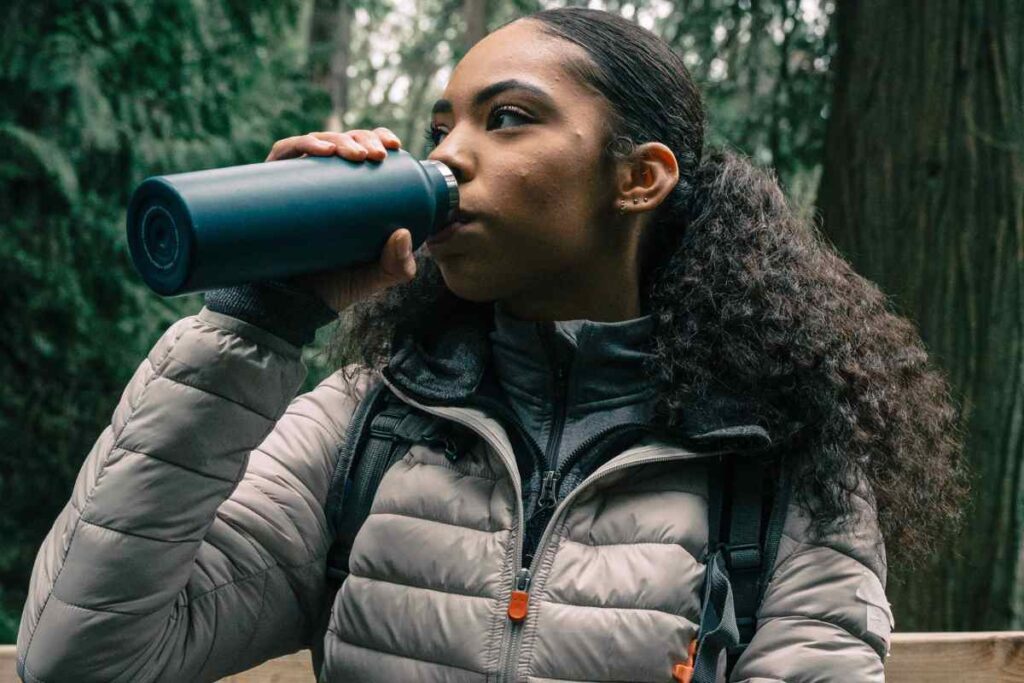
Staying hydrated while hiking is crucial for maintaining your energy levels, preventing dehydration, and ensuring an enjoyable experience on the trail.
Whether you're embarking on a short day hike or a multi-day trek, understanding how to manage your water intake can make all the difference.
Stay Hydrated and follow these essential tips to keep your body fueled and ready for adventure.
The Importance of Staying Hydrated
Staying hydrated is vital for hikers as it helps regulate body temperature, lubricates joints, and transports nutrients to keep your energy levels high.
Dehydration can lead to fatigue, dizziness, and even more severe conditions such as heat stroke. To avoid these risks, it's important to develop a hydration strategy before you hit the trail.
Plan Ahead
Before setting out on your hike, research the trail and the availability of water sources along the way. National parks and popular hiking destinations often provide information on their websites regarding water availability.
Carrying a trail map can also help you locate streams, lakes, or springs where you can refill your water bottles.
Bring Enough Water
The amount of water you need depends on various factors, including the length and difficulty of the hike, the weather conditions, and your personal hydration needs.
A general rule of thumb is to drink about half a liter of water per hour of moderate activity in moderate temperatures. For more strenuous hikes or hot weather, you may need to increase this amount.

Choose the Right Water Container
Select a water container that is suitable for your hike. Hydration bladders, such as CamelBaks, are convenient for easy sipping without having to stop.
Water bottles, particularly insulated ones, can keep your water cool for longer periods. Consider bringing both to have options depending on your hiking style and preferences.
Use Water Filtration Methods
If you plan to refill your water from natural sources, it's essential to carry a water filtration system to ensure the water is safe to drink.
Options include portable water filters, purification tablets, or UV light purifiers. Always test your filtration method before your hike to ensure it works properly.
Monitor Your Hydration Levels
Pay attention to your body's signals to avoid dehydration. Signs of dehydration include thirst, dry mouth, dark yellow urine, and dizziness.
To monitor your hydration, make a habit of checking the color of your urine during breaks. Aim for light yellow urine, which indicates proper hydration.

Electrolyte Balance
In addition to water, maintaining an electrolyte balance is crucial, especially on longer hikes or in hot weather.
Electrolytes such as sodium, potassium, and magnesium help regulate your body's fluid levels and prevent muscle cramps. Pack electrolyte tablets, powders, or sports drinks to replenish these vital nutrients.
Drink Regularly
Rather than waiting until you're thirsty, drink small amounts of water regularly throughout your hike. Set a timer or use natural landmarks as reminders to take sips.
This approach helps maintain steady hydration levels and prevents the onset of dehydration.
Eat Hydrating Foods
Incorporate hydrating foods into your trail snacks and meals. Fruits such as oranges, watermelon, and grapes have high water content and provide natural sugars for energy.
Vegetables like cucumbers and celery are also excellent choices. These foods can supplement your water intake and keep you feeling refreshed.
Avoid Dehydrating Substances
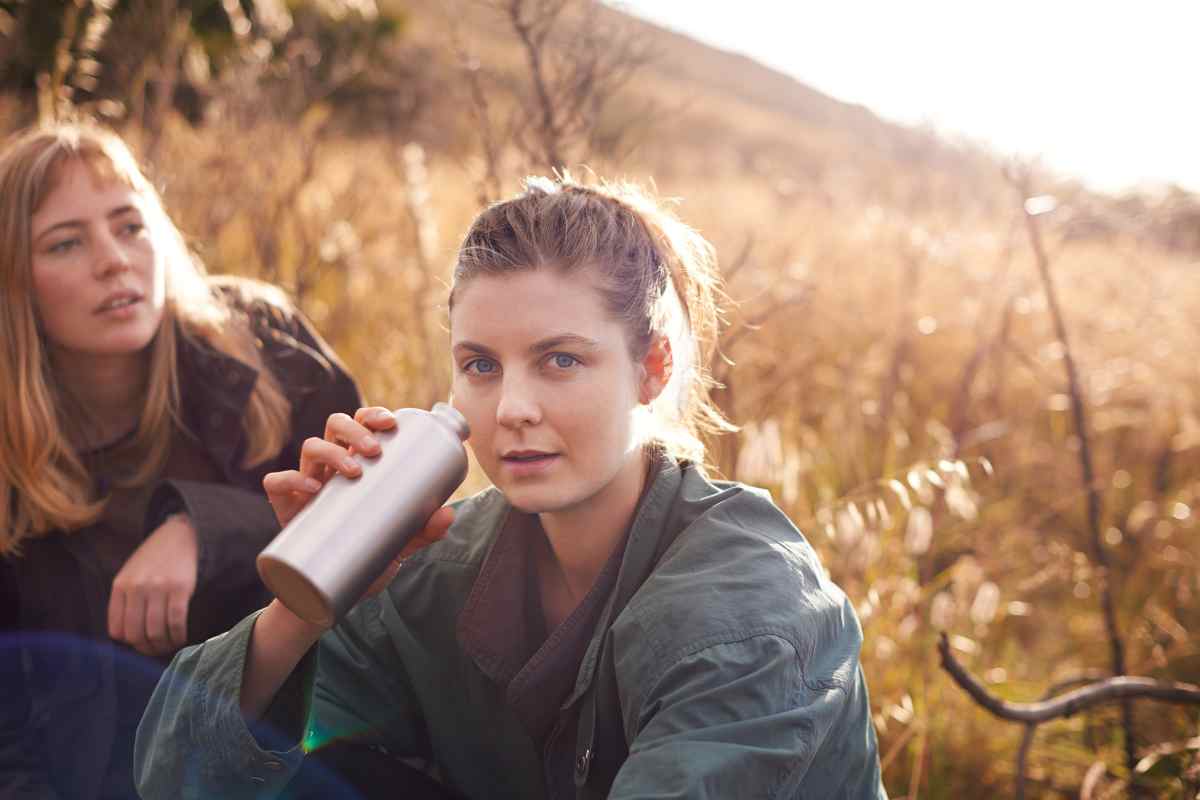
Certain substances can contribute to dehydration, including caffeine and alcohol. While a cup of coffee or tea in the morning is fine, avoid excessive consumption before and during your hike.
Similarly, save celebratory drinks for after your adventure to prevent dehydration on the trail.
Acclimate to the Environment
If you're hiking in a different climate than you're accustomed to, give your body time to acclimate. High altitudes, hot deserts, or humid forests can impact your hydration needs.
Spend a few days adjusting to the new environment, increase your water intake, and monitor how your body responds.
Listen to Your Body
Every hiker is different, and individual hydration needs can vary. Listen to your body and adjust your water intake accordingly.
If you feel thirsty, drink. If you notice signs of dehydration, take immediate action to rehydrate. Your health and safety should always be your top priority.
Know the Symptoms of Severe Dehydration
Severe dehydration can be life-threatening. Symptoms include confusion, rapid heartbeat, lack of sweating, and fainting.
If you or a fellow hiker experience these symptoms, seek medical attention immediately. Knowing how to recognize and respond to severe dehydration can save lives.
Stay Hydrated in Different Seasons
Hydration needs can change with the seasons. In summer, the heat increases your sweat rate, requiring more frequent water intake.
In winter, the cold can suppress your thirst, making it easy to forget to drink. Staying hydrated is essential for safe and enjoyable hiking regardless of the season.
Hydration for Multi-Day Hikes
For multi-day hikes, plan your water strategy carefully. Research water sources along the route and carry a reliable filtration system.
Consider caching water along the trail if allowed, or arrange for resupply points. Ensure you have enough capacity to bring the water you need between sources.

Conclusion
Staying hydrated on the trail is crucial for your health, performance, and enjoyment.
By planning, carrying enough water, using proper filtration methods, and paying attention to your body's signals, you can ensure a safe and rewarding hiking experience.
Stay hydrated and take proactive steps to maintain your hydration levels throughout your adventure. Happy hiking!
Did you find this post useful or inspiring? Save THIS PIN for later in your Outdoor Board on Pinterest! 😊

Explore these outdoor tips too