
How to Stay Safe While Hiking in Volcanic Terrain
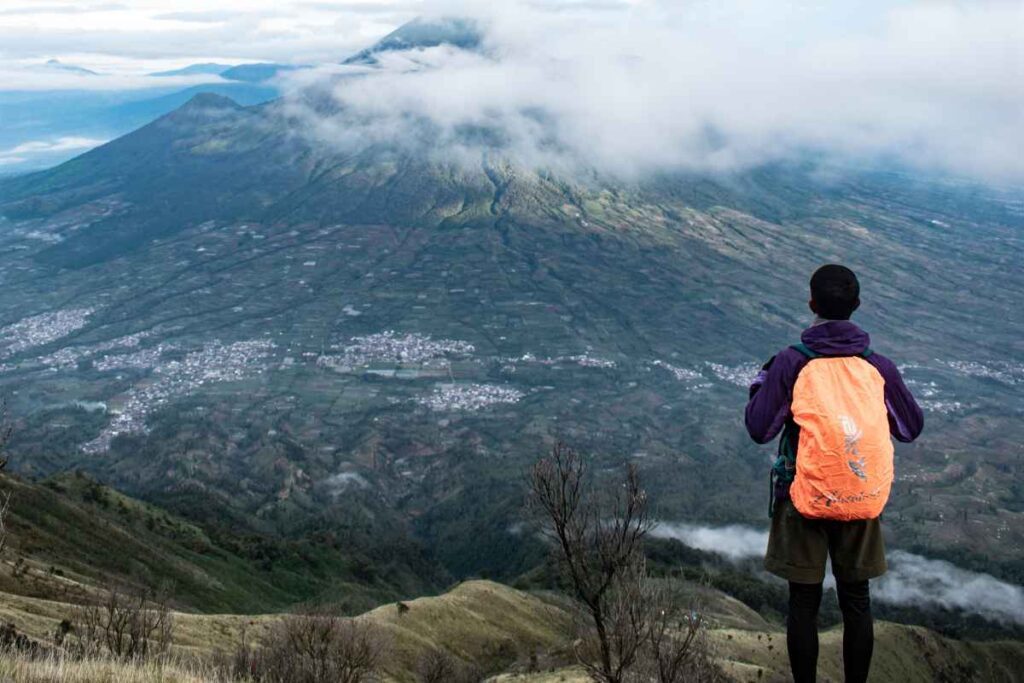
Hiking in volcanic terrain can be an exhilarating experience, offering breathtaking views and the thrill of exploring some of the Earth's most dynamic landscapes.
However, this type of environment presents unique challenges and risks that require careful preparation and awareness.
Understanding the potential dangers and taking the necessary precautions can ensure that your adventure is both safe and enjoyable.
Hiking in Volcanic Terrain: Understanding the Environment
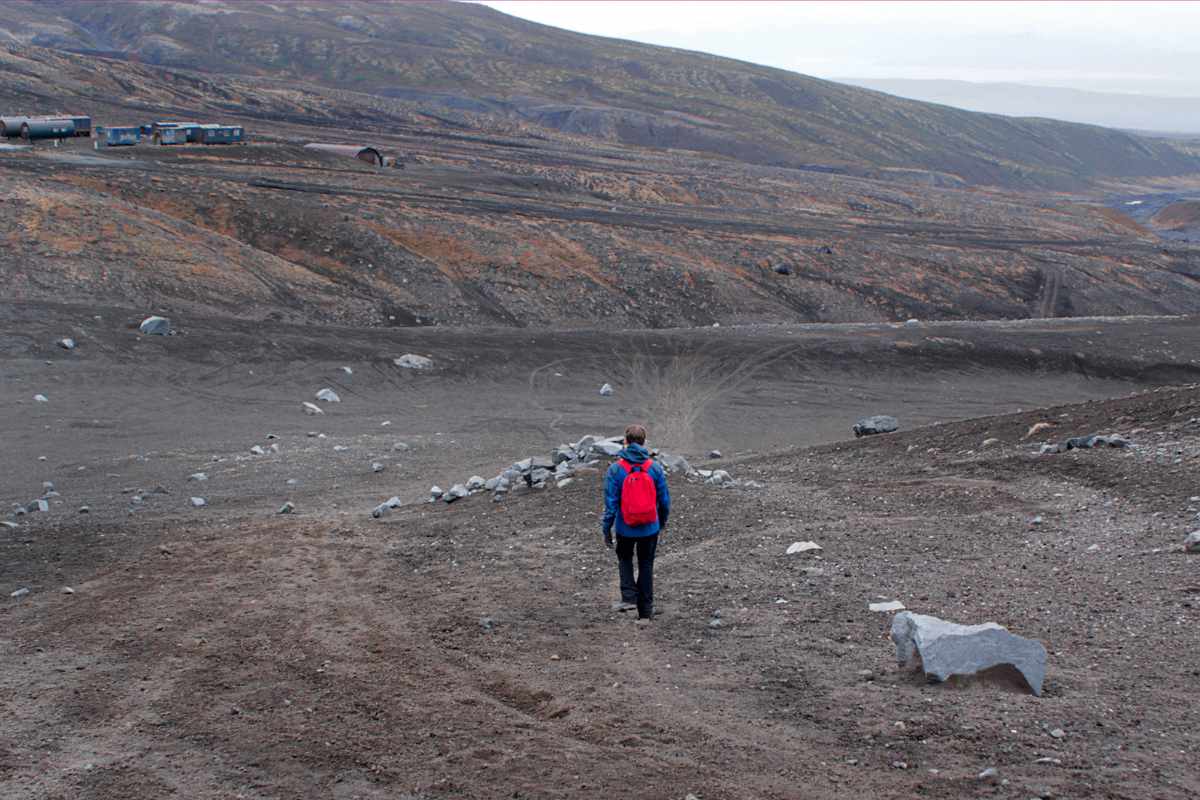
Volcanic landscapes are unpredictable and can change rapidly due to seismic activity. The presence of active or dormant volcanoes means that hikers must be vigilant about potential hazards, including eruptions, gas emissions, and unstable ground.
The beauty of these landscapes often belies the latent dangers that can turn a peaceful hike into a life-threatening situation.
Therefore, it's crucial to educate yourself about the specific volcanic area you're visiting, understanding its history, current activity level, and any specific risks associated with it.
Research and Preparation
Before embarking on any hike in volcanic terrain, thorough research is essential. Start by understanding the current volcanic activity of the area.
Websites like the United States Geological Survey (USGS) or local geological services provide up-to-date information on volcanic conditions.
If the area is prone to frequent eruptions or seismic activity, consider postponing your hike until conditions stabilize.
Additionally, familiarize yourself with the terrain. Volcanic areas often feature rough, uneven ground, loose rocks, and steep slopes, all of which can be challenging to navigate. Knowing the trail conditions and the potential hazards ahead of time can help you prepare both mentally and physically for the hike.
Packing the right gear is also crucial. Given the rough terrain, sturdy hiking boots with good ankle support are a must. Bring a map, compass, and GPS device to help navigate the often-unmarked trails.
Carry enough water, as volcanic areas can be dry and lacking in natural water sources. Finally, pack a first-aid kit that includes supplies for treating cuts, scrapes, and burns, as these are common injuries in volcanic terrain.
Recognize the Signs of Volcanic Activity
One of the most critical aspects of staying safe while hiking in volcanic terrain is being able to recognize the signs of volcanic activity.
While many volcanic eruptions are preceded by warnings from geological authorities, some can occur with little notice. Understanding the early signs of volcanic unrest can give you valuable time to evacuate the area.
Signs to watch for include:
- Increased steam or gas emissions from vents or fissures
- Sudden changes in water temperature in nearby lakes or streams
- Unusual animal behavior, such as birds or mammals fleeing the area
- Minor tremors or earthquakes felt underfoot
- Changes in the landscape, such as cracks or bulges in the ground
If you notice any of these signs, it’s essential to leave the area immediately and report your observations to local authorities.
Stay on Marked Trails and Respect Warning Signs
When hiking in volcanic terrain, always stay on marked trails. These paths are designed to keep you away from the most dangerous areas, such as unstable ground or gas-emitting vents.
Straying off the trail can lead you into hazardous zones where the risk of injury or exposure to harmful gases is significantly higher.
Respect all warning signs and barriers. These are in place for your safety, often marking areas that are particularly dangerous or unstable.
It may be tempting to explore beyond these boundaries, especially if you’re eager to get a closer look at a volcanic feature, but doing so can put you in serious danger.
Be Prepared for Changing Conditions
Volcanic terrain is notorious for rapidly changing weather conditions. A sunny day can quickly turn into a stormy one, with heavy rain, lightning, or fog.
Always check the weather forecast before your hike, but be prepared for the unexpected. Pack extra layers of clothing, including waterproof gear, even if the weather seems clear.
Additionally, volcanic areas can be prone to sudden temperature changes. The ground may be hot due to underlying magma, while the air temperature can drop significantly at higher elevations.
Wearing appropriate clothing and being prepared for these fluctuations is essential for staying comfortable and safe during your hike.
Protect Yourself from Toxic Gases
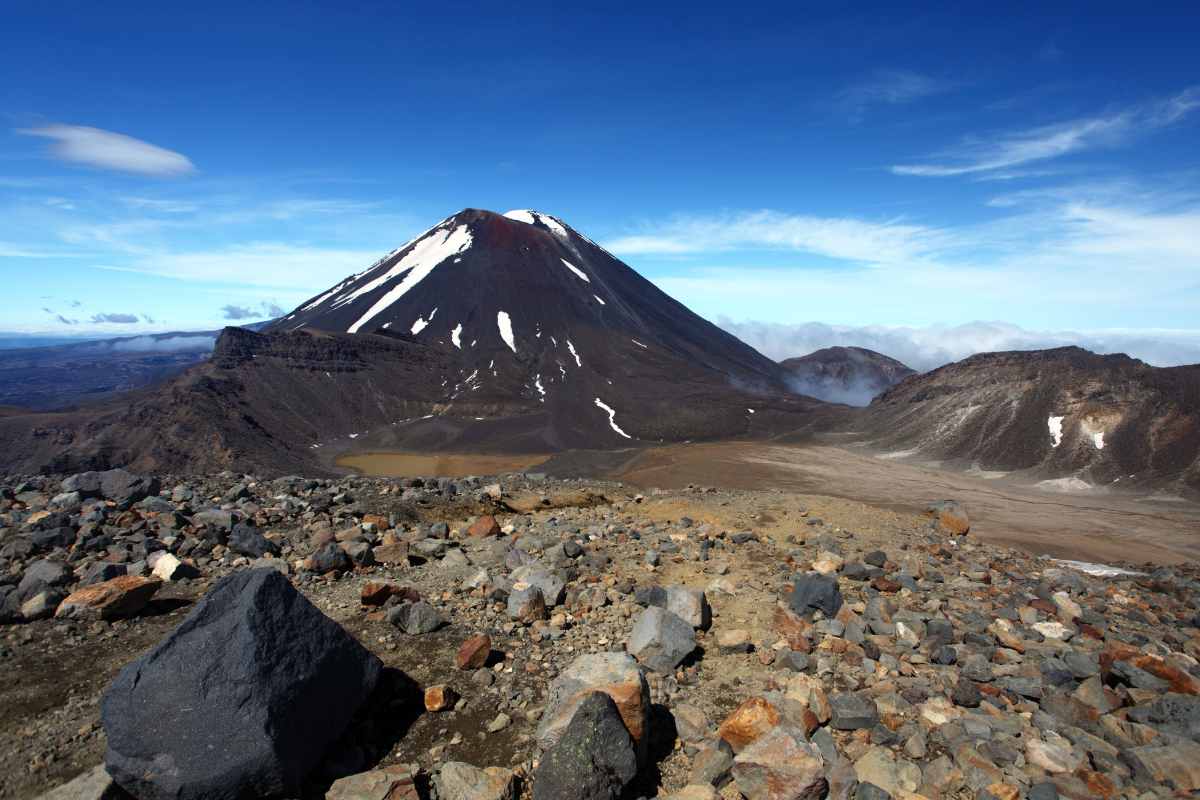
One of the most dangerous aspects of hiking in volcanic terrain is the potential exposure to toxic gases.
Volcanoes emit gases such as sulfur dioxide, carbon dioxide, and hydrogen sulfide, which can be harmful or even fatal if inhaled in large quantities. These gases are often odorless and invisible, making them particularly insidious.
To protect yourself, consider carrying a portable gas mask designed to filter out volcanic gases.
If you don’t have a mask, covering your nose and mouth with a cloth can provide some level of protection, though it is far from foolproof. Avoid low-lying areas where gases can accumulate, and stay upwind of any visible emissions.
Know the Emergency Procedures
In the event of an emergency, knowing the proper procedures can make a significant difference. Familiarize yourself with the evacuation routes before starting your hike. These routes are typically marked on maps and by signs in the area.
If an eruption occurs, move quickly but calmly to higher ground and away from the volcano. Avoid river valleys, as these can become channels for fast-moving lava flows or lahars (volcanic mudflows). If you’re caught in an ashfall, cover your nose and mouth to avoid inhaling the fine particles and seek shelter immediately.
Respect the Environment
While safety is the primary concern, it’s also important to respect the volcanic environment you’re exploring. These landscapes are often fragile ecosystems that can be easily damaged by human activity.
Stick to trails to avoid trampling delicate plant life and disturbing wildlife. Leave no trace by carrying out all your trash and avoiding the temptation to take rocks or other natural souvenirs.
Travel with a Group
Hiking in volcanic terrain is safer when done in a group. Traveling with others means you can look out for each other, share the load of gear, and assist in case of an emergency. It’s also easier to get help if someone is injured or if you encounter a dangerous situation.
Make sure everyone in the group is aware of the potential hazards and is prepared with the necessary equipment and knowledge. Keep the group together, and establish a clear plan for what to do if you get separated.
Listen to Local Guides and Authorities
When hiking in unfamiliar volcanic terrain, it’s wise to listen to local guides and authorities. They have the experience and knowledge needed to navigate the area safely.
Hiring a guide can provide valuable insights into the terrain, wildlife, and potential hazards, and they can help ensure your safety throughout the hike.
If you’re not using a guide, at least check in with local authorities before your hike. They can provide the latest information on trail conditions, volcanic activity, and any specific warnings or advisories for the area.
Plan Your Exit Strategy
Finally, always have an exit strategy. Know how to get out of the area quickly if conditions change or if an emergency arises.
Plan your route so that you’re never too far from a safe zone or an evacuation route. Leave enough daylight to return to your starting point safely, as volcanic terrain can be particularly treacherous in the dark.
In conclusion, hiking in volcanic terrain offers a unique and thrilling experience, but it requires careful planning and awareness.
By following these tips, you can help ensure that your adventure is both safe and memorable. Respect the power of the volcano, stay informed, and always prioritize safety over curiosity.
With the right preparation, you can enjoy the stunning beauty of volcanic landscapes without putting yourself at unnecessary risk.
Did you find this post useful or inspiring? Save THIS PIN for later in your Outdoor Board on Pinterest! 😊

Explore these outdoor tips too