
How to Train for a Multi-Day Hike

Embarking on a multi-day hike is an incredible adventure that tests your endurance, strength, and mental resilience.
Whether you're a seasoned hiker or new to the trails, proper preparation is key to a successful journey.
Training for a hike that spans multiple days requires a combination of physical conditioning, gear preparation, and mental fortitude.
In this article, we'll explore essential tips and strategies to help you train for a multi-day hike and make the most of your outdoor experience.
Understanding the Demands of a Multi-Day Hike
A multi-day hike is much more challenging than a single-day excursion. Not only do you need to carry everything you’ll need over several days, but you’ll also face varying terrains, weather conditions, and physical demands.
Before you begin your training, it’s important to understand what a multi-day hike entails:
- Physical stamina: You’ll be walking for several hours each day, often with a heavy backpack. This requires excellent cardiovascular endurance and muscular strength.
- Mental toughness: Long days on the trail can be mentally exhausting. You’ll need to stay motivated and focused, especially when the going gets tough.
- Technical skills: Depending on the terrain, you may need to navigate difficult paths, cross rivers, or climb steep inclines. Familiarity with these skills is crucial for a safe journey.
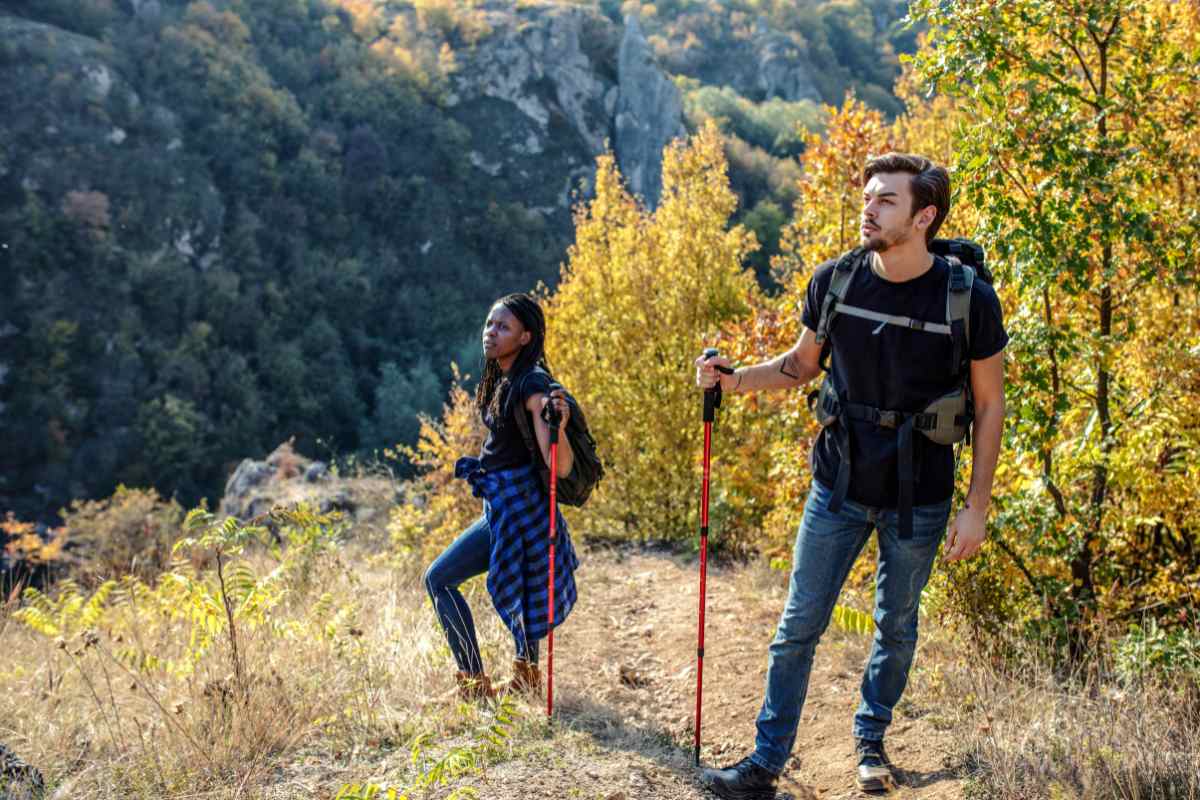
Building Endurance for a Multi-Day Hike
The first step in preparing for a multi-day hike is building your endurance.
You’ll need to be able to walk long distances without becoming overly fatigued, as each day on the trail will require several hours of steady walking.
Start with Long Walks
Begin your training with long, steady walks. Aim to walk at least 3-5 miles several times a week.
Gradually increase the distance and difficulty of your walks over time. This will help your body adapt to the demands of continuous walking.
- Increase distance gradually: Each week, try to add a mile or two to your walks until you’re comfortably covering 10-12 miles in a day.
- Include elevation gain: If possible, train on hilly terrain. Climbing hills builds leg strength and prepares you for the elevation changes you’ll encounter on the trail.
- Practice with a loaded backpack: As your training progresses, start carrying a backpack with increasing weight. This simulates the load you’ll carry on your hike and helps your body adjust.
Incorporate Cardiovascular Training
In addition to walking, incorporate other forms of cardiovascular exercise into your routine to improve your overall endurance.
- Running or jogging: Running is a great way to boost cardiovascular fitness. Start with short runs and gradually increase your distance.
- Cycling: Cycling is a low-impact way to build endurance, especially for your legs. Try to include cycling sessions a few times a week.
- Swimming: Swimming provides a full-body workout and improves your cardiovascular system without putting stress on your joints.
Strength Training for a Hike
Strength training is crucial for hike preparation, as it helps prevent injuries and builds the muscle needed to carry a heavy pack over rough terrain.
Focus on exercises that target the muscles used in hiking, including your legs, core, and back.
Leg Strength
Strong legs are essential for navigating uneven terrain and climbing hills.
- Squats: Squats target your quadriceps, hamstrings, and glutes. Perform bodyweight squats or add resistance with dumbbells.
- Lunges: Lunges work your entire lower body and improve balance. Incorporate forward, reverse, and side lunges into your routine.
- Step-ups: Step-ups simulate the motion of climbing. Use a bench or step to perform this exercise, holding weights for added resistance.
Core Stability
A strong core helps maintain balance and reduces the risk of injury.
- Planks: Planks strengthen your entire core. Hold the plank position for as long as possible, gradually increasing your time.
- Russian twists: This exercise targets your obliques and improves rotational stability. Perform Russian twists with a weight or medicine ball.
- Deadlifts: Deadlifts target your lower back and core while also engaging your legs. Start with light weights and focus on proper form.

Upper Body Strength
While your legs do most of the work during a hike, your upper body needs to be strong enough to carry your pack and use trekking poles effectively.
- Push-ups: Push-ups build upper body strength, particularly in your chest, shoulders, and triceps.
- Pull-ups: Pull-ups strengthen your back and shoulders. If you can’t do a full pull-up, start with assisted pull-ups or lat pulldowns.
- Rowing exercises: Rows target your upper back and help improve posture. Use a resistance band, dumbbells, or a rowing machine.
Practicing with Your Gear
Getting comfortable with your gear is just as important as physical training. Practice using all the equipment you plan to bring on your multi-day hike to ensure everything is functioning properly and fits well.
Backpack Training
Your backpack is one of the most important pieces of gear for a multi-day hike. Here’s how to practice:
- Load your pack: Pack your backpack with all the gear you plan to bring, including food, water, and extra clothing. Aim to carry at least 20-30 pounds during training.
- Adjust the fit: Make sure your backpack fits properly and distributes weight evenly across your shoulders and hips. Adjust the straps and hip belt for comfort.
- Wear it on training hikes: Wear your loaded backpack on training hikes to get used to the weight. This will also help you identify any potential issues with your gear before the actual hike.

Footwear Preparation
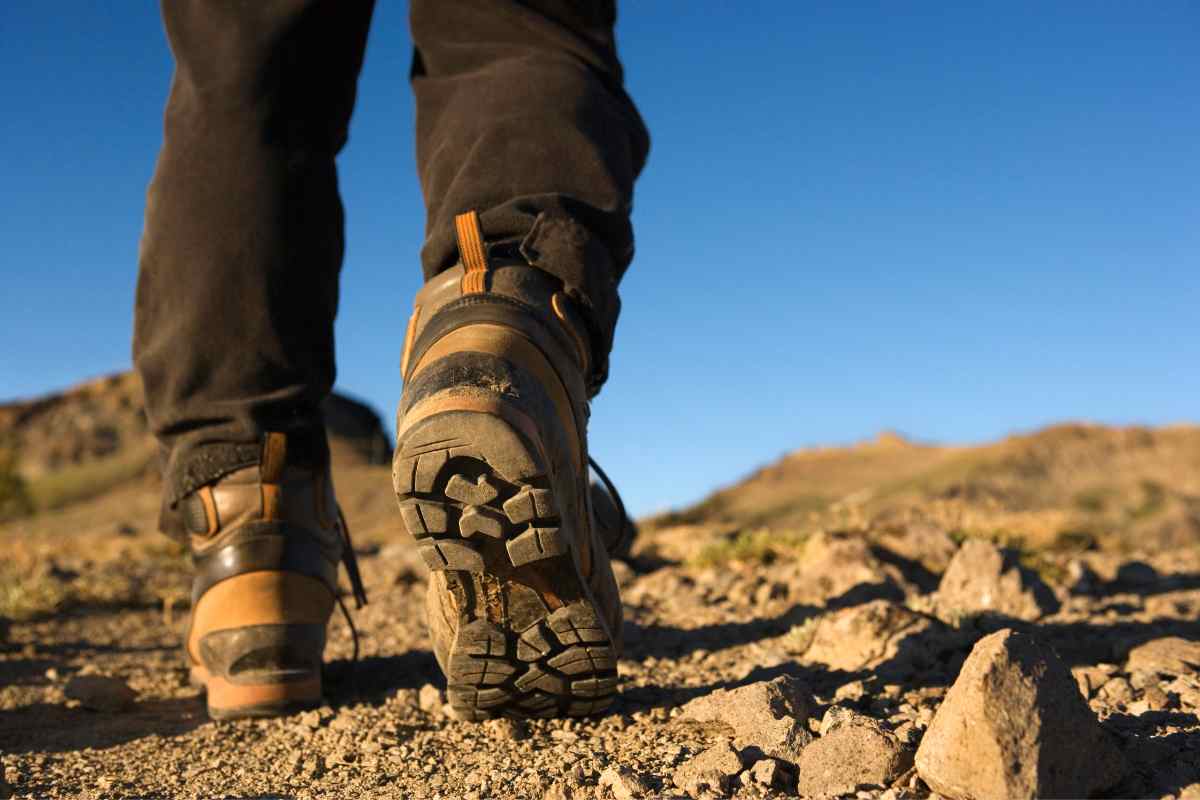
Blisters and foot pain can quickly ruin a multi-day hike. Choose the right footwear and break it in before your trip.
- Select appropriate hiking boots or shoes: Depending on the terrain, choose sturdy hiking boots or trail shoes that offer good support and grip.
- Break them in: Wear your hiking boots or shoes during training hikes to break them in. This helps prevent blisters and ensures a comfortable fit.
- Test your socks: Pair your footwear with moisture-wicking, cushioned socks. Test different sock combinations during training to find what works best for you.
Nutrition and Hydration for a Multi-Day Hike
Proper nutrition and hydration are essential for maintaining energy levels during a multi-day hike. Your body will be burning a lot of calories, so you need to fuel it properly.
Pre-Hike Nutrition
Before your hike, focus on building energy stores with a balanced diet rich in carbohydrates, proteins, and healthy fats.
- Carbohydrate loading: A few days before your hike, increase your intake of complex carbohydrates like whole grains, pasta, and starchy vegetables. This will ensure your muscles are stocked with glycogen.
- Protein intake: Include lean proteins in your meals to help repair and build muscle. Chicken, fish, beans, and tofu are good options.
- Healthy fats: Fats provide long-lasting energy. Incorporate sources like nuts, seeds, avocados, and olive oil into your diet.
On-the-Trail Nutrition
During your hike, aim to eat small, frequent meals to keep your energy levels steady.
- Trail mix and nuts: These provide a good balance of carbohydrates, protein, and healthy fats. They’re also lightweight and easy to carry.
- Energy bars and gels: Energy bars and gels are convenient for a quick boost during strenuous sections of the trail.
- Dehydrated meals: For lunch or dinner, consider dehydrated meals that only require hot water. These are lightweight and provide the necessary calories.
Hydration
Staying hydrated is crucial, especially during a strenuous hike.
- Carry enough water: Make sure you have access to at least 2-3 liters of water per day. Consider bringing a water filter or purification tablets if you’ll be refilling from natural sources.
- Electrolyte replacement: In hot weather or during intense exercise, you’ll lose electrolytes through sweat. Carry electrolyte tablets or drink mixes to replenish these vital minerals.
Mental Preparation for a Multi-Day Hike
Mental toughness is often overlooked, but it’s just as important as physical preparation when training for a multi-day hike.
Here’s how to build the mental resilience needed for the trail.
Visualization Techniques
Visualization is a powerful tool for mental preparation.
- Visualize the trail: Spend time imagining the various aspects of your hike—crossing streams, climbing steep sections, and setting up camp. This helps build familiarity and reduces anxiety.
- Anticipate challenges: Think about the potential challenges you might face, such as bad weather or physical exhaustion, and mentally rehearse how you’ll overcome them.
Mindfulness and Relaxation
Mindfulness can help you stay calm and focused during your hike.
- Practice meditation: Regular meditation can improve your ability to stay present and manage stress on the trail.
- Breathing exercises: Deep breathing exercises can help you maintain calm during difficult sections of the hike.
Planning Your Multi-Day Hike
Finally, proper planning is crucial to the success of your multi-day hike. This includes choosing the right trail, preparing for the weather, and ensuring you have all the necessary permits and gear.
Choosing the Right Trail
Select a trail that matches your experience level and fitness.
- Research trails: Look for trails that are well-marked and have established campsites. Consider the difficulty, elevation gain, and distance.
- Check trail conditions: Before you set out, check the trail conditions. Look for any closures, weather warnings, or restrictions.
- Get the necessary permits: Some trails require permits for camping or hiking. Make sure you have all the required documentation.
Preparing for the Weather
Weather can change quickly, especially in mountainous areas.
- Check the forecast: Monitor the weather forecast in the days leading up to your hike. Be prepared for unexpected changes.
- Pack for all conditions: Bring clothing and gear for all possible weather conditions, including rain, wind, and cold.
Emergency Preparedness
Prepare for any emergencies that may arise during your hike.
- Leave an itinerary: Let someone know your hiking plans, including your route and expected return date.
- Carry a map and compass: Even if you’re using a GPS device, bring a map and compass as a backup.
- Pack a first aid kit: Include items like bandages, antiseptic wipes, pain relievers, and any personal medications.
Conclusion
Training for a multi-day hike requires a combination of physical preparation, gear readiness, and mental toughness.
By following these tips and strategies, you can ensure that you’re fully prepared for the challenges of the trail.
Remember, the key to a successful hike is consistency in training, careful planning, and a positive mindset. With the right preparation, your multi-day hike will be a rewarding and unforgettable experience in the great outdoors.
Did you find this post useful or inspiring? Save THIS PIN for later in your Outdoor Board on Pinterest! 😊
Explore these outdoor tips too