
Overcoming Plateaus: How to Improve Your Skills in Adventure Sports
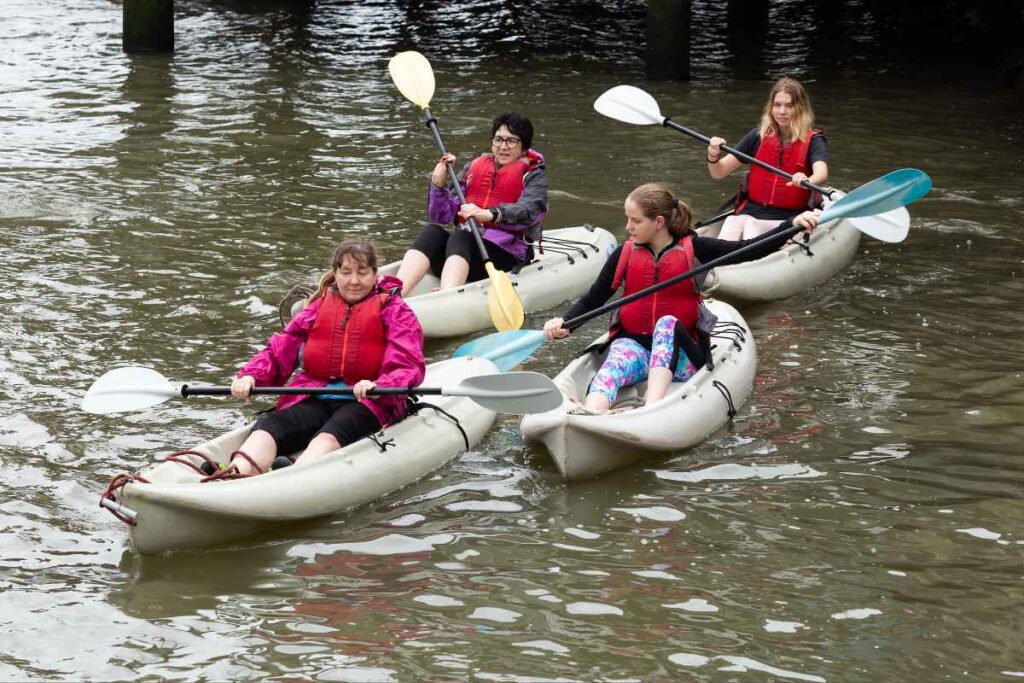
Overcoming Plateaus: How to Improve Your Skills in Adventure Sports. Discover effective strategies to break through barriers, enhance your performance, and continue progressing in your favorite adventure sports.
Adventure sports are exhilarating, challenging, and rewarding, but like any other activity, you may find yourself hitting a plateau where progress seems slow or nonexistent.
Whether you’re into rock climbing, mountain biking, surfing, or any other thrilling activity, it’s natural to experience moments where it feels like you’re no longer improving.
Fortunately, there are ways to break through these plateaus and keep growing. In this guide, we'll explore how to improve your skills in adventure sports and push past your limits to achieve new heights.
1. Set New Goals and Challenges
When you first start an adventure sport, progress often comes quickly. However, as your skills improve, you may need to set new goals and challenges to keep progressing. Without clear goals, it’s easy to plateau and lose motivation. Here’s how to stay on track:
- Set specific, measurable goals: Instead of vague objectives like "get better at climbing," set clear goals like "climb a 5.10 route without falling" or "run a 10K trail in under an hour."
- Challenge yourself: Once you’ve mastered certain skills, aim for something harder. Try a more technical trail, tackle a bigger wave, or climb a steeper rock face.
- Track your progress: Keep a journal or log of your activities and note your progress. This not only helps you stay motivated but also lets you see how far you’ve come.
Challenging yourself with new goals ensures that you're constantly striving to improve and avoiding stagnation.

2. Focus on Technique Over Strength
In many adventure sports, it's tempting to rely on brute strength to overcome obstacles, but technique is often just as important, if not more so. If you’ve reached a plateau, it may be time to refine your technique. Here’s how focusing on technique can help:
- Break down your movements: Whether you're climbing a wall or navigating a river rapid, break down each movement into smaller parts and focus on improving each step.
- Watch professionals: Analyze videos of experts in your sport and observe how they move. Notice their body positioning, balance, and how they handle challenging situations.
- Work on flexibility and balance: Improving your flexibility and balance will give you more control in tricky situations and reduce the reliance on raw strength.
Improving your technique will not only help you overcome plateaus but also make your overall experience more enjoyable and efficient.
3. Cross-Train for a Well-Rounded Approach
Sometimes, the best way to get better at your favorite adventure sport is to train in a different sport. Cross-training can help you develop new skills, improve fitness, and prevent burnout. Here’s why cross-training is beneficial:
- Build complementary skills: If you're a rock climber, activities like yoga or swimming can help improve flexibility and endurance. For surfers, strength training or balance exercises can improve your stability on the board.
- Prevent overuse injuries: Focusing on one activity exclusively can lead to overuse injuries. Cross-training gives your body a break while still keeping you active.
- Stay motivated: Trying something new keeps your training exciting and helps break the monotony of repetitive practice.
Incorporating cross-training into your routine can help you return to your main sport with renewed energy and improved physical ability.
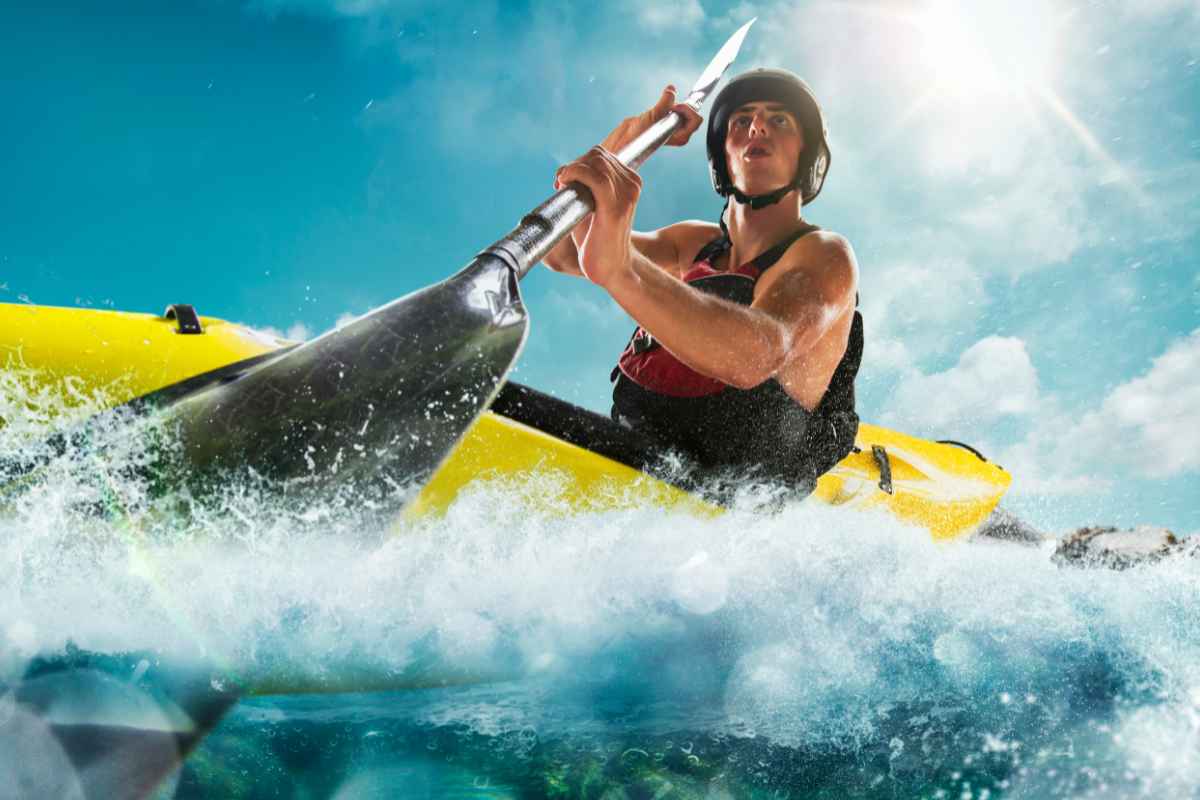
4. Get Professional Coaching
No matter how experienced you are, there's always more to learn. Professional coaching can provide fresh insights and help you identify areas where you can improve. A coach will:
- Identify weaknesses: A coach can spot issues with your technique or training that you may not even be aware of, helping you address these problems before they become ingrained habits.
- Give personalized advice: Rather than relying on general tips, a coach can offer customized feedback based on your current level and goals.
- Provide motivation and accountability: Knowing that you’re working with a coach can push you to train harder and more consistently.
Even if it’s just for a few sessions, getting advice from a professional can give you a fresh perspective and help you break through your plateau.
5. Rest and Recovery Are Key
One of the most overlooked aspects of training is the importance of rest and recovery. Overtraining can not only lead to injury but can also contribute to performance plateaus. Here’s why rest is essential:
- Prevent burnout: Constantly pushing yourself without adequate rest can lead to physical and mental burnout. Taking regular breaks helps you recharge and return stronger.
- Allow muscles to recover: Adventure sports can be tough on the body. Rest days allow your muscles to recover, reducing the risk of injury.
- Reflect on your progress: Resting gives you the chance to reflect on your progress and consider areas for improvement.
Incorporating rest into your training routine isn’t a sign of weakness—it’s a crucial step in building endurance and improving your skills over the long term.
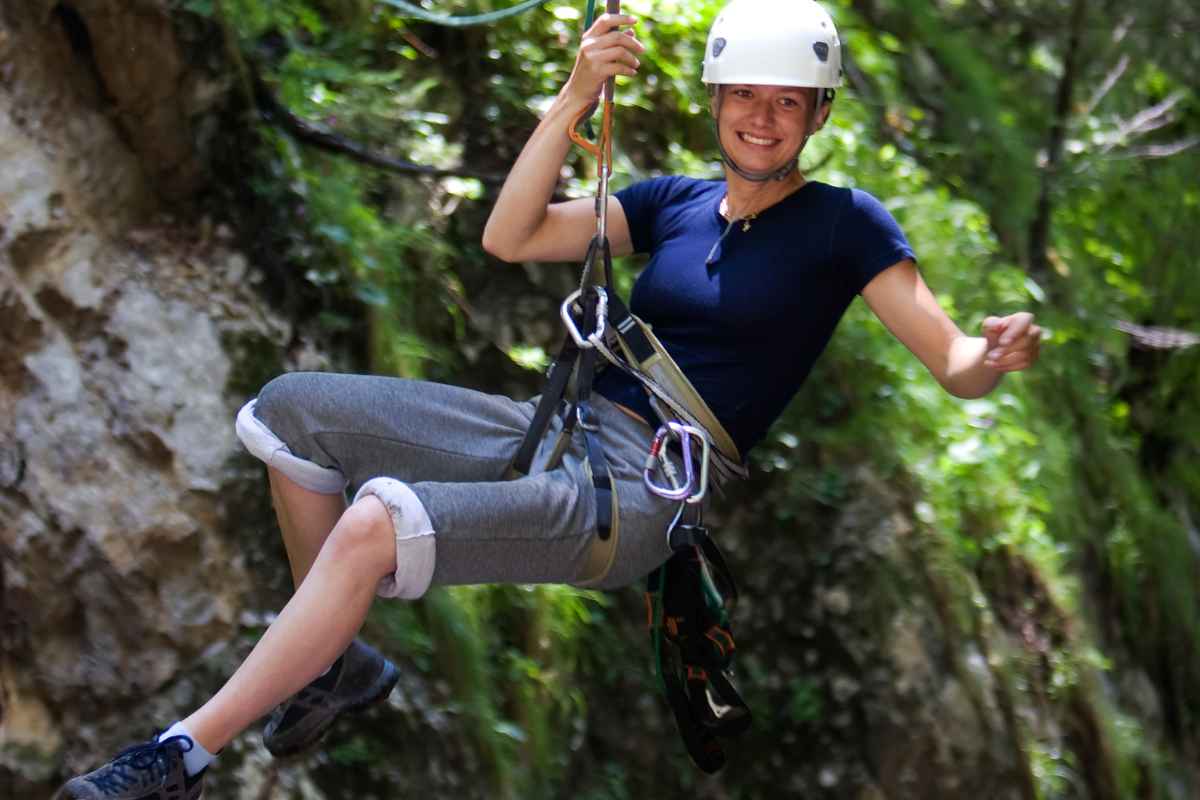
6. Embrace Failure as Part of the Process
It’s easy to get frustrated when you're not seeing improvement, but failure is an inevitable part of mastering any skill. Every successful athlete and adventurer has faced setbacks and plateaus. Here’s how to embrace failure:
- Learn from your mistakes: Each failure is an opportunity to learn something new. Instead of seeing it as a setback, consider what went wrong and how you can improve next time.
- Celebrate small wins: Don’t wait for big breakthroughs to celebrate. Every small improvement, whether it’s climbing a little higher or riding a slightly bigger wave, is a step forward.
- Stay persistent: Plateaus don’t last forever. With consistent effort and a positive mindset, you’ll break through and continue improving.
Accepting failure as part of the process helps you stay focused and motivated to keep improving, even when progress feels slow.
Plateaus are a normal part of any adventure sport, but they don’t have to be permanent.
By setting new challenges, improving your technique, incorporating cross-training, and embracing failure, you’ll continue to improve and enjoy your sport at new levels.
Whether you're scaling mountains, riding waves, or exploring new trails, learning to overcome plateaus is key to becoming a more skilled and confident adventurer.
So next time you feel stuck, remember these tips, keep pushing, and you'll soon break through and reach new heights in your adventure sports.
Did you find this post useful or inspiring? Save THIS PIN for later in your Outdoor Board on Pinterest! 😊
Explore these outdoor tips too