
Paragliding for Beginners: Your Ultimate Guide to Soaring the Skies

Paragliding is one of the most exhilarating ways to experience the freedom of flight and enjoy breathtaking views from above.
Whether you're looking for an adrenaline rush or simply want to glide peacefully through the air, paragliding offers something for everyone.
In this beginner's guide, we’ll cover everything you need to know to get started, from understanding the basics of the sport to preparing for your first flight.
Understanding Paragliding: The Basics
Paragliding is an aerial sport where a pilot flies a lightweight, foot-launched glider.
Unlike other forms of aviation, paragliders don't have a rigid structure, making them more portable and easier to learn.
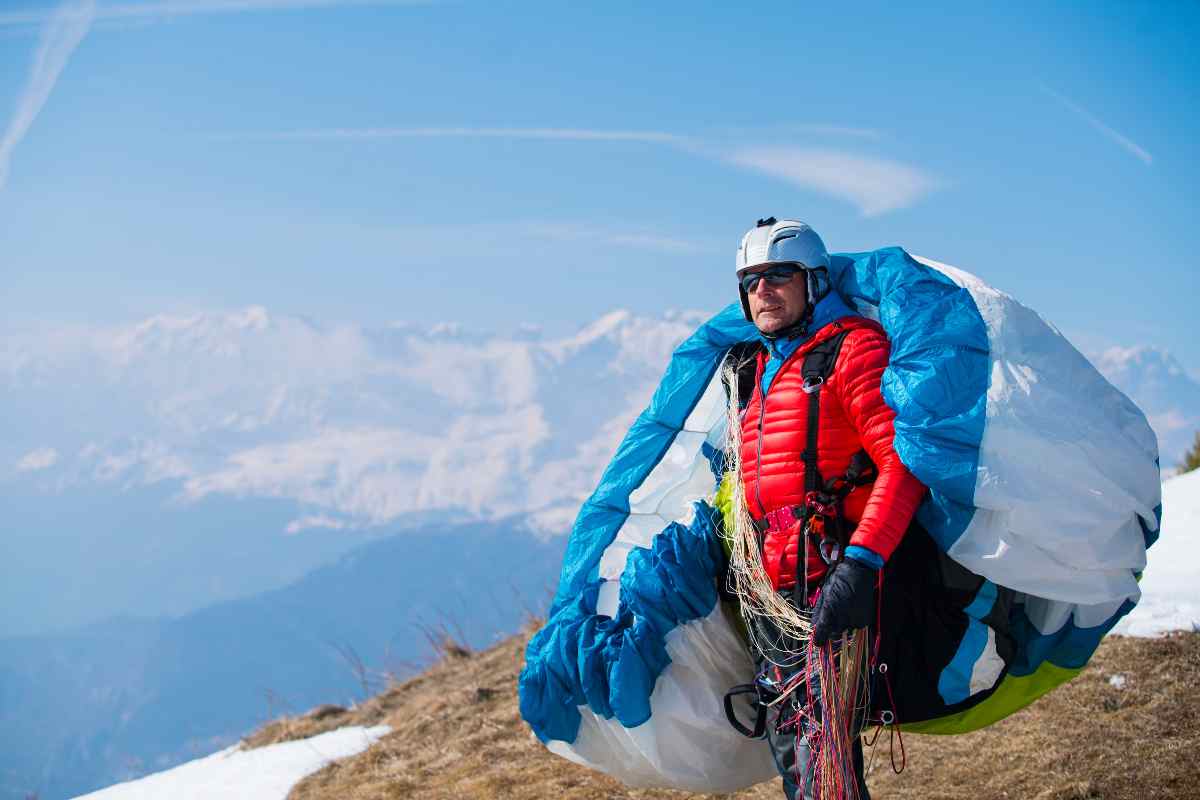
The paraglider itself consists of a fabric wing that resembles a parachute, harnesses for the pilot, and lines connecting the harness to the wing.
What Makes Paragliding Unique?
What sets paragliding apart from other aerial sports is its simplicity and accessibility.
With the right training and equipment, anyone can learn to paraglide. It doesn’t require the use of an engine, making it a peaceful and eco-friendly way to fly.
The feeling of gliding smoothly through the air, with only the sound of the wind and your thoughts, is an experience unlike any other.
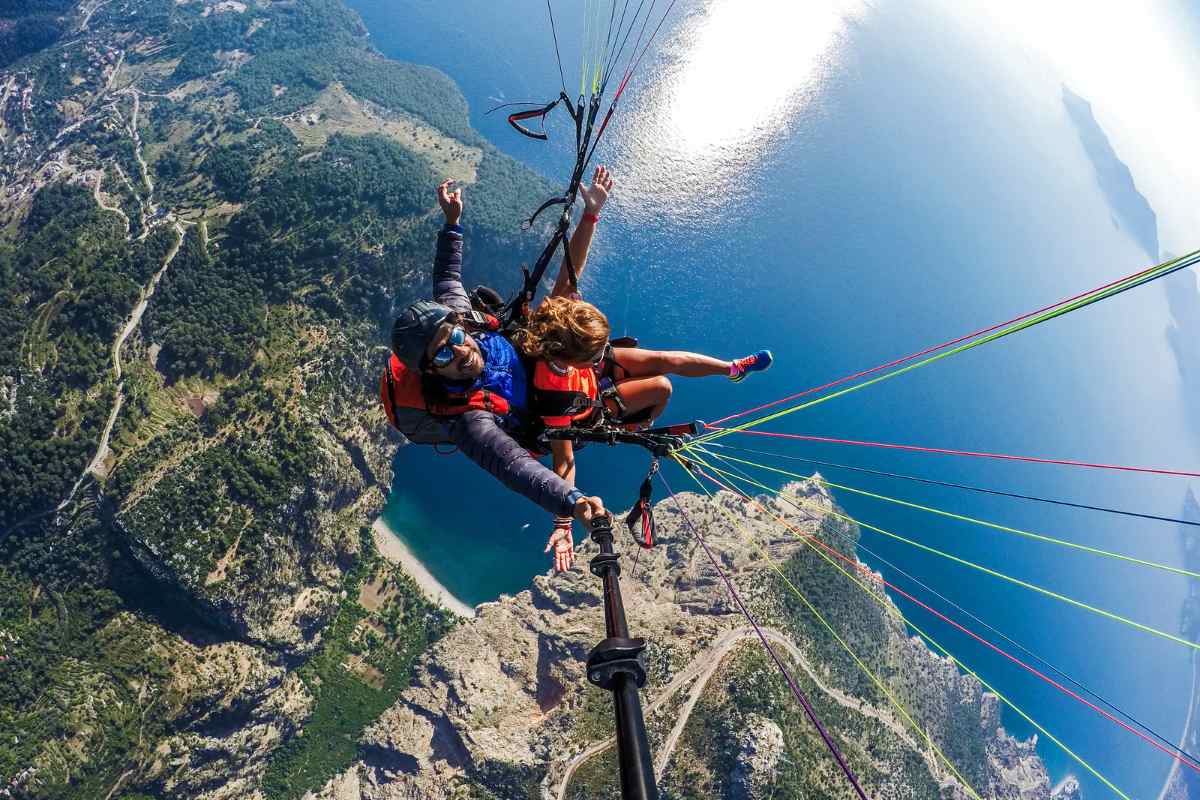
The History of Paragliding
The origins of paragliding can be traced back to the 1960s when parachutists experimented with controlling their descent more effectively.
The sport gained popularity in the 1980s and has since evolved with advances in materials and design, making it safer and more accessible to a wider audience.
Today, paragliding is enjoyed by thousands around the world, from casual enthusiasts to competitive pilots.
Getting Started with Paragliding
Before you take to the skies, there are a few key steps you need to take to ensure a safe and enjoyable paragliding experience.
Choosing the Right Equipment
Your paragliding equipment is crucial to your safety and comfort while flying. Here are the essential items you’ll need:
- Paraglider Wing: This is the main component of your setup. For beginners, it’s recommended to choose a wing designed for novice pilots, which is more stable and easier to control.
- Harness: This is what you’ll sit in during your flight. A good harness provides comfort and safety, with adjustable straps and secure buckles.
- Helmet: Safety first! A helmet is essential for protecting your head in case of a fall or collision.
- Reserve Parachute: This is an additional safety measure that can be deployed if the main wing fails.
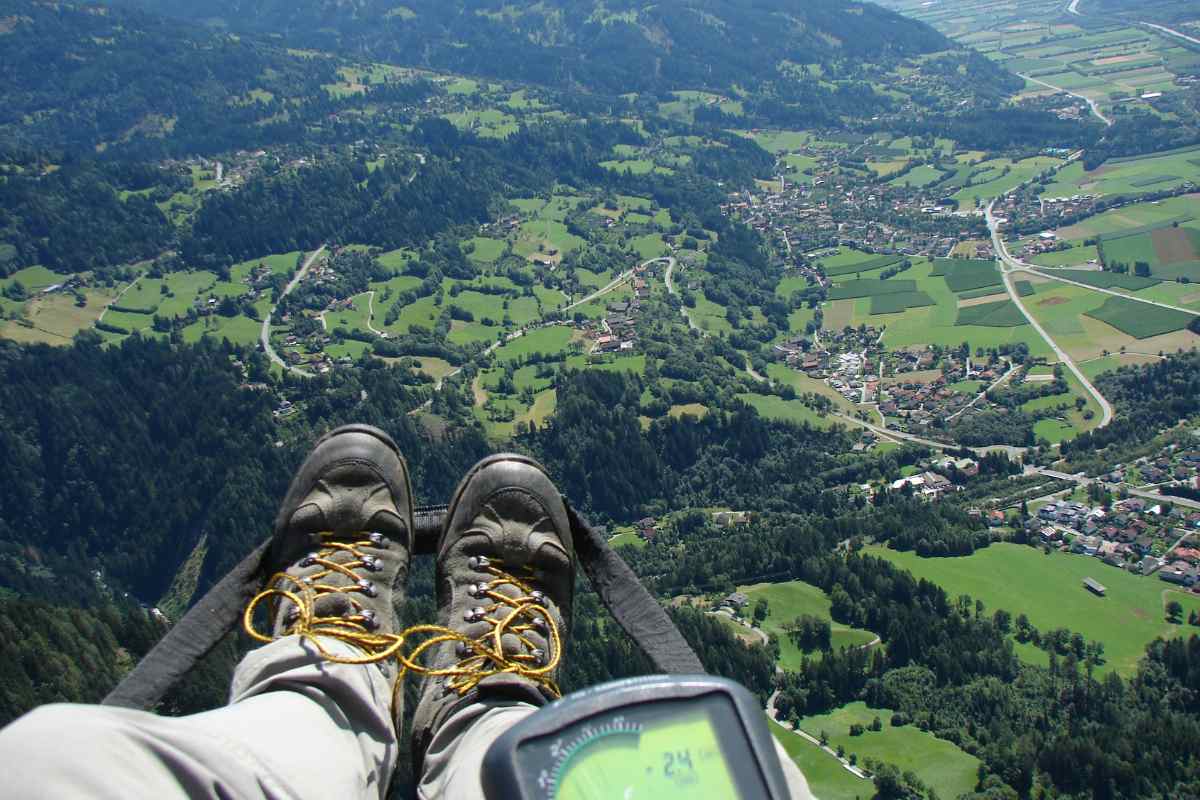
- Variometer: This device helps you understand your altitude and the air currents around you, which is crucial for safe and efficient flying.

Finding a Qualified Instructor
One of the most important steps in learning to paraglide is finding a qualified instructor.
A professional instructor will teach you the fundamentals of paragliding, including how to launch, control the wing, and land safely.
Look for instructors who are certified by reputable organizations such as the United States Hang Gliding and Paragliding Association (USHPA) or similar bodies in your country.
Paragliding Safety Tips for Beginners
Safety is paramount when it comes to paragliding. Here are some essential safety tips for beginners:
Know the Weather Conditions
Weather plays a significant role in paragliding safety. Always check the forecast before you fly. Ideal conditions for beginners are clear skies with light winds.
Avoid flying in strong winds, rain, or thunderstorms. Understanding weather patterns and how they affect your flight will keep you safe and help you make better decisions.
Perform Pre-Flight Checks
Before every flight, perform thorough pre-flight checks. Ensure that all your equipment is in good condition, and check the wing for any tears or damage.
Make sure your harness is securely fastened, and that your reserve parachute is in place and ready for deployment.
Learn Emergency Procedures
While paragliding is generally safe when done correctly, accidents can happen. Knowing how to react in an emergency, such as a sudden change in weather or equipment malfunction, can make a big difference.
Practice emergency procedures with your instructor regularly so that you're prepared for any situation.
The First Flight: What to Expect
Your first flight is a milestone in your paragliding journey. Here’s what you can expect:
Launching
The launch is one of the most thrilling parts of paragliding. With your instructor's guidance, you’ll learn how to inflate the wing, run into the wind, and lift off the ground.
The sensation of becoming airborne for the first time is both exhilarating and liberating.
In the Air
Once in the air, you’ll experience the incredible sensation of flight. Your instructor will guide you on how to control the wing and make smooth turns.
Keep your body relaxed and trust your training. Paragliding is about finding a balance between control and letting the wind guide you.
Landing
Landing is a crucial part of any paragliding flight. Your instructor will teach you how to approach the landing zone and flare the wing to slow down before touching the ground gently.
With practice, your landings will become smoother and more controlled.
Advancing Your Paragliding Skills
As you gain more experience, you’ll want to advance your paragliding skills. Here are some ways to do that:
Join a Paragliding Club
Joining a paragliding club is a great way to meet other pilots, learn from their experiences, and participate in group flights.
Clubs often organize events, competitions, and trips to different flying sites, giving you the chance to explore new locations and improve your skills.

Take Advanced Courses
Once you’ve mastered the basics, consider taking advanced courses to learn new techniques, such as thermalling (using rising air currents to gain altitude) or cross-country flying (covering long distances). These courses will help you become a more confident and versatile pilot.
Participate in Competitions
For those looking for a challenge, paragliding competitions offer a chance to test your skills against other pilots.
Competitions vary in format, from accurate landings to cross-country races, and provide a fun and competitive environment to push your limits.
Embark on Your Paragliding Journey: Ready to Take to the Skies?
Paragliding is an amazing way to experience the freedom of flight and connect with nature.
With the right training, equipment, and mindset, anyone can learn to paraglide and enjoy the thrill of soaring through the skies.
Remember to always prioritize safety, practice regularly, and most importantly, have fun. So, are you ready to take the leap and embark on your paragliding adventure? The sky's the limit!
Did you find this post useful or inspiring? Save THIS PIN for later in your Outdoor Board on Pinterest! 😊

Explore these outdoor tips too