
The 8 Most Dangerous Adventure Sports and How to Prepare for Them

Dangerous adventure sports attract thrill-seekers from all over the world. These sports offer an adrenaline rush like no other but come with inherent risks.
To enjoy them safely, it's crucial to understand the dangers involved and how to prepare adequately.
Understanding Dangerous Adventure Sports
Dangerous adventure sports are activities that involve a significant risk of injury or death. These sports often take place in extreme environments and require specialized equipment and skills.
While the thrill of these sports can be intoxicating, it's important to approach them with caution and respect for the risks involved.
1. Base Jumping
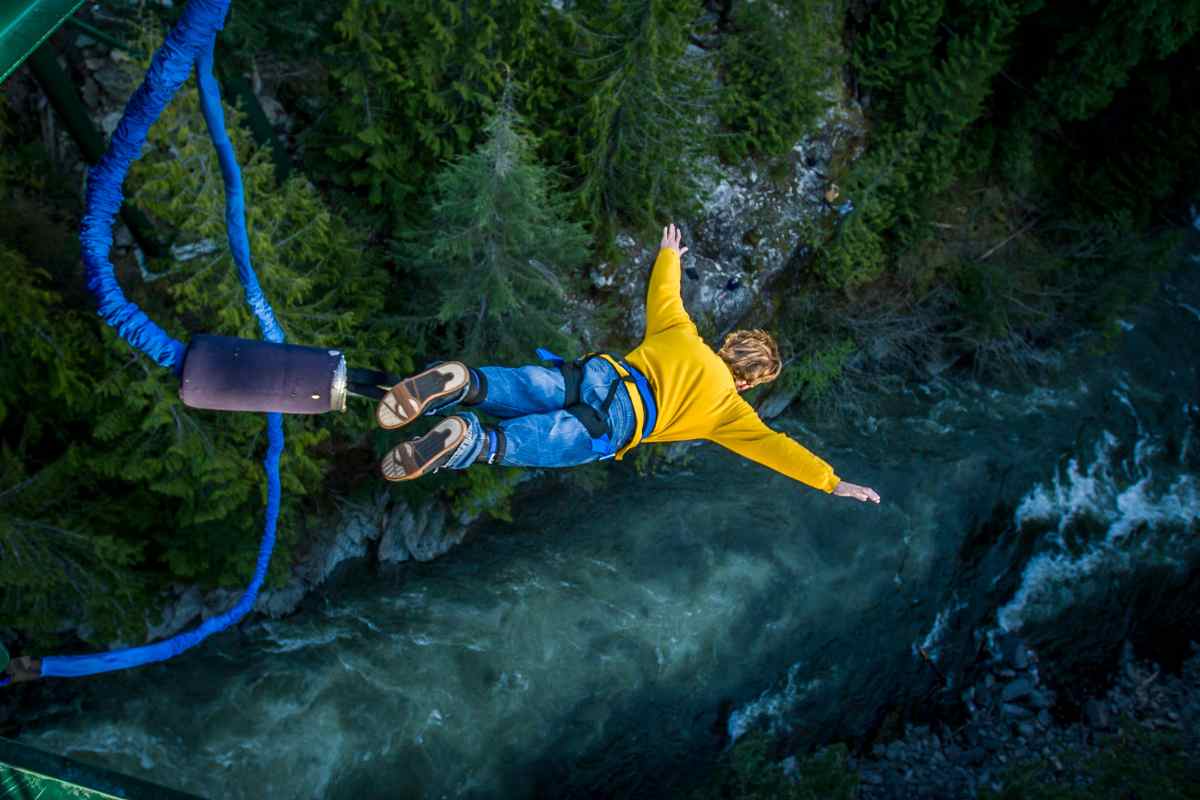
Base jumping is one of the most dangerous adventure sports in the world. Jumping from fixed objects like buildings, antennas, spans (bridges), and cliffs with a parachute is inherently risky due to the low altitude and limited time for parachute deployment.
To prepare for base jumping:
- Training: Undergo extensive skydiving training to gain experience.
- Equipment: Use high-quality gear and check it thoroughly before each jump.
- Weather Conditions: Only jump in favorable weather conditions.
- Location Knowledge: Study the jump site thoroughly and plan your exit strategy.
2. Big Wave Surfing

Big wave surfing involves riding waves that are over 20 feet high. The power and unpredictability of the ocean make this sport extremely hazardous.
Preparation includes:
- Physical Fitness: Maintain peak physical condition to handle strenuous activity.
- Surfing Skills: Hone your skills in smaller waves before attempting big waves.
- Safety Gear: Use a tow-in surfboard, life vest, and helmet.
- Local Knowledge: Understand the surf break, currents, and weather patterns.
3. Rock Climbing (Free Soloing)

Free solo climbing, where climbers ascend without ropes or safety gear, is one of the most dangerous adventure sports due to the high risk of fatal falls.
Preparation involves:
- Extensive Training: Build your climbing skills and strength with years of practice.
- Route Familiarity: Study and memorize the climbing route.
- Mental Preparation: Develop strong mental fortitude to manage fear and stress.
- Backup Plans: Always have a contingency plan in case of emergencies.
4. Wingsuit Flying
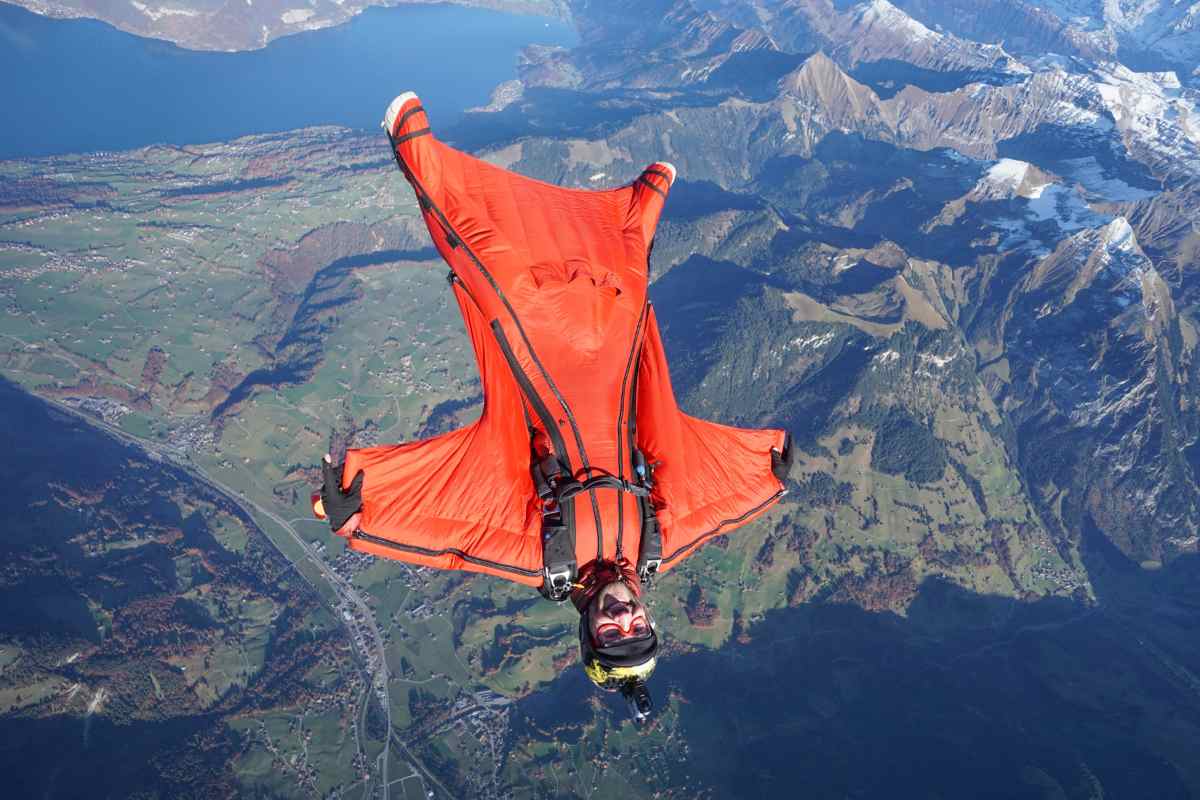
Wingsuit flying, or proximity flying involves gliding close to cliffs and terrain at high speeds while wearing a specially designed suit.
This sport requires:
- Skydiving Experience: Gain significant experience in skydiving and base jumping.
- Proper Gear: Use a high-quality wingsuit and helmet.
- Focus on Safety: Prioritize safety over thrill-seeking and avoid risky maneuvers.
- Weather Awareness: Fly only in clear and stable weather conditions.
5. Cave Diving
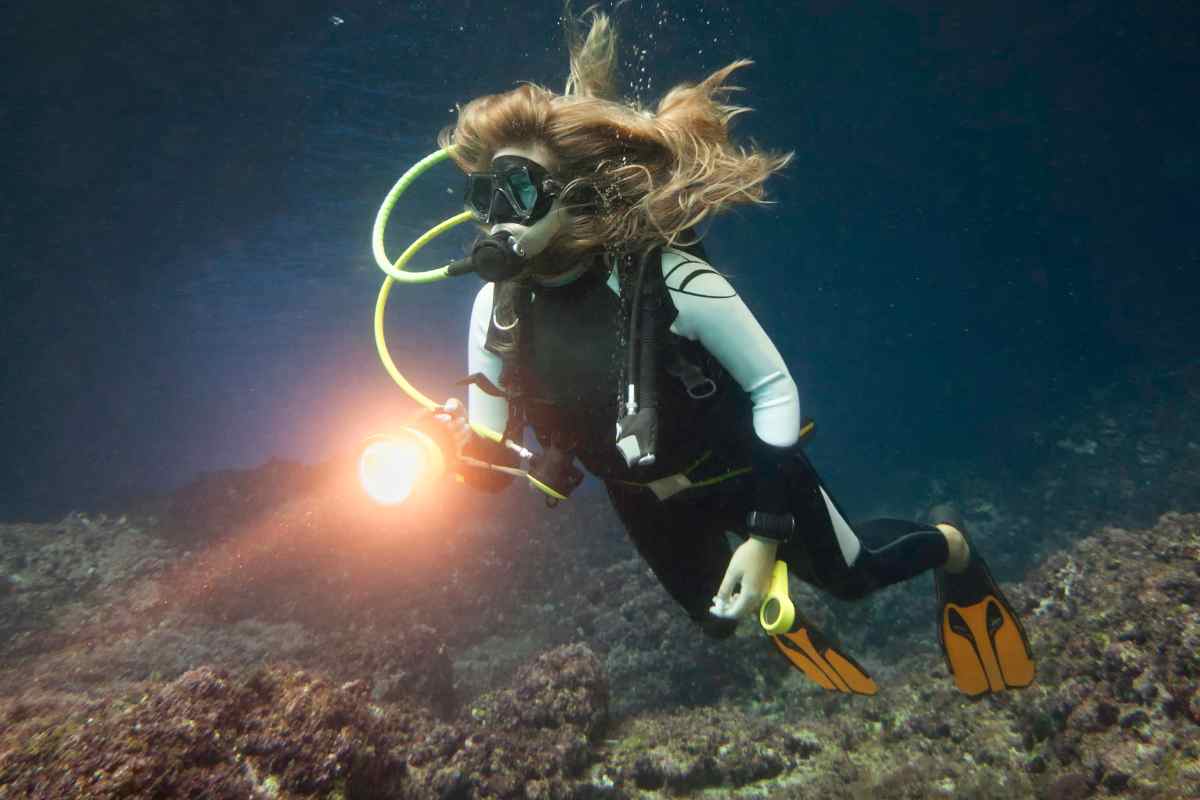
Cave diving combines scuba diving with exploring underwater caves, presenting unique hazards like disorientation, equipment failure, and limited visibility.
Preparation steps include:
- Certification: Obtain cave diving certification from a recognized organization.
- Equipment Check: Use redundant equipment systems and regularly check their functionality.
- Buddy System: Always dive with a partner and establish clear communication signals.
- Navigation Skills: Develop strong underwater navigation skills to avoid getting lost.
6. Heli-Skiing
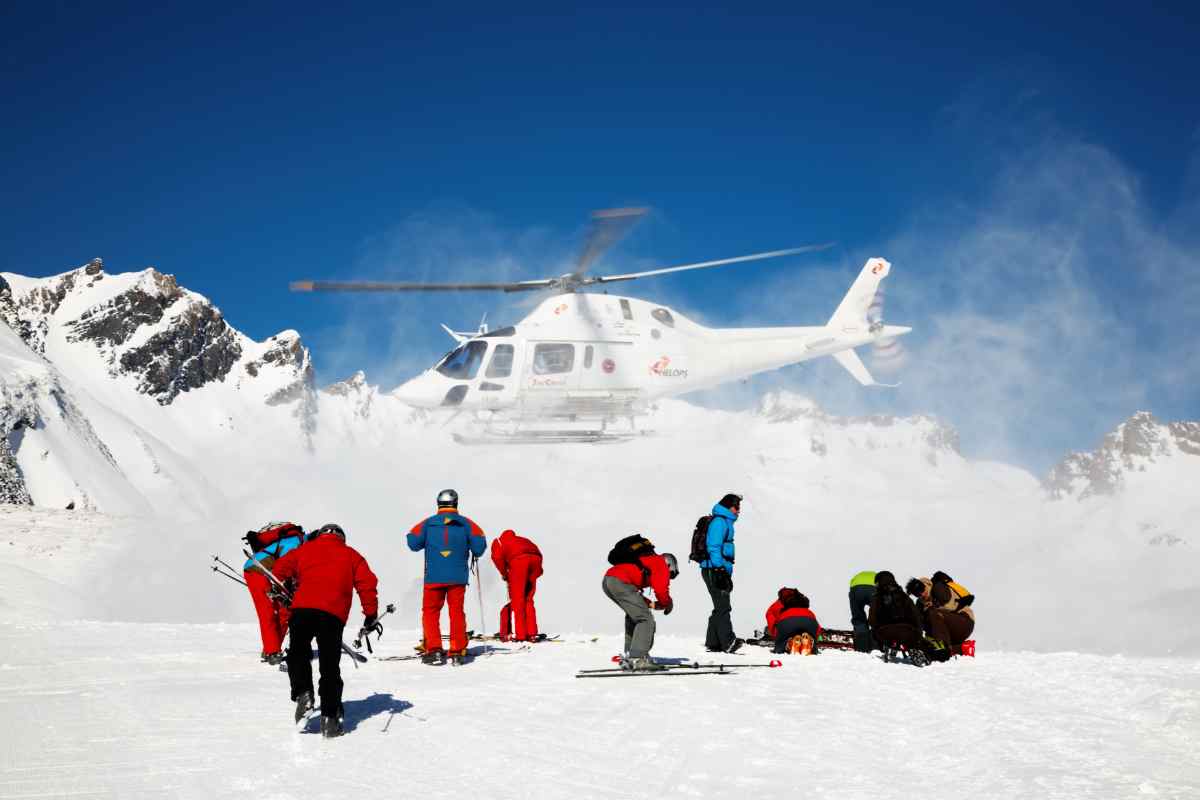
Heli-skiing involves being dropped by a helicopter onto remote mountain slopes to ski down.
The risks include avalanches, crevasses, and severe weather. To prepare:
- Avalanche Training: Take courses in avalanche awareness and rescue.
- Equipment: Use avalanche safety gear, including a transceiver, probe, and shovel.
- Physical Conditioning: Be in excellent physical shape to handle the demanding terrain.
- Guide Services: Hire experienced guides who know the area and conditions.
7. White-Water Rafting (Class V Rapids)
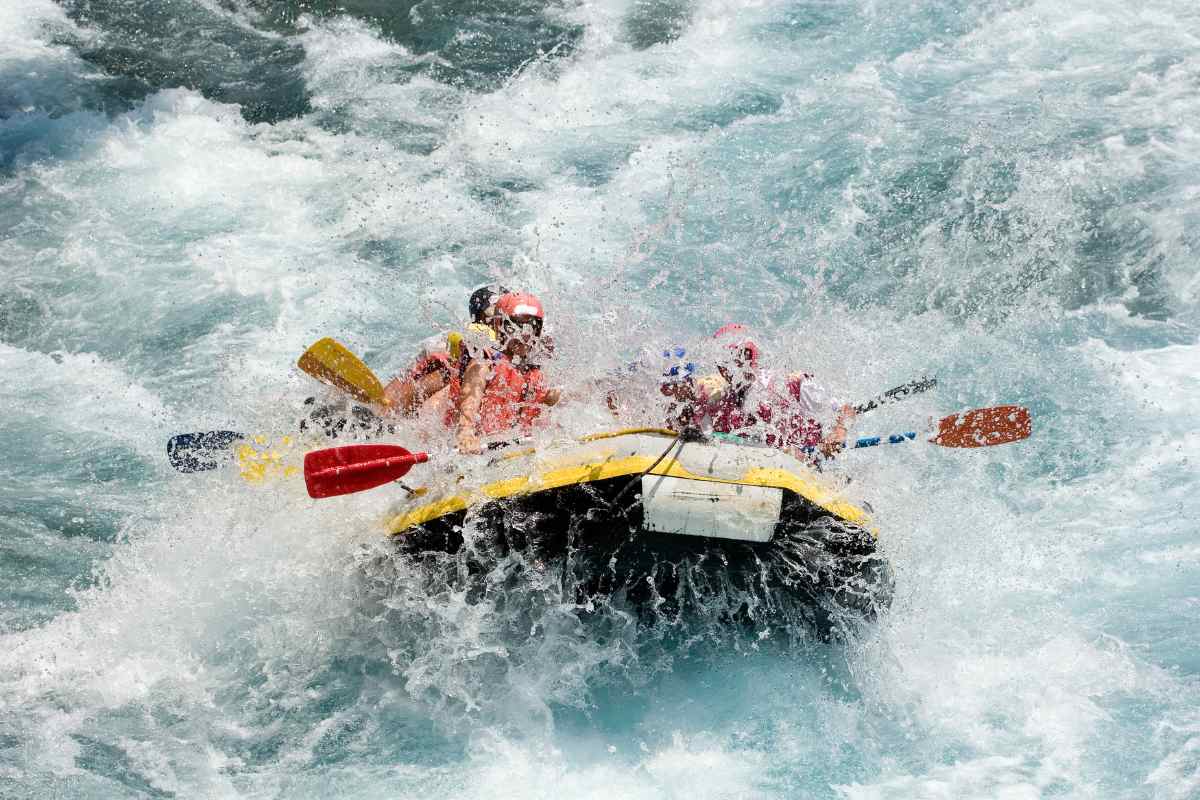
White-water rafting on Class V rapids involves navigating extremely turbulent and dangerous waters.
Preparation involves:
- Professional Training: Participate in professional rafting courses to learn essential skills.
- Protective Gear: Wear a helmet, life jacket, and proper footwear.
- Team Coordination: Work closely with your team to execute precise maneuvers.
- River Knowledge: Study the river’s flow, obstacles, and escape routes.
8. Mountaineering (High-Altitude Climbing)
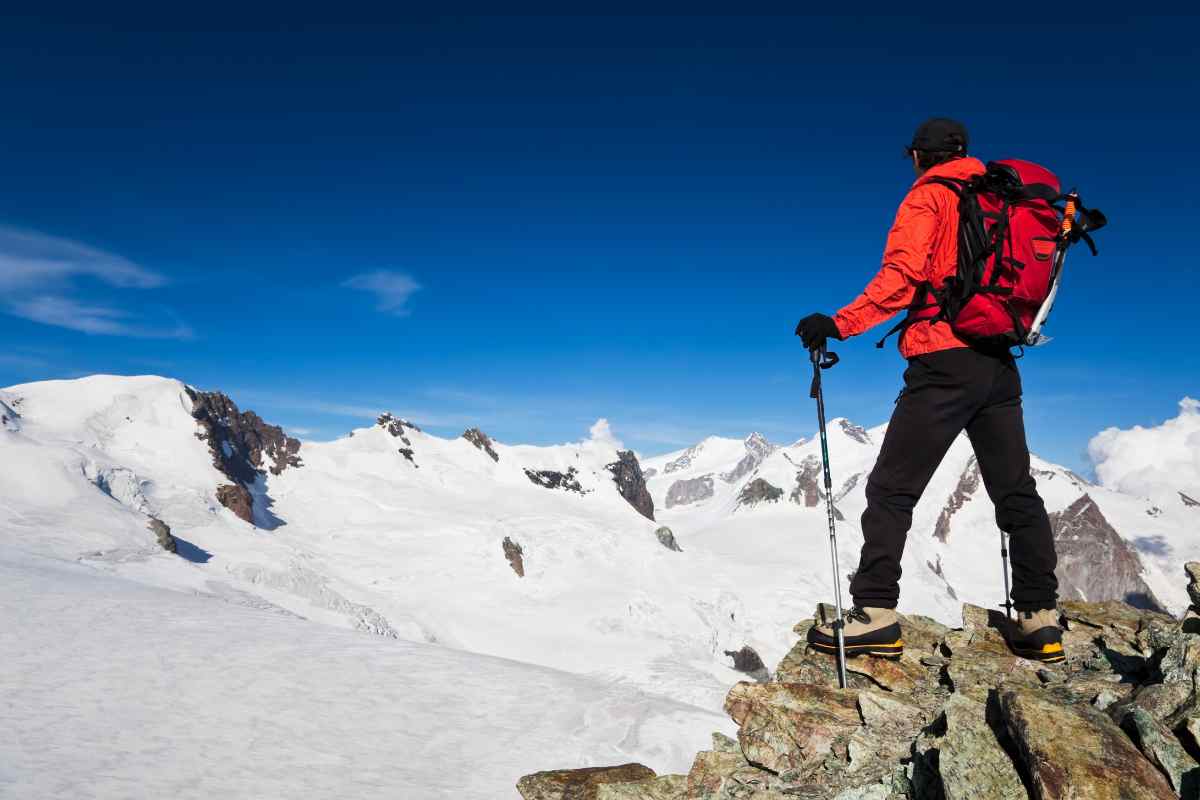
High-altitude climbing, such as summiting peaks like Everest, poses severe risks including altitude sickness, extreme weather, and avalanches. Preparation steps include:
- Physical Conditioning: Train rigorously to build strength and endurance.
- Acclimatization: Spend adequate time at high altitudes to acclimatize.
- Equipment: Use high-quality gear suitable for extreme conditions.
- Guide Services: Climb with experienced guides who can navigate the challenges.
Safety Tips for Dangerous Adventure Sports
While the allure of dangerous adventure sports is undeniable, ensuring your safety should be the top priority. Here are some general tips to help you prepare:
- Training: Invest time in professional training to develop the necessary skills and knowledge.
- Equipment: Use the best equipment available and regularly maintain it.
- Health and Fitness: Maintain excellent physical health and fitness levels.
- Mental Preparation: Build mental resilience to handle stress and emergencies.
- Weather Conditions: Always check and respect weather conditions before engaging in any activity.
- Local Knowledge: Learn as much as you can about the location and environment.
- Emergency Plans: Have clear emergency plans and know how to execute them.
- Insurance: Consider specialized insurance for extreme sports to cover potential risks.
Final Thoughts
Engaging in dangerous adventure sports can be an exhilarating experience, offering unmatched thrills and a sense of achievement.
However, the key to enjoying these sports safely lies in thorough preparation and respect for the inherent risks. By following the tips and guidelines provided, you can minimize dangers and make the most of your adventurous pursuits.
Remember, the ultimate goal is not just to seek thrills but to return safely to share your incredible experiences.
Did you find this post useful or inspiring? Save THIS PIN for later in your Outdoor Board on Pinterest! 😊


Explore these outdoor tips too