
- Urbaki Outdoor
- Hiking and Trails
- The Benefits of Solo Hiking and How to Stay Safe on Your Own
The Benefits of Solo Hiking and How to Stay Safe on Your Own

Solo hiking is a special experience that lets you connect with nature in a deeper way. It has plenty of benefits, but hiking alone also comes with risks that call for careful planning and preparation. In this article, we'll cover the advantages of solo hiking and share practical tips to help you stay safe on the trail.
The Benefits of Solo Hiking
1. Freedom to Choose Your Path
When you hike solo, you're in full control of your route, pace, and schedule. There's no need to compromise or adjust to anyone else's preferences, so you can focus fully on the hike and explore at your own rhythm.
2. Deeper Connection with Nature
Hiking alone allows you to experience the environment more profoundly. Without the distractions of conversation, you’ll notice subtle sounds, wildlife activity, and the tranquility of the natural world that might otherwise go unnoticed.
3. Personal Growth and Confidence
Solo hiking challenges you to rely on your own skills and instincts. Successfully navigating trails and overcoming obstacles fosters a sense of accomplishment and boosts your self-confidence.
4. Mental Clarity and Relaxation
Spending time alone in nature can have therapeutic effects. It’s a chance to clear your mind, reflect, and disconnect from daily stressors. Many solo hikers find it a powerful way to practice mindfulness and achieve a sense of inner peace.
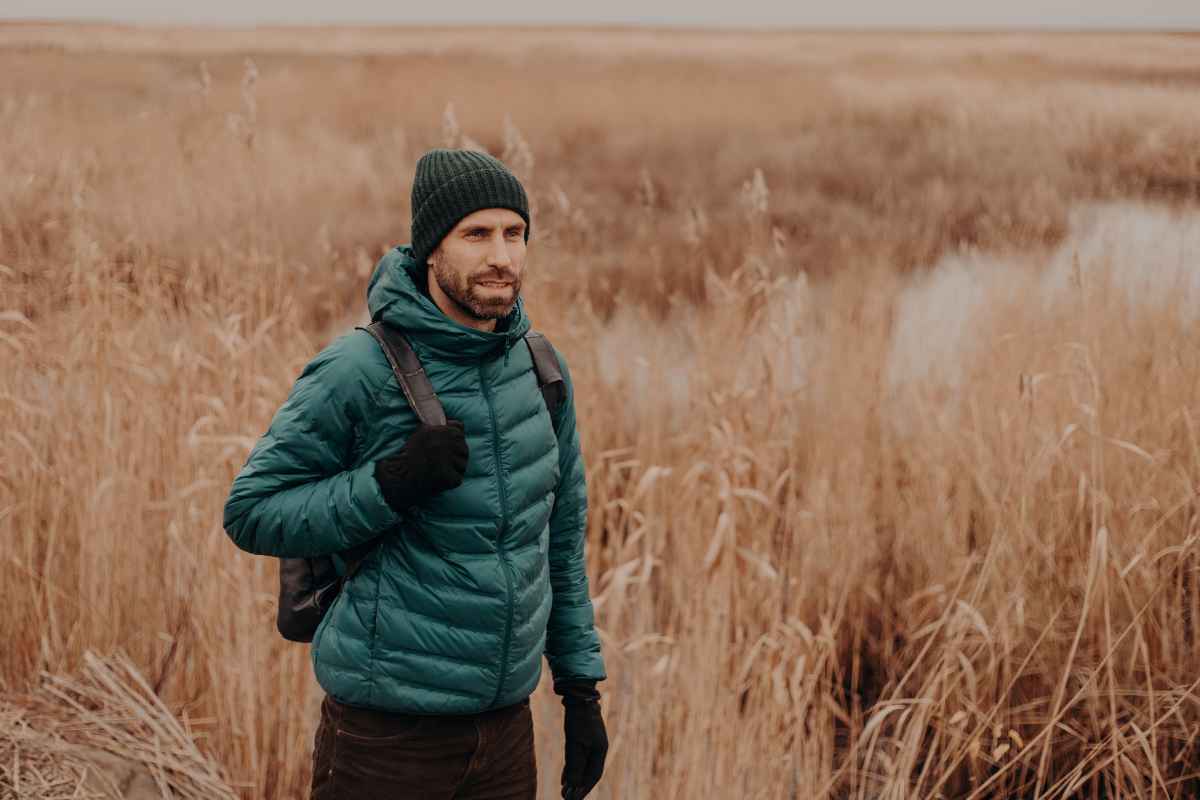
How to Stay Safe on Your Own
1. Plan and Research Your Route
Before heading out, research the trail thoroughly. Check for:
- Trail difficulty: Ensure it matches your fitness and experience level.
- Weather conditions: Be aware of any sudden changes or potential hazards.
- Trail markers and maps: Familiarize yourself with key landmarks and bring a detailed map.
2. Tell Someone Your Plans
Share your itinerary with a trusted friend or family member. Include details such as:
- Your starting point and expected return time.
- The trail name and route.
- Emergency contact information.
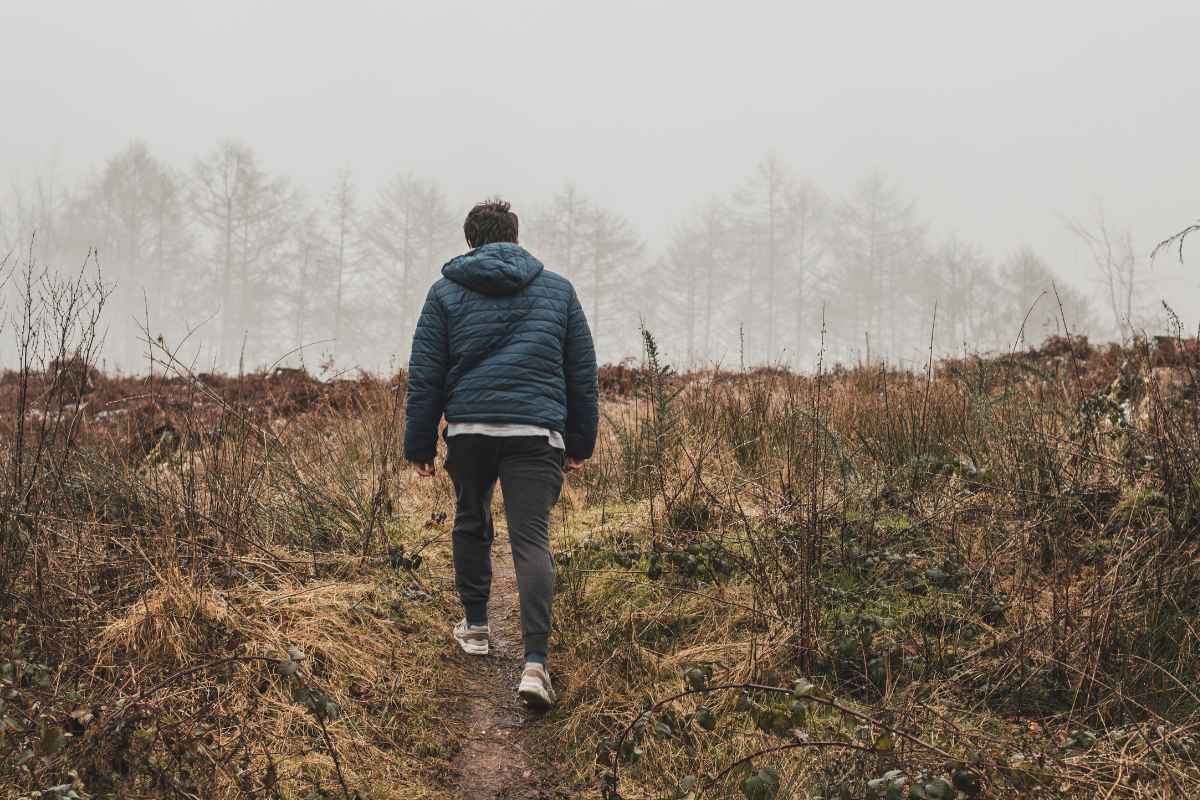
3. Pack the Essentials
Bring a well-stocked backpack with items that ensure your safety and comfort, such as:
- Navigation tools: Map, compass, or GPS.
- First aid kit: For minor injuries.
- Extra food and water: In case your hike takes longer than planned.
- Emergency supplies: A whistle, flashlight, and multi-tool.
- Appropriate clothing: Layers to handle changing weather.
4. Stay Alert and Aware
While solo hiking, stay mindful of your surroundings to avoid accidents or getting lost:
- Stick to marked trails to minimize risks.
- Keep an eye out for wildlife and respect their space.
- Take regular breaks to assess your energy and hydration levels.
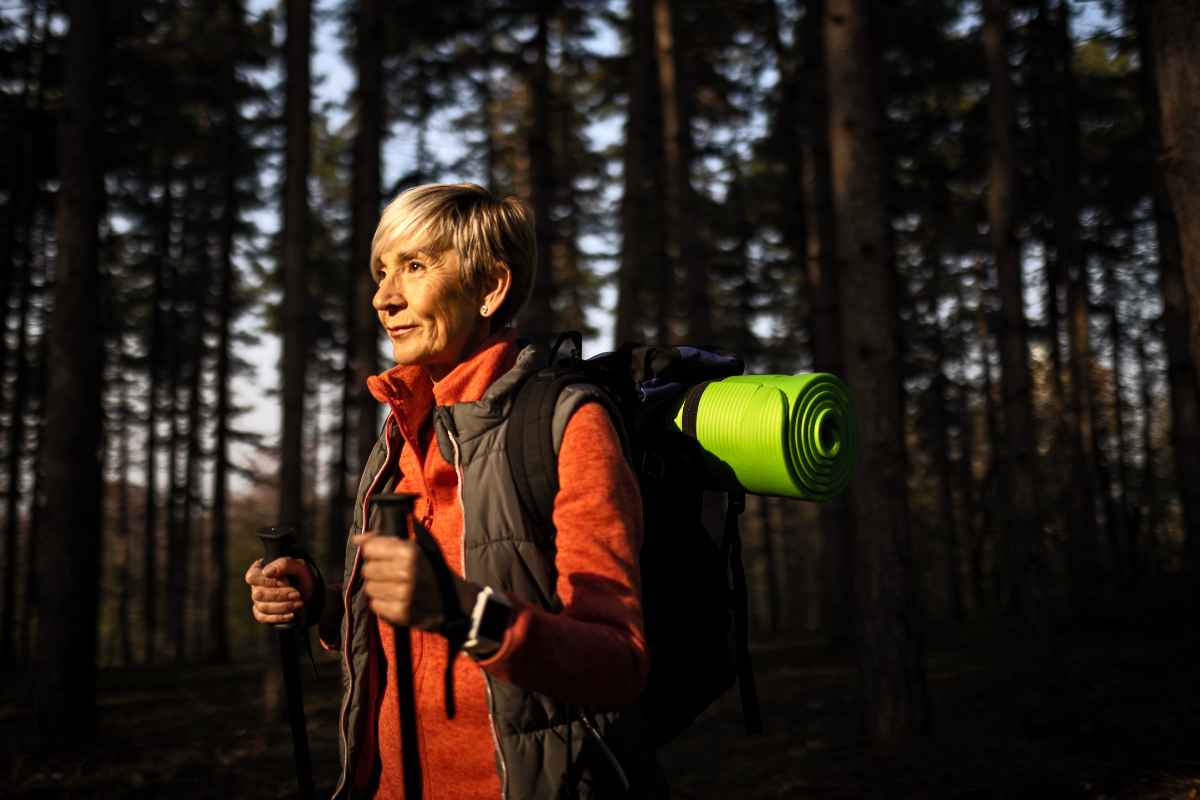
5. Know Your Limits
Solo hiking isn’t the time to push beyond your abilities. Listen to your body and turn back if conditions become unsafe or you feel fatigued.
Solo hiking can be a great way to explore the outdoors and get to know yourself better. You can have a rewarding and memorable adventure by enjoying its benefits and taking proactive safety measures. Remember, preparation, awareness, and respect for nature are the keys to a successful solo hike. So pack your gear, plan your route, and get ready for a solo hike you'll never forget!
Did you find this post useful or inspiring? Save THIS PIN for later in your Outdoor Board on Pinterest! 😊


I'm Ryan, and I spend as many weekends as I can on trails, at campsites and near the water. I'm not a survival expert or a mountain guide, just someone who has learned a lot by doing (and by forgetting the tent poles once or twice). Here I share practical ideas on hiking, camping and outdoor gear so your next trip is easier and more fun.
Explore these outdoor tips too