
The Best Hiking Destinations for Stargazing
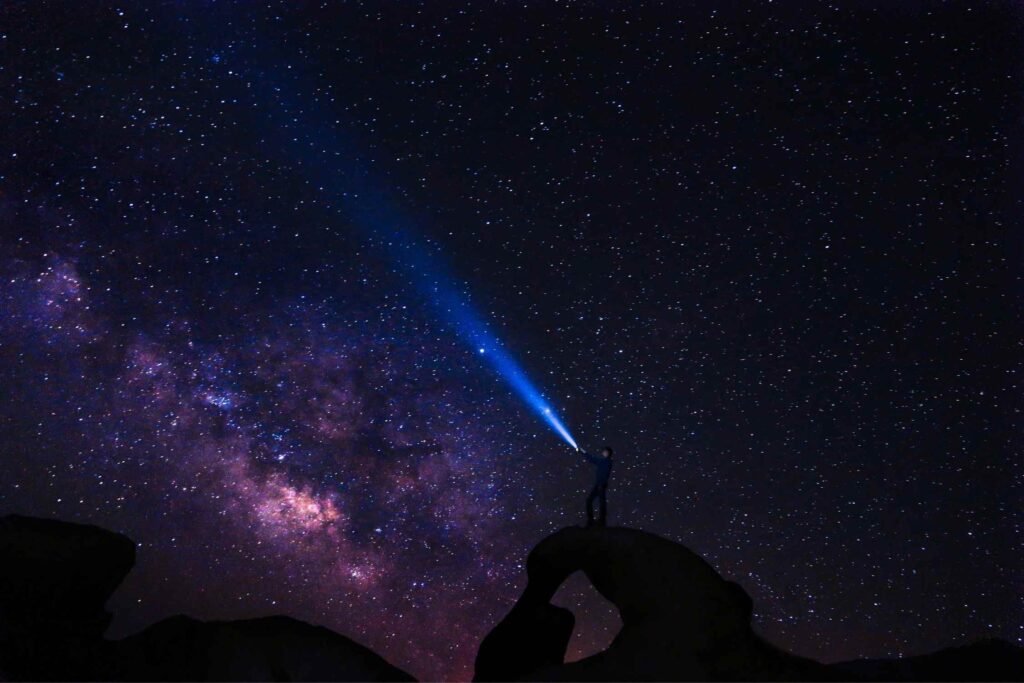
Hiking is an activity that connects people to nature in profound ways. For many, it's not just about the journey through the landscapes but also about the moments of tranquility where one can pause and observe the beauty above.
Stargazing is one such activity that pairs perfectly with hiking. The combination of a challenging trail and the reward of a breathtaking night sky makes for an unforgettable experience.
In this article, we'll explore some of the best hiking destinations for stargazing, where you can enjoy the serene beauty of the stars while surrounded by nature's grandeur.
Hiking and Stargazing: A Perfect Combination
The allure of hiking is often tied to the scenic views and the sense of accomplishment that comes from conquering a trail.
However, when you pair a hike with stargazing, the experience transcends to a new level. Imagine reaching the peak of a mountain just as the sun sets, and the sky begins to darken.
As the stars start to emerge, the vastness of the universe becomes evident, reminding you of the beauty and mystery that exists beyond our planet.
Several factors make certain hiking destinations ideal for stargazing. These include elevation, lack of light pollution, clear skies, and unique geographical features that provide unobstructed views of the sky.
Below are some of the top destinations that combine these elements, offering the perfect backdrop for a night under the stars.
Bryce Canyon National Park, Utah
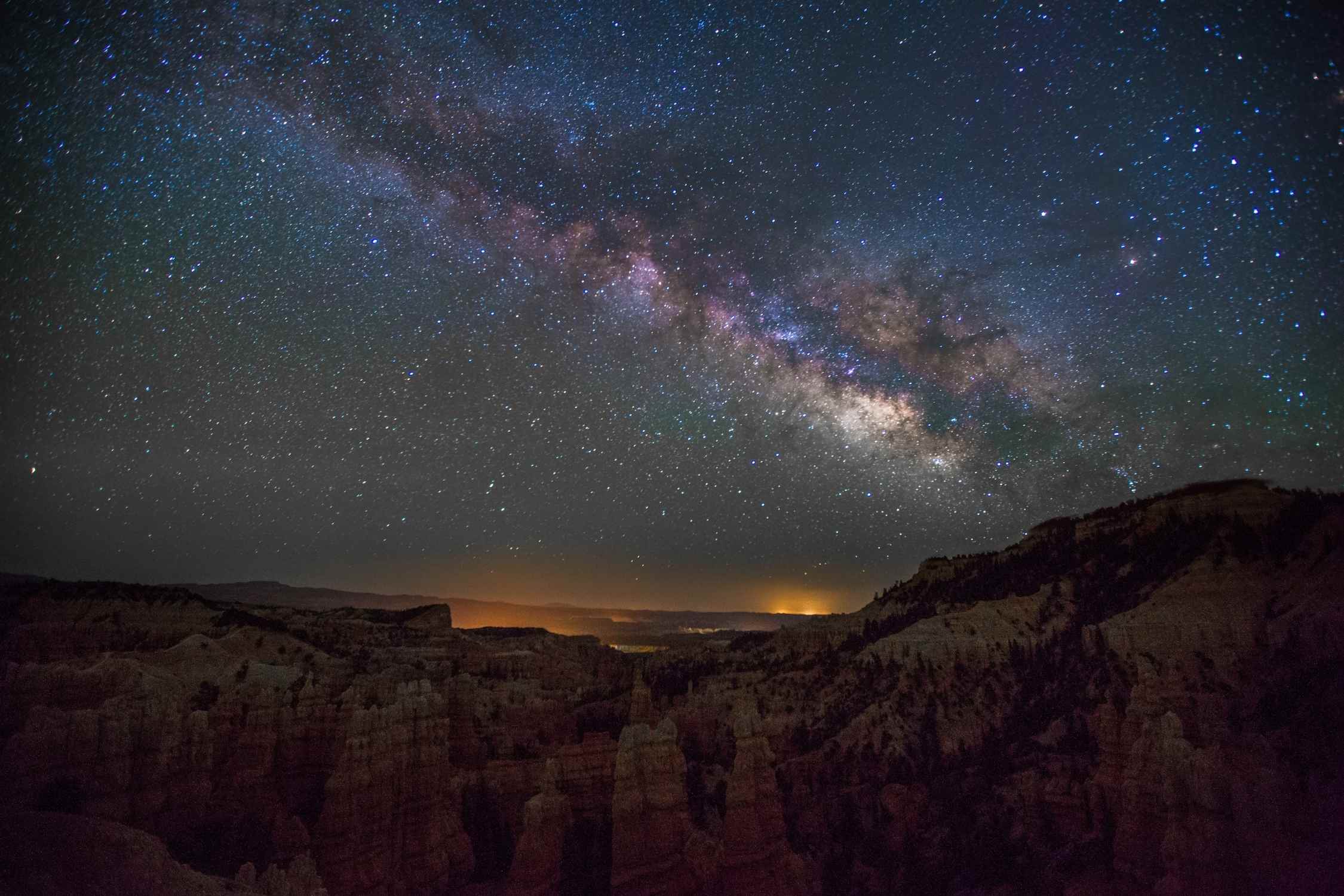
Bryce Canyon National Park is renowned for its stunning landscapes, characterized by distinctive red rock formations known as hoodoos.
These spire-shaped rock formations create a surreal environment, especially when illuminated by the light of the stars.
The park is located at a high elevation, around 8,000 feet above sea level, which reduces atmospheric interference and enhances the clarity of the night sky.
The park offers several hiking trails that are ideal for stargazing, such as the Navajo Loop Trail and the Queen's Garden Trail.
These trails allow hikers to explore the unique terrain and then find a spot to settle in for an evening of stargazing.
Bryce Canyon is also a designated International Dark Sky Park, meaning it has made significant efforts to minimize light pollution, making it one of the best places in the United States to observe the stars.
Mauna Kea, Hawaii
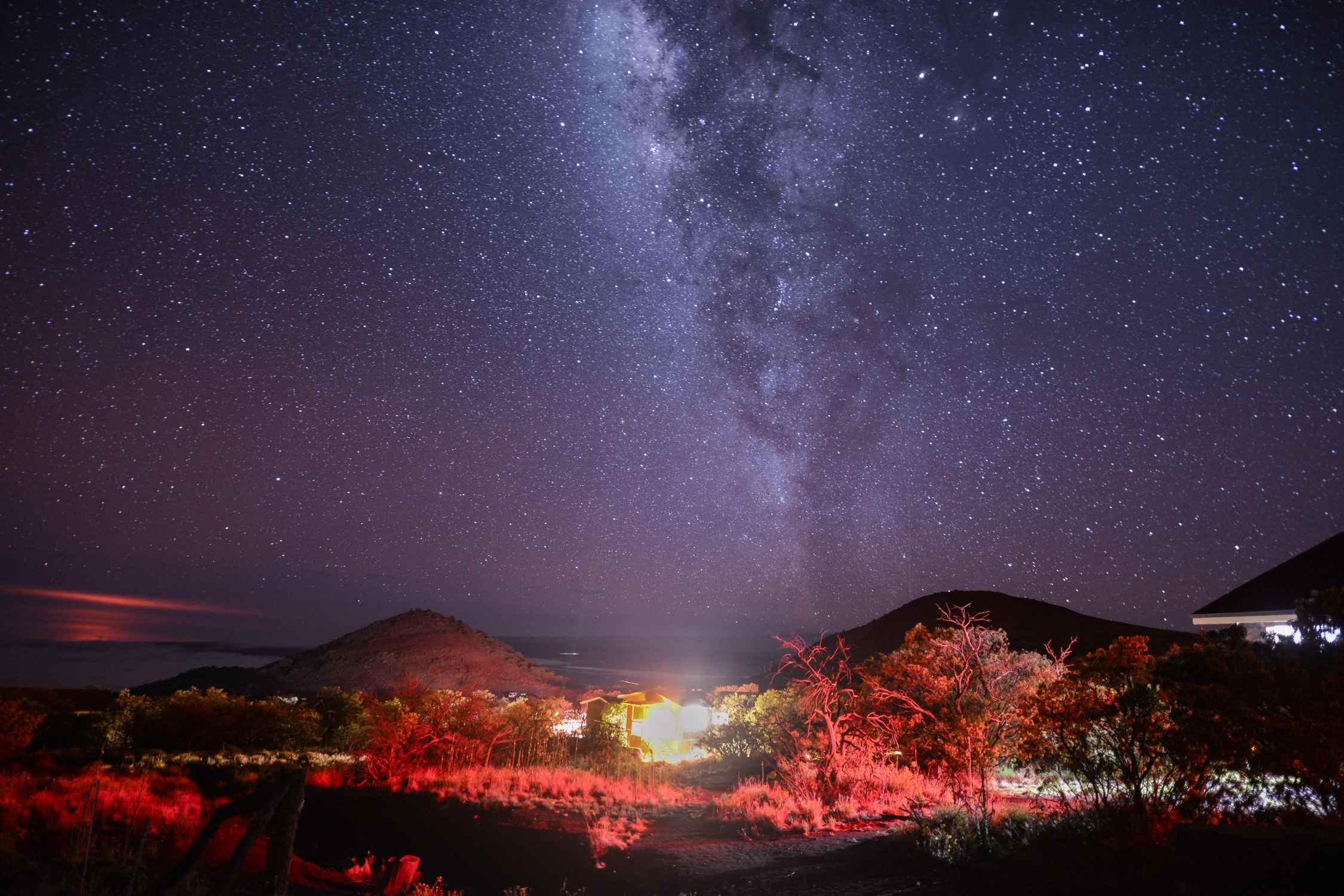
Mauna Kea, a dormant volcano on the Big Island of Hawaii, is one of the most famous spots for stargazing in the world.
Standing at over 13,000 feet, it offers an unparalleled view of the night sky, free from the light pollution that plagues many other locations.
The high elevation and isolated location in the middle of the Pacific Ocean make Mauna Kea an ideal destination for both hiking and stargazing.
The Mauna Kea Summit Trail is a challenging hike that takes you to the top of the volcano, where you'll find observatories from various countries.
The combination of clear skies, minimal atmospheric interference, and the high-tech telescopes at the summit make this an exceptional place for both amateur and professional astronomers.
However, due to the altitude and challenging conditions, hikers need to be well-prepared for this trek.
Big Bend National Park, Texas
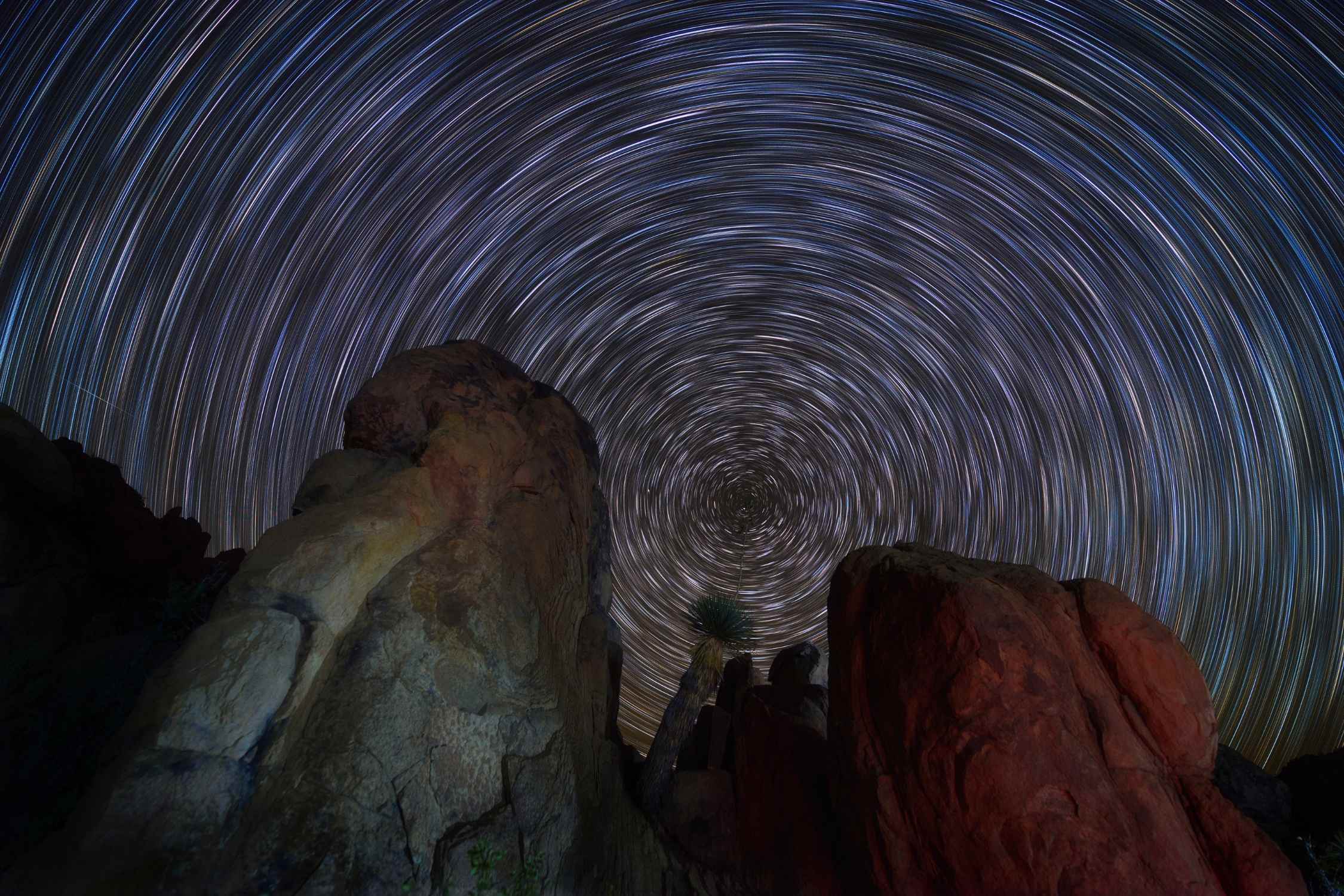
Big Bend National Park in Texas is another fantastic destination for those looking to combine hiking with stargazing.
The park is located in a remote part of West Texas, far from any major cities, which means it has some of the darkest skies in the continental United States.
The park’s vast desert landscapes provide unobstructed views of the sky, making it a prime location for stargazing.
The South Rim Trail is one of the most popular hiking routes in Big Bend, offering spectacular views during the day and a perfect vantage point for stargazing at night.
The park is also designated as an International Dark Sky Park, ensuring that its night skies remain pristine and free from light pollution.
Whether you're looking to see the Milky Way in all its glory or spot a meteor shower, Big Bend is a must-visit for star enthusiasts.
Jasper National Park, Canada
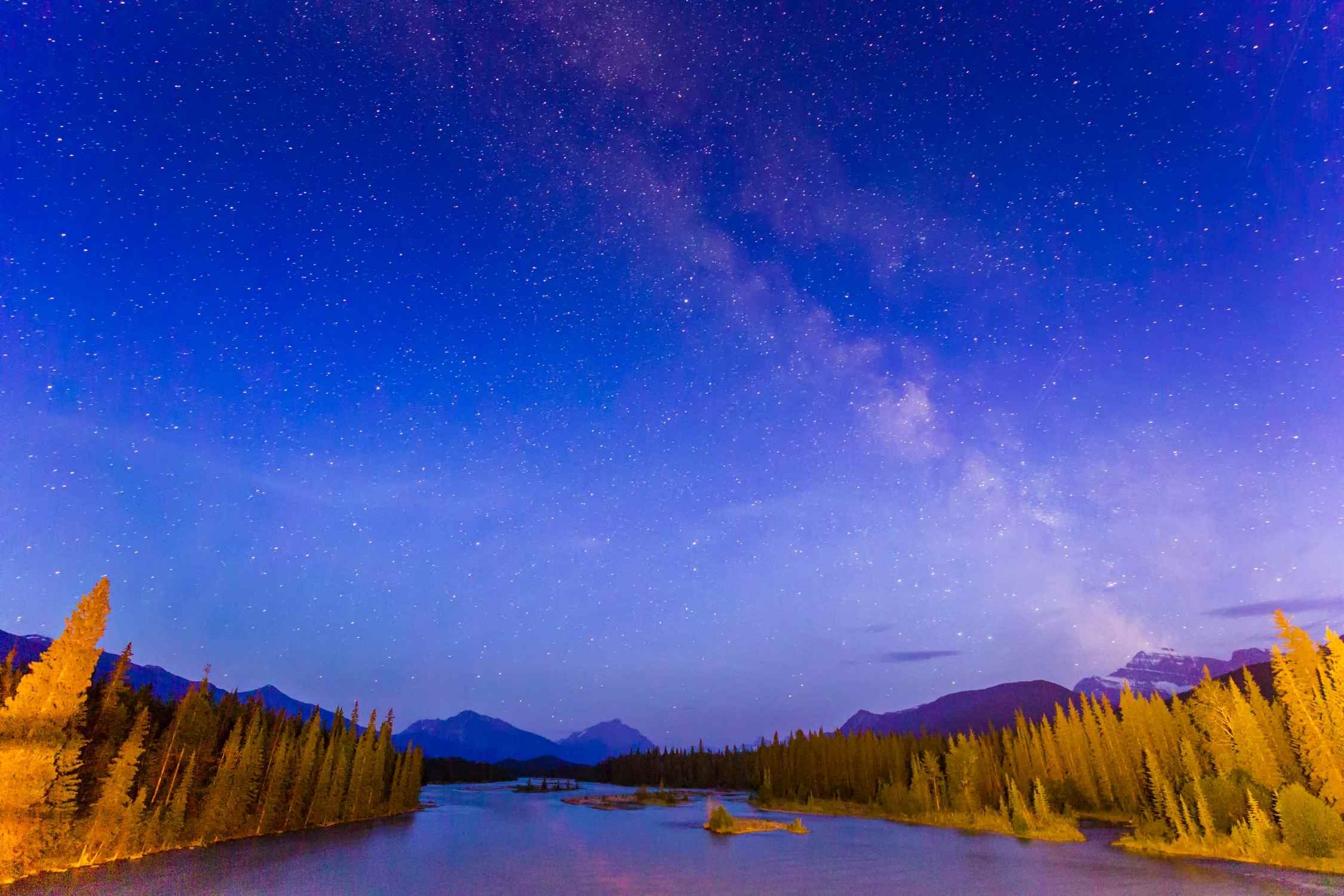
For those willing to venture a bit further north, Jasper National Park in Alberta, Canada, offers some of the most awe-inspiring stargazing experiences in North America.
The park is part of the larger Canadian Rockies and is known for its rugged mountain landscapes, crystal-clear lakes, and, most importantly, its incredibly dark skies.
Hiking in Jasper during the day allows you to explore some of the most beautiful trails in the Rockies, such as the Skyline Trail or the Valley of the Five Lakes.
At night, the park's designation as a Dark Sky Preserve means that it's protected from light pollution, making the stars appear brighter and more numerous.
Jasper hosts an annual Dark Sky Festival every October, attracting stargazers from around the world.
Aoraki/Mount Cook National Park, New Zealand
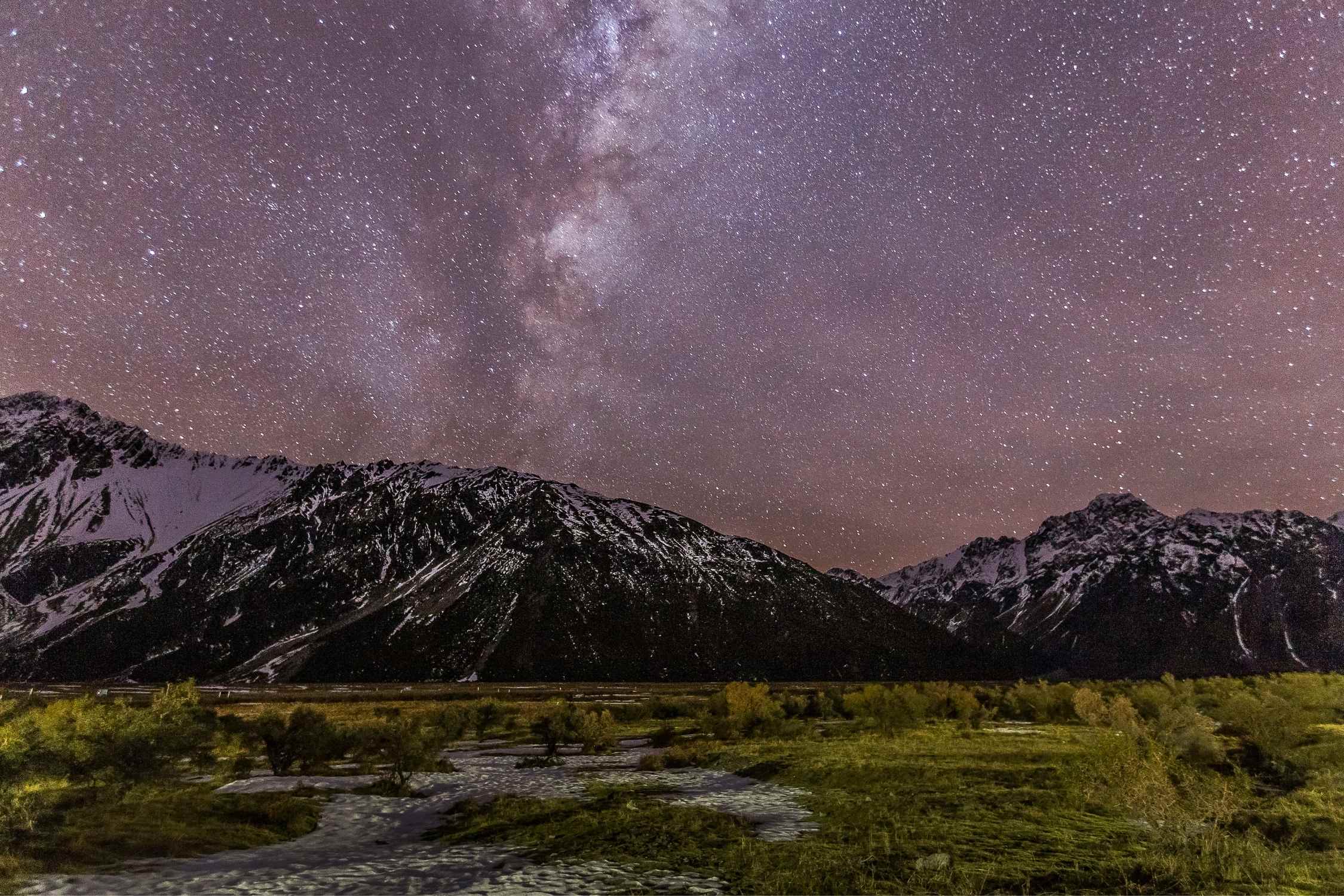
Aoraki/Mount Cook National Park in New Zealand is a destination that offers a unique combination of hiking and stargazing in the Southern Hemisphere.
The park is home to the highest peak in New Zealand, Mount Cook, and boasts some of the darkest skies in the world, thanks to its remote location and strict light pollution controls.
The Hooker Valley Track is a popular hiking trail in the park, providing breathtaking views of glaciers, alpine meadows, and eventually, the night sky.
The park is part of the Aoraki Mackenzie International Dark Sky Reserve, one of only a few such reserves in the world, ensuring that the night skies remain pristine for future generations.
The Benefits of Stargazing While Hiking
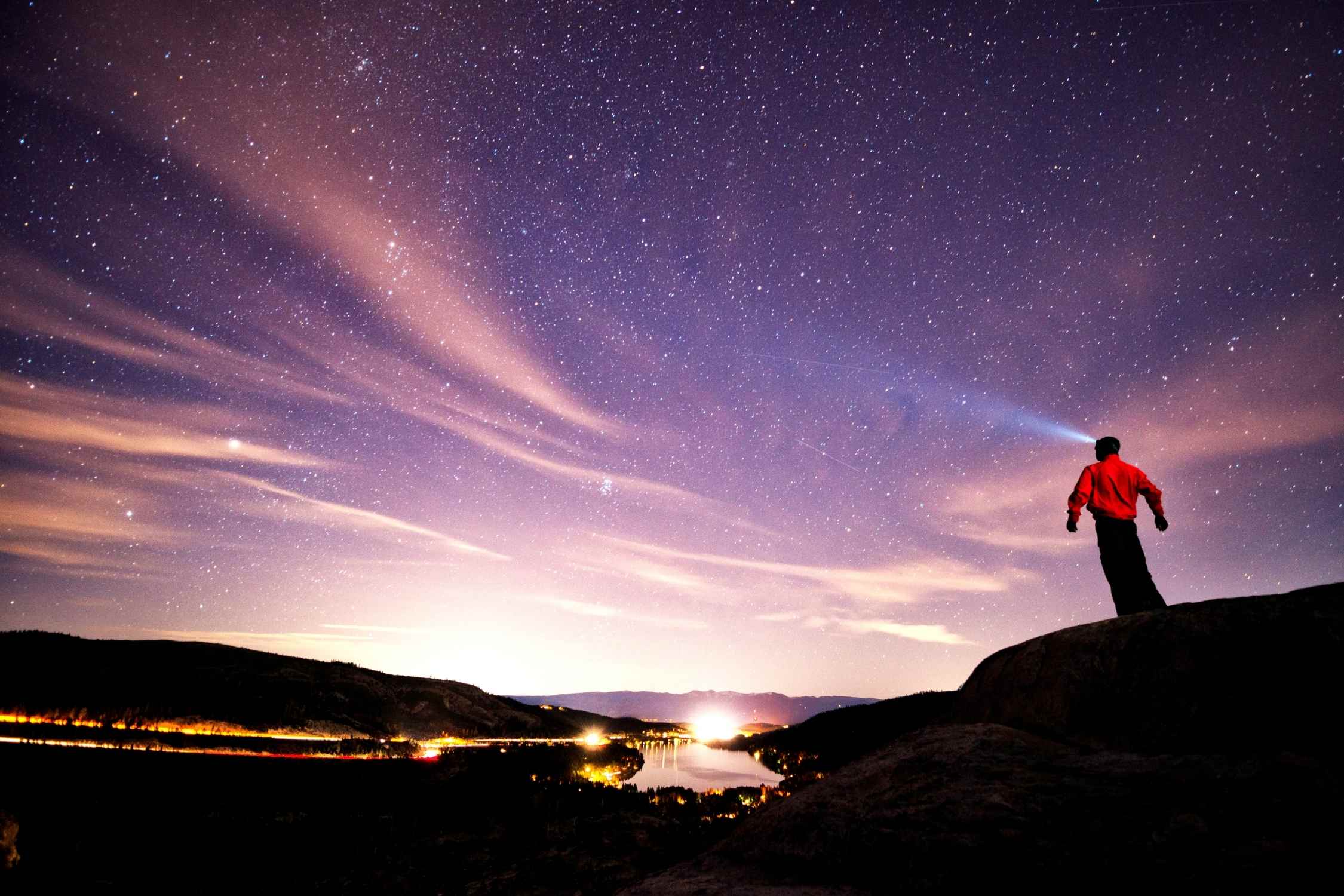
Combining hiking with stargazing offers numerous benefits that enhance the overall outdoor experience.
For one, hiking allows you to reach remote locations that are far from the light pollution of urban areas, providing an unobstructed view of the night sky.
The physical exertion of hiking also makes the experience of stargazing more rewarding, as it feels like a well-earned reward at the end of a challenging day.
Moreover, spending time under the stars has been shown to have numerous mental health benefits.
Stargazing promotes mindfulness, reduces stress, and fosters a sense of wonder and curiosity.
When combined with the physical and mental benefits of hiking, this makes for a holistic outdoor experience that nourishes both the body and mind.
Tips for a Successful Hiking and Stargazing Trip
To make the most of your hiking and stargazing adventure, it’s important to be well-prepared. Here are some tips to help you have a successful trip:
- Plan Your Trip Around the Moon Phases: The best time for stargazing is during a new moon when the sky is darkest. Check the lunar calendar and plan your trip accordingly.
- Pack the Right Gear: Bring along essentials such as a headlamp with a red light setting, a warm blanket, and a comfortable seating pad. A star map or an astronomy app can also enhance your experience.
- Choose the Right Trail: Opt for a trail that offers clear views of the sky, preferably at a higher elevation and away from artificial light sources.
- Be Mindful of the Weather: Clear skies are essential for stargazing, so keep an eye on the weather forecast before heading out. It’s also important to dress warmly, as temperatures can drop significantly at night.
- Respect the Environment: Leave no trace, stay on designated trails, and respect the natural environment to ensure that these beautiful destinations remain pristine for future visitors.
Conclusion
Hiking and stargazing are two activities that complement each other perfectly, offering a unique way to connect with nature and the cosmos.
Whether you're exploring the hoodoos of Bryce Canyon, the volcanic summit of Mauna Kea, or the rugged landscapes of Jasper National Park, these destinations provide some of the best opportunities for an unforgettable night under the stars.
So pack your gear, lace up your boots, and set out on a journey to discover the beauty of the night sky.
Did you find this post useful or inspiring? Save THIS PIN for later in your Outdoor Board on Pinterest! 😊
Explore these outdoor tips too