
The Complete Guide to Planning Your First Hike
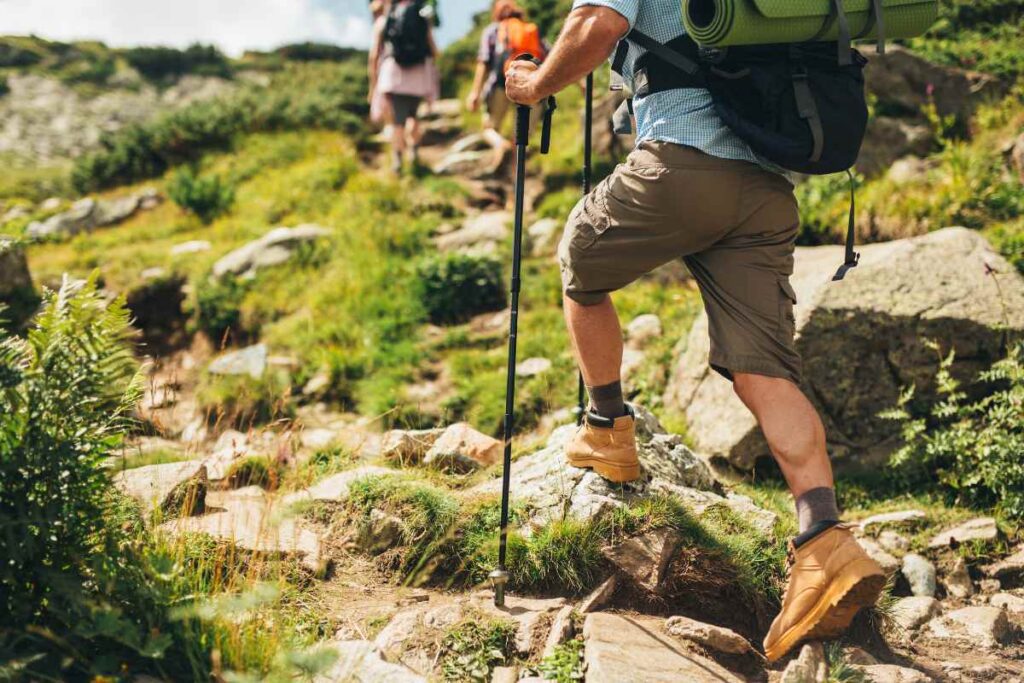
Embarking on your first hike is an exciting adventure that can lead to a lifelong love of nature and the great outdoors.
However, planning your first hike can be daunting, especially if you're new to hiking or outdoor activities.
This comprehensive guide will walk you through everything you need to know to ensure your first hike is enjoyable, safe, and memorable.
The Benefits of Hiking
Hiking offers numerous benefits for both physical and mental health. It's a fantastic way to stay active and improve cardiovascular fitness, strengthen muscles, and increase endurance.
Additionally, hiking allows you to immerse yourself in nature, which can significantly reduce stress, improve mood, and enhance overall well-being.
Planning your first hike can open the door to these wonderful benefits, making it a rewarding and enriching experience.
Choosing the Right Trail
The first step in planning your first hike is selecting a trail that matches your fitness level and interests.
Beginner hikers should opt for trails that are shorter and less strenuous. Look for trails with clear paths, well-marked signs, and manageable terrain.
It's important to consider the trail's distance, elevation gain, and difficulty rating. For your first hike, a trail of 2-5 miles with minimal elevation change is ideal.
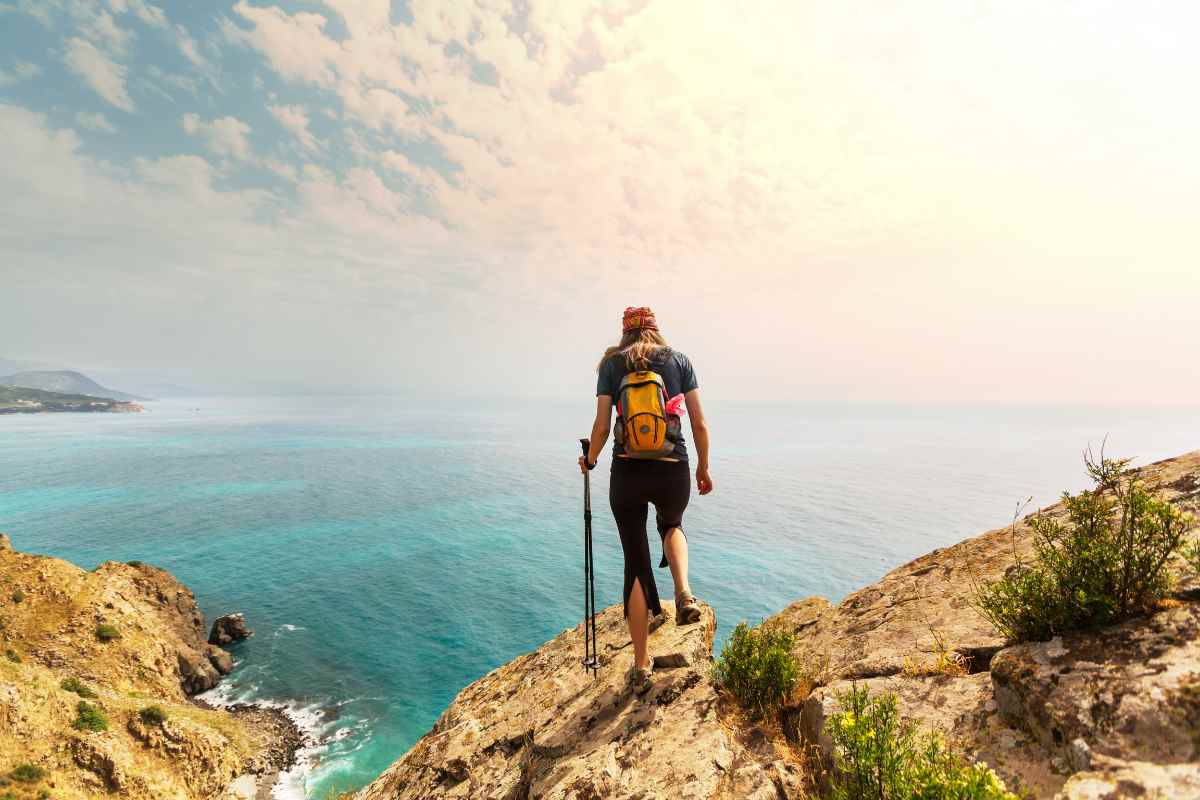
Researching the Trail
Once you've chosen a trail, it's crucial to research it thoroughly. Check online resources, guidebooks, and local hiking forums for information about the trail's conditions, seasonal considerations, and any potential hazards.
Pay attention to trail reviews from other hikers, which can provide insights into the trail's difficulty and what to expect. Knowing what to expect can make your first hike much more enjoyable.
Preparing the Essentials
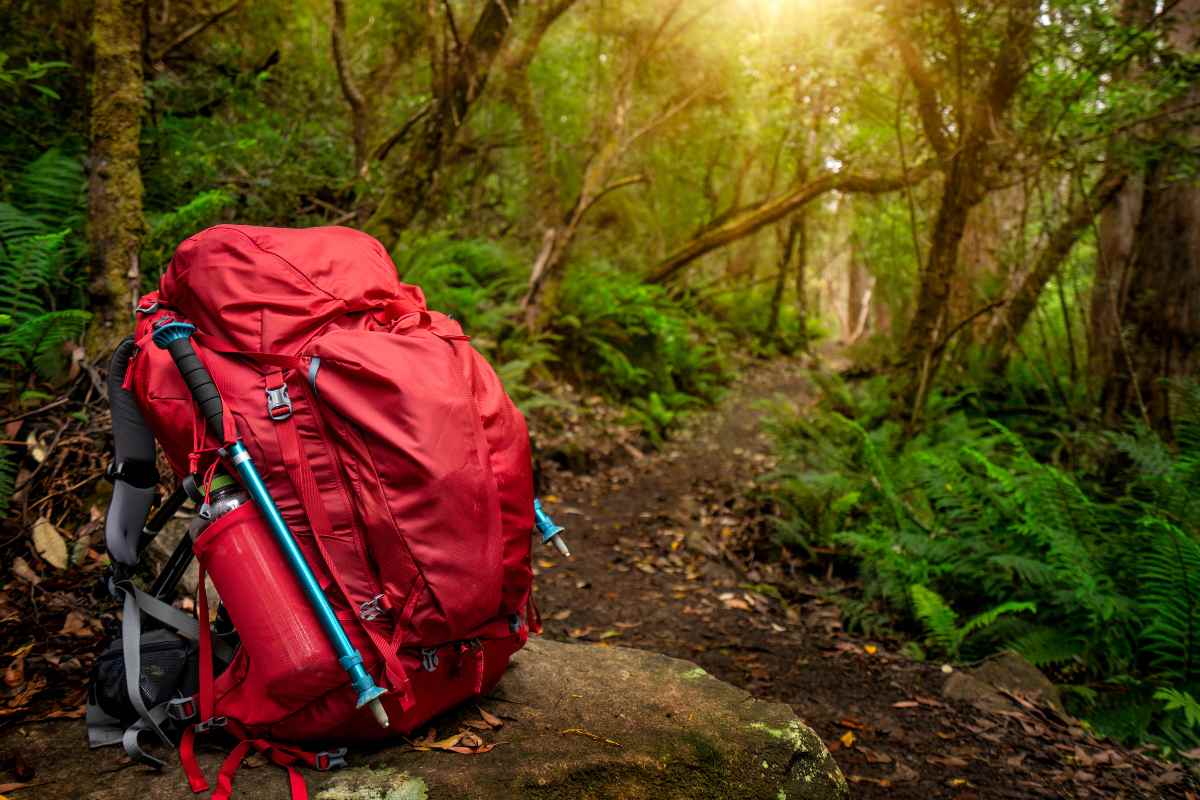
Packing the right gear is essential for a successful hike. Here are some must-have items for your first hike:
- Footwear: Choose comfortable hiking shoes or boots that provide good support and traction. Avoid new shoes; instead, wear the footwear you’ve broken in to prevent blisters.
- Clothing: Dress in layers to accommodate changing weather conditions. Opt for moisture-wicking fabrics and avoid cotton, which can retain moisture and lead to discomfort.
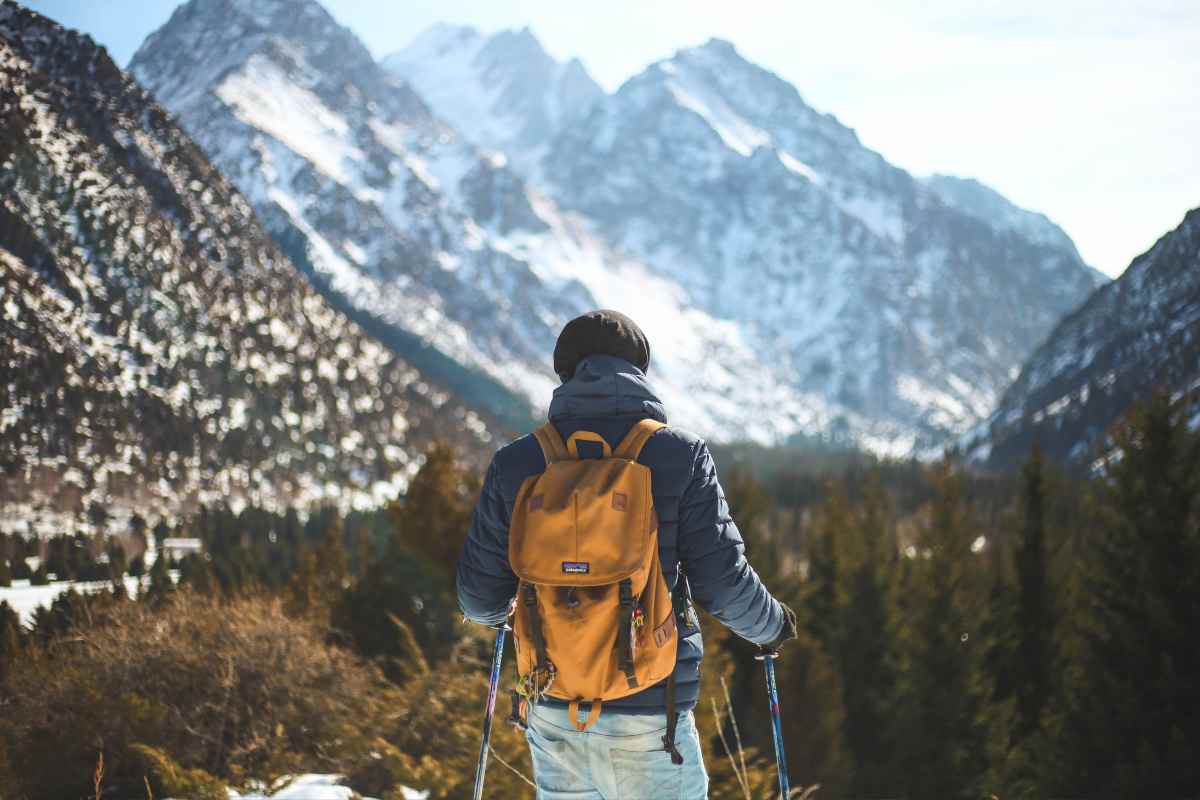
- Backpack: A small to medium-sized backpack should be sufficient. Make sure it has padded straps and enough compartments for organization.
- Navigation: Carry a map of the trail, a compass, and, if possible, a GPS device. Even on well-marked trails, it's good to have navigation tools.
- Hydration: Bring at least 2 liters of water. Staying hydrated is crucial, especially on longer hikes.
- Food: Pack high-energy snacks like nuts, trail mix, energy bars, and fruits.
- First Aid Kit: Include bandages, antiseptic wipes, blister treatment, and any personal medications.
- Sun Protection: Sunglasses, sunscreen, and a hat can protect you from harmful UV rays.
Understanding the Weather
Weather conditions can significantly impact your first hike. Check the forecast for the day of your hike and be prepared for unexpected changes.
Avoid hiking in extreme weather conditions, such as thunderstorms, high winds, or excessive heat. Always have a backup plan and be prepared to turn back if the weather becomes dangerous.
Learning Basic Navigation Skills
While many trails are well-marked, it's important to have basic navigation skills. Learn how to read a map and use a compass.
Knowing your route, landmarks, and how to orient yourself can prevent you from getting lost. If the trail has a visitor center or ranger station, stop by to get the latest information and advice.
Safety and Etiquette
Safety should always be a priority when hiking. Here are some key safety tips for your first hike:
- Hike with a buddy: It’s safer and more enjoyable to hike with someone. If you prefer to hike alone, inform someone about your plans, including your route and estimated return time.
- Stay on the trail: Straying off the path can lead to accidents or getting lost. Stick to the marked trail to preserve the natural environment and for your safety.
- Wildlife awareness: Understand the types of wildlife in the area and know how to respond if you encounter them. Avoid feeding animals and keep a safe distance.
- Leave no trace: Respect nature by leaving no trace. Pack out all trash, avoid picking plants or disturbing wildlife, and stick to established trails.
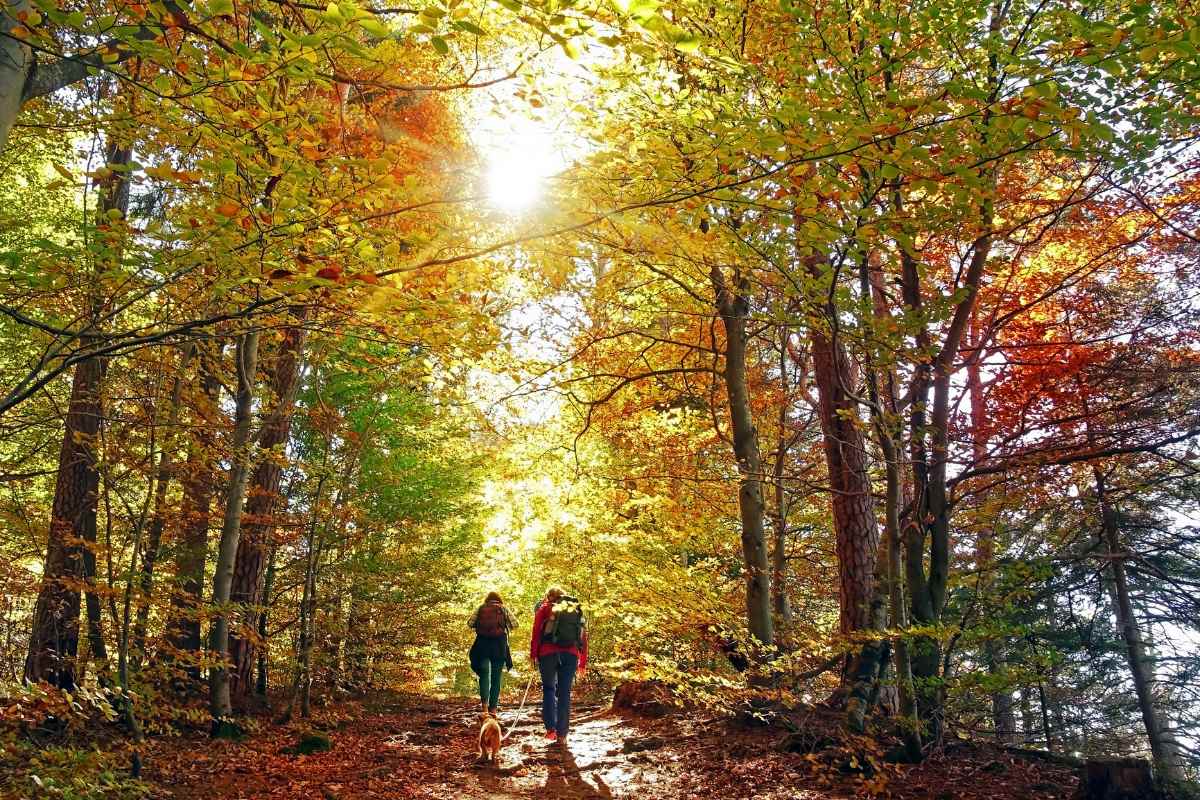
Building Physical Preparedness
Hiking requires a certain level of physical fitness, especially for longer or more challenging trails.
Prepare for your first hike by engaging in regular physical activity. Focus on building your cardiovascular endurance and leg strength through activities like walking, jogging, or cycling.
Additionally, incorporating stretching into your routine can help improve your flexibility and reduce the risk of injury.
Understanding Hiking Etiquette
Good hiking etiquette ensures a pleasant experience for everyone on the trail. Yield to other hikers, especially those going uphill, as it requires more effort to maintain their pace.
When encountering larger groups or bikers, step aside to let them pass safely. If you're bringing a pet, ensure it's allowed on the trail and keep it leashed.
Respect others' desire for solitude by keeping noise levels down, especially in serene or secluded areas.
Staying Hydrated and Nourished
Staying hydrated is crucial, especially on warm days or longer hikes. Drink water regularly, even if you don't feel thirsty, to prevent dehydration.
Carry enough water for the entire hike and consider using a hydration bladder for easy access. In addition to water, bring snacks that are easy to eat on the go. High-energy snacks like nuts, seeds, and dried fruits can help maintain your energy levels.
Enjoying the Experience
Your first hike is not just about reaching the destination but also about enjoying the journey. Take time to appreciate the natural beauty around you, observe the flora and fauna, and enjoy the fresh air.
Hiking is a great opportunity to disconnect from daily stress and immerse yourself in nature. Remember to take breaks, rest when needed, and savor the experience.
Reflecting and Planning for Future Hikes
After completing your first hike, take some time to reflect on the experience.
What did you enjoy the most? What challenges did you face? Reflecting on these aspects can help you better prepare for future hikes.
Consider keeping a hiking journal where you can document your experiences, trails, and any tips you learn along the way.

Conclusion on First Hike
Planning your first hike involves careful preparation and a sense of adventure. By choosing the right trail, packing essential gear, understanding the weather, and practicing safety, you can ensure a positive and memorable hiking experience.
Hiking is not just a physical activity; it's a way to connect with nature, find peace, and challenge yourself.
As you gain experience, you'll be able to tackle more challenging trails and explore new landscapes. So lace up your hiking boots, grab your backpack, and embark on the journey of a lifetime. Happy hiking!
Did you find this post useful or inspiring? Save THIS PIN for later in your Outdoor Board on Pinterest! 😊

Explore these outdoor tips too