
The Most Dangerous Hikes in the World: Are You Ready?

Dangerous hikes offer some of the most thrilling and challenging experiences for adventure seekers around the globe.
For those who thrive on adrenaline and are prepared to face extreme conditions, these hikes can be the ultimate test of endurance and courage.
However, they come with significant risks and require thorough preparation. In this article, we’ll explore some of the most perilous trails on Earth, examining what makes them so dangerous and what you need to know before attempting them.
Dangerous Hikes: A Closer Look
Dangerous hikes are characterized by their high risk of accidents due to various factors such as steep terrain, unpredictable weather, and remote locations.
These trails demand more than just physical fitness—they require careful planning, respect for nature, and the right equipment.
Understanding the dangers associated with these hikes is crucial for anyone considering taking on such a challenge.
The Most Dangerous Hikes in the World
The Everest Base Camp Trek

Location: Nepal
Length: Approximately 130 kilometers (80 miles) round trip
The Everest Base Camp Trek is one of the most famous hikes globally, but it’s also one of the most dangerous.
The trek takes you through extreme altitudes that can cause altitude sickness, with risks of avalanches and unpredictable weather.
The cold temperatures and high winds add to the challenge. Despite these hazards, the breathtaking views of the world's highest peak attract thousands of trekkers each year.
The Huashan Trail

Location: China
Length: Varies, but approximately 12 kilometers (7.5 miles) for the full loop
Known for its narrow paths and steep drops, the Huashan Trail is renowned for its danger.
This hike features wooden planks bolted to the cliffside, which can be particularly nerve-wracking.
The trail requires careful navigation and a head for heights. Despite its perilous nature, the panoramic views and the sense of accomplishment draw many to this challenging hike.
The Kalalau Trail

Location: Hawaii, USA
Length: Approximately 35 kilometers (22 miles) round trip
The Kalalau Trail is famous for its rugged terrain and unstable weather conditions.
Hikers face muddy paths, rockslides, and treacherous river crossings. The trail also has sections that are prone to erosion, making it even more dangerous.
Despite its challenges, the stunning scenery and the sense of isolation make it a sought-after adventure for experienced hikers.
The El Caminito del Rey
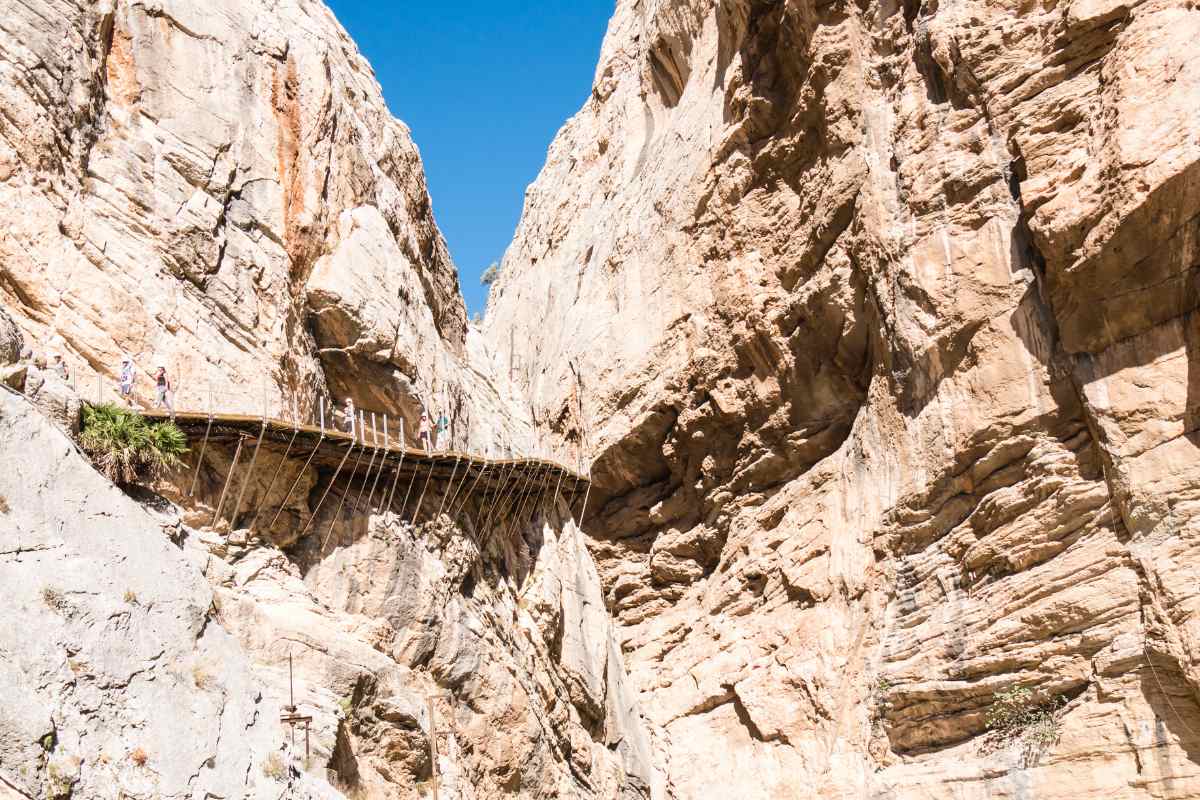
Location: Spain
Length: Approximately 7.7 kilometers (4.8 miles)
Once considered one of the most dangerous hikes in the world, the El Caminito del Rey has been partially renovated to improve safety.
However, it still presents significant risks due to its narrow walkways and sheer drops. This trail runs along the side of a gorge, with some sections requiring careful attention to avoid falling.
The dramatic views and engineering feats attract many thrill-seekers to this historically perilous path.
The Mont Blanc Traverse

Location: France/Italy/Switzerland
Length: Approximately 170 kilometers (105 miles)
The Mont Blanc Traverse is renowned for its challenging conditions, including glacier crossings and high-altitude climbs.
Hikers face risks from avalanches, crevasses, and unpredictable weather. The technical demands of this hike require both physical and mental stamina.
The stunning alpine vistas and the sense of accomplishment make it a rewarding but dangerous adventure.
Preparing for Dangerous Hikes
Physical Fitness
Before attempting a dangerous hike, it’s crucial to be in top physical condition. These hikes demand not only strength and endurance but also the ability to handle high-stress situations.
Regular training, including cardiovascular exercise, strength training, and endurance activities, is essential.
Proper Gear
Having the right equipment can make a significant difference in a dangerous hike. Essential gear includes hiking boots, climbing ropes, ice axes, and weather-appropriate clothing.
Always ensure that your gear is well-maintained and suitable for the conditions you’ll face.
Navigation Skills
Navigating treacherous trails requires excellent map-reading and navigational skills. Familiarize yourself with the trail’s layout, and consider using GPS devices or compass apps.
Knowing how to use these tools effectively can help prevent getting lost in remote areas.

Weather Awareness
Weather conditions can change rapidly in many dangerous hikes, making it crucial to monitor forecasts and be prepared for sudden shifts.
Check weather conditions regularly before and during your hike, and be ready to turn back if conditions become unsafe.
Emergency Preparedness
Always have a plan for emergencies. This includes carrying a first aid kit, knowing how to signal for help, and informing someone of your itinerary.
Being prepared for unexpected situations can be the difference between a successful hike and a rescue mission.
Embracing the Challenge: Ensuring Safety on Dangerous Hikes
Embarking on one of the most dangerous hikes in the world is not for the faint of heart. These trails offer incredible experiences but come with significant risks that require thorough preparation and respect for the environment.
By understanding the dangers, preparing appropriately, and respecting nature, you can undertake these adventures with greater confidence and safety.
Remember, the goal is not just to complete the hike but to enjoy the journey while keeping yourself and your fellow hikers safe.
Did you find this post useful or inspiring? Save THIS PIN for later in your Outdoor Board on Pinterest! 😊
Explore these outdoor tips too