
Trail Runners’ Guide to Fastpacking: Gear, Food, and Pacing Basics
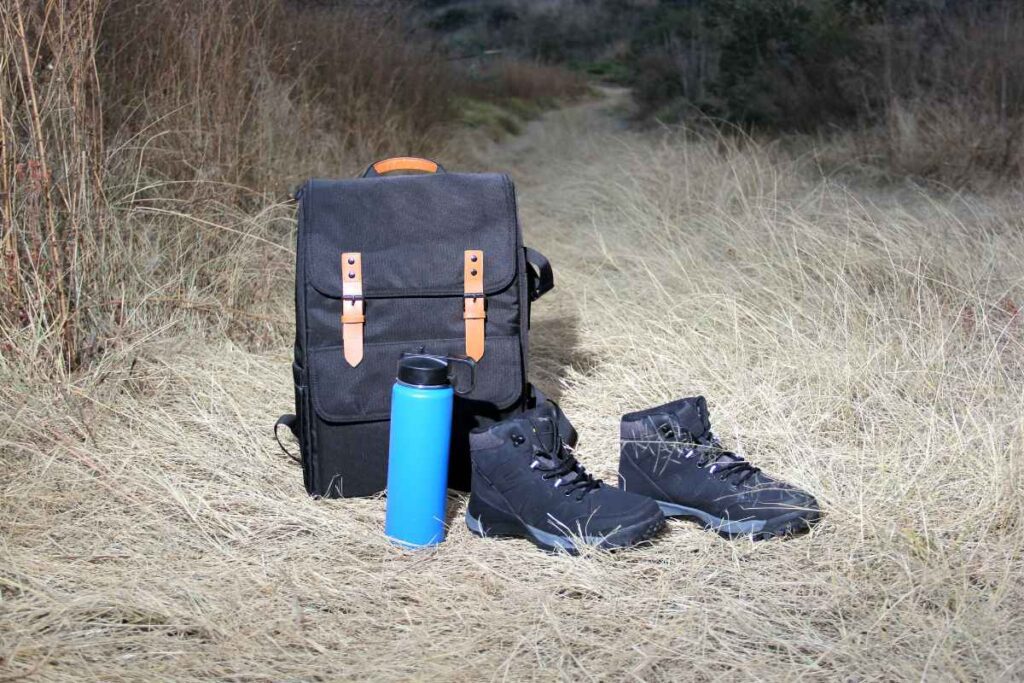
Fastpacking is the ultimate blend of trail running and backpacking, allowing you to cover long distances quickly while carrying the essentials for a multi-day adventure.
Whether you're a seasoned trail runner looking to push your limits or a backpacker interested in a lighter, faster experience, fastpacking offers the thrill of running through scenic landscapes with the gear and sustenance to keep you moving.
This guide will walk you through the gear, food, and pacing basics, helping you prepare for your next fastpacking adventure.
What is Fastpacking?
Fastpacking combines the speed of trail running with the essential gear needed for overnight or multi-day trips.
Unlike traditional backpacking, where you carry heavy loads and travel at a slower pace, fastpacking involves lighter gear and a faster, more fluid running style.
The goal is to cover longer distances in a shorter amount of time while maintaining the ability to be self-sufficient with shelter, food, and water.
Fastpacking is ideal for those who enjoy speed and efficiency on the trails but don’t want to miss out on the experience of overnighting in nature. It’s a challenging yet rewarding way to explore the outdoors.
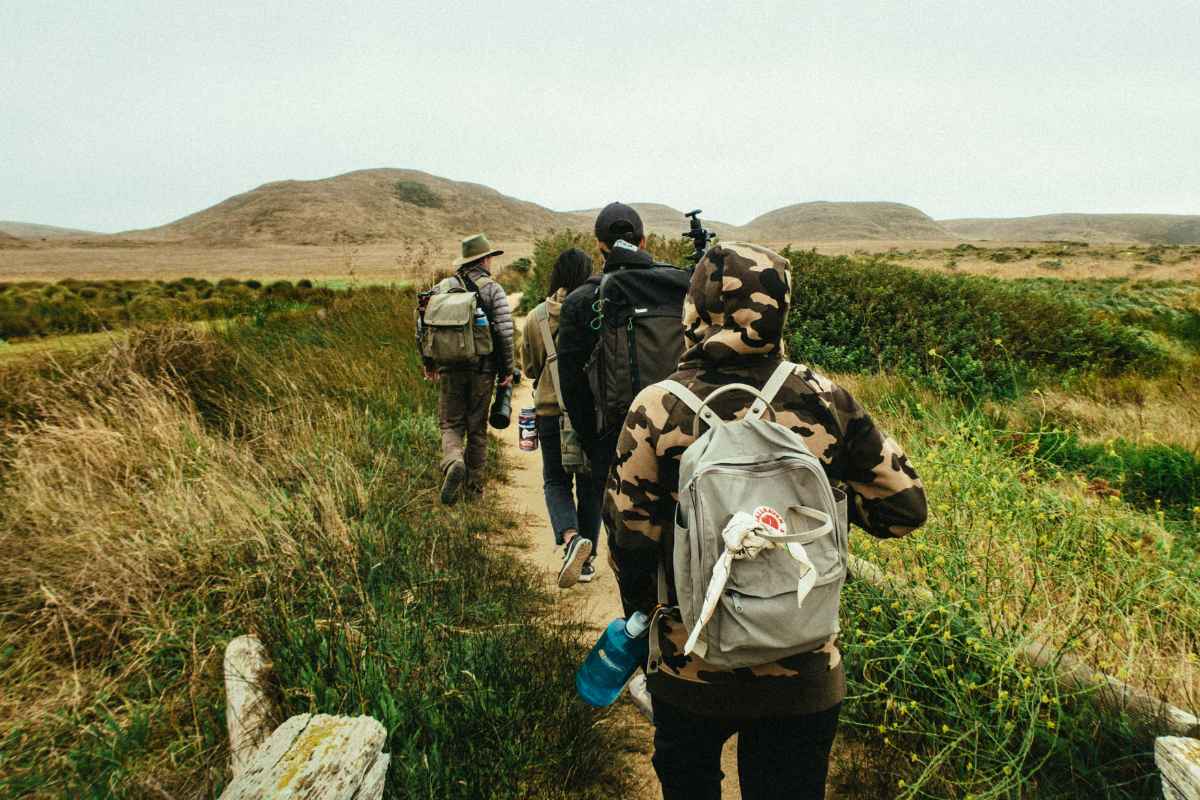
Essential Gear for Fastpacking
Choosing the right gear is critical for ensuring comfort and safety during your fastpacking adventures. Since you’ll be running over rugged terrain for extended periods, each piece of gear needs to be lightweight, durable, and functional.
1. Backpack
The key to fastpacking is carrying a lightweight pack that can hold all your essential gear without slowing you down. Look for a hydration pack or running-specific backpack that offers a hydration reservoir and multiple pockets for organizing your gear.
It should be minimalistic yet spacious enough to fit a sleeping bag, lightweight shelter, and food.
Choose a pack with adjustable straps and a chest harness for better stability and weight distribution during your runs. Popular options for fastpacking include packs by brands like Osprey, Hyperlite Mountain Gear, and Ultimate Direction.
2. Footwear
Since fastpacking involves long runs on various terrains, your shoes need to provide comfort, support, and grip. A trail running shoe with a rugged sole is ideal, but it should also be light enough to allow for speed.
Look for shoes with good drainage for wet conditions, and ensure they have adequate cushioning to absorb shock during those long miles.

Brands like Salomon, La Sportiva, and Altra are known for their high-performance trail running shoes that are durable enough for fastpacking.
3. Clothing
Dress in layers to stay comfortable during your fastpacking trip. In warm weather, you’ll want a lightweight moisture-wicking shirt, shorts, and hat. For colder climates, add base layers, fleece jackets, and a waterproof jacket to protect against rain or wind.
Choose fabrics that are breathable and quick-drying to avoid chafing or discomfort. The goal is to stay dry and comfortable throughout your run, so be sure to avoid cotton, which traps moisture.
4. Shelter and Sleeping System
Since you’ll likely be overnighting during your fastpacking adventure, lightweight shelter is essential. A one-person tent or bivy sack that packs down small and sets up quickly is ideal.
You can also consider tarps or shelter tents that provide coverage but are even lighter and more compact.
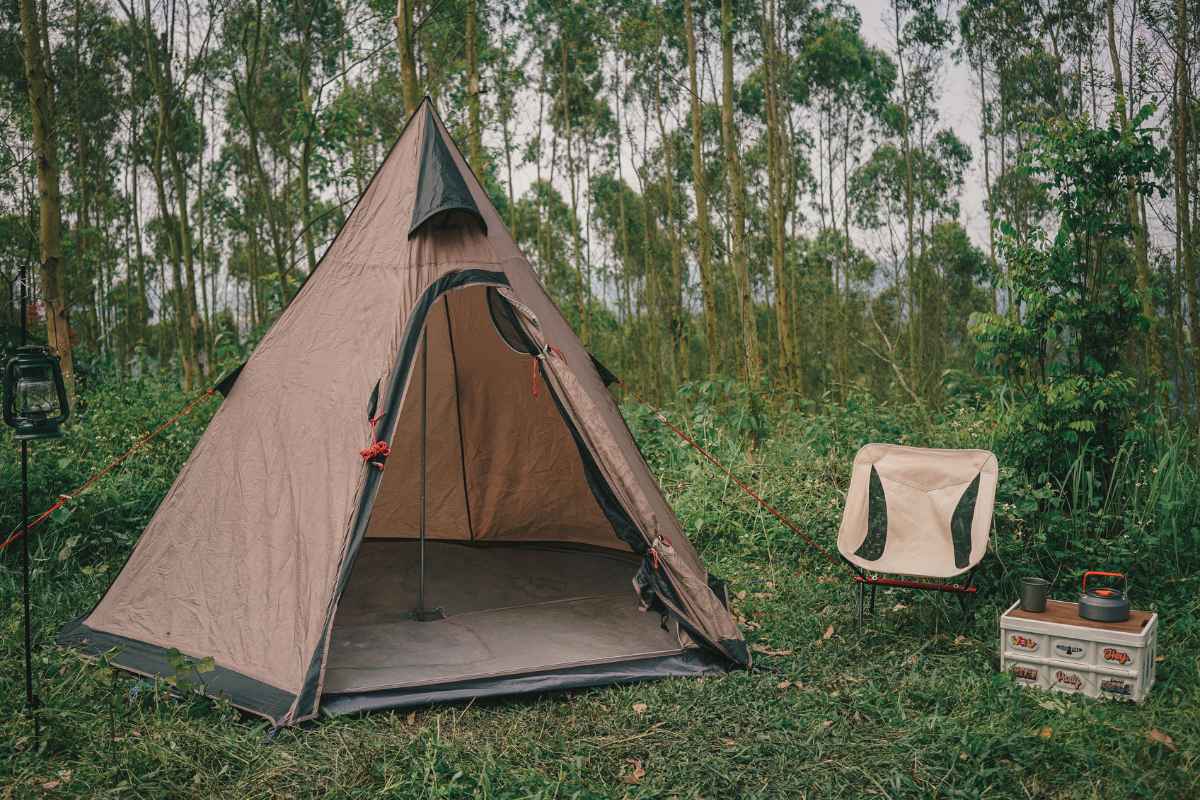
Your sleeping bag should be compact, warm enough for the conditions you’ll be facing, and lightweight. Down sleeping bags offer the best warmth-to-weight ratio but can be less effective in wet conditions. In those cases, synthetic sleeping bags may be a better choice.
5. Hydration and Food
You need to stay hydrated and energized throughout your journey, so carrying a hydration system like a hydration reservoir or water bottles is a must.
Be sure to bring a water filter or purification tablets in case you run out of water along the way and need to refill from natural sources.
For food, aim for high-calorie options that are lightweight and easy to consume while on the move. Energy bars, trail mix, dried fruits, and dehydrated meals are great choices.
If you plan on cooking, bring a compact stove and cookware for preparing hot meals during your breaks.
Food and Nutrition for Fastpacking
Eating the right foods will help you maintain energy levels and keep you performing at your best during your fastpacking run. Here’s a breakdown of the types of food you should include in your fastpacking plan:

High-Energy, Lightweight Foods
Opt for food that is calorie-dense and easy to digest while you’re on the trail. Nuts, seeds, and dried fruits are fantastic sources of healthy fats and carbohydrates. They provide sustained energy and don’t weigh much in your pack.
Energy gels and chews are also quick sources of sugar and electrolytes for when you need a quick energy boost. Carrying a mix of solid and liquid food will give you the flexibility to snack while running or take a proper break for a meal.
Hydration Is Key
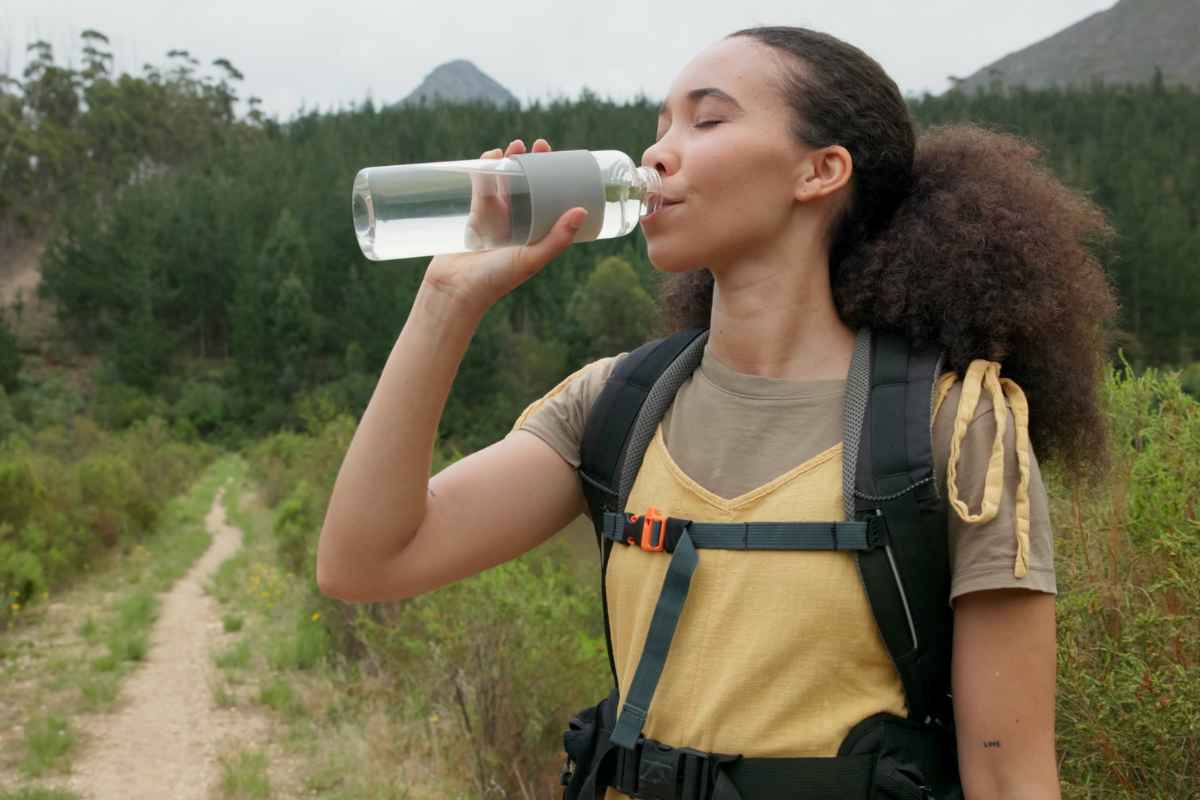
Maintaining hydration is just as important as eating the right foods. Your body will lose fluids through sweat, so plan on drinking frequently and replenishing with electrolytes.
Most hydration systems come with built-in storage for electrolytes or tablets, which can be added to your water to maintain proper electrolyte balance.
If you’re in a remote area, it’s crucial to carry a reliable water purification method. A portable water filter or purification tablets are lightweight and easy to use.
Dehydrated Meals for Convenience
For longer trips, carrying dehydrated meals can save weight and space in your pack. These meals are easy to prepare by simply adding hot water, and they provide the necessary nutrients to fuel your body for the long haul.
Look for options that contain complex carbs, protein, and healthy fats to keep you satisfied and energized.
Pacing Basics for Fastpacking
Pacing is one of the most important aspects of fastpacking. You want to maintain a steady pace that allows you to cover long distances without exhausting yourself early on. Here are a few tips for pacing yourself:
1. Start Slow
It’s easy to get excited and start running at full speed, but you’ll quickly tire out if you push yourself too hard from the start. Instead, begin at a slower pace and gradually increase your speed as your body adapts to the terrain.
2. Embrace Power Hiking
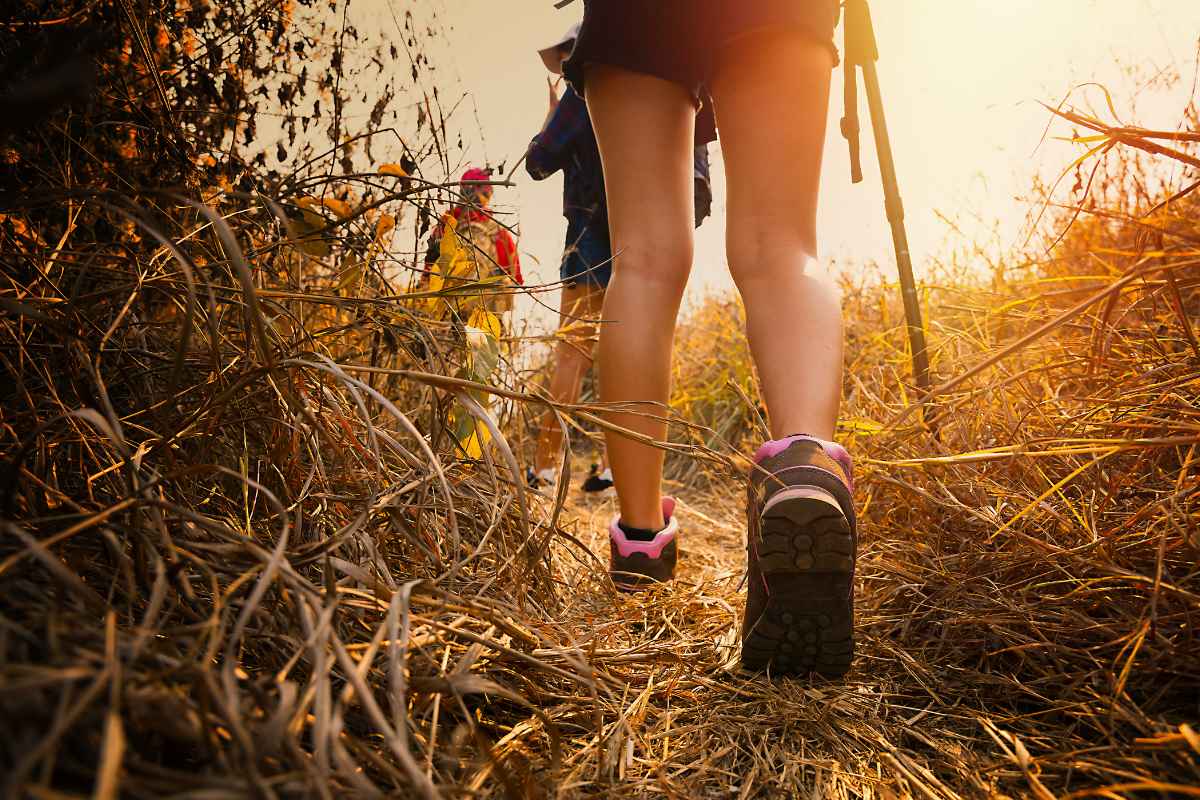
When tackling steep climbs, don’t be afraid to switch from running to power hiking.
This involves walking briskly up hills, using your legs and core to push yourself forward. Power hiking can be just as effective as running on steep inclines and will conserve energy for the long run.
3. Know Your Limits
Everyone has different limits, and it’s crucial to recognize when your body needs a break. Listen to your body, and don’t push too hard, especially during the first few days of your fastpacking trip. Taking regular breaks and managing your energy will help you avoid burnout.
4. Adjust for Terrain
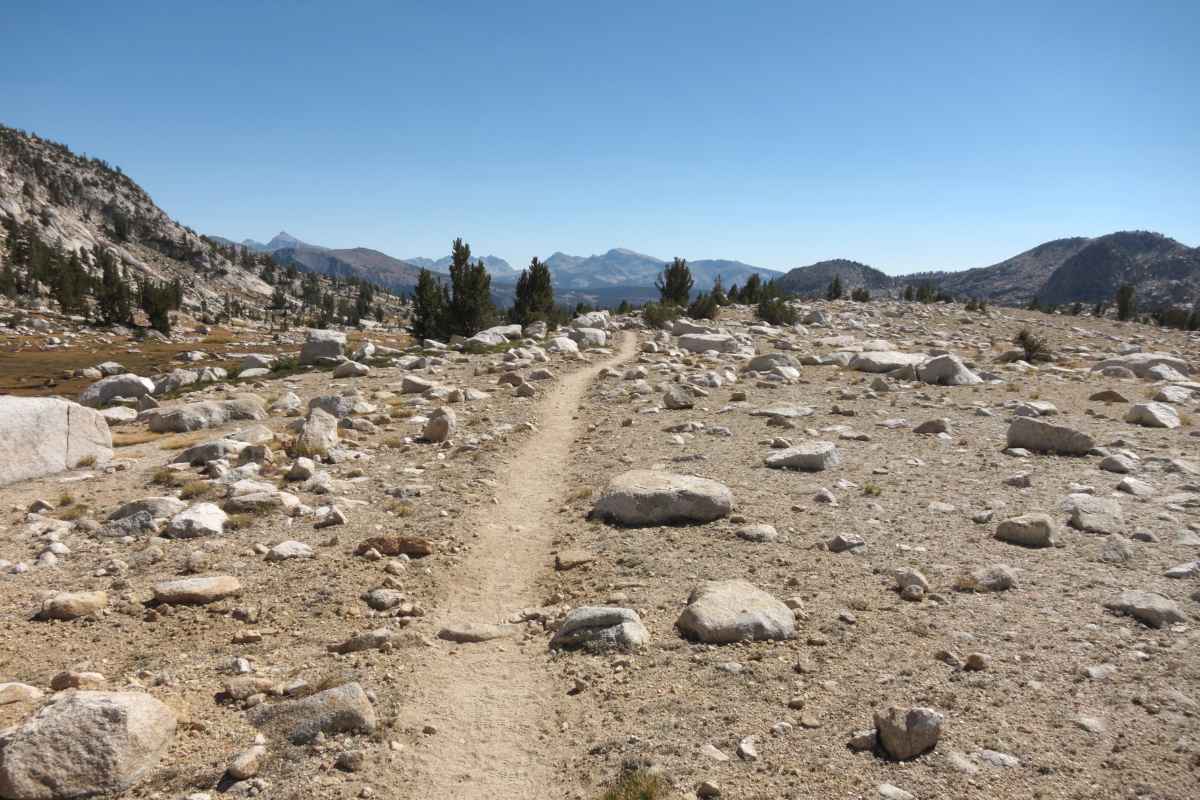
The terrain you run on will have a significant impact on your pacing. Rocky or technical trails will require more caution and slower speeds, while smoother, flatter trails allow for faster running.
Adjust your pace to the terrain, and don’t be afraid to take your time when the ground is challenging.
Beyond the Trail: Unlocking Your Inner Adventurer
Fastpacking is an exhilarating way to experience the outdoors, combining the joy of trail running with the satisfaction of self-sufficiency in nature.
With the right gear, proper food choices, and a solid pacing strategy, you can cover vast distances while enjoying the beauty of the trails.
By focusing on lightweight gear, nutritious food, and smart pacing, you'll ensure a successful and enjoyable fastpacking experience. So lace up your trail shoes, pack your bag, and get ready for an unforgettable adventure on the trails.
Did you find this post useful or inspiring? Save THIS PIN for later in your Outdoor Board on Pinterest! 😊
Explore these outdoor tips too