
What Should You Do If You Encounter Wildlife on the Trail?
Hiking in the great outdoors is a wonderful way to connect with nature, but it’s important to be prepared for all kinds of encounters, including those with wildlife.
Knowing what to do if you encounter wildlife on the trail can make a big difference in ensuring your safety and the safety of the animals.
Here's a comprehensive guide to help you navigate these potentially tricky situations.
What Should You Do If You Encounter Wildlife on the Trail?
Encountering wildlife on the trail can be both thrilling and intimidating. Here’s how to handle different scenarios:
Stay Calm and Avoid Sudden Movements
When you encounter wildlife such as deer, foxes, or other small animals, it's crucial to stay calm.
Sudden movements can startle the animal and provoke a defensive reaction. Keep your movements slow and deliberate.
Give Animals Space
Respect the animal’s space. Most animals will not attack unless they feel threatened. Maintain a safe distance and do not attempt to approach or feed the wildlife.
Use your camera’s zoom feature if you want a closer look.
Make Yourself Known
Many animals, especially larger predators like bears or mountain lions, are more afraid of you than you are of them.
Make your presence known by talking loudly or clapping your hands. This can often prevent an encounter from occurring at all.
Know the Behavior of Different Animals
Different animals react differently to human presence. Understanding these behaviors can help you respond appropriately. For example:
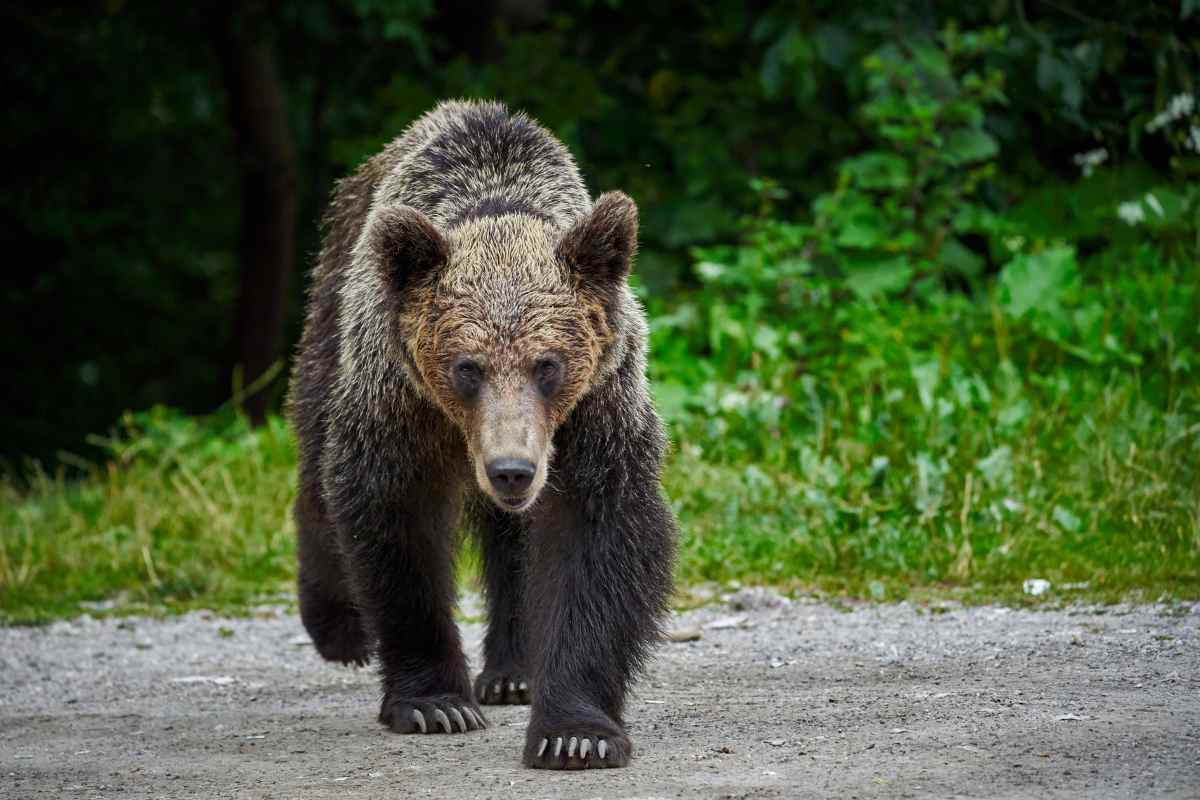
- Bears: If you see a bear, remain calm and avoid making direct eye contact. Slowly back away while keeping the bear in view. If the bear approaches, make yourself look bigger by raising your arms and speaking firmly.
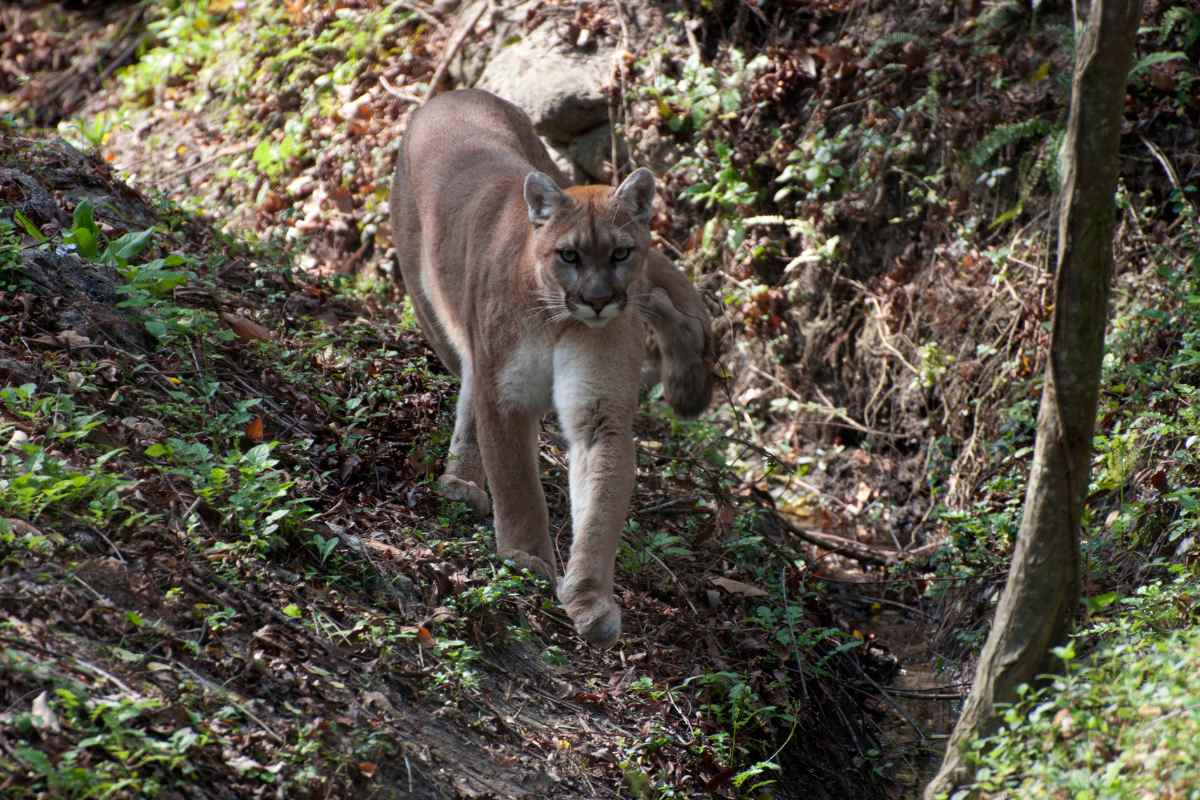
- Mountain Lions: If you encounter a mountain lion, do not run. Stand tall, make eye contact, and slowly back away. If the mountain lion acts aggressively, throw stones or branches to show you are not prey.
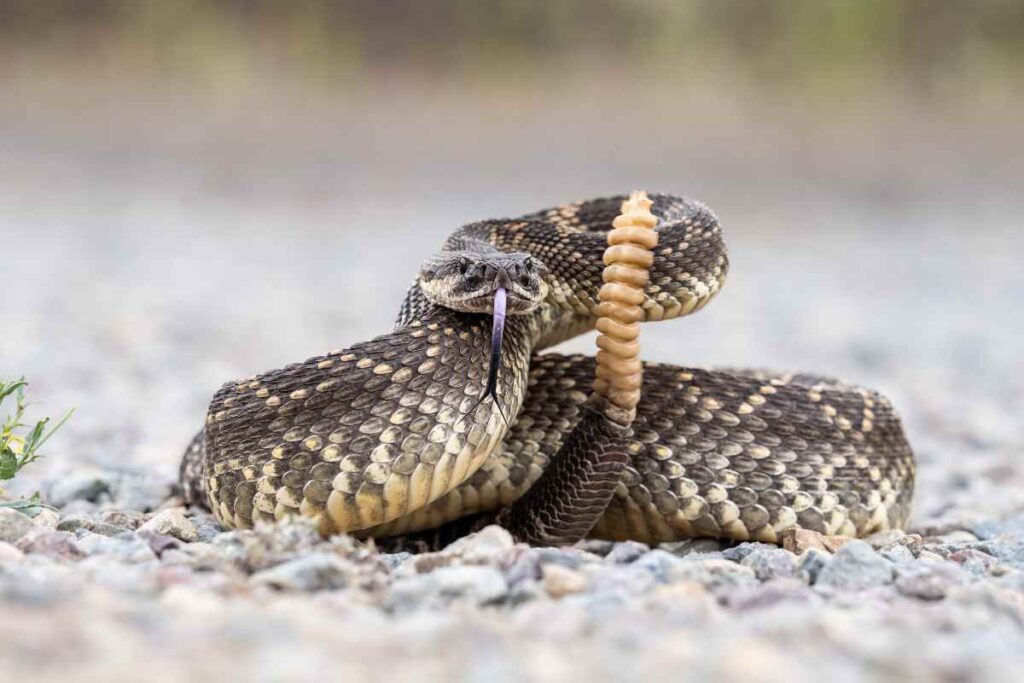
- Snakes: If you encounter a snake, stay still and let it pass. Most snakes are not aggressive unless provoked. If the snake is on the trail, give it time to move away on its own.
Have a Plan for Dangerous Encounters
Being prepared with a plan can save your life in a dangerous wildlife encounter. Here are some steps you can take:
- Carry Bear Spray: In areas known for bears, carrying bear spray can be a lifesaver. Learn how to use it before you hit the trail.
- Stay in Groups: Wildlife encounters are less likely when hiking in groups. Animals are more wary of larger numbers of people.
- Make Noise: In dense forest or brush, make noise to alert animals of your presence. This can help prevent surprising an animal, which is when many dangerous encounters occur.
Respect Wildlife Habitats
One of the best ways to prevent wildlife encounters is to respect their habitats. Stick to established trails and avoid areas known to be frequented by large animals during times of day when they are most active, typically at dawn and dusk.
What to Do If Attacked
Despite your best efforts, sometimes an animal may become aggressive. Here’s what to do in case of an attack:
- Bear Attack: If a bear attacks, use your bear spray if you have it. If the bear makes contact, play dead by lying flat on your stomach with your hands clasped behind your neck. Remain still until the bear leaves the area.
- Mountain Lion Attack: If a mountain lion attacks, fight back with everything you have. Use sticks, rocks, or any available objects to defend yourself.
- Snake Bite: If bitten by a snake, stay calm and seek medical help immediately. Keep the bitten limb immobilized and below heart level if possible.
Educate Yourself Before You Go
Before heading out on a hike, educate yourself about the wildlife that inhabits the area.
Knowing what types of animals you might encounter and how to react can make all the difference. Many parks and wildlife reserves offer resources and guidelines for dealing with wildlife.

Teach Children About Wildlife Safety
If hiking with children, it’s essential to teach them about wildlife safety. Make sure they understand not to approach or feed animals and to stay close to adults at all times.
Use Technology to Your Advantage
Modern technology can be a great asset in preventing and managing wildlife encounters. Consider these tools:
- GPS and Mapping Apps: These can help you stay on established trails and avoid areas known for wildlife activity.
- Wildlife Tracking Apps: Some apps allow you to report and view wildlife sightings, helping you stay informed about recent activity in your area.
First Aid Knowledge
Knowing basic first aid can be crucial if you or someone in your group is injured during a wildlife encounter. Carry a first aid kit and know how to use its contents. Consider taking a first aid course focused on wilderness survival.

Enjoy Wildlife from a Distance
One of the joys of hiking is observing wildlife in their natural habitat. However, it’s important to remember that these animals are wild and can be unpredictable. Enjoy watching them from a safe distance, and use binoculars or a camera with a zoom lens for a closer view.
Leave No Trace
Practicing Leave No Trace principles helps protect wildlife and their habitats. Dispose of trash properly, respect wildlife, and be mindful of your impact on the environment.
Leaving the trail as you found it ensures that wildlife can thrive and others can enjoy the same experiences.
Stay Informed About Local Wildlife Regulations
Many parks and wildlife reserves have specific regulations to protect both visitors and wildlife. Familiarize yourself with these rules before you go.
This can include guidelines on food storage, pet restrictions, and trail closures.

Report Unusual Wildlife Behavior
If you notice wildlife behaving unusually, report it to park authorities. This can help them monitor and manage the wildlife population and ensure the safety of all visitors.
Stay Alert and Aware
Finally, the most important thing you can do to stay safe is to stay alert and aware of your surroundings.
Pay attention to signs of wildlife activity, such as tracks, scat, or sounds. Keeping your senses sharp can help you avoid surprise encounters and react quickly if you do encounter wildlife.
In conclusion, encountering wildlife on the trail is a natural part of the hiking experience. By staying calm, giving animals space, and being prepared, you can ensure a safe and enjoyable hike.
Remember to respect wildlife and their habitats, educate yourself about the animals in the area, and follow local regulations. With these tips, you can confidently navigate any wildlife encounter and make the most of your time in nature.
Did you find this post useful or inspiring? Save THIS PIN for later in your Outdoor Board on Pinterest! 😊

Explore these outdoor tips too