
What You Need to Know Before Trying Adventure Sports

Adventure sports have surged in popularity over recent years, with more people seeking the thrill of extreme activities that test their physical and mental limits.
Whether you're drawn to rock climbing, white-water rafting, or skydiving, it's crucial to understand what you're getting into before diving headfirst into the world of adventure sports.
Understanding Adventure Sports
Adventure sports encompass a wide range of activities that often involve a high degree of risk.
These sports typically take place in challenging environments, such as mountains, rivers, or the sky, and require participants to be in good physical condition.
While the adrenaline rush is a significant draw for many, it's essential to be aware of the risks and preparation involved.
Types of Adventure Sports
Before trying adventure sports, it’s helpful to know the different categories these activities fall into:
1. Aerial Sports
These include activities like paragliding, skydiving, and bungee jumping.
Aerial sports are characterized by the sensation of flying or free-falling, offering an unparalleled sense of freedom and excitement.
2. Aquatic Sports
Water-based activities such as scuba diving, white-water rafting, and surfing fall under this category.
These sports require strong swimming skills and often involve navigating natural bodies of water with unpredictable conditions.
3. Land-Based Sports
This category includes rock climbing, mountain biking, and trekking.
These activities typically take place in rugged terrains and require a combination of physical endurance and technical skills.

Physical and Mental Preparation
Engaging in adventure sports demands more than just enthusiasm; it requires physical fitness and mental resilience.
Here's what you need to consider:
Physical Fitness
Most adventure sports are physically demanding, so it's crucial to assess your fitness level before participating.
Depending on the sport, you may need strength, endurance, flexibility, or a combination of all three.
For instance, rock climbing requires strong upper body strength, while scuba diving demands good cardiovascular fitness.
Mental Resilience
The mental challenges of adventure sports can be just as demanding as the physical ones.
Fear, stress, and anxiety are common when faced with unknown or high-risk situations.
Developing mental toughness and learning how to manage your emotions under pressure is key to enjoying these sports safely.
Essential Gear and Equipment
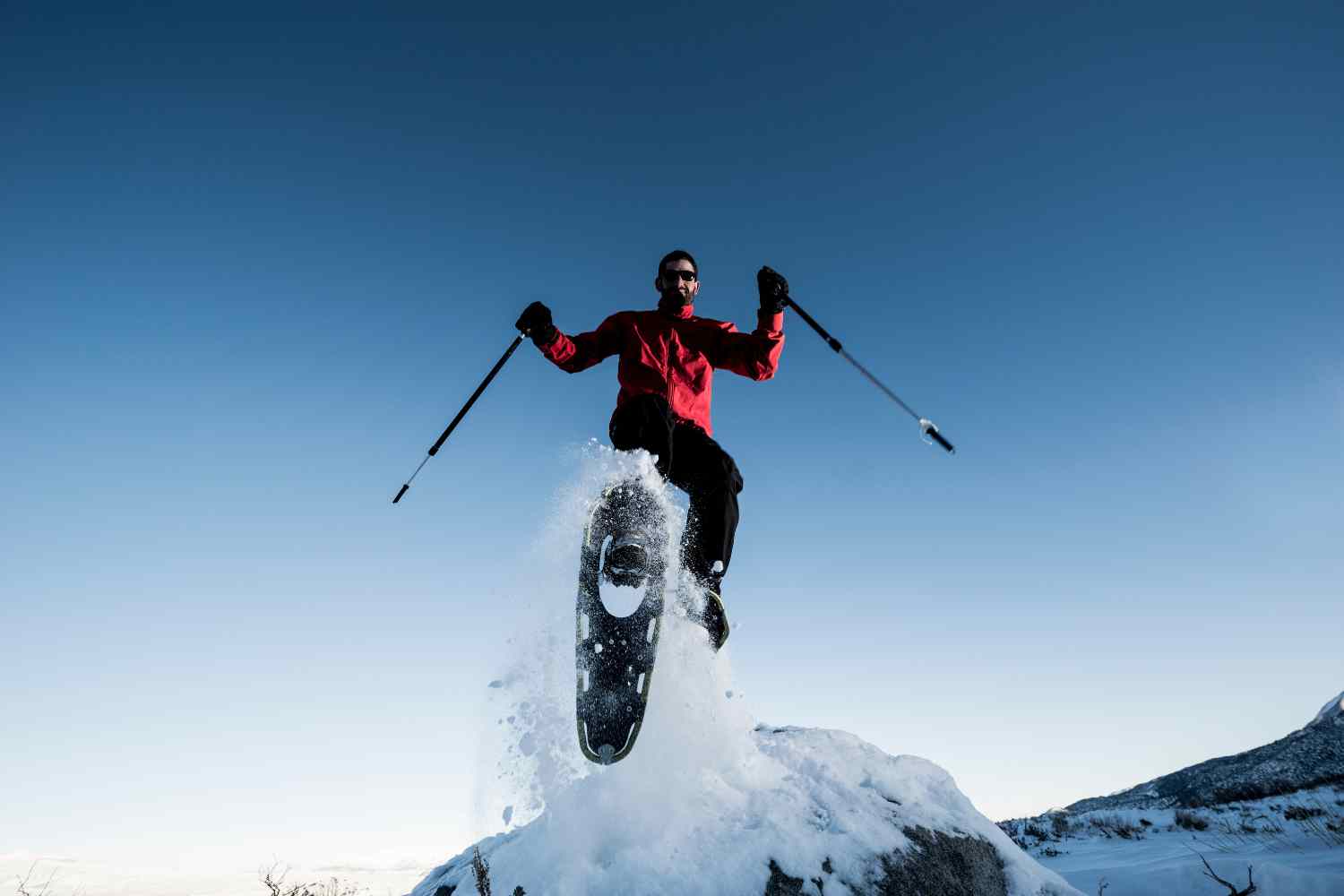
Every adventure sport has its own set of essential gear and equipment. Proper gear not only enhances your experience but also ensures your safety.
Safety Equipment
The importance of safety equipment in adventure sports cannot be overstated. Helmets, harnesses, life vests, and other protective gear are designed to minimize injury risks.
Always invest in high-quality equipment and ensure that it fits properly.
Specialized Gear
In addition to safety equipment, you’ll need specialized gear tailored to the specific sport you’re interested in.
For example, rock climbing requires ropes, carabiners, and climbing shoes, while scuba diving necessitates a wetsuit, regulator, and diving mask.
Training and Skill Development
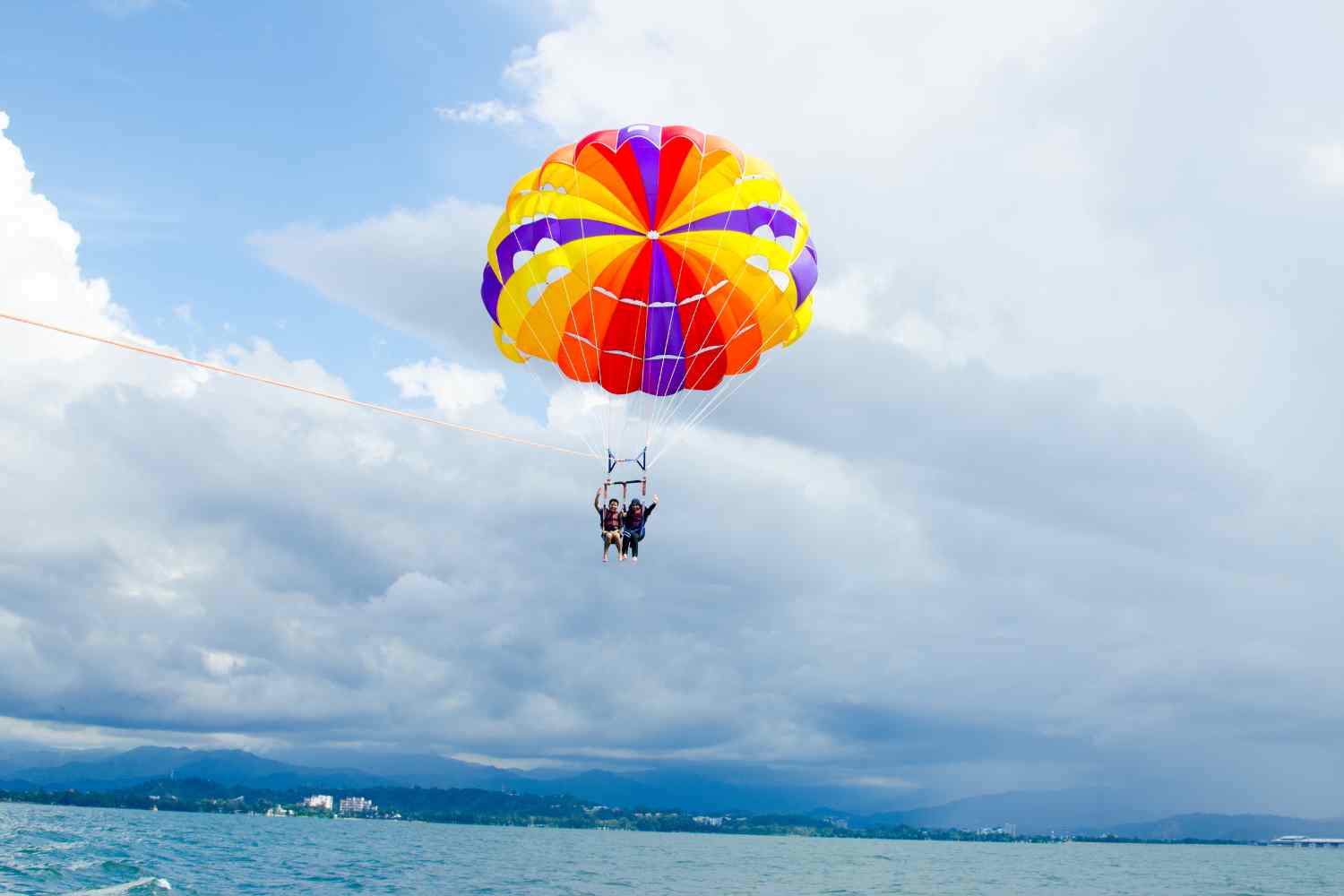
Jumping into adventure sports without proper training is not only dangerous but can also lead to injury or even death.
Here’s how to prepare:
Take Professional Lessons
Most adventure sports require a certain level of technical skill. Taking lessons from certified instructors is the best way to learn these skills safely.
Whether it’s learning how to skydive or mastering the art of kayaking, professional training will equip you with the knowledge and confidence needed to participate safely.
Practice Regularly
Like any other skill, proficiency in adventure sports comes with practice. Regularly engaging in the sport will help you build the necessary skills and stamina.
Consistent practice also helps you become more familiar with the equipment and techniques, reducing the risk of accidents.
Understanding the Risks
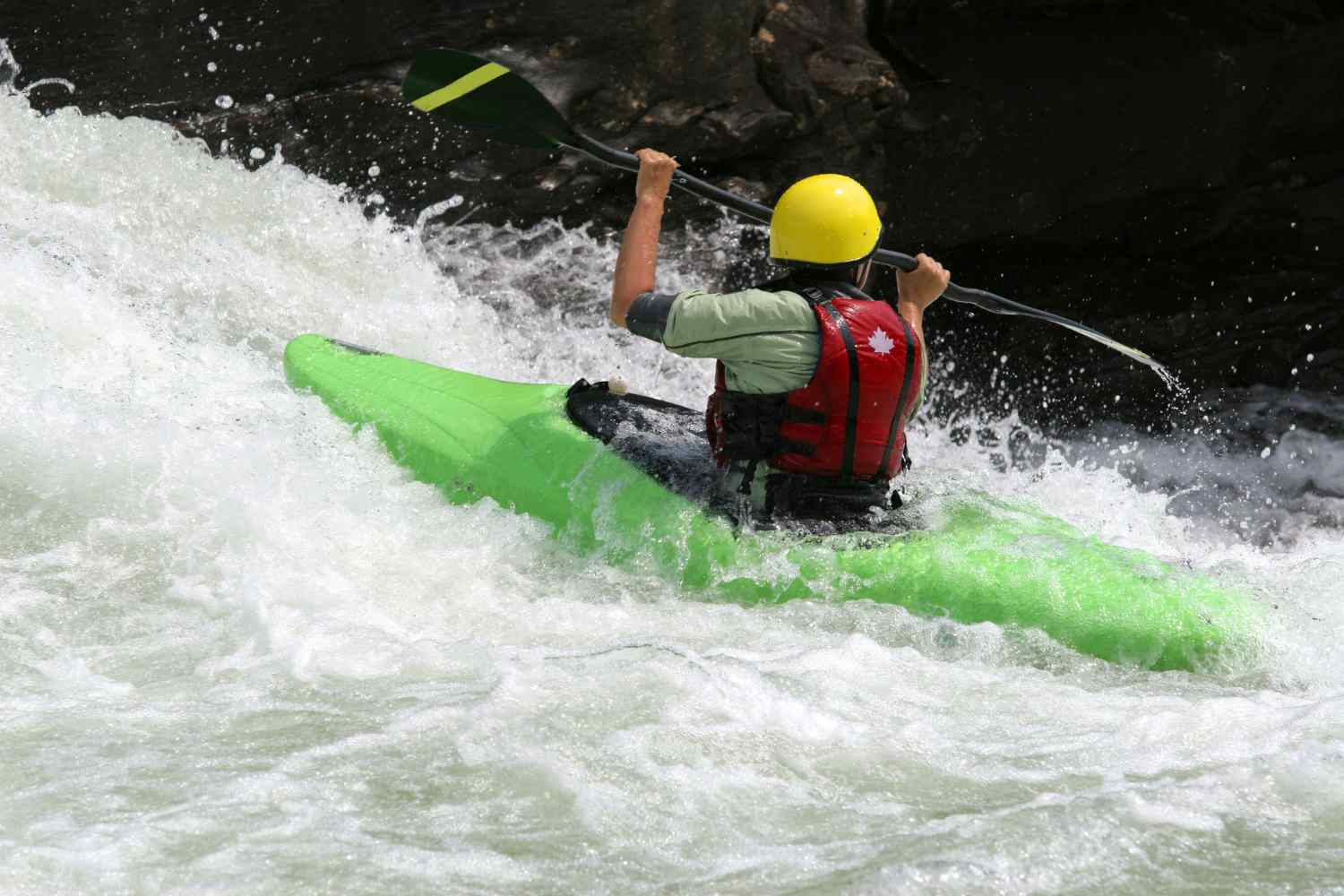
While the thrill of adventure sports is undeniable, it's important to understand the risks involved.
Knowing these risks allows you to take the necessary precautions and make informed decisions.
Environmental Hazards
Many adventure sports take place in natural environments, which can be unpredictable.
Weather conditions, terrain, and wildlife can all pose significant risks. For example, white-water rafting can be dangerous if you’re caught in a sudden current, while mountaineering can turn deadly in the event of an avalanche.
Physical Injuries
The physical demands of adventure sports increase the likelihood of injuries.
Common injuries include sprains, fractures, and concussions. Always listen to your body and avoid pushing yourself beyond your limits.
Psychological Stress
The high-risk nature of adventure sports can also lead to psychological stress. This stress can manifest as fear, anxiety, or even post-traumatic stress disorder (PTSD) in extreme cases.
It’s important to be mentally prepared and know when to seek help if needed.
Legal and Ethical Considerations

Before engaging in adventure sports, it’s essential to understand the legal and ethical considerations.
This includes knowing the laws in your area, obtaining the necessary permits, and respecting the environment.
Legal Requirements
Some adventure sports may require permits or licenses. For example, hunting or fishing often requires a license, while activities like paragliding may require a permit.
Failing to comply with these legal requirements can result in fines or other penalties.
Ethical Practices
Engaging in adventure sports comes with a responsibility to protect the environment.
This includes following the Leave No Trace principles, respecting wildlife, and minimizing your impact on the natural surroundings.
Ethical practices ensure that these beautiful and challenging environments remain accessible for future generations.
Conclusion: Making an Informed Decision
Adventure sports offer an exciting way to push your limits and experience the thrill of nature’s most challenging environments.
However, it’s essential to approach these activities with caution, preparation, and respect.
By understanding the physical and mental demands, acquiring the right gear, and acknowledging the risks, you can enjoy adventure sports safely and responsibly.
Did you find this post useful or inspiring? Save THIS PIN for later in your Outdoor Board on Pinterest! 😊


Explore these outdoor tips too