
3 Onion Growing Mistakes to Avoid!

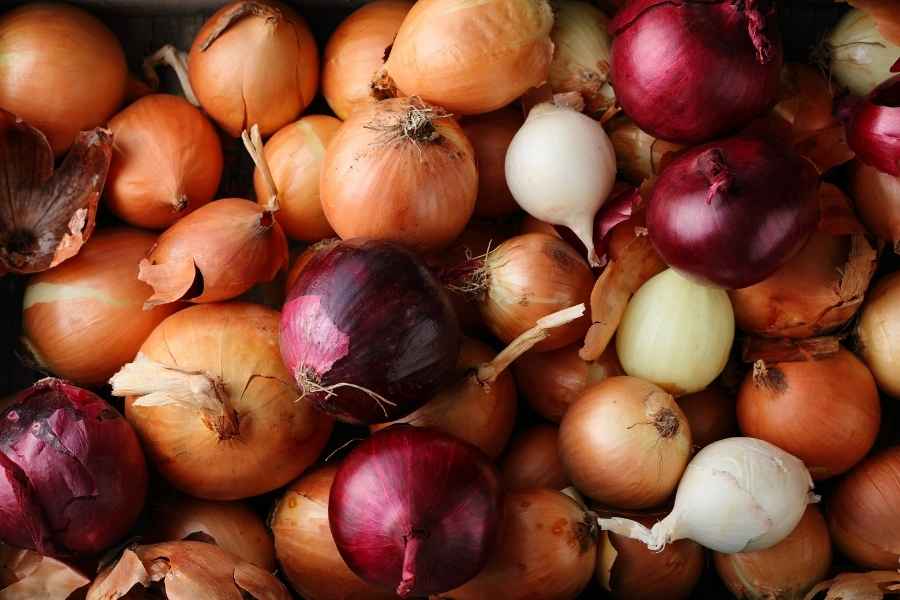
Onion Growing Mistakes can turn an easy crop into a frustrating season, but the good news is that most problems are avoidable.
This curated video summary distills the key lessons from “3 Onion Growing Mistakes to Avoid” by Epic Gardening (Kevin Espiritu), so you can grow bigger bulbs, boost flavor, and enjoy a truly bountiful harvest in your garden and yard.
Why Onions Fail: The Big Three
Onions respond to day length, temperature, and timing. Choose the wrong type, or plant at the wrong moment, and you’ll get thin necks and small bulbs.
Matching variety to your latitude ensures the plant bulks up during the right daylight window rather than staying in leafy mode.
Another frequent error is treating onions like heavy feeders without understanding their shallow roots. They do love rich soil, but they dislike compaction and standing water.
Balance nutrition with drainage to avoid rot and stalled growth.
Finally, spacing matters. Overcrowded beds limit airflow and light, which slows bulbing and extends disease pressure. Give each plant room so it can channel energy into bulbs instead of fighting neighbors.
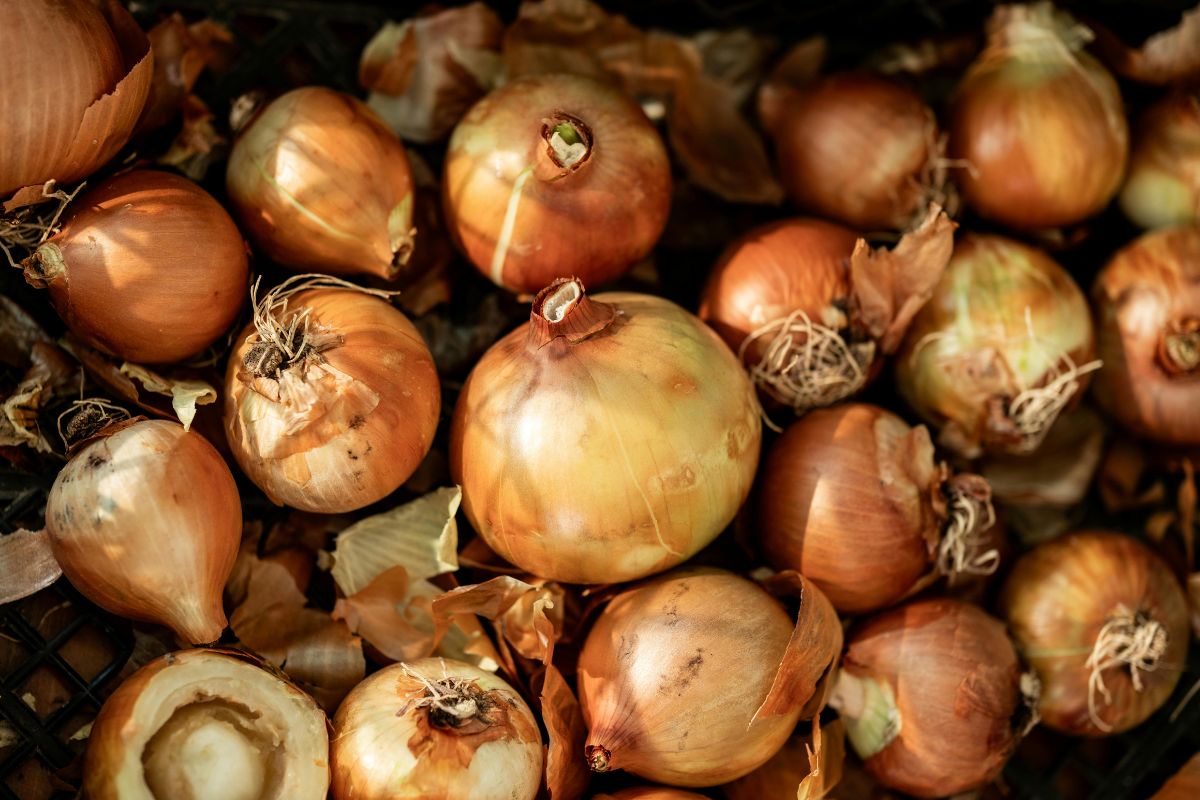 Plant at the Right Time
Planting calendars vary, but the principle is the same: start early enough that foliage can establish before the plant switches to bulb production.
If you’ve wondered when to plant spring onions in the garden, the window is generally cool—but not freezing—conditions, so the tops grow steadily before heat and longer days arrive.
Miss this timing and you’ll harvest undersized bulbs no matter how perfect your bed prep is. Keep an eye on local frost dates and day-length categories to align variety, start date, and expected harvest time.
Choose the Right Type—and Start
Short-day, intermediate-day, and long-day onions each trigger bulbing at different day lengths. Selecting a type that matches your latitude is non-negotiable if you’re growing onions for full-size bulbs.
For scallions or greens, you have more flexibility, but bulbs demand precision.
Beginners often ask about growing an onion from an onion. While you can regrow greens from a kitchen scrap, that trick rarely yields large, high-quality bulbs. For dependable results, use seed, sets, or transplants selected for your region.
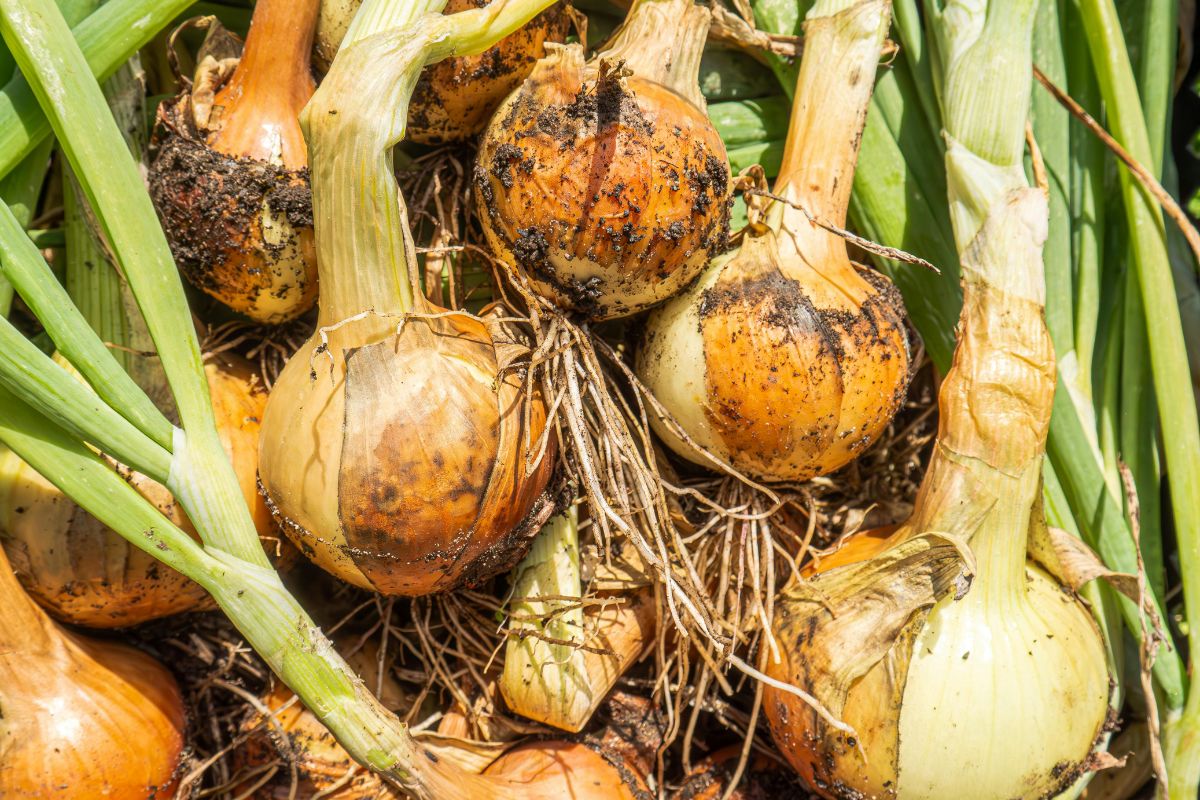 Soil Health: Testing, Organic Matter, and Drainage
Before planting onions, run a quick soil testing panel and amend based on results. Onions prefer slightly acidic to neutral pH and steady but moderate fertility.
Excess nitrogen encourages lush tops at the expense of bulbing, so feed with intention rather than habit.
Blend in well-finished organic matter to improve structure and moisture balance. Raised beds or ridged rows help shed extra water. Remember: loose, aerated soil grows rounder bulbs and fewer fungal headaches.
From Planting to Harvest: The Key Stages
Understanding the stages of onion growth makes troubleshooting easier. Seedlings focus on roots and leaves, then—when day length and temperature align—the plant reallocates energy to bulb formation. Late fertilization after bulbing begins can delay maturity and soften storage quality.
As tops begin to yellow and flop, reduce irrigation to firm up bulbs. Proper curing in a dry, ventilated space locks in flavor and extends storage, setting you up for that bountiful harvest you’re aiming for.
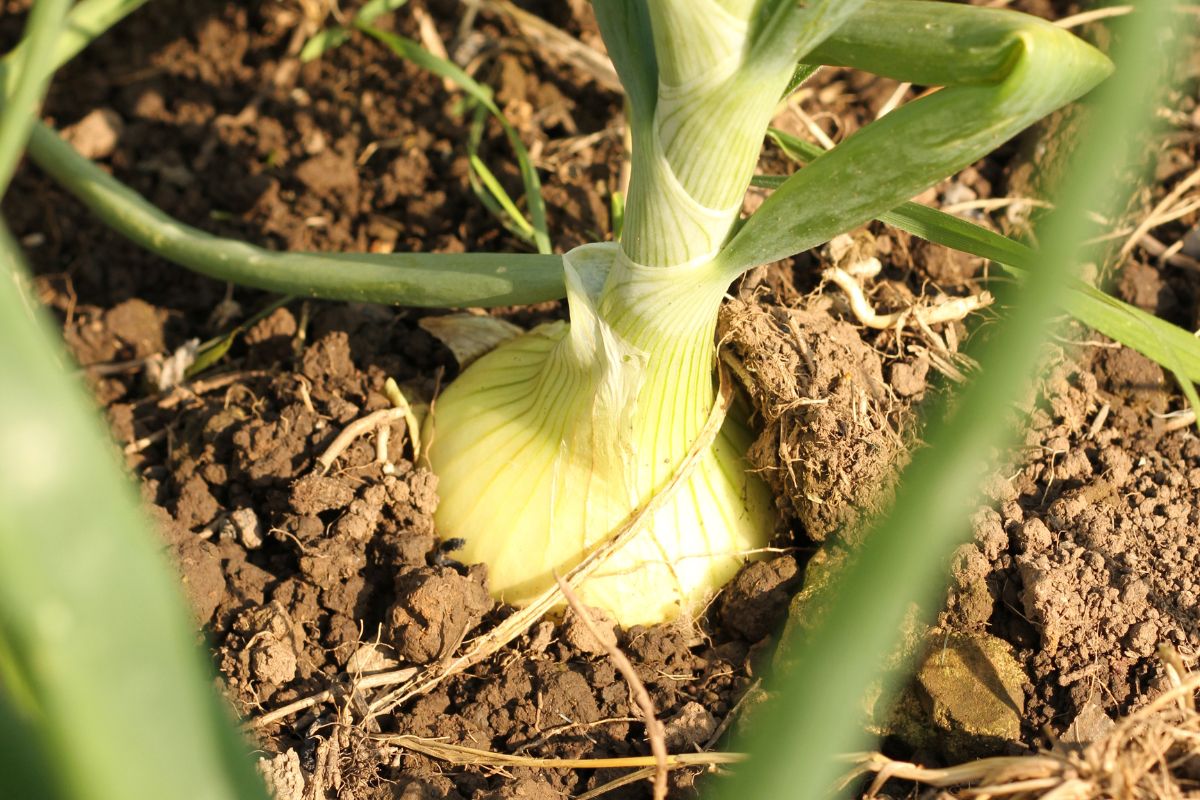 Step-By-Step Mindset Beats Checklists
Instead of memorizing do’s and don’ts, adopt a step-by-step onion gardening mindset: pick the right day-length type, prep the bed, plant on time, feed lightly and evenly, then dry down before harvest.
This simple flow eliminates most onion growing mistakes and scales from a single container to a large backyard.
If you’re a visual learner, following a clear, step-by-step onion gardening walkthrough (like the featured video) makes each decision point—variety, timing, bed prep—feel obvious.
Common Myths and Side Notes
Myth: more nitrogen equals bigger bulbs. Reality: excess nitrogen elongates necks and delays bulbing. Myth: constant watering is better. Reality: consistent but moderate moisture is ideal; waterlogging invites disease.
Side note: “pregnant onion plant care” is a different houseplant topic entirely (a bulbing ornamental).
It’s not relevant to edible onions grown outdoors, but it often appears in searches. Stay focused on edible Allium cepa practices to keep your plan on track.
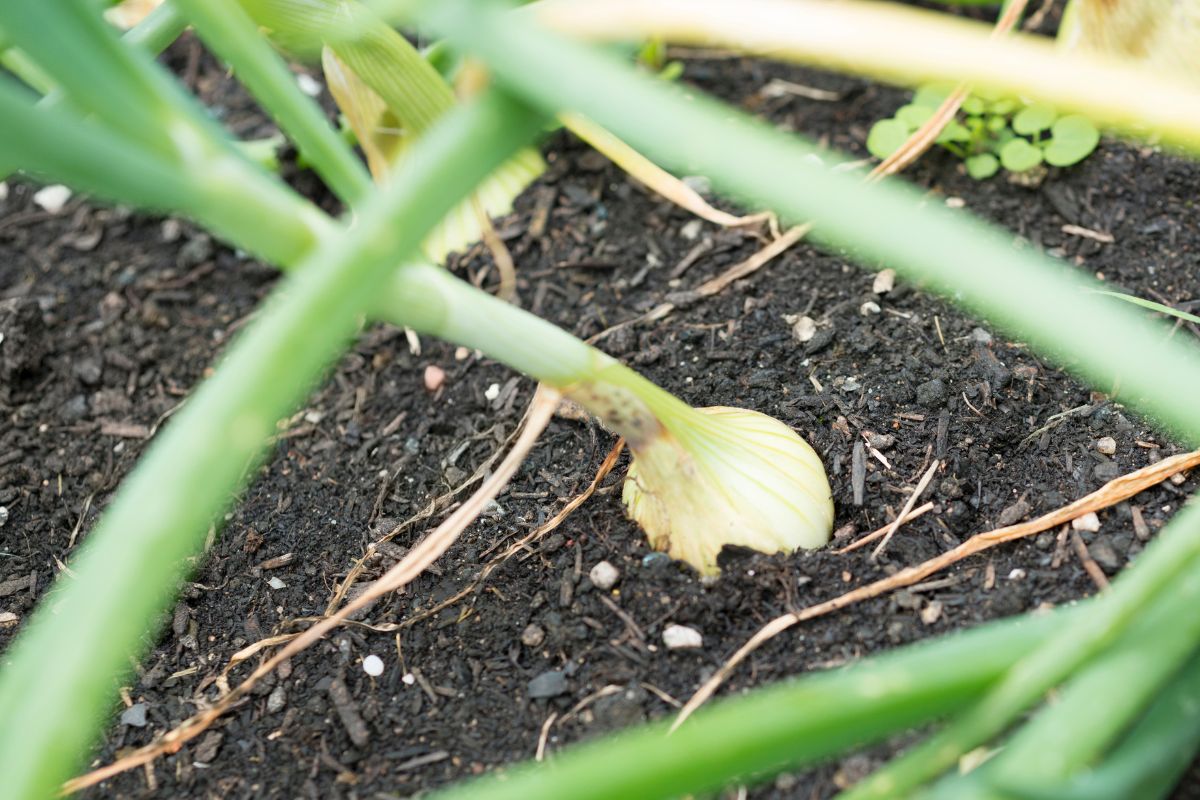 Results You Can Expect
Dial in variety, timing, soil prep, and spacing, and you’ll see thicker leaves early, cleaner necks at finish, and bulbs that cure beautifully.
Whether you grow in containers, raised beds, or in-ground plots across your garden and yard, these fundamentals make success repeatable.
Use a journal to note planting dates, day-length category, and fertilizer applications. That record turns one season’s lessons into reliable, year-over-year improvement.
Enjoy This Video Tutorial About Planting Vegetables
Source: Epic Gardening
Don’t forget to Subscribe to our Newsletter to receive amazing tips and tricks about Gardening and the FREE Ebook Green Living Strategies!
Did you find this post Useful or Inspiring? Save THIS PIN to your GARDENING Board on Pinterest! 😊
Once again, thank you for visiting our website!
We hope you've enjoyed exploring the content we've created for you.
Give yourself the chance to learn, get inspired, and have even more fun, keep browsing...
More Gardening Tips 👇🏼👇🏼