
8 Best Houseplants for Hanging Baskets


Hanging Baskets are a fast, space-saving way to add lush greenery and texture at eye level.
Whether you’re after low-maintenance vines or statement foliage, this guide curates the Best Hanging Plants Indoor and shows how to style them for a clean, modern look that elevates your home.
Why Choose Hanging Baskets at Home
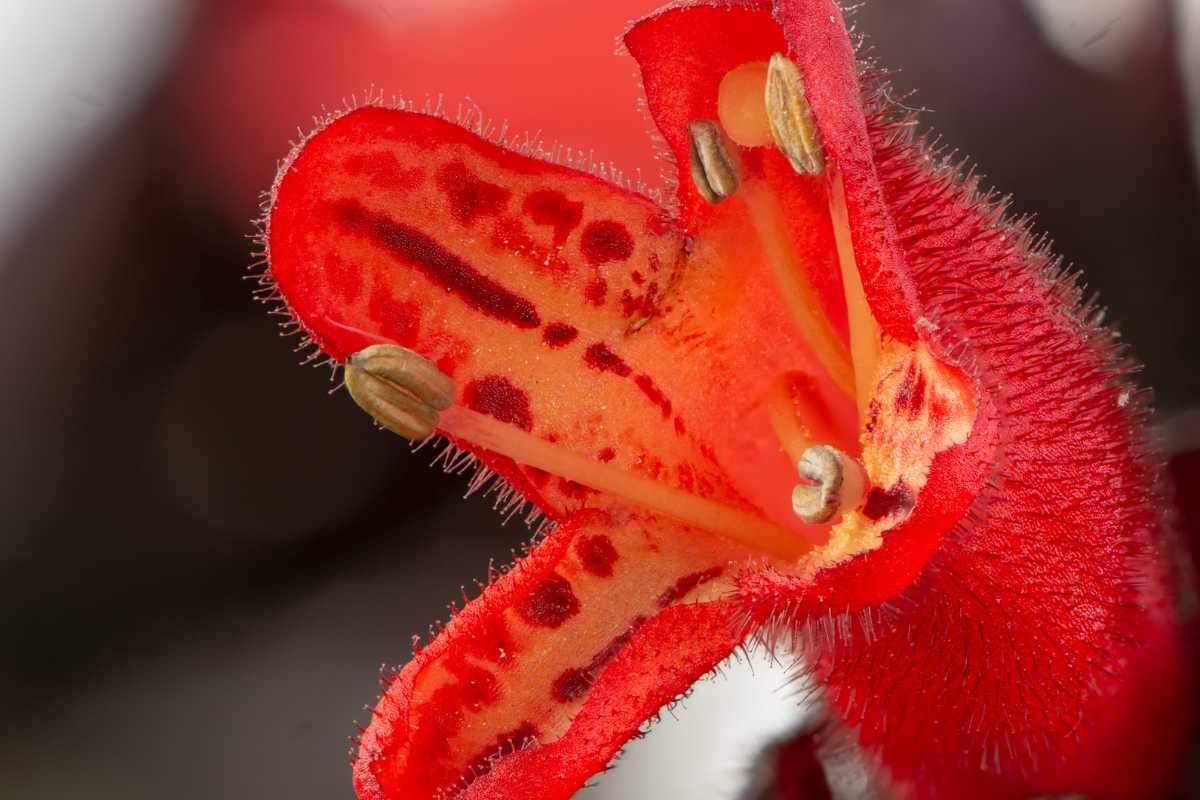
Ceilings, wall brackets, and window frames become living galleries when you use baskets. Compared with floor pots, they free up square footage and pull the eye upward, creating an airy, layered feel that feeds into a polished House Plants Aesthetic.
Hanging displays also help trailing stems reach their natural flow, which improves growth and makes watering and pruning easier to manage. If you’re collecting hanging houseplants, baskets help you build depth without cluttering shelves.
8 Best Houseplants for Hanging Baskets
Ready to build a canopy? Below are eight versatile picks that thrive in containers and love to drape. Use these as your core Hanging Plants Ideas.
Each plant includes light and care notes so you can match the right species to your home’s conditions and your routine.
Pothos (Epipremnum aureum)
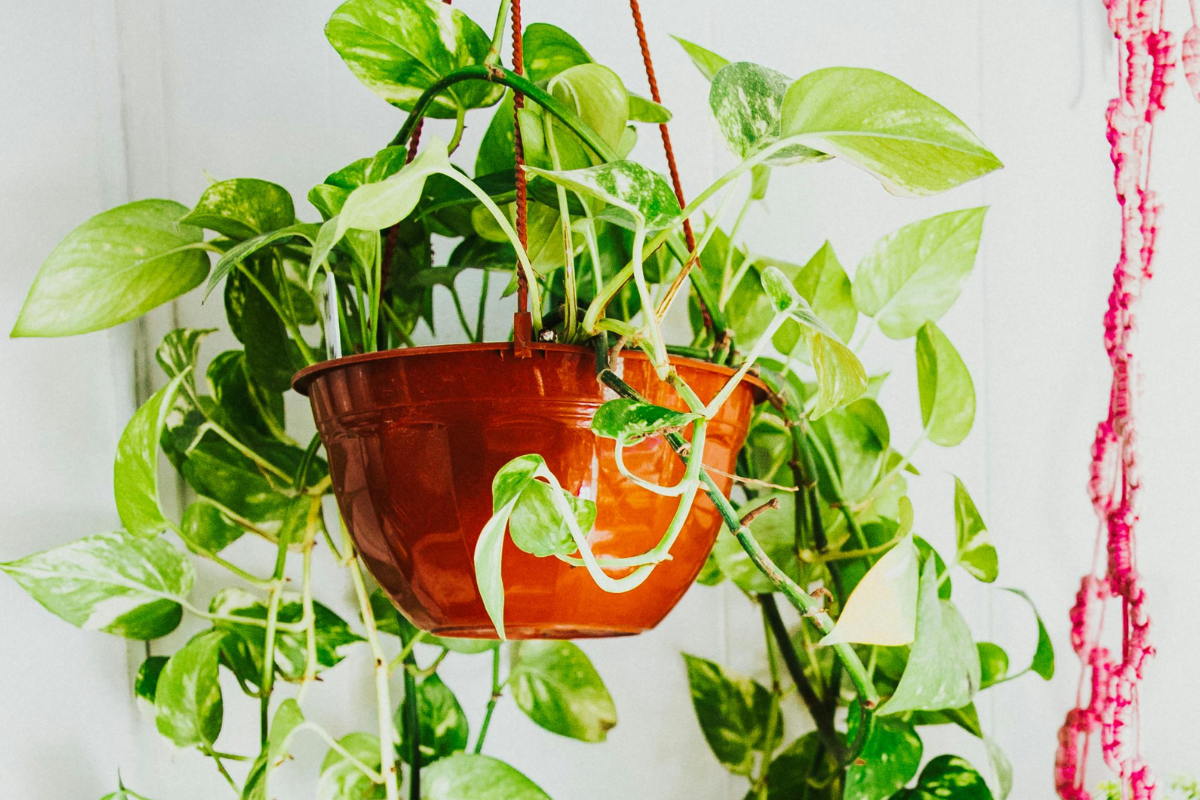
A beginner’s dream, pothos tolerates low to bright indirect light and forgives the occasional missed watering. Vines cascade quickly, filling a basket with heart-shaped leaves in green, gold, or marble variegation.
Let the top inch of soil dry between waterings and rotate monthly for even growth. Prune runners to keep a full, plush silhouette ideal for Hanging House Plants Indoor Decor.
Spider Plant (Chlorophytum comosum)

Known for arching leaves and adorable baby “spiderettes,” this classic thrives in bright, indirect light. It’s resilient and easy to propagate, so one basket can become many.
Water when the soil is partly dry and feed lightly in spring. The cascading pups deliver instant movement and a fresh, tidy look that suits minimalist interiors.
Heartleaf Philodendron (Philodendron hederaceum)
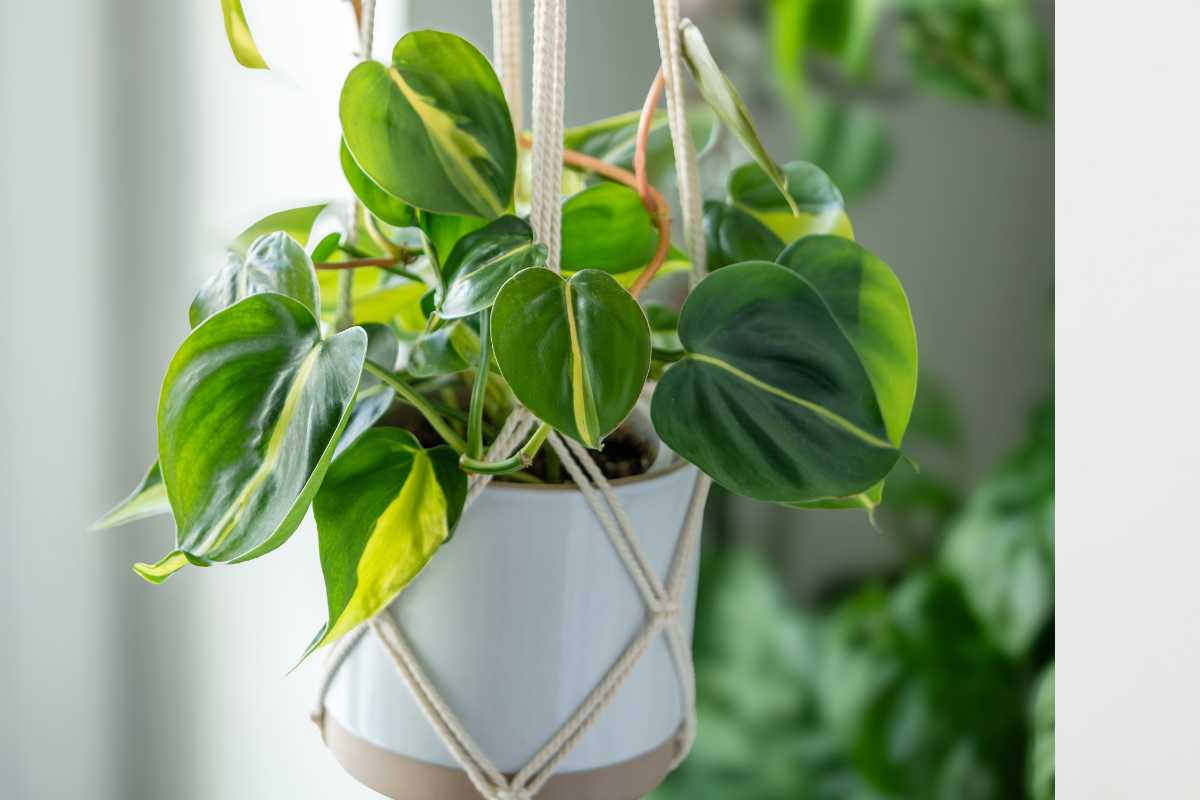
Soft, matte leaves bring cozy texture without fuss. It adapts to medium light and enjoys consistent, moderate moisture. Trailing vines can be pinched for fullness.
Pair with warm wood or brass planters to accentuate its deep green tones—simple styling that enhances any House Plants Aesthetic.
String of Pearls (Curio rowleyanus)
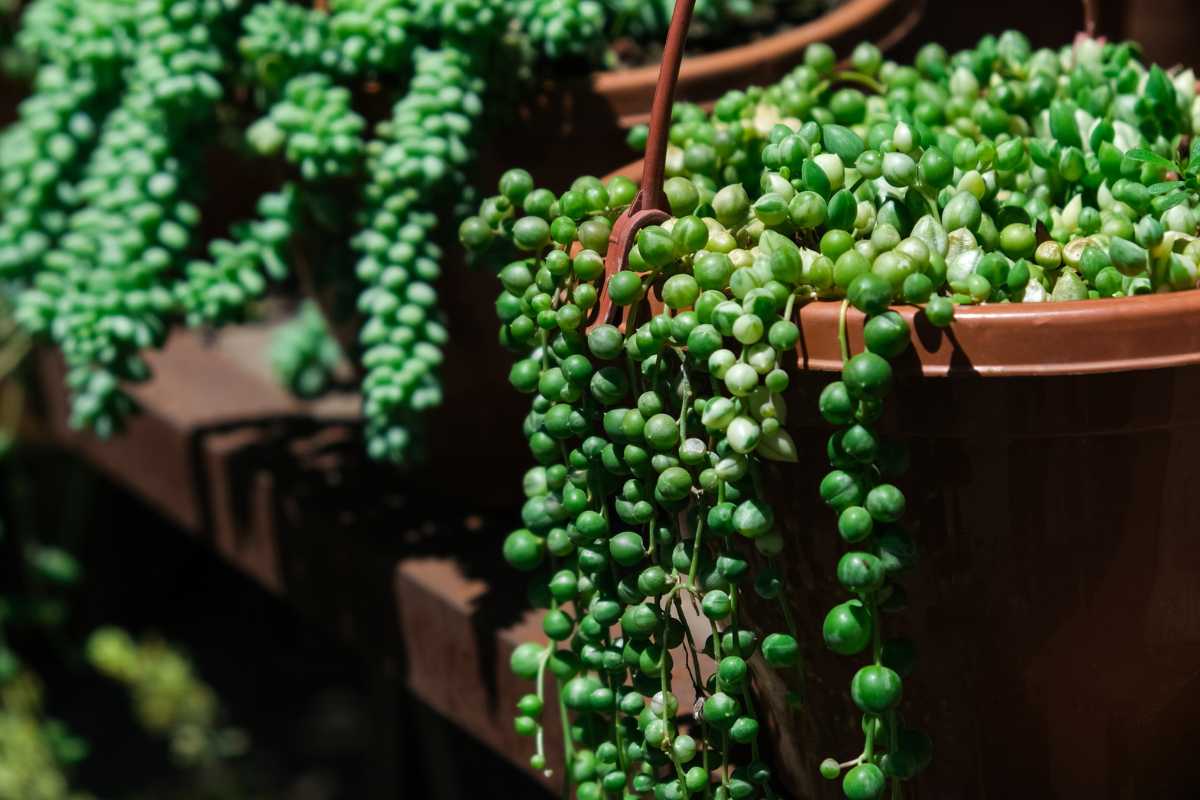
This succulent forms bead-like strands that spill elegantly. Give it bright light (a sunny window filtered by a sheer curtain is perfect) and water sparingly.
Use a shallow, wide basket with gritty soil. Its sculptural drape turns corners into conversation pieces and embodies modern hanging houseplants ideas.
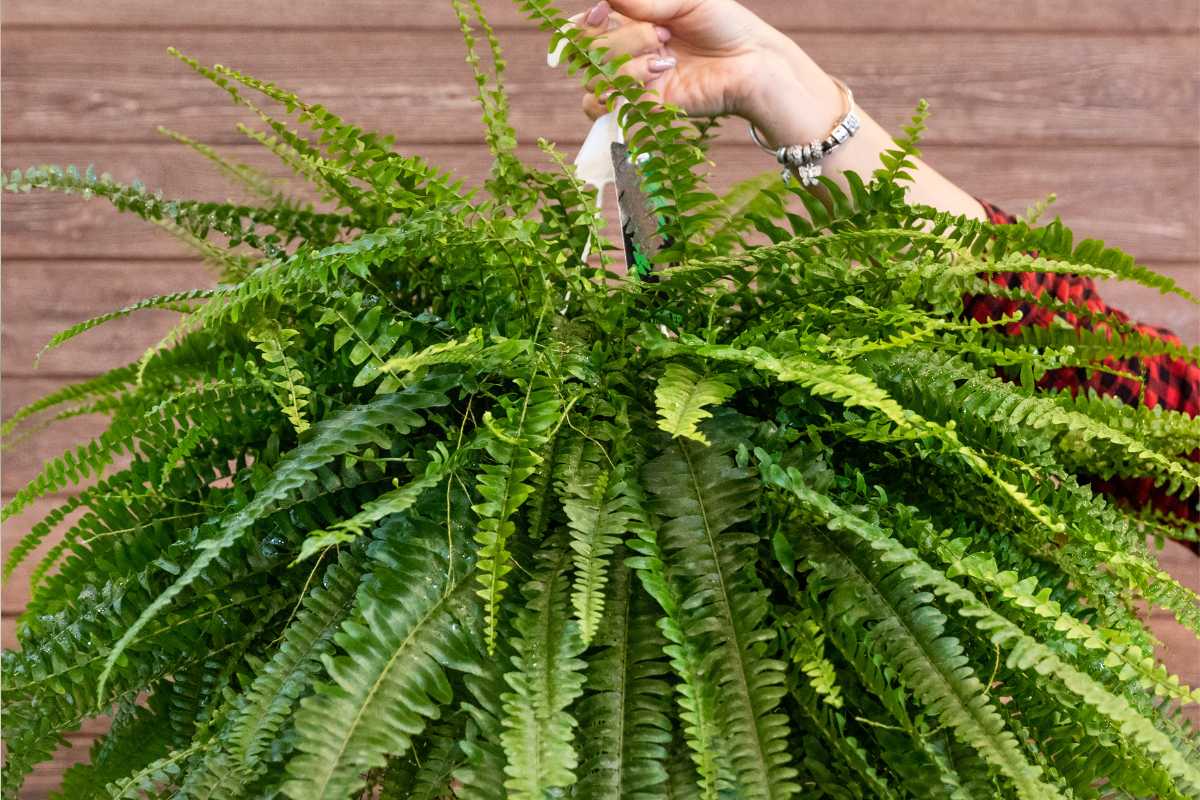
Boston Fern (Nephrolepis exaltata)

Feathery fronds deliver a classic, cottage vibe. It prefers bright, indirect light and high humidity, making it a great candidate for kitchens or bathrooms.
Mist regularly or place on a pebble tray. Keep soil slightly moist; never soggy. A woven basket complements its soft texture beautifully.
English Ivy (Hedera helix)
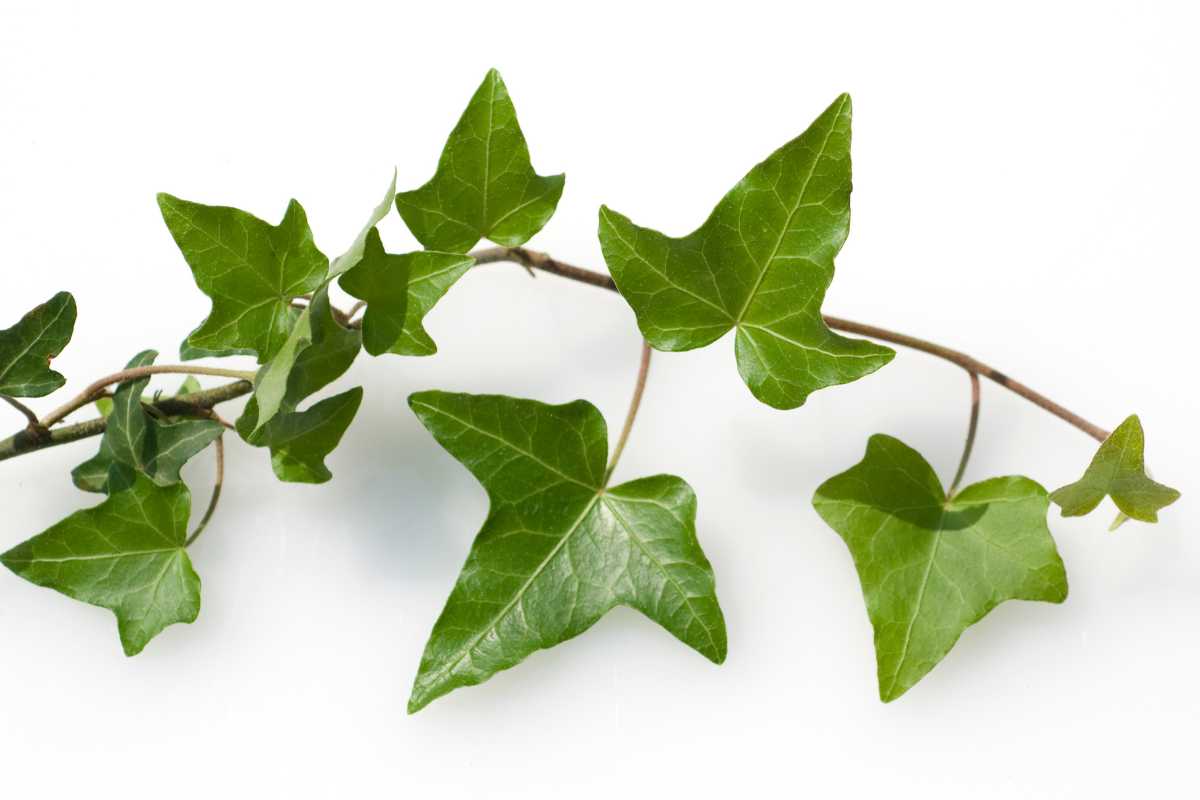
Glossy lobed leaves trail with timeless charm. Provide bright, indirect light and keep the potting mix evenly moist, especially in warm rooms.
Give ivy good airflow and wipe leaves to prevent dust buildup. Its refined lines frame windows and bookshelves like living trim.
Hoya (Hoya carnosa & cultivars)
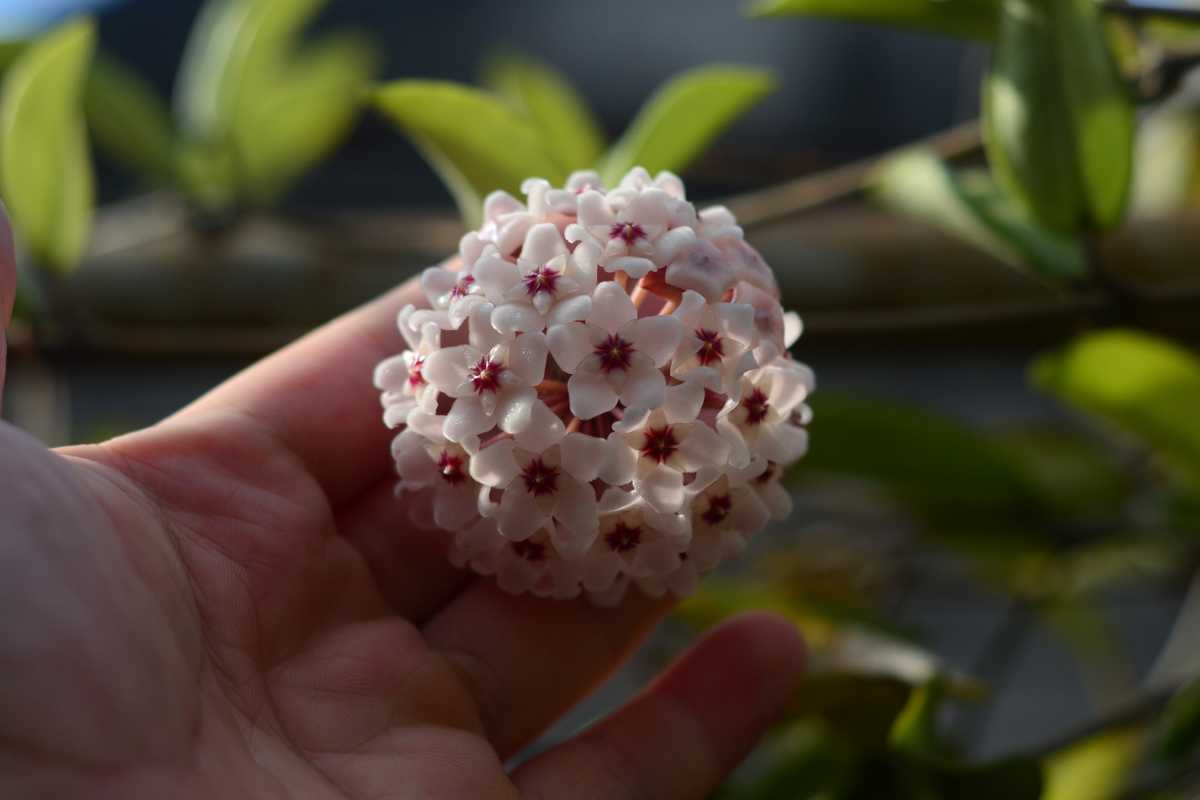
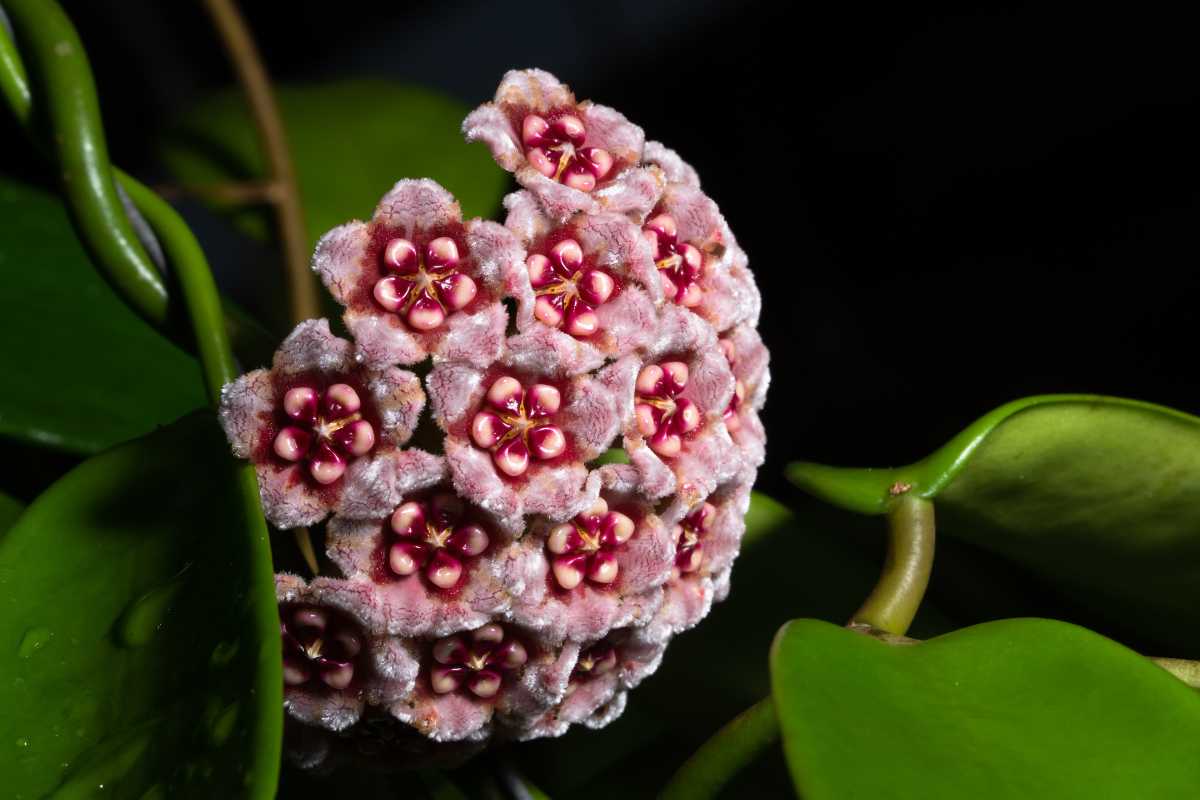
Also called wax plant, hoya offers thick leaves and occasional clusters of scented, starry flowers. It enjoys bright light and drying out a bit between waterings.
Train vines along a hoop or let them drape. Pair with matte ceramic planters to highlight its glossy foliage for curated Hanging House Plants Indoor Decor.
Lipstick Plant (Aeschynanthus radicans)
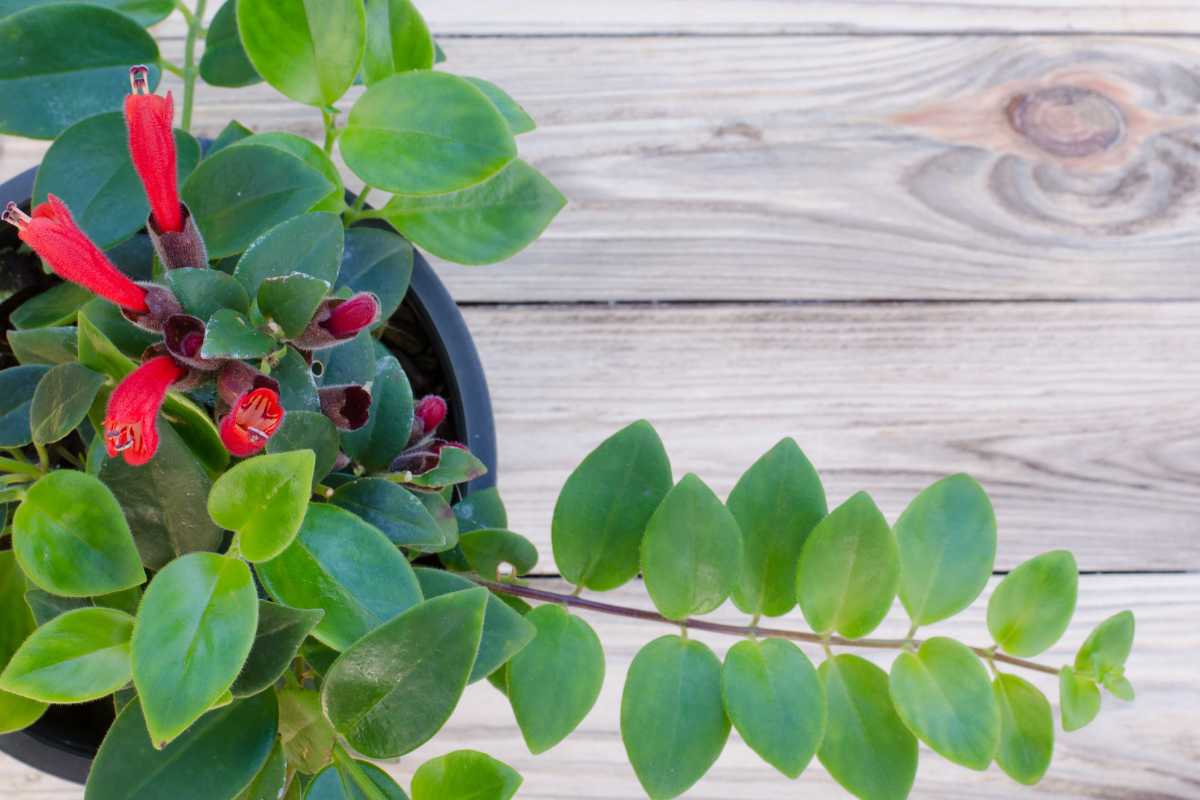
This tropical trailer produces tubular red blooms that “pop” from dark green foliage. It thrives in bright, indirect light with steady humidity.
Water when the top layer feels dry and avoid cold drafts. Its color contrast brings instant energy to neutral rooms.
Light, Water, and Soil: Simple Rules That Work
Most indoor trailers prefer bright, indirect light—think a spot where a newspaper reads easily without harsh sunbeams. Succulents like String of Pearls handle more sun; ferns prefer gentler light and higher humidity.
Water deeply, then let excess drain. For vining aroids (pothos, philodendron), allow the top inch to dry. For succulents, let half or more of the soil dry. Use a well-draining mix and baskets with liners plus drainage holes.
Design & Styling: From Ideas to Aesthetic

Layer heights by combining ceiling hooks, wall-mounted brackets, and high shelves. Odd-number groupings (3 or 5) feel balanced. Mix textures—rattan, matte ceramic, and metal—so each plant reads clearly within your composition of Hanging Baskets.
Color matters: pair deep greens with warm woods for calm, or add variegation to lighten darker corners. This approach turns Hanging Plants Ideas into a cohesive scheme rather than scattered pots.
Room-By-Room Hanging House Plants Indoor Decor
In living rooms, use philodendron or pothos to frame art or a TV wall without cluttering consoles. Near windows, a spider plant softens edges and adds movement.
For kitchens and baths, Boston ferns and lipstick plants love the extra humidity. In bedrooms, hoya’s tidy vines keep things serene, proving how versatile hanging houseplants can be.
Care Calendar & Quick Fixes
Feed lightly during spring and summer with a balanced fertilizer at half strength. Trim straggly vines every few months; re-pot annually or refresh the topsoil. Dust leaves to keep photosynthesis efficient.
If growth stalls, review light first; most issues trace back to insufficient brightness. Yellow leaves often signal overwatering; crispy tips point to dry air or underwatering.
Bringing It All Together
Choose 2–3 species you love, repeat them across your home, and let consistent containers tie the look together. This keeps your display intentional while showcasing your best hanging houseplants ideas.
Want more plant-smart inspiration? Explore our latest guides and start curating a personal jungle that feels fresh, functional, and truly you.
More Gardening Tips 👇🏼👇🏼