
How to Grow Paperwhites Indoors for Holiday Blooms

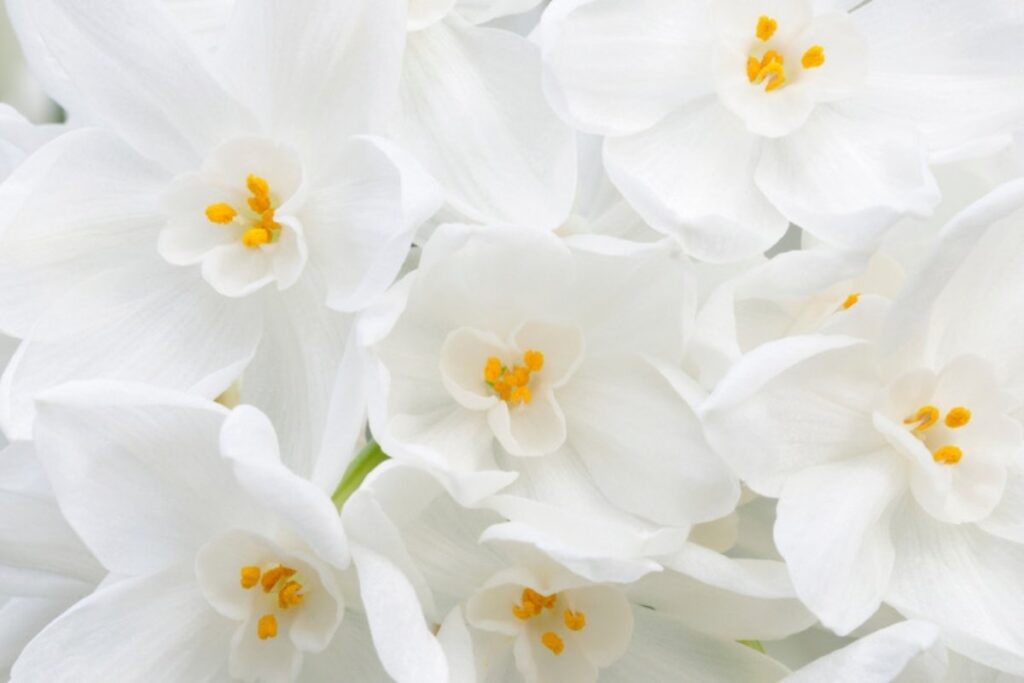
Paperwhites are about the easiest winter flower you can grow indoors. The bulbs need no chilling, no special equipment and very little attention, and a few weeks after planting they open into clusters of small white flowers with a scent you'll notice from across the room. Plant a bowl now and you can have blooms on the table for the holidays.
Here's how to choose the bulbs, plant them in pebbles or soil, keep the stems from flopping and stretch the show from late fall into March.
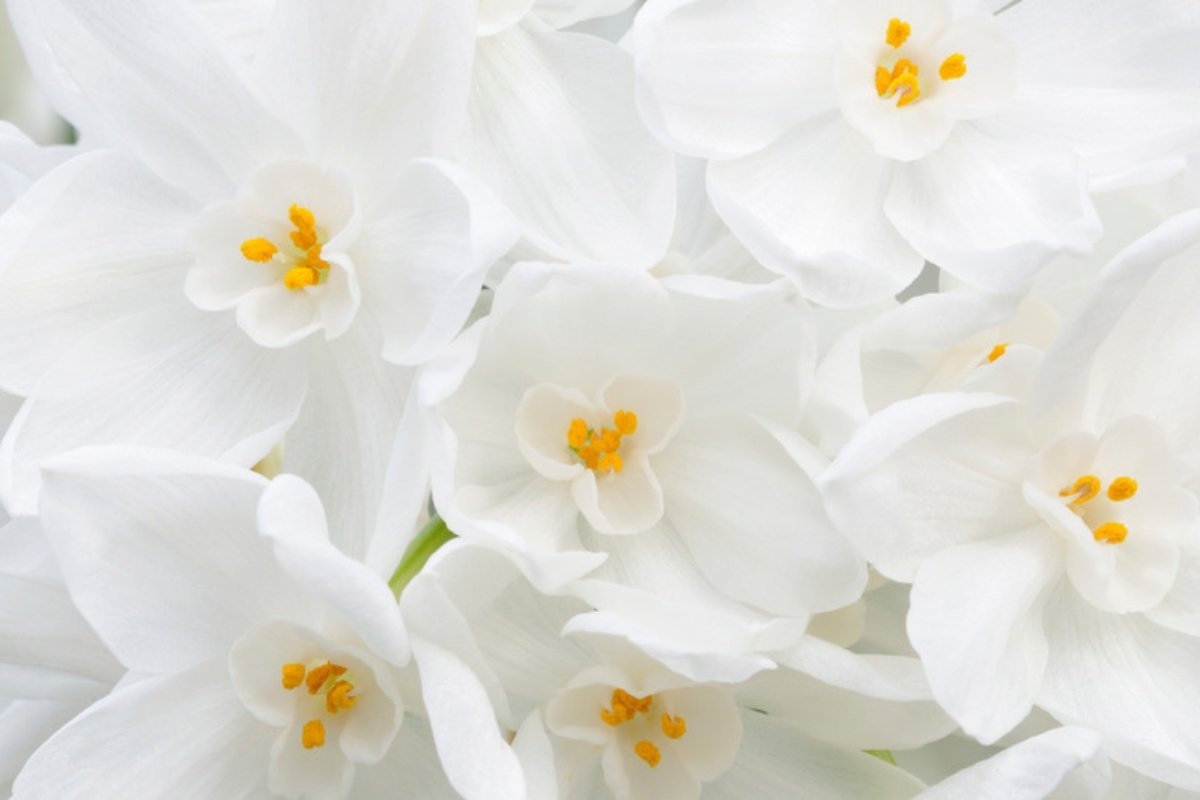
Paperwhites at a Glance
- Botanical name: Narcissus papyraceus (white cup) and the closely related N. tazetta (yellow or orange cup)
- Chilling needed: none
- Roots form in: about 2 to 3 weeks
- Time to bloom: usually 4 to 6 weeks after planting
- Height: flower stems about 12 to 18 inches
- Outdoor hardiness: only to USDA zone 8, so most gardeners grow them as a one-season indoor plant
- Pets: toxic to dogs, cats and horses, especially the bulb
1. Buy Firm, Healthy Bulbs
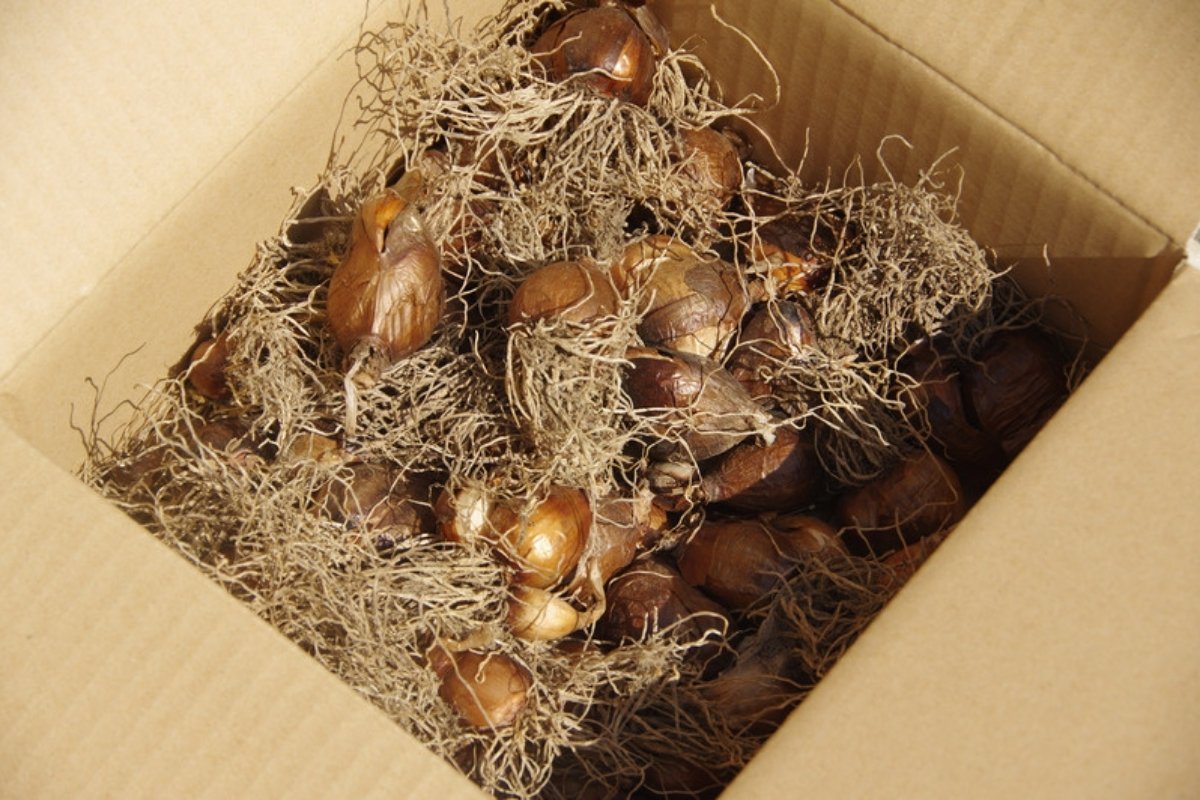
Good flowers start with good bulbs. Squeeze each one gently: it should feel firm and heavy, like a small onion, with no soft spots, mold or damage. Soft or blemished bulbs can carry basal rot, which starts at the roots and works its way up through the bulb. Larger bulbs generally produce more flowers, and Penn State Extension suggests looking for 'Ziva' bulbs at least 16 cm around for the biggest show.

Paperwhites are sold loose or in bags from fall through winter, often for a dollar or two each, and less in bulk. If you can't plant them right away, keep them somewhere cool, around 55 to 60°F, so they stay fresh until you're ready.
2. Choose Your Variety (and Your Scent Level)
Paperwhite fragrance divides people. The scent comes from indole, a compound also found in jasmine, orange blossom and gardenia, and some people love it while others find it overpowering. If you're planting for a small room or a dining table, the variety matters.
- 'Ziva': the classic, most widely sold paperwhite. Pure white with a strong, musky scent.
- 'Inbal': pure white with less scent.
- 'Ariel' and 'Nir': reported to have a lighter fragrance and a shorter habit.
- 'Wintersun': white petals with a yellow cup and less scent.
- 'Grand Soleil d'Or': yellow petals with an orange cup.
3. Pick a Container: Pebbles or Soil
Paperwhites grow well either way, so use whatever you have on hand.
Pebbles and water: Any container that holds water works, including glass bowls and vases, which let you watch the roots grow. Penn State Extension recommends a bowl at least 3 inches deep, or a clear container up to 8 inches tall, with at least an inch of pebbles in the bottom. Gravel, pea gravel, marble chips or decorative stones all do the job.
Potting mix: Use a pot with a drainage hole and a well-drained or soilless mix. A depth of about 4 to 5 inches is ideal. Shallower pots work too, but the roots may push the bulbs up and out.
4. Plant the Bulbs Close Together
Paperwhites look best packed in, so space the bulbs about an inch apart or even closer, pointed ends up, without letting them touch.
- In pebbles: Set the bulbs on the bottom layer of stones, then add more stones around them to hold them steady, leaving the top part of each bulb exposed. Add water until it just touches the base of the bulbs. Never cover the bulbs with water, because too much water leads to rot.
- In soil: Fill the pot about two-thirds full, set the bulbs on top, and add mix around them so only the tips show. Water thoroughly and let the excess drain.
Check the water level in a pebble bowl every couple of days, since roots drink more as they grow. In soil, water again when the surface feels dry.
5. Give Them a Cool Start for Strong Roots
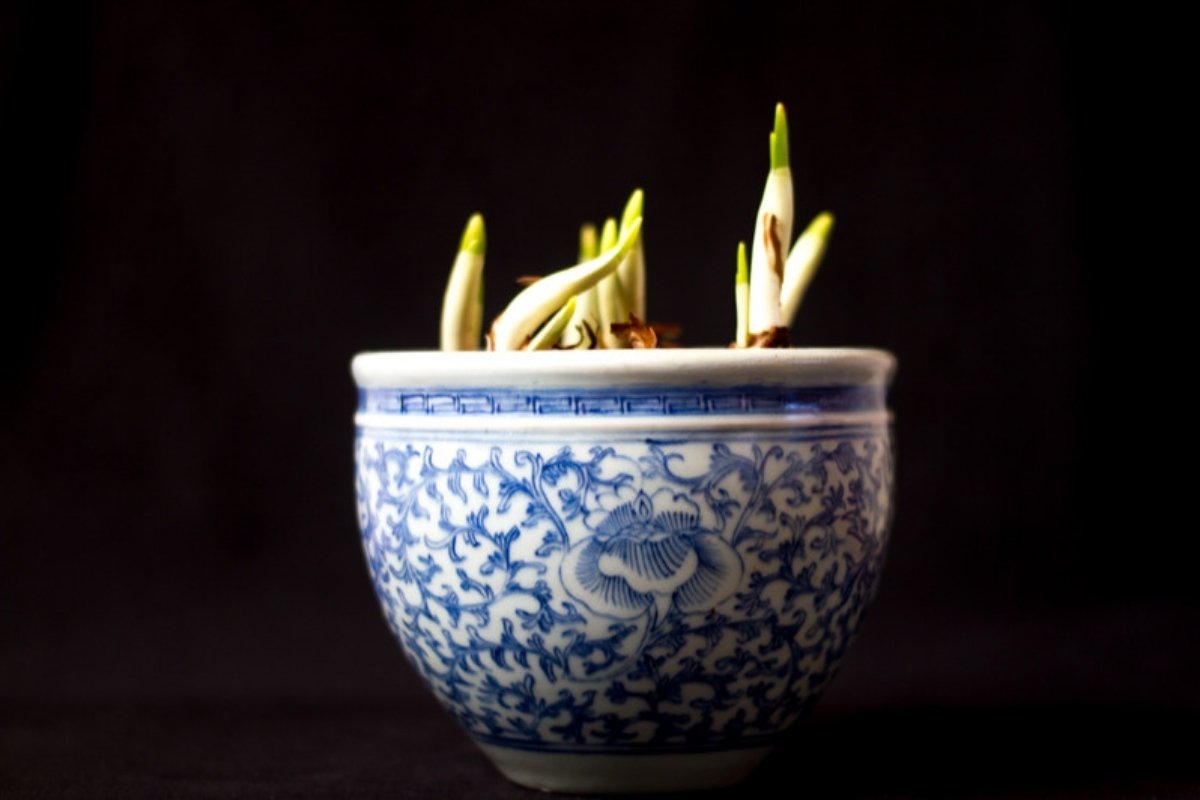
For the first week or two, keep the planted bulbs in a cool spot, around 50 to 60°F, with low light. A cool start encourages roots before the leaves take off, and it gives you sturdier plants later. Roots usually form within 2 to 3 weeks.
Once the green shoots are an inch or two tall, it's time to move the container into the light.
6. Move Them to Bright Light
A bright windowsill is the best spot from here on. Paperwhites in low light stretch toward the window and get tall and floppy, and warm rooms make the problem worse. University of Illinois Extension notes that temperatures in the 60s°F help prevent lanky growth, so a cooler window is better than one over a radiator.
Turn the container every few days so the stems grow straight instead of leaning toward the glass. Most paperwhites bloom about 4 to 6 weeks after planting, depending on the temperature in your home.
7. Keep the Stems From Flopping
Tall, top-heavy stems are the most common complaint with paperwhites. You have two easy fixes.
Give them a little alcohol. Research at Cornell University's Flower Bulb Research Program found that watering paperwhites with a 4 to 6 percent alcohol solution made them 30 to 50 percent shorter, while the flowers stayed just as large, fragrant and long-lasting. Once the shoots are a couple of inches tall, pour off the water and replace it with the solution, and use it for every refill after that.
- Hard liquor (40% alcohol, such as vodka or gin): 1 part liquor to 7 parts water
- Rubbing alcohol (70%): 1 part alcohol to 10 or 11 parts water
Skip beer and wine, because their sugars can harm the plants. Stronger mixes aren't better either: Cornell found solutions above 10 percent were toxic.
Stake them. Push a few thin branches or bamboo stakes into the pebbles or soil around the edge, then loop ribbon or twine around them to make a loose frame. Don't push stakes through the bulbs themselves.
8. Make the Flowers Last Longer
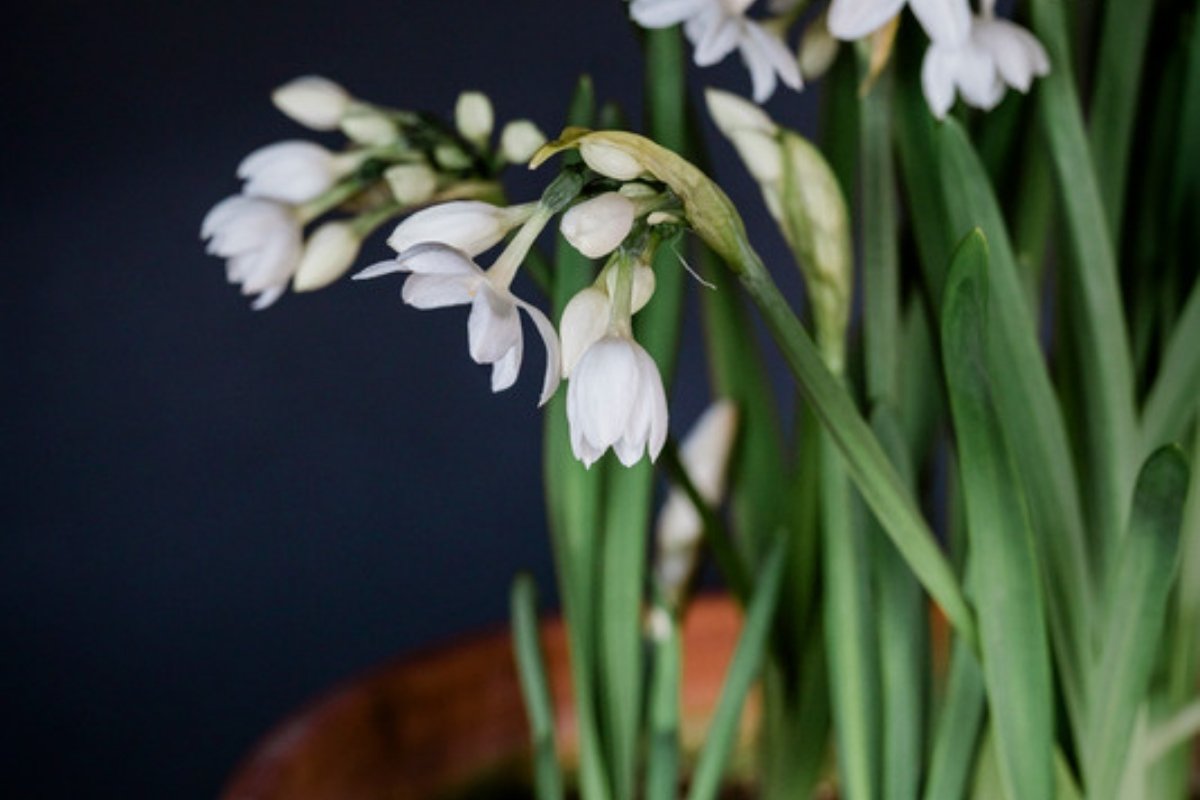
When the buds begin to swell and open, move the container out of direct sun to a cooler spot. Bright sun and warmth speed the flowers along, while cooler, indirect light keeps them fresh for longer. Keep watering as before so the roots never dry out.
9. Plant in Batches for Blooms All Winter
Instead of planting all your bulbs at once, start a new container every 10 days to two weeks. Clemson Cooperative Extension suggests beginning after mid-October, which can give you flowers from Thanksgiving into late March. Keep the unplanted bulbs cool and dry until their turn comes.
What to Do After Paperwhites Bloom
Forced paperwhites can't be forced again, so extension services recommend discarding the bulbs once the flowers fade. They're only hardy to about zone 8, so in most of the US and Canada they won't survive the winter outdoors. Gardeners in mild climates can try planting them out, but don't expect a strong repeat bloom.
Frequently Asked Questions
Do paperwhites need to be chilled before planting?
No. Unlike tulips, hyacinths and most daffodils, paperwhites can be forced without any cold treatment. You can plant them straight from the bag.
How long do paperwhites take to bloom?
Usually about 4 to 6 weeks after planting. Warmer rooms speed things up, while cooler rooms slow them down a little but give you shorter, sturdier stems.
Are paperwhites safe around pets?
No. The ASPCA lists paperwhites as toxic to dogs, cats and horses, and the bulb is the most toxic part. Keep containers where curious pets can't reach them, and call your veterinarian if you think a pet has eaten any part of the plant.
More Gardening Ideas
- Learn How to Plant Amaryllis Bulbs
- The Best Houseplants for Holiday Decorating
- Top 6 Traditional Christmas Flowers & Plants
- How to Keep a Living Christmas Tree Alive and Plant It After the Holidays
A bowl of paperwhites takes ten minutes to plant and gives you weeks of flowers in the darkest part of the year. Start a container this week, add another every couple of weeks, and you'll have fresh blooms all winter.
More Gardening Tips 👇🏼👇🏼