
Why Are My Houseplant Leaves Turning Brown in Winter?

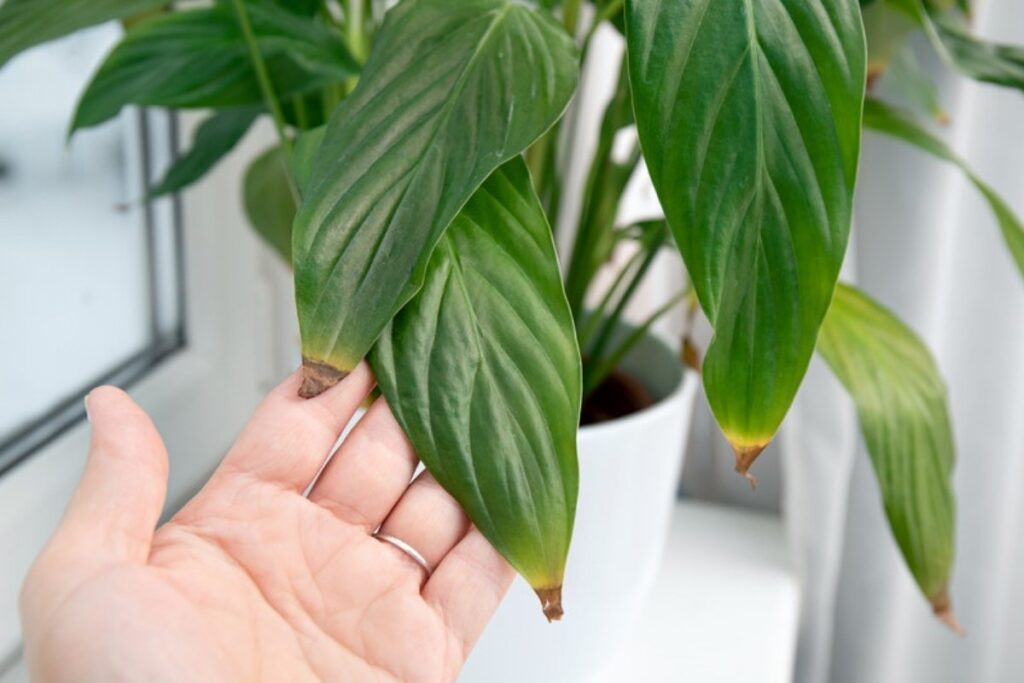
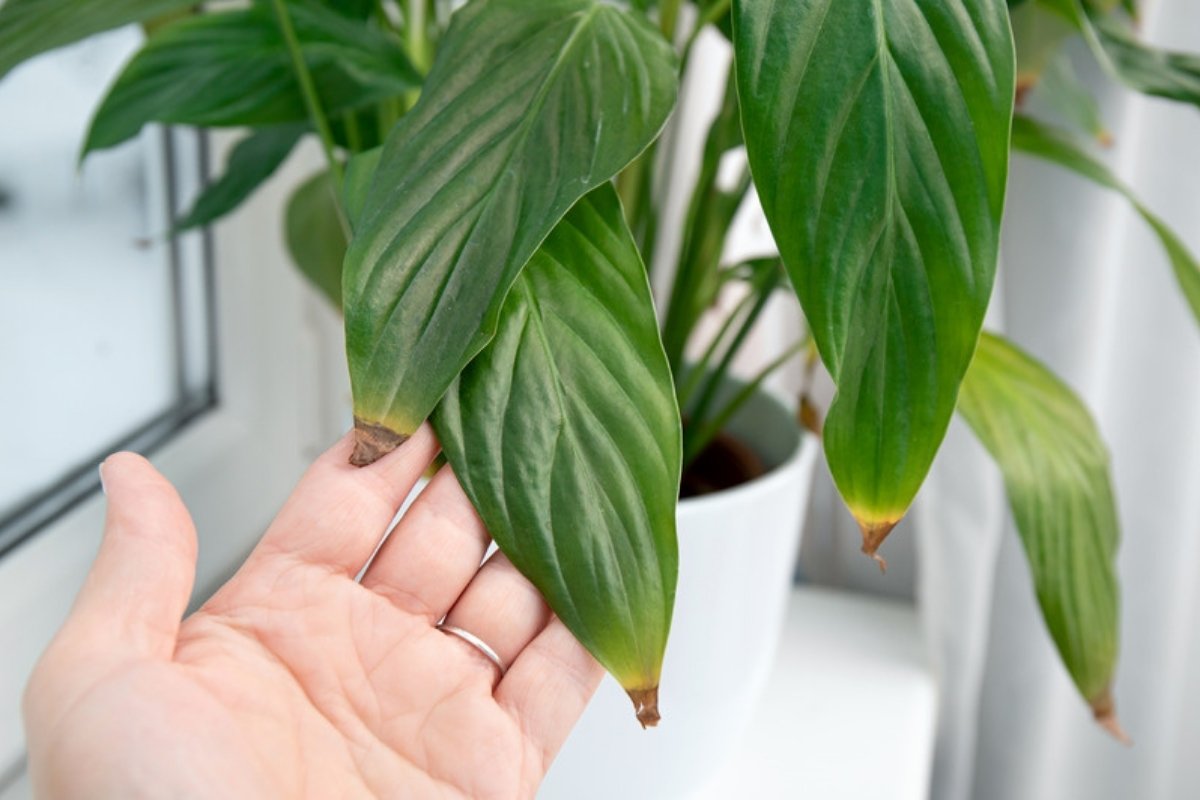
Houseplant leaves usually turn brown at the tips and edges in winter because the air indoors gets very dry once the heat is on. Other common causes are hot air from vents and radiators, cold drafts from windows, uneven watering, fertilizer salts building up in the soil, and chemicals in tap water. The good news: once you find the cause, new leaves come in clean.
Brown tips won't turn green again, so the goal is to stop the damage from spreading to new growth. Go through the causes below one by one. Most plants with crispy tips in December and January have more than one of them going on at the same time.
1. Dry Indoor Air
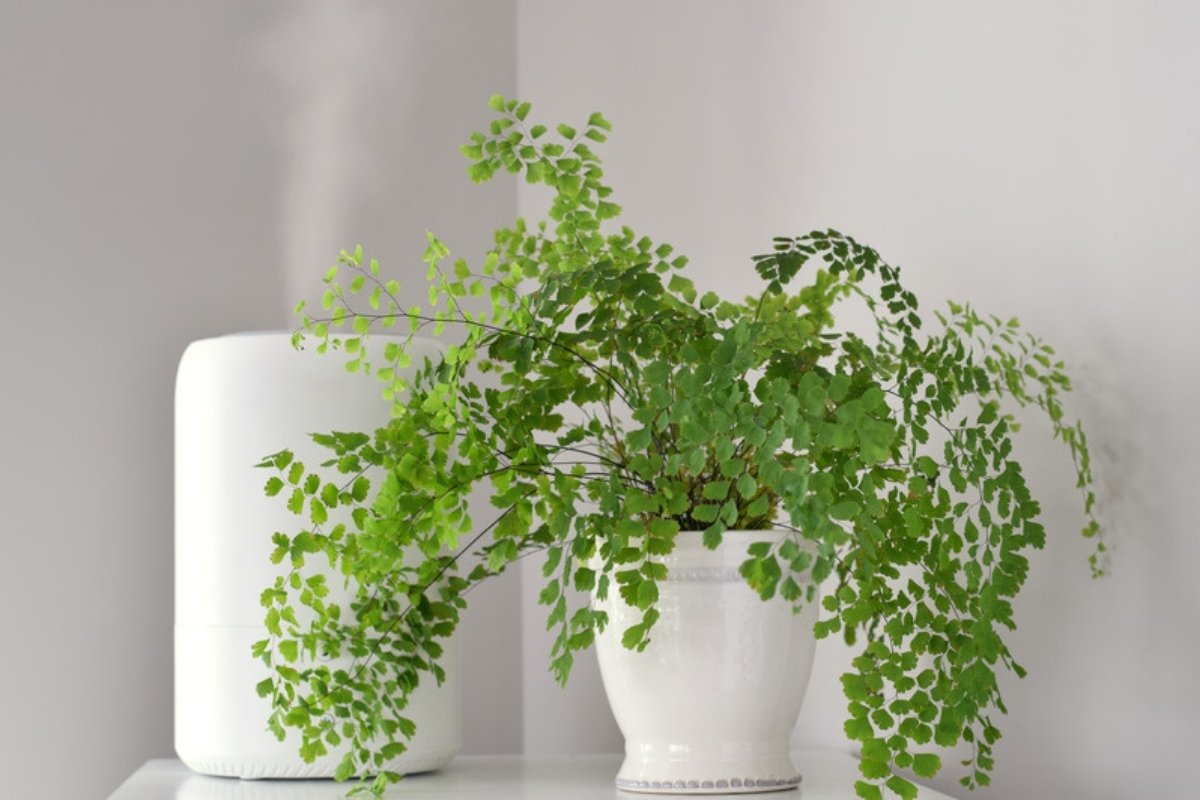
Iowa State University Extension calls low humidity the most common reason for brown leaf tips on houseplants. Most houseplants do best with a relative humidity of about 40 to 50%. In winter, heated homes often sit at only 10 to 20%, according to University of Kentucky Extension.
How to raise humidity around your plants:
- Run a humidifier. It's the most effective option, and extension horticulturists list it first.
- Group plants together. Plants release moisture through their leaves, so a cluster creates its own small pocket of humid air.
- Use a pebble tray. Fill a shallow tray with pebbles or gravel, add water, and set the pot on top. Keep the bottom of the pot above the waterline so the roots don't sit in water.
- Use the bathroom. If it has enough light, it's often the most humid room in the house.
Skip misting. Extension specialists at UW-Madison and NC State point out that misting only raises humidity for a few minutes, so it does very little unless you do it all day long.
2. Heat Vents, Radiators and Fireplaces
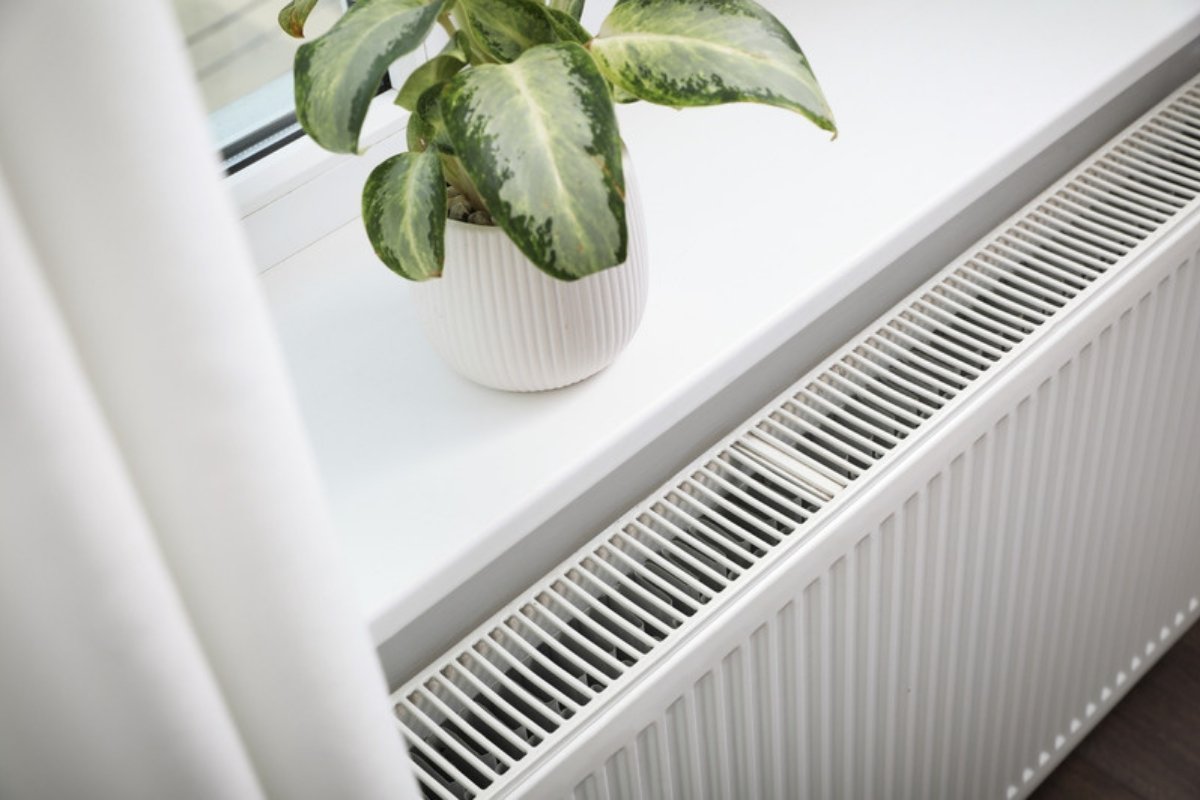
A plant sitting over a radiator or next to a forced-air vent gets blasted with hot, dry air every time the heat kicks on. The leaves facing the heat source dry out first, and the tips and edges burn.
Move plants away from heat vents, radiators and fireplaces, or redirect the vent if you can. A sunny windowsill directly above a radiator is one of the worst winter spots, even though the light is good. If you have nowhere else to put it, move it to another bright spot away from the heat.
3. Cold Drafts and Chilly Windows
Cold air causes trouble too. Plants near drafty doors and windows go through big temperature swings, and sudden cold drafts can stress a plant and dry it out. Iowa State Extension also warns against trapping plants between the window and a closed curtain at night, because the temperature there drops sharply after dark.
Most foliage plants are happy at about 65 to 70°F during the day and 60 to 65°F at night (UW-Madison Extension). An inexpensive digital thermometer next to your plants will show you how much a window spot really cools down overnight. If you've just brought a plant home from the store, keep it wrapped on the way, since even a short trip through freezing air can damage the leaves.
4. Uneven Watering
Iowa State Extension lists inconsistent watering, especially letting a plant dry out too long between waterings, as a common cause of brown tips. Too much water hurts as well: soggy soil leads to root rot, and damaged roots can't keep the leaves supplied.
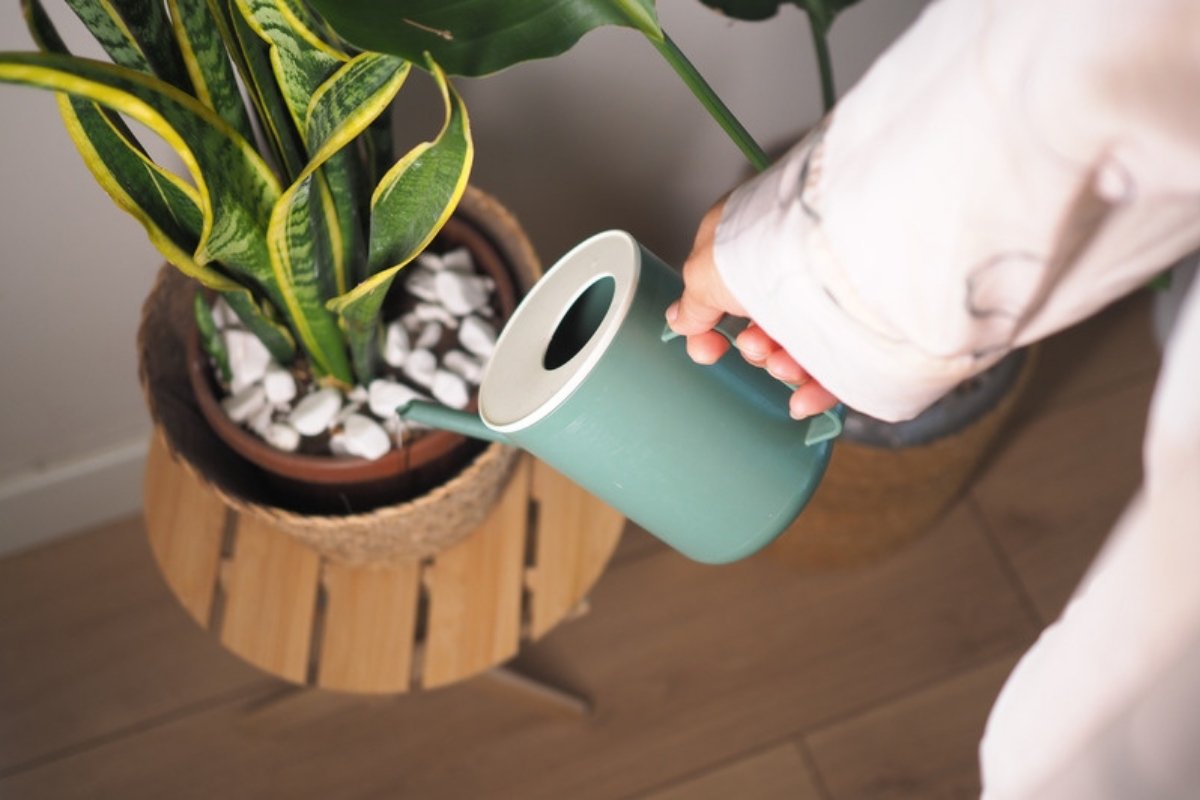
Plants use less water in winter because growth slows and days are shorter, so water by touch instead of by the calendar:
- Push a finger into the soil. When the top inch or so is dry, water thoroughly.
- Let the extra water drain into the saucer for 15 to 30 minutes, then empty it. Never leave the pot standing in water.
- Expect plants in south- or west-facing windows to dry out faster than those in north- or east-facing ones.
Watering deeply and less often is better than giving a little every day. Constantly wet soil also attracts fungus gnats, so if you spot tiny flies around the pots, see our guide on how to control fungus gnats organically.
5. Fertilizer Salt Buildup
Every time you fertilize, some mineral salts stay behind in the potting mix. Over time they build up and burn the tips and edges of the leaves.
To fix it, flush the soil. Take the plant to a sink or tub and run plenty of water through the pot so it drains out the bottom and carries the salts with it. If the problem keeps coming back, repot into fresh mix.
Then cut back on feeding. Most houseplants are barely growing in winter, so they don't need fertilizer. Extension horticulturists recommend stopping in fall and starting again in spring, around March or April, when the days get longer.
6. Fluoride and Chlorine in Tap Water
Some plants are sensitive to chlorine and fluoride in tap water, especially after months of exposure. Iowa State Extension names spider plants, dracaenas, ti plants, prayer plants and calatheas as the most sensitive. If one of these has brown tips while your other plants look fine, the water may be the reason.
The fix is to use a different water source, such as rainwater or distilled water. Flushing the soil, as described above, also helps clear out what has already built up.
7. Should You Cut Off the Brown Tips?
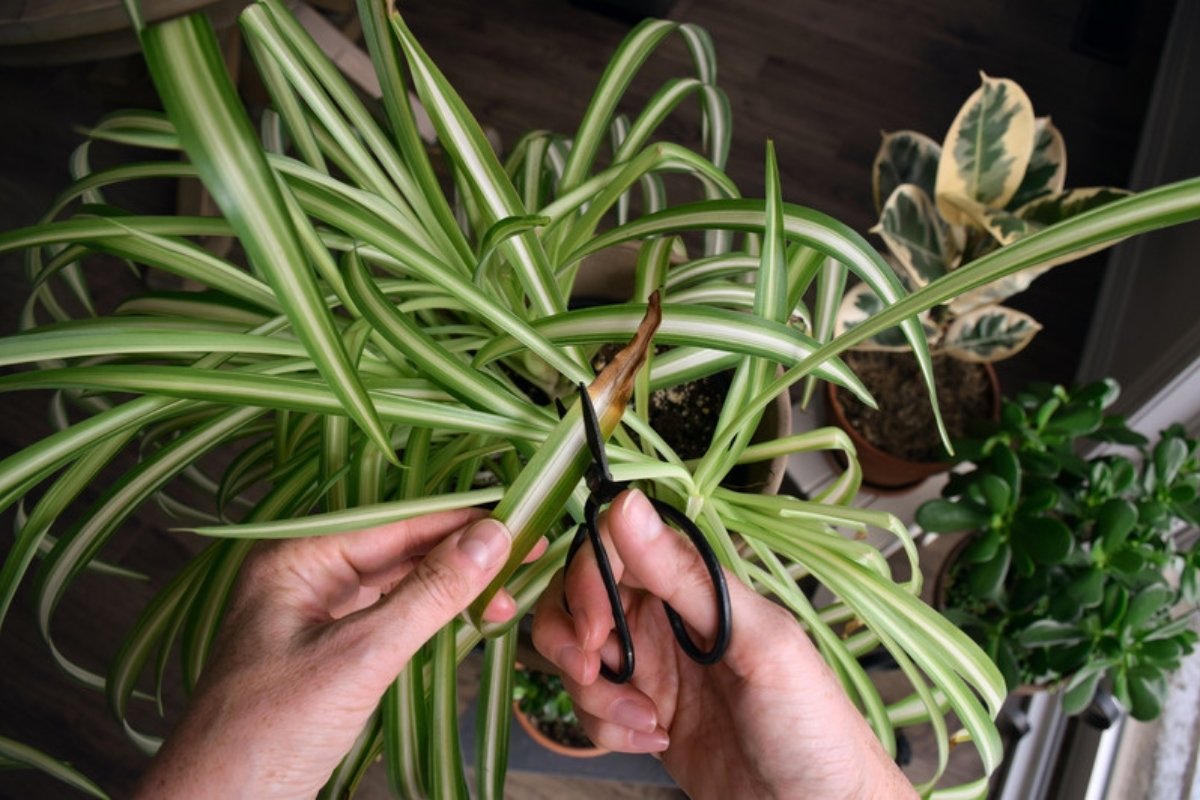
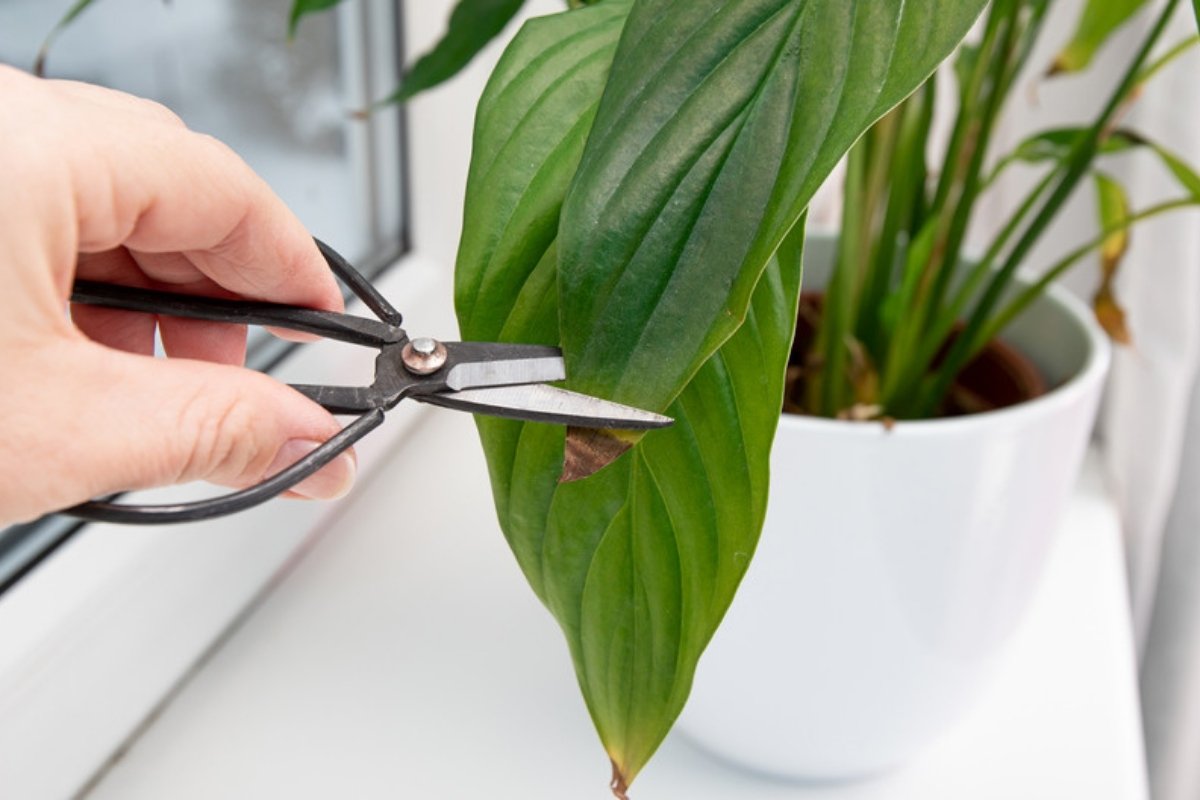
Yes, if they bother you. Brown tissue is dead and will never turn green again, so trimming it off with clean, sharp scissors makes the plant look better and won't hurt it.
Just keep in mind that trimming only hides the symptom. Iowa State Extension notes that the browning will come back on new leaves unless you fix the cause. The same idea applies to other winter bloomers. If you also grow flowering plants indoors, our cyclamen care guide and our post on why orchid buds fall off cover the same dry-air and temperature problems.
Quick Winter Checklist
| Humidity | Aim for about 40–50%; use a humidifier, group plants, add pebble trays |
| Placement | Away from vents, radiators, fireplaces and cold, drafty windows |
| Temperature | About 65–70°F by day, 60–65°F at night for most foliage plants |
| Watering | When the top inch of soil is dry; empty the saucer after 15–30 minutes |
| Fertilizer | Stop in fall, start again in spring |
| Sensitive plants | Spider plant, dracaena, ti plant, prayer plant, calathea: try rainwater or distilled water |
Winter brings other indoor plant challenges too. For example, herbs brought in from the garden struggle with the same dry air and short days, so read our tips on keeping rosemary alive indoors in winter.
Frequently Asked Questions
Will brown leaf tips turn green again?
No. The brown part of the leaf is dead tissue. You can trim it off for looks, but the only way to get clean leaves is to fix the cause so new growth comes in healthy.
Does misting help with brown tips?
Not much. Misting raises the humidity around a plant for only a few minutes. A humidifier, a pebble tray or grouping plants together does far more.
Why are my spider plant's tips brown?
Spider plants are among the plants most sensitive to fluoride and chlorine in tap water. Low humidity and letting the soil dry out too much can also cause it. Try rainwater or distilled water and keep the soil evenly watered.
How often should I water houseplants in winter?
Less often than in summer. There's no fixed schedule; check the soil and water when the top inch is dry. University of Kentucky Extension notes that some plants may only need water every two to three weeks in winter.
More Gardening Ideas
- Cyclamen Care Indoors: 9 Tips to Keep It Blooming All Winter
- How to Keep Rosemary Alive Indoors in Winter: 8 Tips That Work
- Why Do Poinsettias Die So Quickly? Discover The Truth
- Holiday Cacti: Care Tips For The Thanksgiving Cactus Plant
More Gardening Tips 👇🏼👇🏼