
Is It Too Late to Plant Tulip Bulbs? What to Do in December

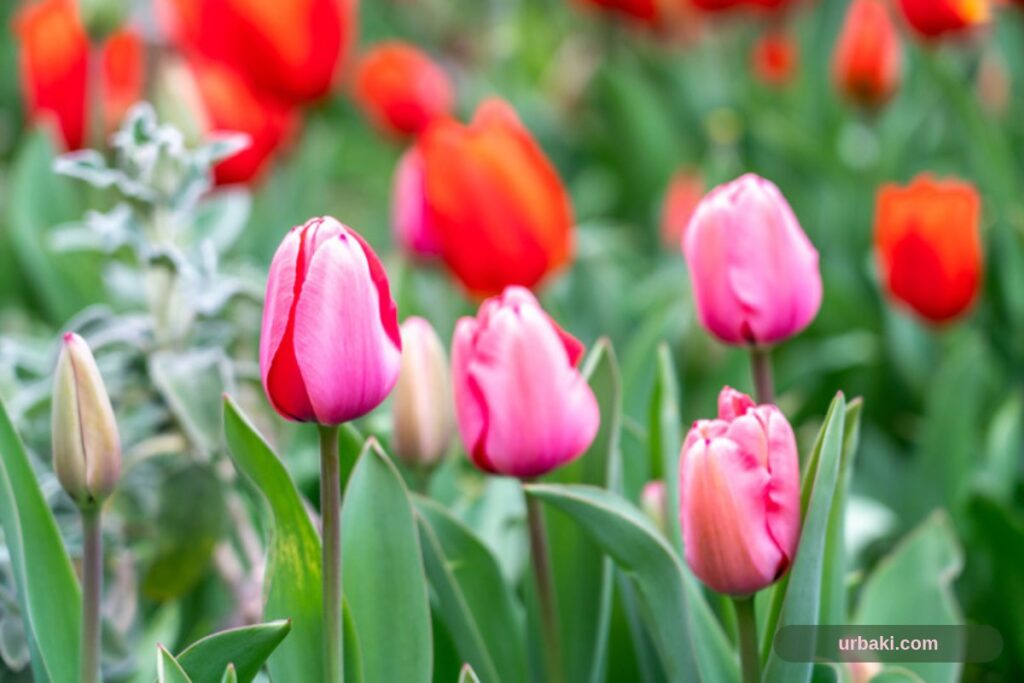
No, it's usually not too late to plant tulip bulbs in December. Iowa State University Extension says tulips can still go in the ground as late as December, as long as the soil isn't frozen. If you can dig a hole, plant them now. If the ground is frozen solid, pot them up and give them a cold spell indoors instead.
October is the ideal month for tulips, but a late planting still has a good chance of flowering. The one thing that doesn't work is keeping the bulbs in their bag until spring: unplanted tulip bulbs usually dry out and die over winter. Here's how to get the most out of a late start.
1. Check the Bulbs Before You Plant
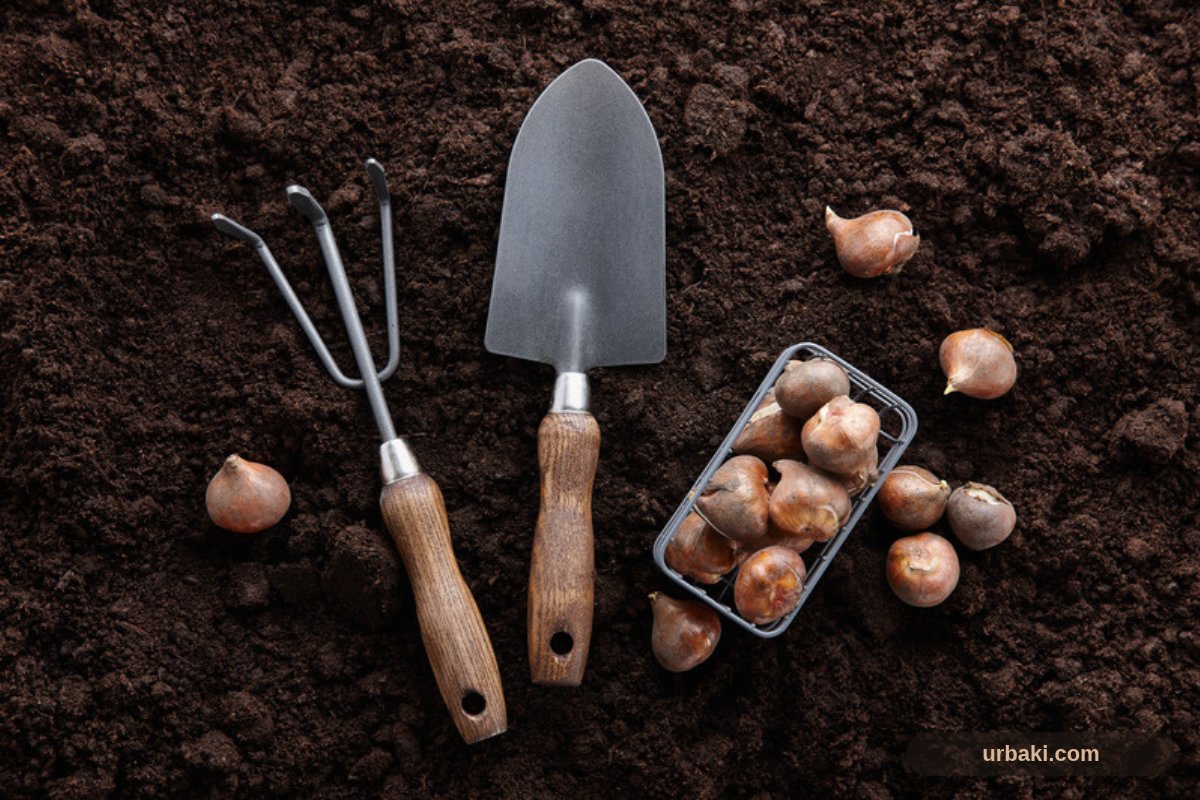
Bulbs that have been sitting in a garage or shed since early autumn aren't always worth the effort. Squeeze each one gently. A healthy tulip bulb feels firm and heavy for its size. Throw out any that are soft, shriveled, hollow or covered in mold.
Mold is the main risk with bulbs that wait too long. Matthew Pottage, curator at RHS Garden Wisley, has said that the share of usable bulbs drops quickly when planting is delayed, because many fall victim to a powdery blue mold. Sorting them first saves you from digging holes for bulbs that will never come up.
Until you plant, keep the bulbs somewhere cool, dark and dry, in a paper or mesh bag rather than sealed plastic. Longfield Gardens also warns against storing them next to ripening fruit, because the ethylene gas it gives off can damage the flower bud inside the bulb.
2. Find Out If Your Ground Is Still Workable
The rule is simple: if you can dig, you can plant. Longfield Gardens points out that in early winter often only the top inch or two of soil is frozen. Push a spade or trowel into the bed. If it breaks through a thin crust into soft soil underneath, the spot is still fine.
How late you can go depends on your climate. Longfield Gardens suggests planting as late as the ground can be worked in USDA zones 3 to 6, and says gardeners in zones 7 and 8 can often keep planting through December and into early January.
Choose a sunny spot that drains well. Iowa State Extension notes that tulips don't tolerate wet conditions, so skip low corners where water sits after winter rain. Raised beds are a good option on heavy soil, as long as you avoid the common raised flower bed mistakes that leave them soggy.
3. Plant at the Right Depth and Spacing
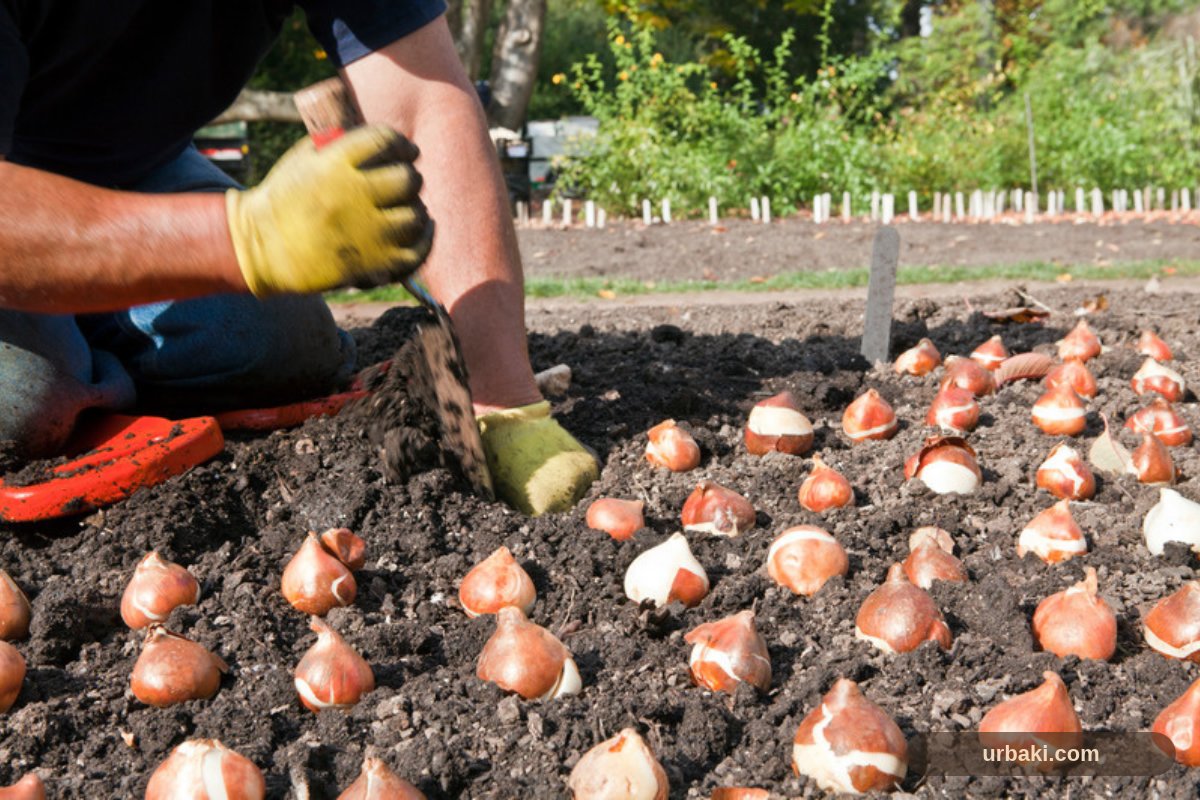
Cold soil makes it tempting to dig shallow holes, but depth matters just as much in December as it does in October. Iowa State Extension recommends planting tulips at a depth of two to three times the bulb's widest diameter. That works out to 6 to 8 inches (15 to 20 cm) for large varieties and 3 to 5 inches (8 to 13 cm) for smaller Kaufmanniana, Greigii and species tulips.
Space large bulbs 4 to 6 inches (10 to 15 cm) apart and smaller ones 3 to 4 inches (8 to 10 cm) apart. Set each bulb with the pointed end up and the flat root plate down.
When you have a whole bag to plant and little daylight, dig one wide hole or trench to the right depth instead of dozens of single holes. Lay the bulbs out at the correct spacing, then backfill. If you have leftover daffodils too, our guide to planting daffodil bulbs at the right depth covers them.
4. Water Once, Then Mulch
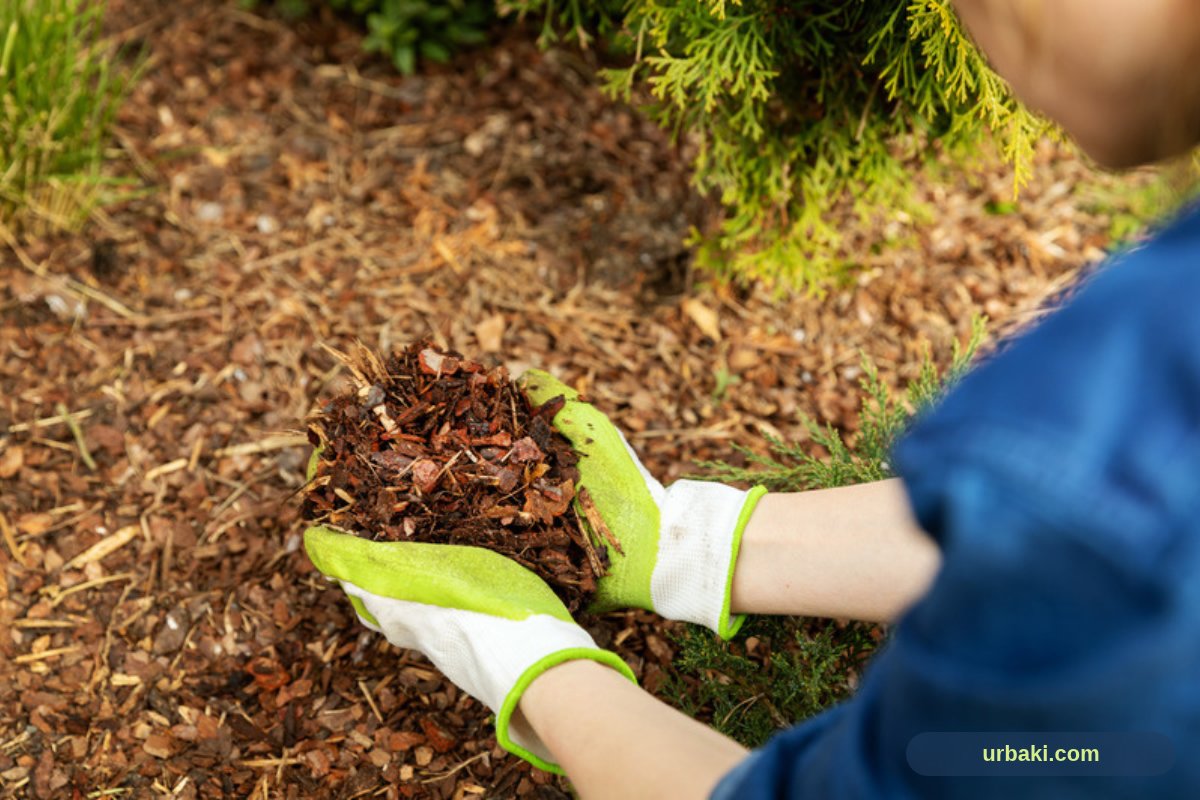
Water the bed after planting to settle the soil around the bulbs. Longfield Gardens says one watering is enough if the soil is dry, and there's no need to soak it. Overwatering is the bigger risk at this time of year.
Mulch is what makes a late planting work. Iowa State Extension suggests covering the area with several inches of straw, pine needles or leaves, which gives the bulbs extra time to grow roots before the ground freezes. Longfield Gardens recommends a 2 to 3 inch layer of shredded bark, evergreen boughs or chopped leaves, which also helps stop freeze-thaw cycles from pushing bulbs out of the soil.
Push a plant label into the bed before you mulch. Once everything is covered, it's easy to forget where the bulbs are and dig into them by mistake.
5. Pot Them Up If the Ground Is Frozen Solid
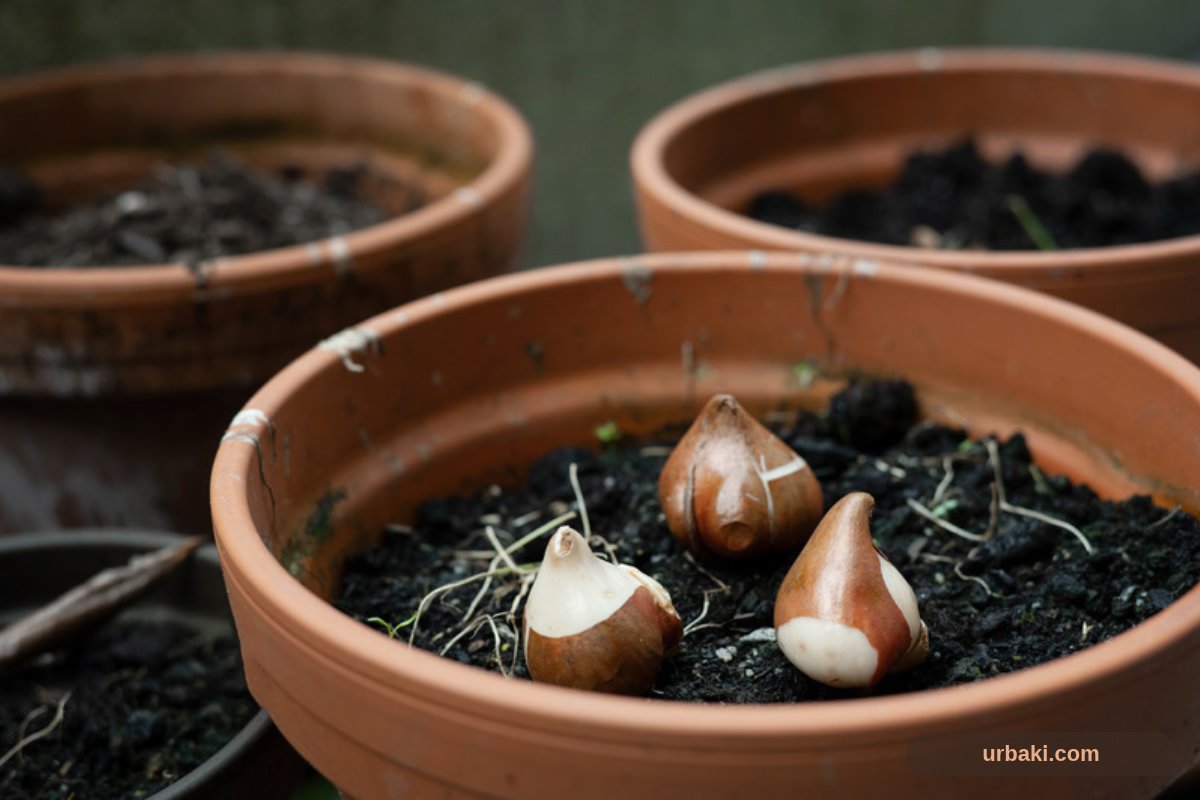
If your spade won't go in, don't hold the bulbs until spring. Iowa State Extension says the next best option is planting them in containers and chilling them, a process called forcing. Use pots with drainage holes and fresh potting mix. Iowa State suggests four or five bulbs in a 5-inch pot or six or seven in a 6-inch pot, with the tips of the bulbs even with or just below the rim and the soil level ½ to 1 inch below the rim.
Tulips need a long cold period to flower. Keep the pots at 40 to 45°F (4 to 7°C) for 12 to 16 weeks in a refrigerator, root cellar or unheated basement. Water them regularly and keep them in complete darkness. Potted in early December, they'll be ready to come out in late February or March.
When yellow shoots appear after chilling, move the pots to a spot at 50 to 60°F (10 to 16°C) with low to medium light for four or five days, until the shoots turn green. Then give them a bright room at 60 to 70°F (16 to 21°C). Flowers follow in about three to four weeks. To stretch the show, bring out a pot every two weeks.
Iowa State Extension notes that forced tulips are usually thrown away after flowering because they won't bloom again when planted outdoors. If you want flowers before spring, indoor bulbs like paperwhites and amaryllis are a faster option.
6. Give Bulbs Extra Cold in Warm Climates
In USDA zones 9 and 10, winters aren't cold enough for tulips to form flowers on their own. Longfield Gardens recommends pre-chilling bulbs in the refrigerator before planting them in these areas.
If you live somewhere warm and your bulbs haven't been chilled yet, start now. The same 40 to 45°F (4 to 7°C) range used for forcing applies, and the bulbs need many weeks of it, so a December start means a late planting and later flowers. Keep them away from fruit in the fridge for the same ethylene reason mentioned above.
7. Know What to Expect in Spring
Late-planted tulips usually still flower. According to Longfield Gardens, they may bloom a week or two later than bulbs planted in October, and the first-year stems or flowers can be a little smaller. That's a small price compared with losing the whole bag.
Don't expect the same bulbs to perform forever, whenever you plant them. Iowa State Extension says most modern large-flowered tulips bloom well for only three or four years, so many gardeners treat them as a short-term display and add fresh bulbs each autumn.
Quick Reference: Late Tulip Planting
| Latest planting time | Until the ground freezes (often December) |
| Planting depth | 6–8 in (15–20 cm) for large bulbs; 3–5 in (8–13 cm) for small types |
| Spacing | 4–6 in (10–15 cm) large; 3–4 in (8–10 cm) small |
| After planting | Water once, then mulch several inches deep |
| Frozen ground | Pot up and chill at 40–45°F (4–7°C) for 12–16 weeks |
| Bloom after chilling | About 3–4 weeks indoors |
Frequently Asked Questions
Can I plant tulip bulbs in January?
Sometimes. If the ground can still be dug and the bulbs are firm, it's worth trying, especially in milder regions where Longfield Gardens says planting into early January is often possible. Gardeners' results vary, and the longer bulbs wait, the more of them tend to rot or mold.
Can I store tulip bulbs and plant them in spring?
No. Iowa State Extension says spring planting isn't an option for tulips, because the bulbs get no time to root and no cold period, so they don't grow or bloom well. Unplanted tulip bulbs are likely to be dead by early spring. Plant them in the ground or in pots now.
Should I water tulip bulbs after planting in winter?
Yes, once, to settle the soil. After that, rain and melting snow usually supply enough moisture. Tulips don't like wet conditions, so don't keep watering a cold bed.
Will late-planted tulips come back next year?
Planting late doesn't change how long tulips last. Most modern large-flowered varieties bloom well for three or four years in the garden. Forced tulips grown in pots are the exception: they usually won't flower again outdoors.
More Gardening Ideas
- How to Plant Daffodil Bulbs: Depth and Spacing
- How to Grow Paperwhites Indoors for Holiday Blooms
- What to Do With Amaryllis After It Blooms
- 7 Mistakes That Ruin Your Raised Flower Beds
More Gardening Tips 👇🏼👇🏼