
Planting Vegetables in Raised Beds


Have you ever wondered how to take your gardening skills to the next level? Raised beds offer a simple yet effective way to grow healthy vegetables with ease.
Not only do they improve soil drainage and structure, but they also provide better control over growing conditions.
In this guide, we’ll walk you through everything you need to know about planting vegetables in raised beds, from construction to maintenance.
What Are Raised Beds?
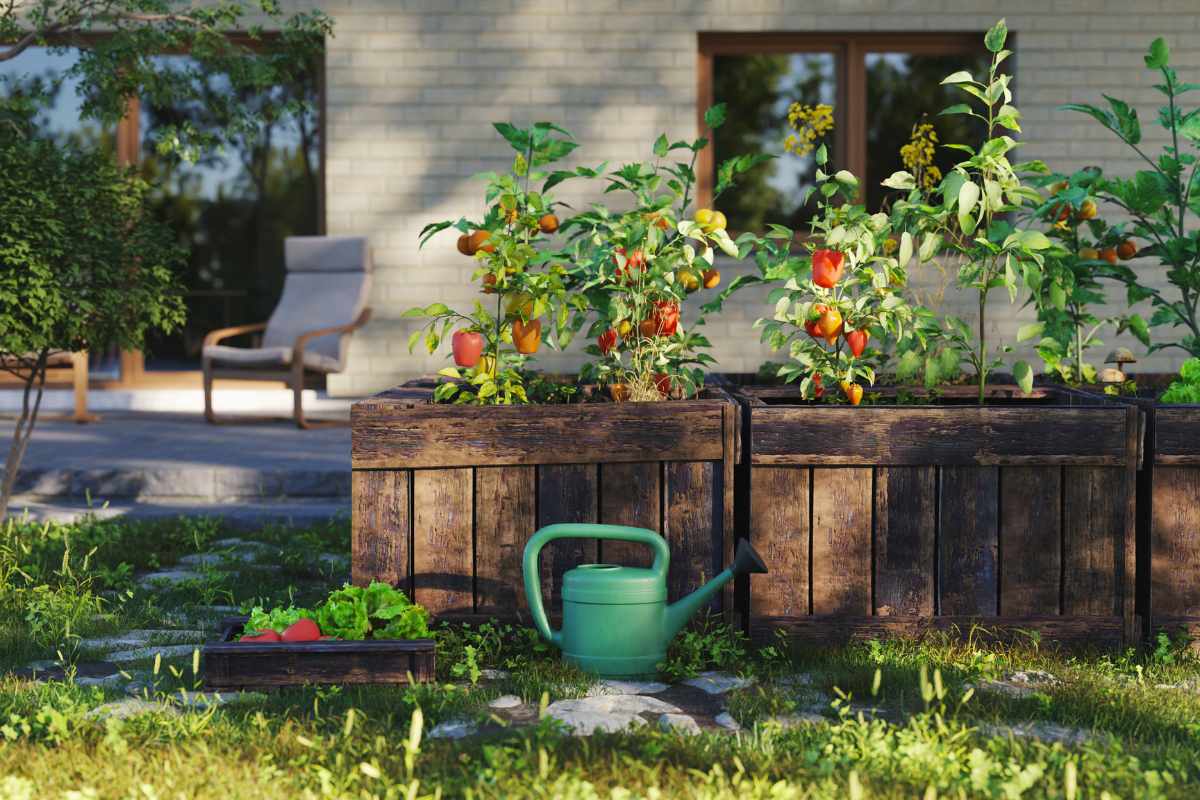
Raised beds are elevated garden boxes that allow you to grow plants above ground level.
These beds are typically filled with nutrient-rich soil, offering several advantages over traditional gardening methods, such as:
Better soil quality: You have full control over the soil mixture, ensuring optimal growing conditions.
Improved drainage: Water drains more effectively, preventing root rot and waterlogging.
Easier access: Raised beds reduce the strain on your back, making gardening easier for those with limited mobility.
Pest control: Raised beds help keep pests, such as slugs and snails, at bay.
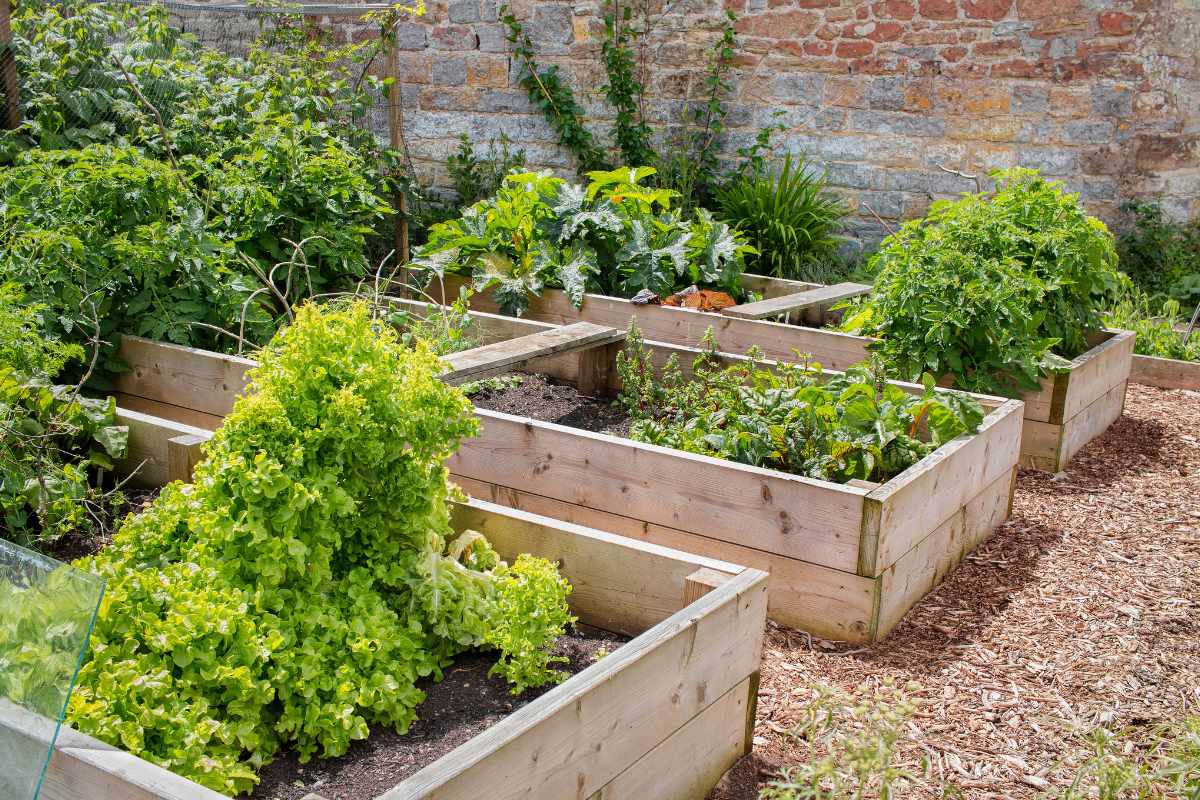
Building Your Raised Bed: Step-by-Step Guide
Creating your own raised bed garden is easy and cost-effective. Here’s how you can build one:
Materials Needed:
Wooden boards (cedar is a great option because it's naturally resistant to rot)
Screws or nails
A drill or hammer
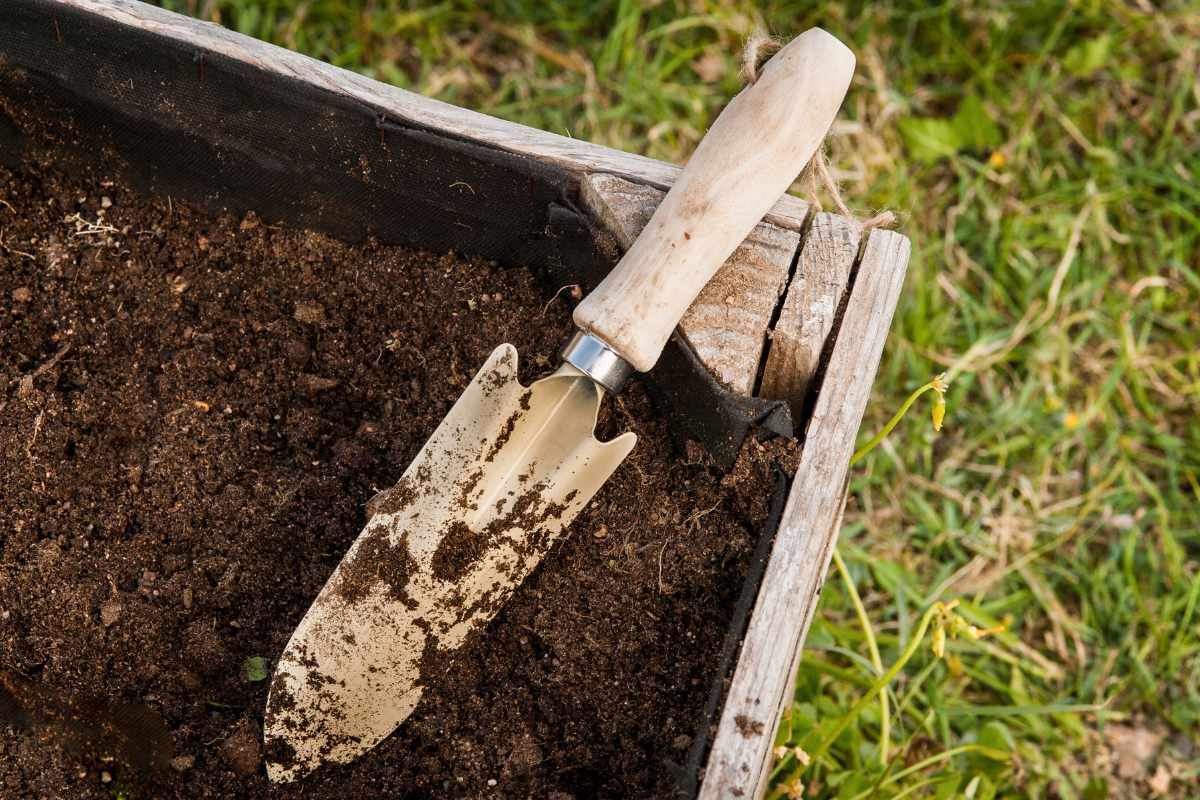
Soil (mix of topsoil, compost, and perlite)
A measuring tape
A level
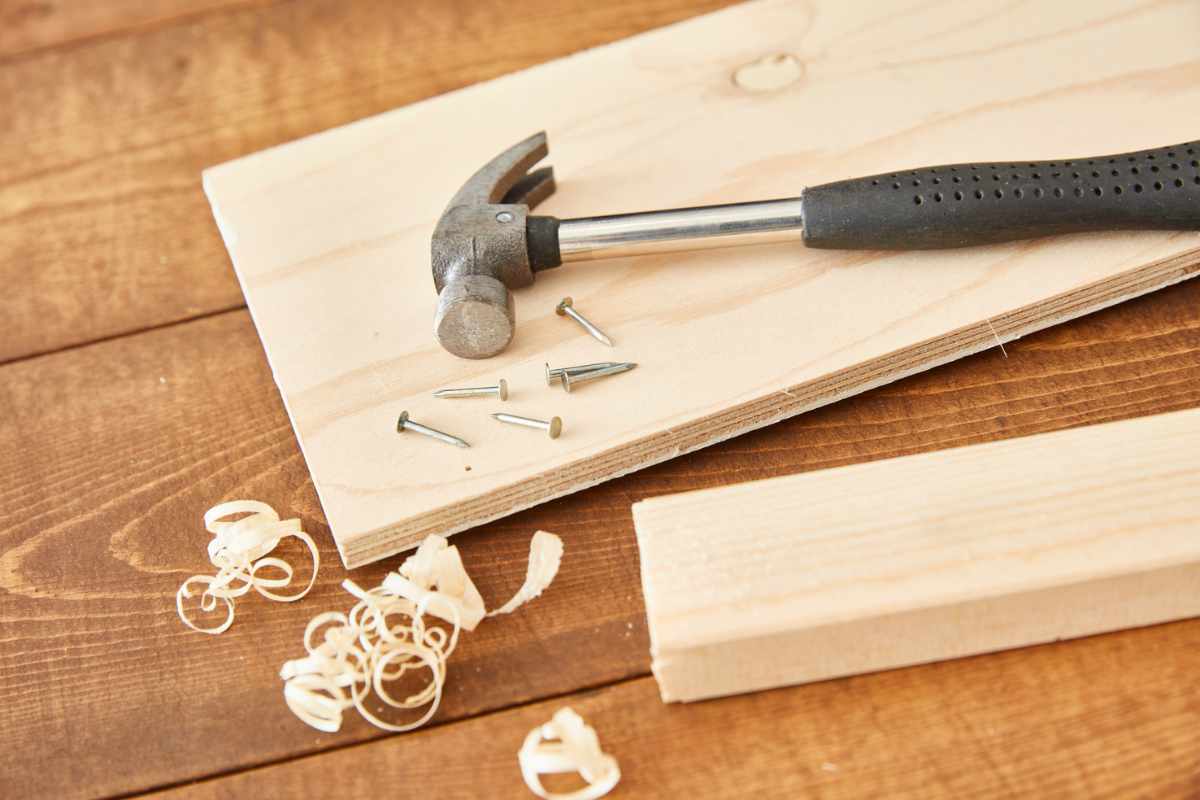
Step-by-Step Construction:
Choose the Right Location: Find a sunny spot that receives at least 6-8 hours of direct sunlight each day.
Measure and Cut the Wood: Decide on the size of your raised bed. A 4’ x 8’ bed is a standard choice, but you can customize based on available space.
Assemble the Bed: Attach the boards using screws or nails to form a rectangular or square shape.
Level the Ground: Make sure the bed is level, so water doesn’t pool on one side.
Fill with Soil: Add your soil mixture, layering it evenly to avoid gaps. A combination of topsoil, compost, and perlite is ideal for most vegetables.
Preparing the Soil for Success
Good soil is the foundation of any healthy garden. Here’s how to ensure your raised bed soil is ready for planting:
Test the Soil: Use a soil testing kit to check the pH. Most vegetables thrive in slightly acidic to neutral soil (pH 6.0-7.0).
Layer the Soil: Start with a bottom layer of coarse materials, such as gravel or small stones, to ensure good drainage. Add a mixture of topsoil, compost, and perlite to improve soil structure and fertility.
Add Organic Matter: Enhance the soil by adding well-rotted manure or organic compost to feed your plants over time.
Choosing Vegetables for Your Raised Bed
When selecting vegetables, consider your climate, the size of your bed, and the time of year.
Some vegetables, like tomatoes and carrots, thrive in raised beds. Others that work well include:
Leafy Greens: Lettuce, spinach, kale, and arugula grow well in raised beds.
Root Vegetables: Carrots, beets, radishes, and potatoes can easily grow in the loose soil of raised beds.
Tomatoes and Peppers: These warm-weather crops benefit from well-drained soil.
Herbs: Basil, mint, parsley, and thyme do well in containers or raised beds.
Tip: Consider companion planting to maximize space and deter pests. For instance, plant basil alongside tomatoes to improve growth and flavor while keeping pests at bay.
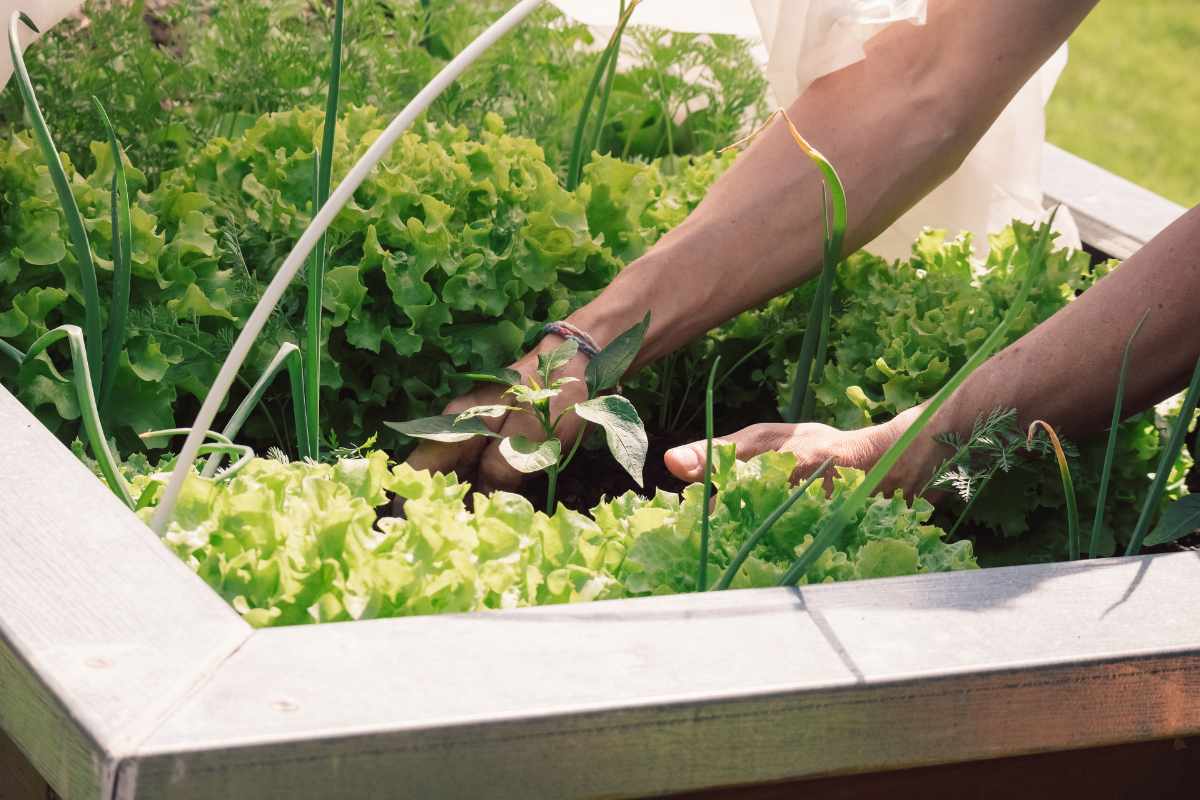
Planting Tips: How to Get Started
Once your raised bed is built and filled with quality soil, it’s time to plant. Here are some essential planting tips:
Spacing: Be sure to leave enough space between each plant to ensure good airflow. Follow the recommended spacing guidelines on seed packets or plant labels.
Depth: Plant seeds or seedlings to the correct depth. Typically, seeds should be covered with soil at a depth of two to three times their size.
Watering: Raised beds dry out faster than traditional in-ground gardens. Water your plants thoroughly and consistently, especially during dry periods.
Maintaining Your Raised Bed Garden
Ongoing maintenance is key to ensuring a successful harvest. Here’s how to keep your raised bed garden thriving:
Watering: Keep the soil evenly moist, but not soggy. Water deeply in the morning, and avoid overhead watering to minimize disease.
Mulching: Add a 2-3 inch layer of mulch around your plants to retain moisture and reduce weeds.
Weeding: Regularly check for weeds and remove them before they have a chance to take root.
Fertilizing: Add organic fertilizer to the soil every few weeks to ensure your plants get the nutrients they need to grow strong and healthy.
Troubleshooting Common Raised Bed Issues
Even the best gardeners run into a few challenges. Here are some common issues you may face and how to handle them:
Yellowing Leaves: This could indicate a nutrient deficiency. Add a balanced organic fertilizer or compost.
Wilting Plants: If your plants are wilting despite regular watering, it may be a sign of overwatering. Ensure the soil drains well and adjust your watering schedule.
Pest Infestation: Raised beds can be susceptible to pests like aphids and slugs. Use organic solutions like neem oil or companion planting to deter these pests.
Raised beds offer an excellent solution for those looking to grow vegetables in limited space or improve their gardening experience.
Not only do they provide superior drainage and soil control, but they also reduce the strain on your back and knees.
Whether you’re a beginner or an experienced gardener, raised beds are an easy and efficient way to grow a variety of vegetables at home.
Enjoy the Video Tutorial

Source: Silverline Tools
Did you find this post useful or inspiring? Save THIS PIN to your Gardening Board on Pinterest!😊

Once again, thank you for visiting our website!
We hope you've enjoyed exploring the content we've created for you.
Give yourself the chance to learn, get inspired, and have even more fun, keep browsing...
More Gardening Tips 👇🏼👇🏼