
How to Grow Herbs in Pots (Outdoor)


Ever dreamed of a garden that fits neatly on your balcony, patio, or even a sunny windowsill—while also adding delicious flavors to your meals? Growing herbs in pots is the perfect solution.
It’s simple, space-saving, and incredibly rewarding.
Whether you’re short on outdoor space or just want a tidy, organized setup, container gardening lets you enjoy a lush harvest of fresh, homegrown herbs right at your fingertips.
Benefits of Growing Herbs in Pots
One of the greatest advantages of growing herbs in pots is how adaptable it is to any living situation.
Even if you don’t have a backyard, you can still enjoy fresh basil, thyme, or parsley within arm’s reach. Herbs in pots save space, making them ideal for balconies, patios, or even that sunny kitchen window.
Another bonus is mobility—you can move your plants around to catch more sunlight or protect them from harsh weather with just a quick shift of the pot.
Beyond practicality, potted herbs bring beauty to your home. A row of vibrant green containers instantly brightens up a corner and adds a touch of life to your everyday surroundings.
And of course, nothing beats the convenience of stepping outside—or just across the room—for a handful of fresh herbs when you’re cooking.

Choosing the Right Pots
Picking the right container makes a big difference in how your herbs grow.
Size matters, while most herbs are happy in pots about six to eight inches deep, some like rosemary need more room to spread their roots.
Drainage is equally important; without holes at the bottom, water can pool and damage your plants.
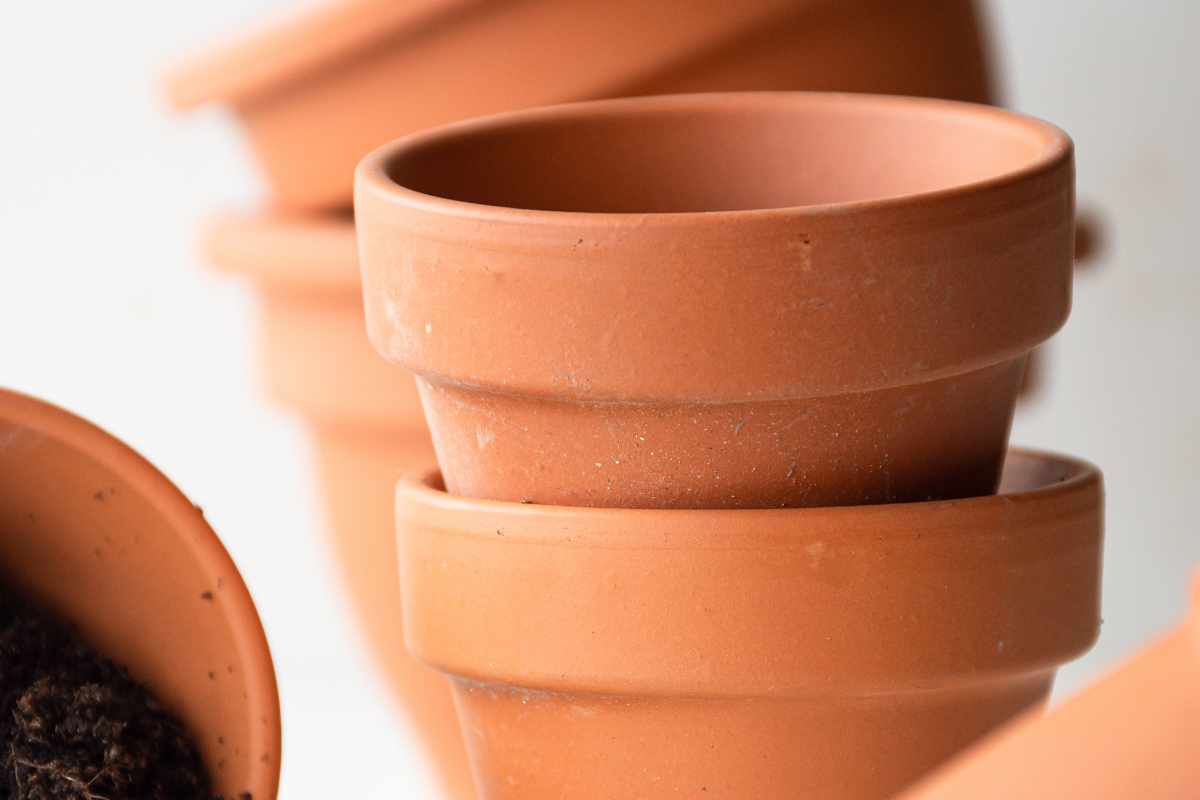
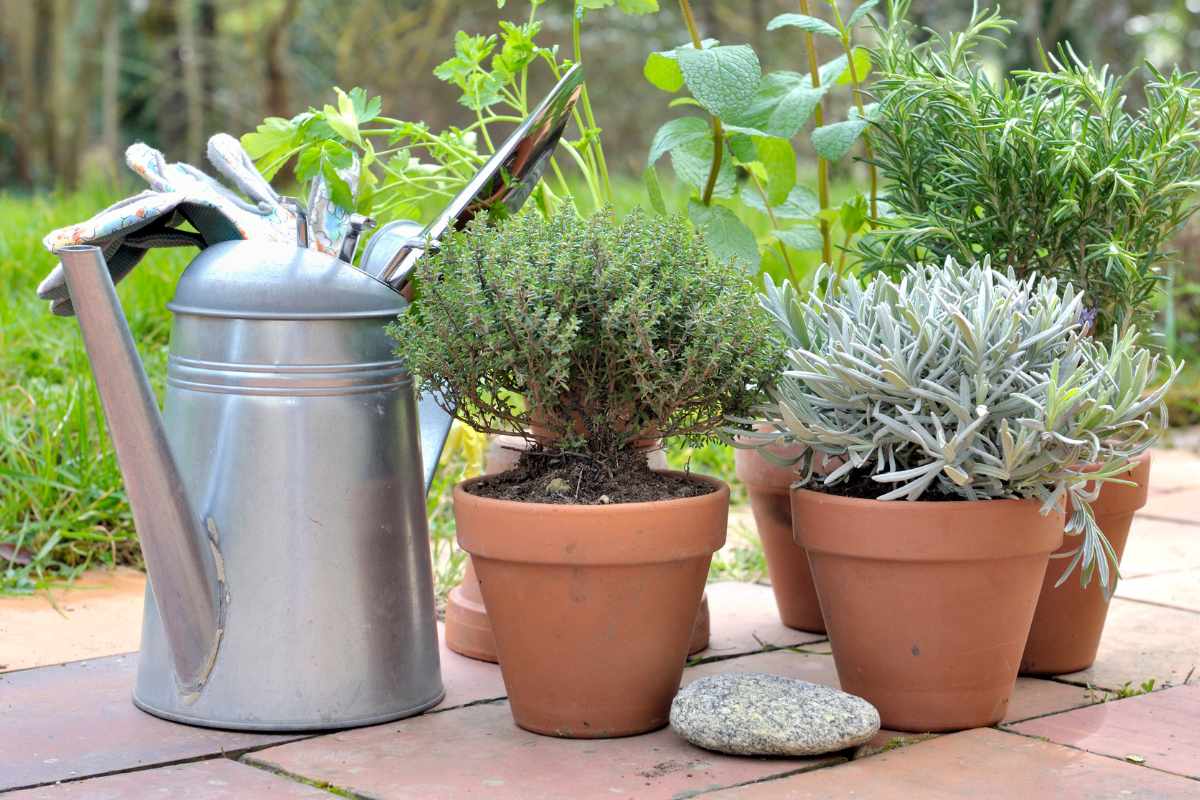
As for materials, each has its charm. Terracotta pots allow air to circulate but tend to dry out quickly, while plastic retains moisture longer.
Ceramic sits somewhere in between, offering a balance of airflow and water retention.
Best Herbs to Grow in Pots
Some herbs seem almost made for containers. Here are some examples:
Basil
Basil thrives in warmth and sunshine, making it one of the most rewarding herbs to grow in pots.
Its fragrant leaves bring fresh flavor to Mediterranean dishes, and with regular harvesting, it will keep producing tender new growth.

Mint
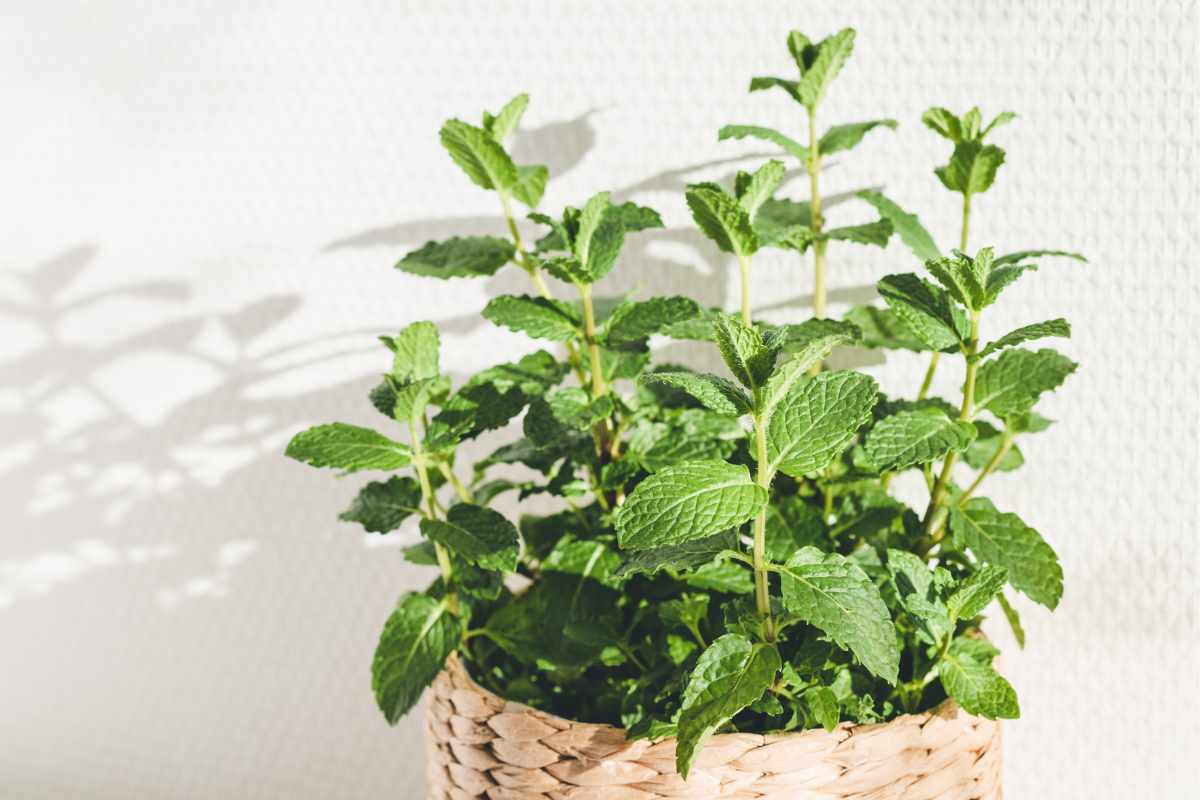
Mint is a vigorous grower that loves to spread, which is why it’s best kept in its own pot.
This way, you can enjoy its refreshing leaves for teas, desserts, and savory recipes without worrying about it taking over your other herbs.
Thyme
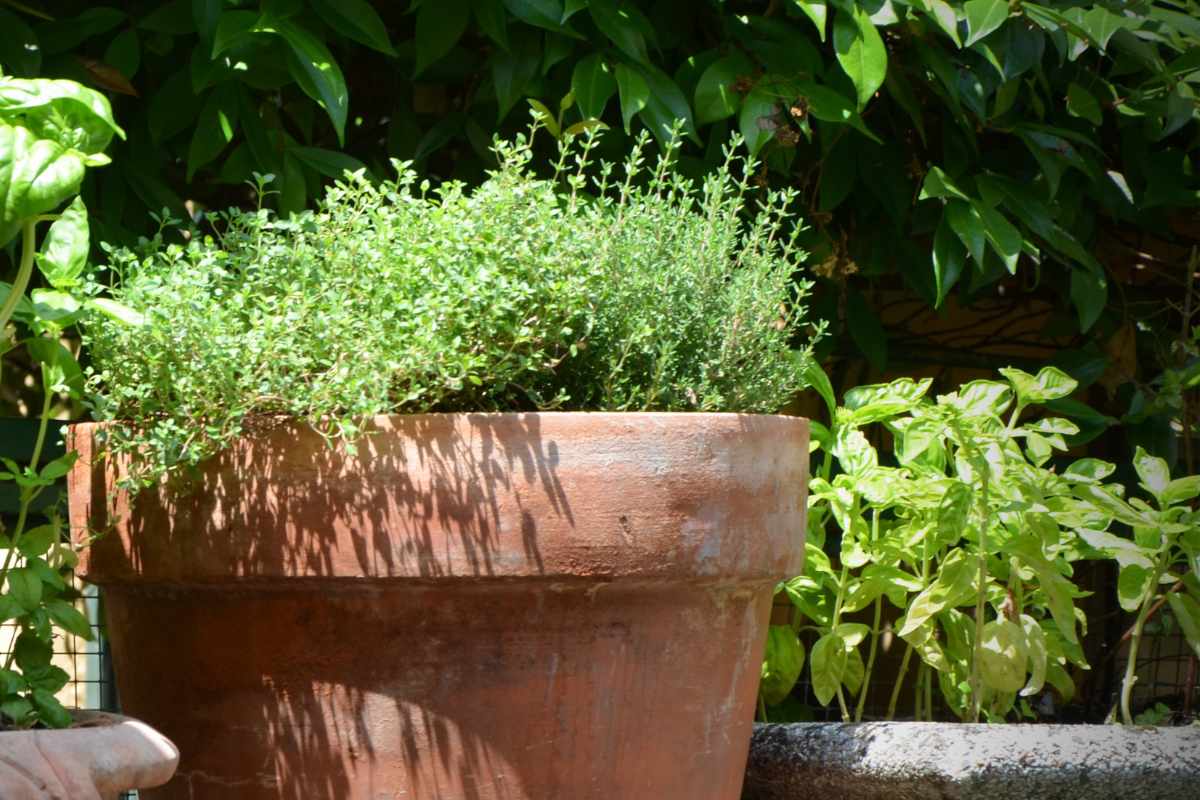
Hardy and low-maintenance, thyme is perfect for smaller containers.
Its tiny, aromatic leaves pack a lot of flavor and pair beautifully with roasted vegetables, meats, or soups, making it a versatile addition to your potted garden.
Parsley
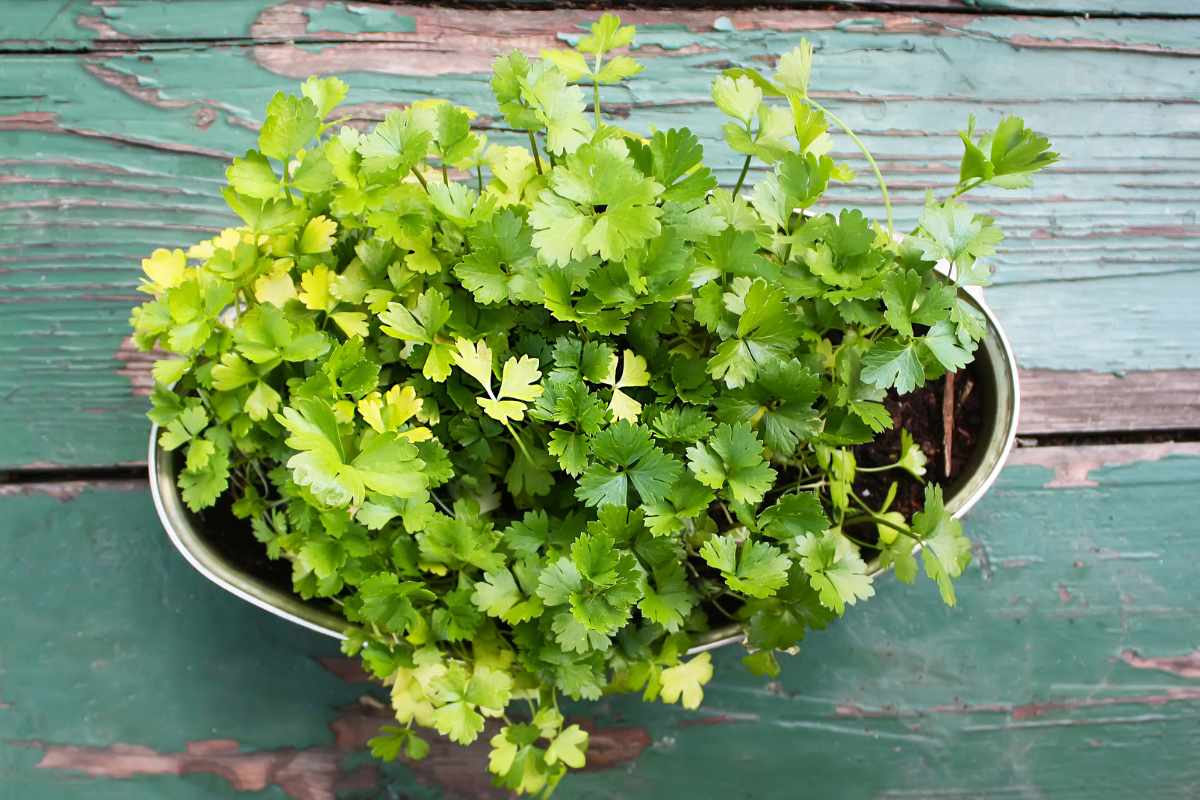
Parsley grows easily and provides a steady harvest of fresh leaves that are always handy in the kitchen.
Whether you use it as a garnish or to enhance the flavor of your favorite dishes, parsley is a reliable, beginner-friendly herb.
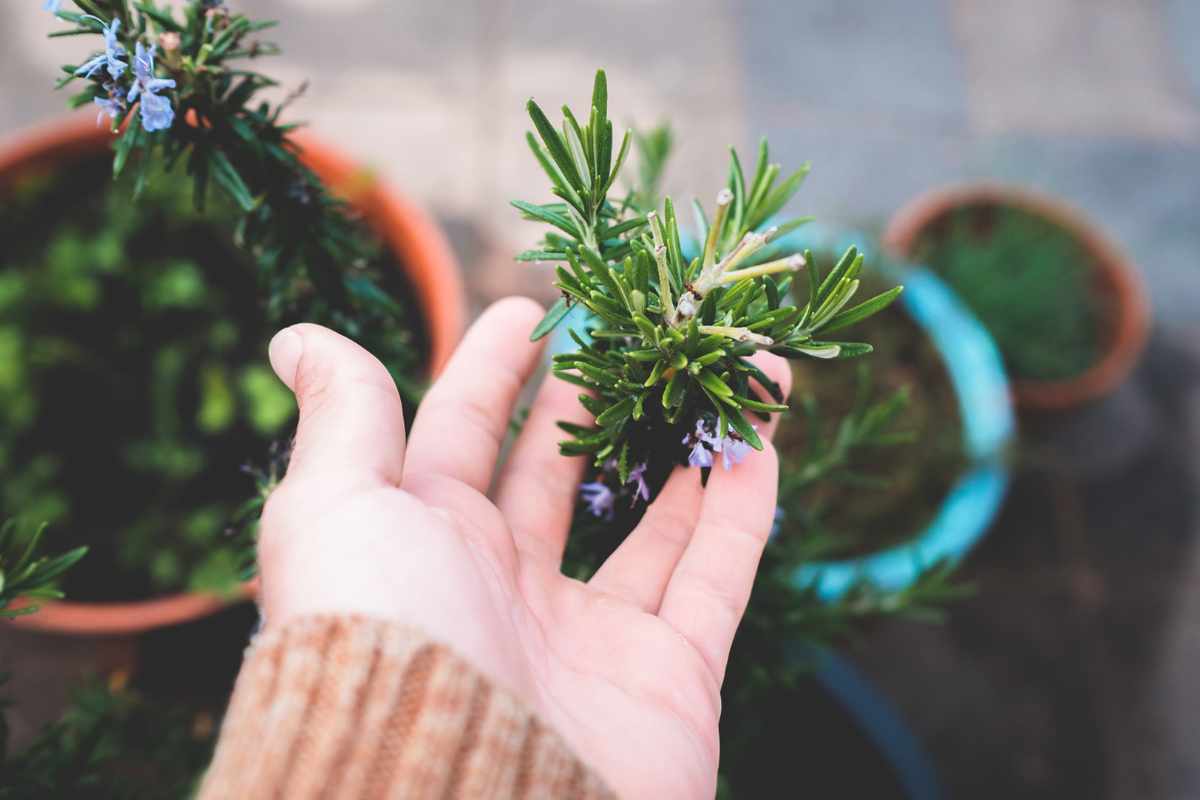
Rosemary
Rosemary’s woody stems and fragrant needles make it both decorative and useful.
It thrives in warm, sunny conditions, and its bold flavor is perfect for seasoning meats, bread, or roasted vegetables while adding beauty to your space.
Planting and Care Tips
Once you’ve chosen your pots and herbs, planting is straightforward. Start by adding a thin layer of gravel or small rocks at the bottom of your container to help with drainage.
Fill the pot with a quality, well-draining potting mix rather than heavy garden soil, which can compact too much. Place your herb just below the rim of the pot, then gently fill in the soil around its roots.
Caring for your potted herbs is just as easy. Keep the soil moist but not waterlogged, checking with your finger before watering.
Most herbs love sunlight, so aim to give them six to eight hours of direct light every day. With this little bit of attention, you’ll find your herbs flourishing in no time.
Common Mistakes to Avoid
While growing herbs in pots is simple, there are a few mistakes that can get in the way of healthy growth. Keeping these in mind will help your plants thrive:
Overwatering: Always check the soil first—if it’s still moist, wait before adding more water.
Underfeeding: Herbs benefit from a balanced, slow-release fertilizer to stay strong and productive.
Skipping pruning: Regular trimming encourages fuller, bushier plants and a steady supply of fresh leaves.
- Using pots that are too small: Basil, rosemary, and other larger herbs need enough room for their roots to grow.
With just a little care, a collection of potted herbs can transform even the smallest space into a thriving mini-garden.
It’s an enjoyable, low-maintenance way to bring fresh, homegrown flavor to your meals while adding greenery and charm to your living space.
Start with a few of your favorites, experiment with different pots, and soon you’ll have your own personal herb garden that’s both beautiful and delicious.
Enjoy the Video Tutorial
Source: GrowVeg
Did you find this post useful or inspiring? Save THIS PIN to your Gardening Board on Pinterest!😊

Once again, thank you for visiting our website!
We hope you've enjoyed exploring the content we've created for you.
Give yourself the chance to learn, get inspired, and have even more fun, keep browsing...
More Gardening Tips 👇🏼👇🏼