
Planting Potatoes in Raised Bed


Planting potatoes is one of those gardening projects that’s both simple and fun.
What makes it a little different from other vegetables is that everything happens underground, so you don’t really see the results until harvest.
That surprise factor is part of what makes growing potatoes enjoyable, but the real reward comes when you dig them up and bring them to the kitchen.
Let’s go step by step through the process of planting potatoes and why this season is a great time to get started.
Why Potatoes Are Great for Beginners
Potatoes are straightforward to grow and don’t need a lot of special care.
Even if you’re new to gardening, they’re forgiving plants that give you a good harvest with basic attention.
More experienced gardeners also love them because they’re reliable and versatile in the kitchen.
The Best Time to Plant
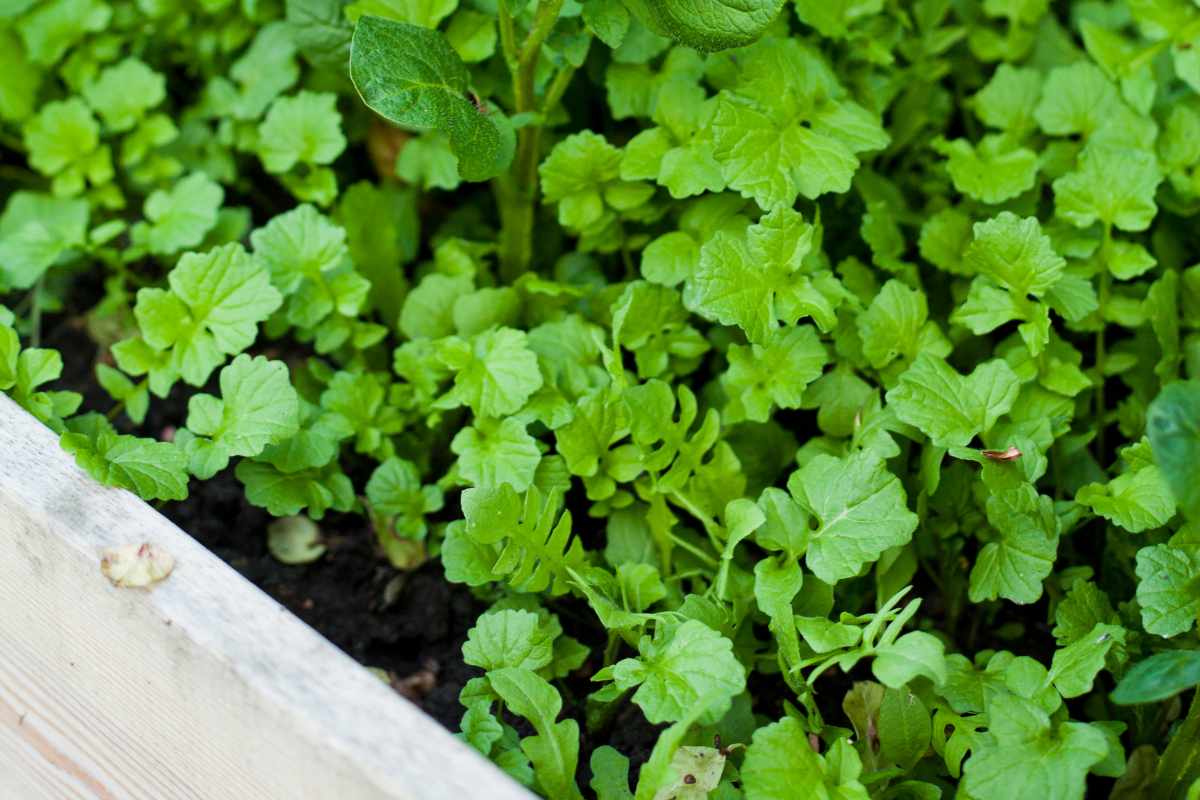
Early spring is the right moment to plant potatoes. The soil should be workable but not soggy.
Planting now gives the tubers time to establish before the hotter months, which leads to healthier plants and better yields.
Steps to Plant Potatoes
1. Choose Seed Potatoes
Start with certified seed potatoes from a garden center or trusted source.
They come in different varieties, such as russet, Yukon gold, or red potatoes, so you can pick depending on whether you prefer fluffy baked potatoes or smooth ones for boiling.
2. Cut and Cure
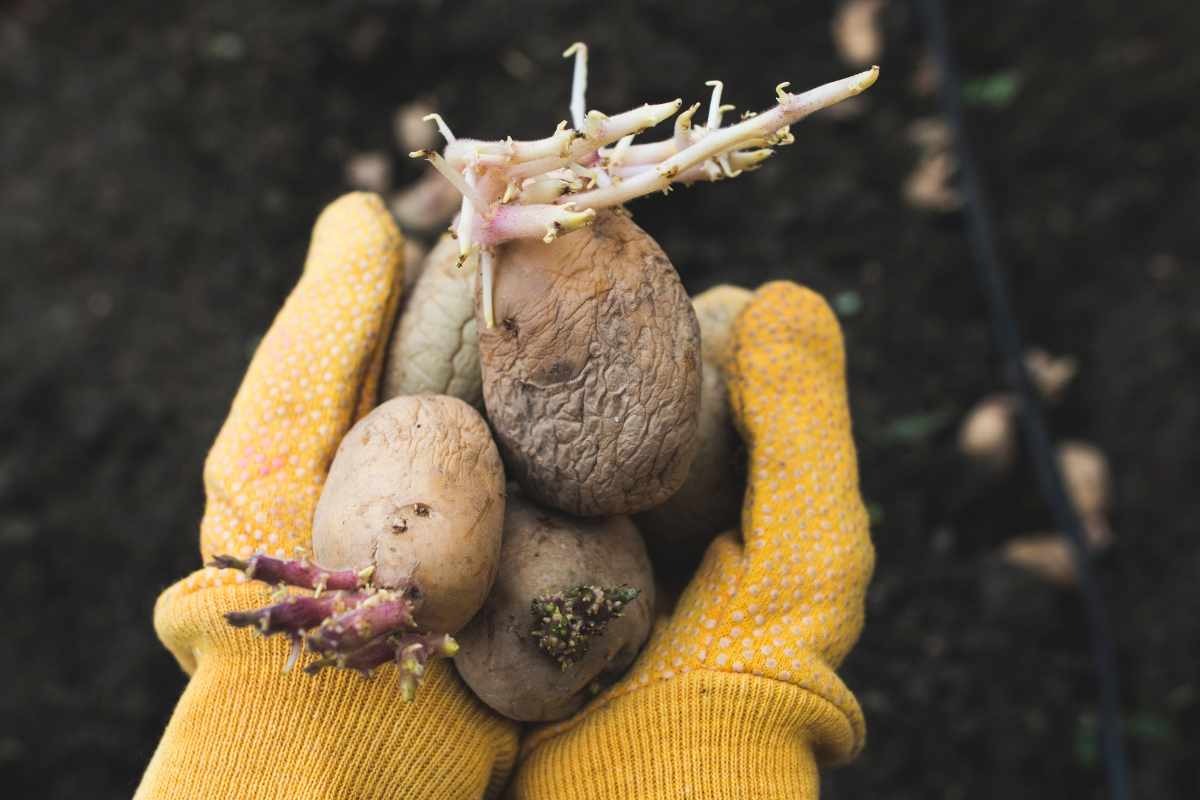
If your seed potatoes are large, cut them into smaller chunks, making sure each piece has at least one “eye” (the small sprout).
Let the cut pieces dry for a day or two before planting so they don’t rot in the soil.
3. Prepare the Soil
Loosen the soil in your garden bed or container, and mix in compost or organic matter.
Good drainage is important, since potatoes don’t do well in heavy, waterlogged soil.
4. Planting
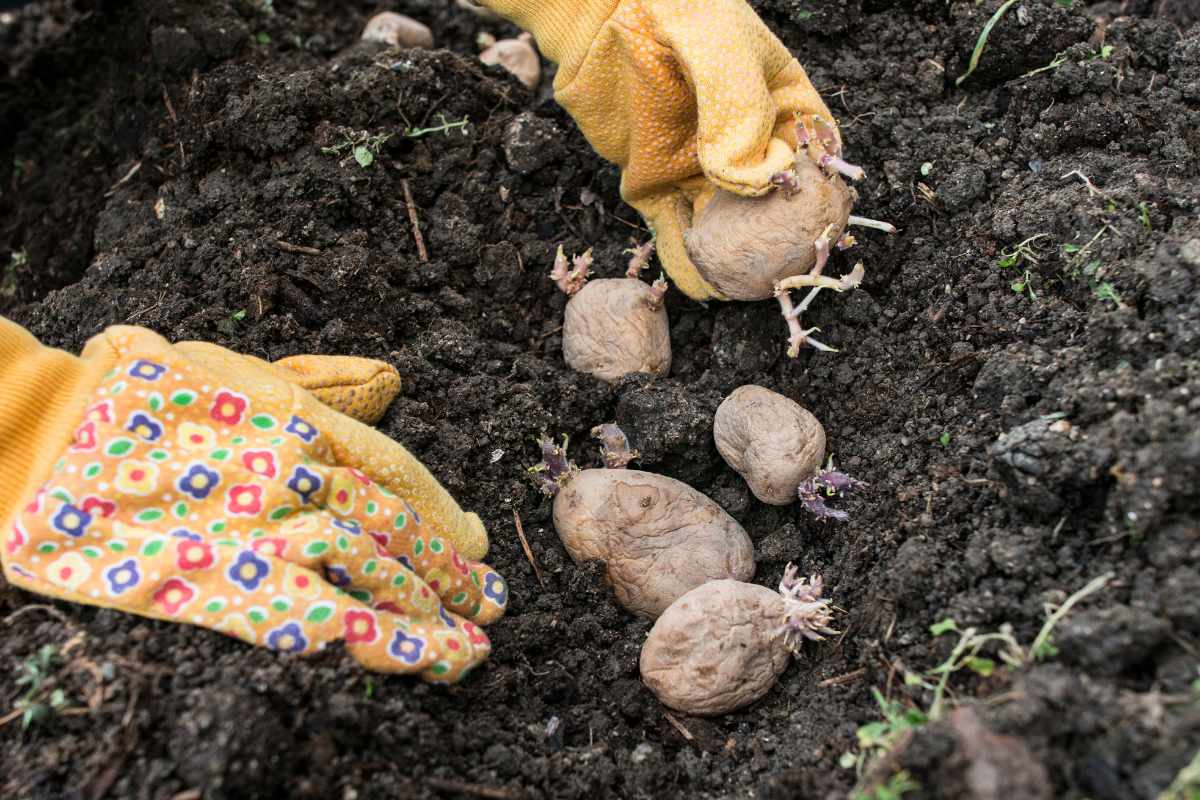
Dig shallow trenches about 3 inches deep and place each potato piece 12 inches apart.
Leave about 2–3 feet between rows. Cover lightly with soil.
5. Hill as They Grow
When the plants reach about 6–8 inches tall, mound soil around the base.
This is called “hilling,” and it encourages more potatoes to form while keeping them covered from sunlight.
You’ll need to repeat this a couple of times as the plants grow.
6. Water and Care
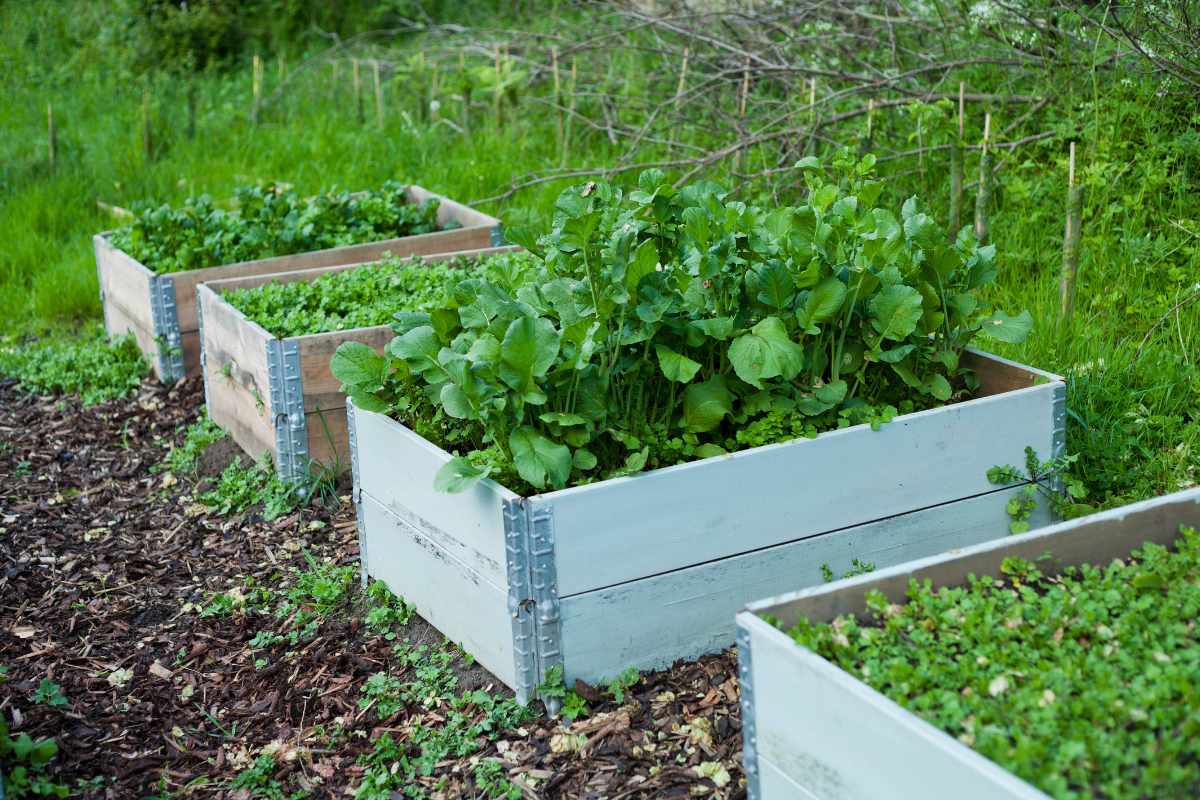
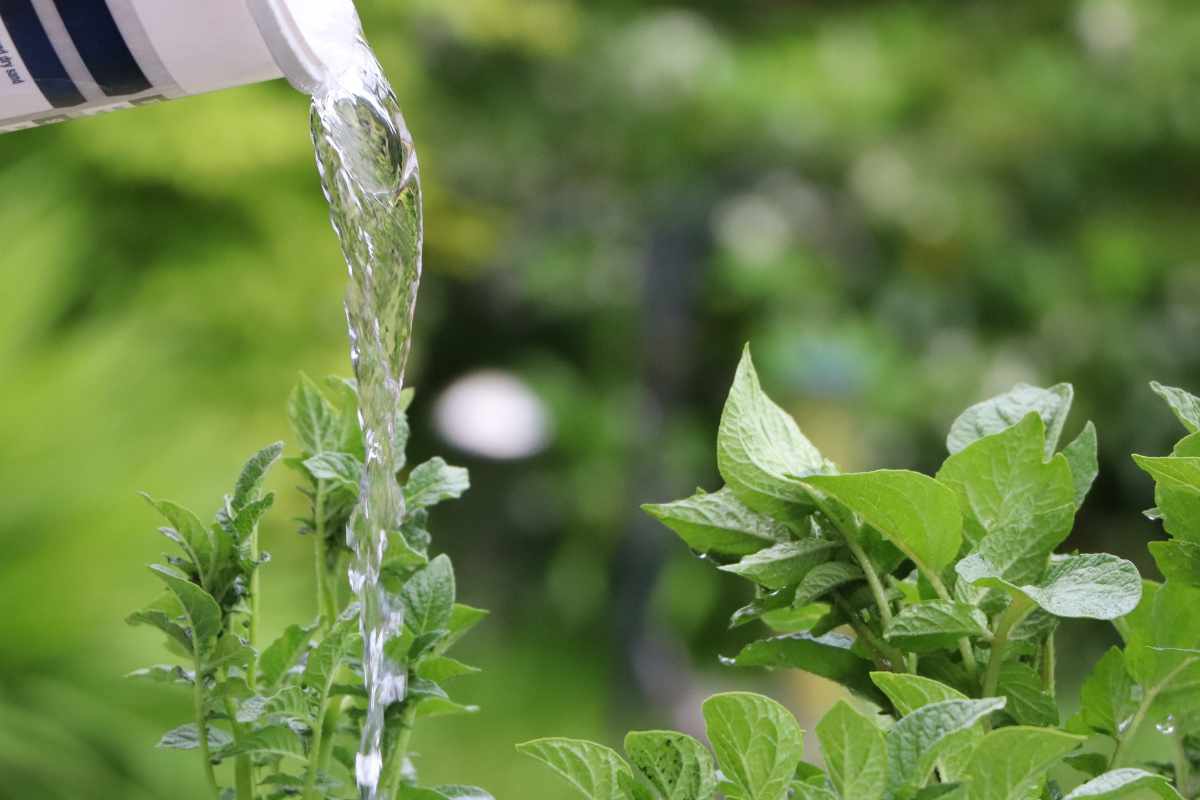
Keep the soil consistently moist but not soaked. Potatoes appreciate steady watering, especially once they start forming tubers.
Check your plants now and then for pests like beetles and remove them early if you spot them.
Harvest Time
Potatoes are usually ready once the plants flower and the foliage starts to yellow.
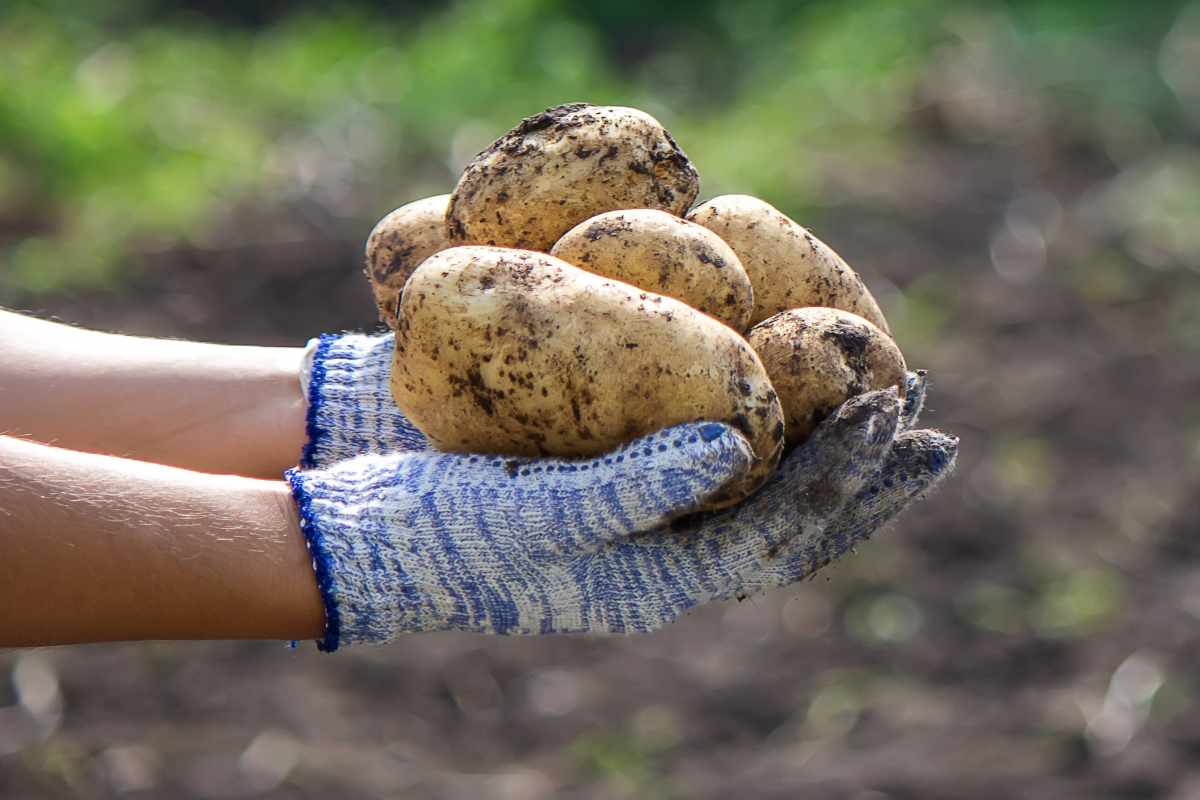
Dig gently with a garden fork to avoid damaging the tubers. Pulling them out of the soil is one of the most satisfying moments in gardening.
You’ll likely find a mix of sizes, all perfect for roasting, mashing, or storing.
Final Thoughts
Planting potatoes doesn’t require special skills—just a bit of patience and care.
Whether you have a large garden bed or just a few containers, it’s an easy way to grow your own food and enjoy the freshness of homegrown potatoes at your table.
Enjoy the video tutorial below for a visual walkthrough!
Enjoy the Video Tutorial

Source: Garden Answer
Did you find this post useful or inspiring? Save THIS PIN to your Gardening Board on Pinterest!😊

More Gardening Tips 👇🏼👇🏼