
How to Prune Fig Trees!


Pruning your fig tree is essential for maintaining its health and ensuring it produces abundant, high-quality fruit.
Whether you're a seasoned gardener or a beginner, understanding the right pruning techniques can make all the difference.
In this guide, we’ll walk you through the step-by-step process of pruning your fig tree, highlighting the best tools, seasonal timing, and common mistakes to avoid.
Understanding Fig Trees
Fig trees are known for their sprawling branches and impressive fruit production.
There are many varieties of fig trees, but they all require regular maintenance to stay healthy. Proper pruning helps to:
Encourage stronger growth
Enhance fruit production
Prevent disease and pests
Maintain a manageable size
Pruning is more than just cutting branches; it's about shaping your tree for the long term.
By learning when and how to prune, you'll set your fig tree up for success.

Essential Pruning Tools and Safety Tips
Before you begin, it's important to have the right tools and take necessary safety precautions:
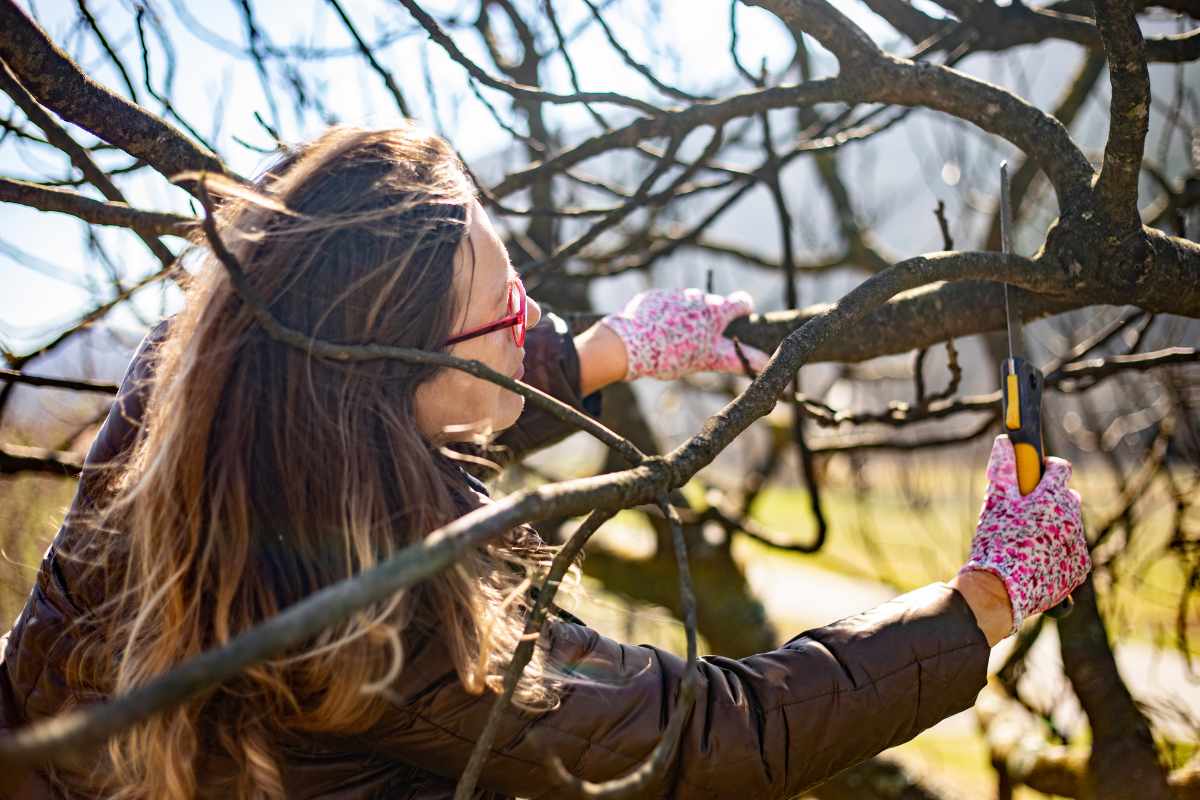
Pruning Shears: Choose sharp, clean pruning shears that can make precise cuts.
Loppers: For thicker branches, loppers provide greater leverage and control.
Gloves: Protect your hands from sharp branches and potential skin irritation from sap.
Disinfectant: Clean your tools before and after use to prevent the spread of diseases.
Safety Tip: Always wear gloves and safety glasses when pruning, especially when working with larger branches.
Step-by-Step Pruning Guide
1. Pruning Fig Trees in Early Growth (First Winter)
In the first winter after planting your fig tree, focus on establishing a strong foundation.
Prune lightly to encourage the growth of sturdy branches and a well-structured frame.
Remove any dead or damaged wood.
Cut back any weak or spindly growth.
Keep 3 to 5 main branches, evenly spaced around the tree.

2. Pruning to Establish Fruiting Wood (Second Dormant Season)
Once your tree enters its second dormant season, it's time to start shaping it for future fruit production.
At this stage, you’ll need to encourage new growth by cutting back older wood.
Cut back the previous year’s growth to about one to two buds. This encourages fruiting.
Remove any suckers or shoots that grow from the base of the tree.
Focus on the central leader (the main stem), ensuring it is strong and upright.
3. Ongoing Maintenance Pruning (Annually)
As your fig tree matures, it’s essential to maintain its shape and encourage healthy fruit production through regular pruning.
Remove any dead, diseased, or crossing branches.
Thin out overcrowded branches to allow for better airflow.
Cut back any vertical shoots that grow too high, as figs produce fruit on horizontal branches.
Seasonal Pruning Tips
Pruning is best done during specific times of the year to promote healthy growth:
Late Winter to Early Spring (Before New Growth): This is the ideal time for most pruning activities, as the tree is dormant and energy is focused on its roots and base structure.
Summer Pruning: Lightly prune during the growing season to remove any unwanted shoots or branches that disrupt the tree’s shape. Avoid heavy pruning during summer, as it may affect fruit production.
Avoid Fall Pruning: Pruning in the fall can stimulate growth too late in the season, leading to new shoots that may not survive the winter.
Common Pruning Mistakes to Avoid
To ensure your fig tree thrives, avoid these common pruning errors:
Over-Pruning: Cutting too much at once can harm the tree and reduce its fruit yield. Always prune gradually.
Pruning at the Wrong Time: Avoid pruning during the growing season or late in the fall.
Neglecting the Central Leader: If you remove too many central branches, the tree may lose its shape and have difficulty supporting fruit.

Give Your Fig Tree the Best Start
Pruning is an essential practice for anyone looking to grow healthy and fruitful fig trees.
By following the steps outlined in this guide and avoiding common mistakes, you can help your tree flourish.
Remember, pruning isn’t a one-time event but an ongoing process that will lead to better fruit production and a healthier tree.
Now that you know how to prune your fig tree properly, you’re ready to get started! Keep your tools sharp, stay consistent, and enjoy the rewards of a thriving fig tree.
Did you find this post Useful or Inspiring? Save THIS PIN to your Gardening Board on Pinterest! 😊

Once again, thank you for visiting our website!
We hope you've enjoyed exploring the content we've created for you.
Give yourself the chance to learn, get inspired, and have even more fun, keep browsing...
More Gardening Tips 👇🏼👇🏼