
How To Start a Vegetable Garden


Starting a vegetable garden can be an exciting and rewarding journey.
Whether you're aiming for fresh tomatoes, crunchy lettuce, or fragrant herbs, growing your own food not only helps you save money but also offers a sense of accomplishment.
While it may seem overwhelming at first, with the right approach, anyone can create a thriving vegetable garden. Let’s break it down step by step!
1. Plan Your Garden: Assess Space, Sunlight, and Vegetable Choices

Before diving into planting, take a moment to assess your available space and the growing conditions in your area.
Proper planning will ensure your garden is both successful and manageable.
Space: Do you have a spacious backyard, a small balcony, or just a sunny windowsill? Identify where you can place your garden. Even small spaces can support a productive garden if planned wisely.
Sunlight: Vegetables need at least 6-8 hours of sunlight daily. Track sunlight patterns around your space to ensure your garden will thrive in the right conditions.
Choose Your Vegetables: Start with easy-to-grow vegetables. Some great options for beginners include tomatoes, lettuce, radishes, carrots, and herbs like basil and parsley.
2. Prepare the Soil: Test and Amend
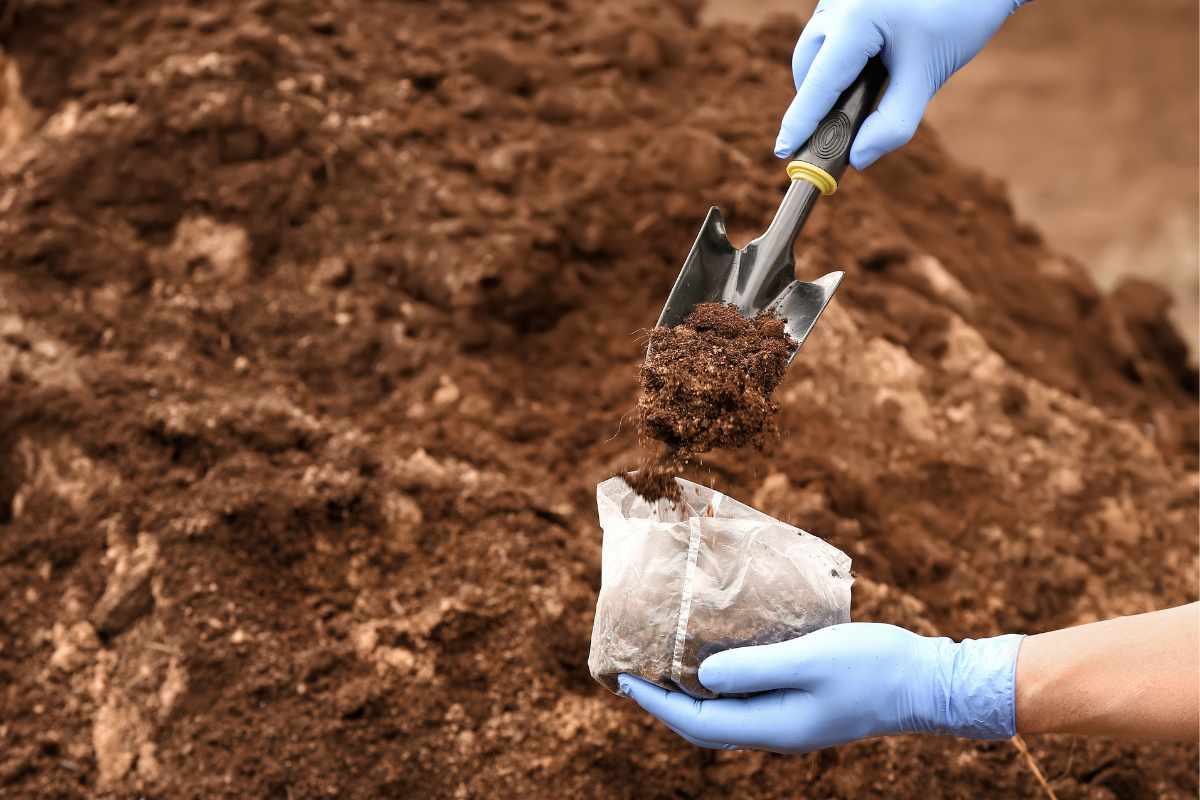
The soil is the foundation of your garden. Healthy soil leads to healthy plants.
Test the Soil: Before planting, it’s essential to know the quality of your soil. Consider testing your soil for pH levels, drainage, and nutrient content. Many garden centers offer affordable soil testing kits, or you can send a sample to a local agricultural extension office.
Amend the Soil: Based on your soil test results, you may need to amend your soil. Common amendments include compost, manure, and other organic materials to improve soil fertility and texture.
3. Planting: Get Your Seeds or Seedlings in the Ground
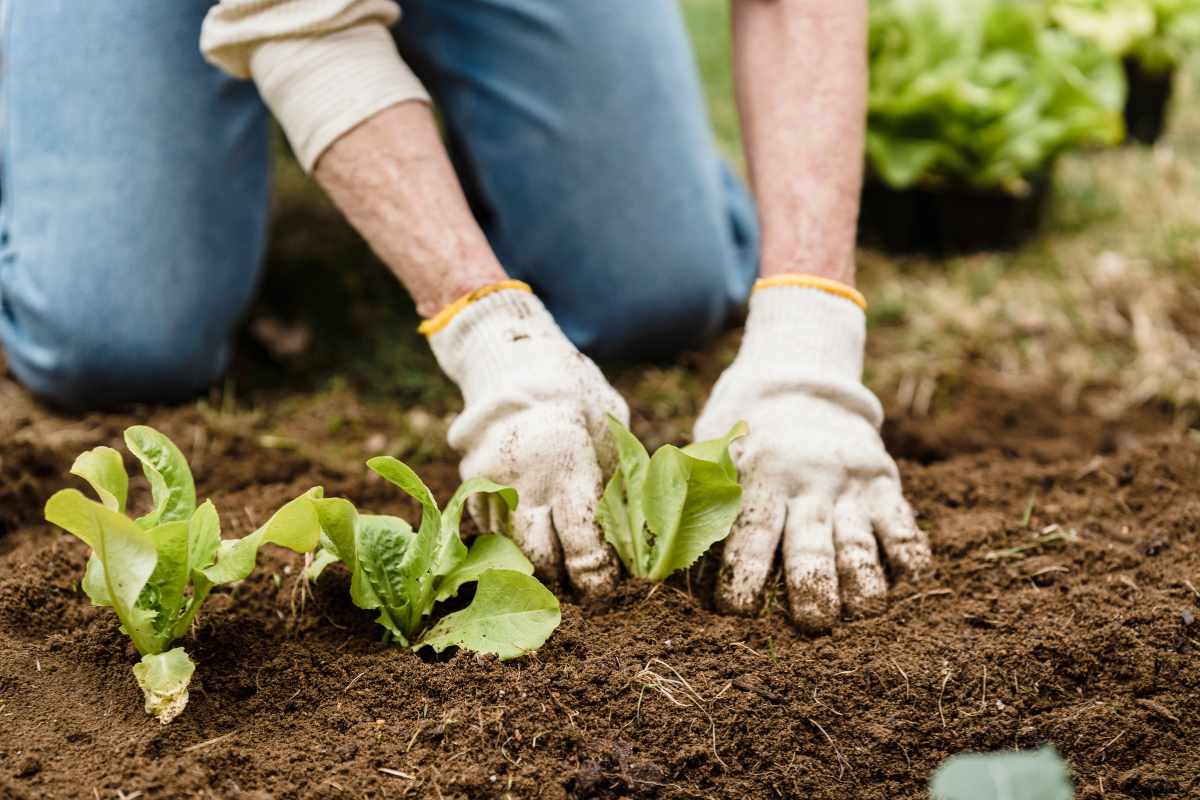
Now it’s time to plant! Follow these steps for successful planting:
Seed Starting: Some vegetables, like tomatoes and peppers, should be started indoors several weeks before the last frost date. Use seed trays or pots and provide warmth and light for optimal germination.
Transplanting: Once your seedlings are strong enough, harden them off by gradually introducing them to outdoor conditions before transplanting them into the garden.
Planting in the Ground: For direct planting, follow the instructions on the seed packets for spacing, planting depth, and timing. Ensure your plants have room to grow without overcrowding.
4. Watering and Mulching: Keep the Soil Moist and Protected
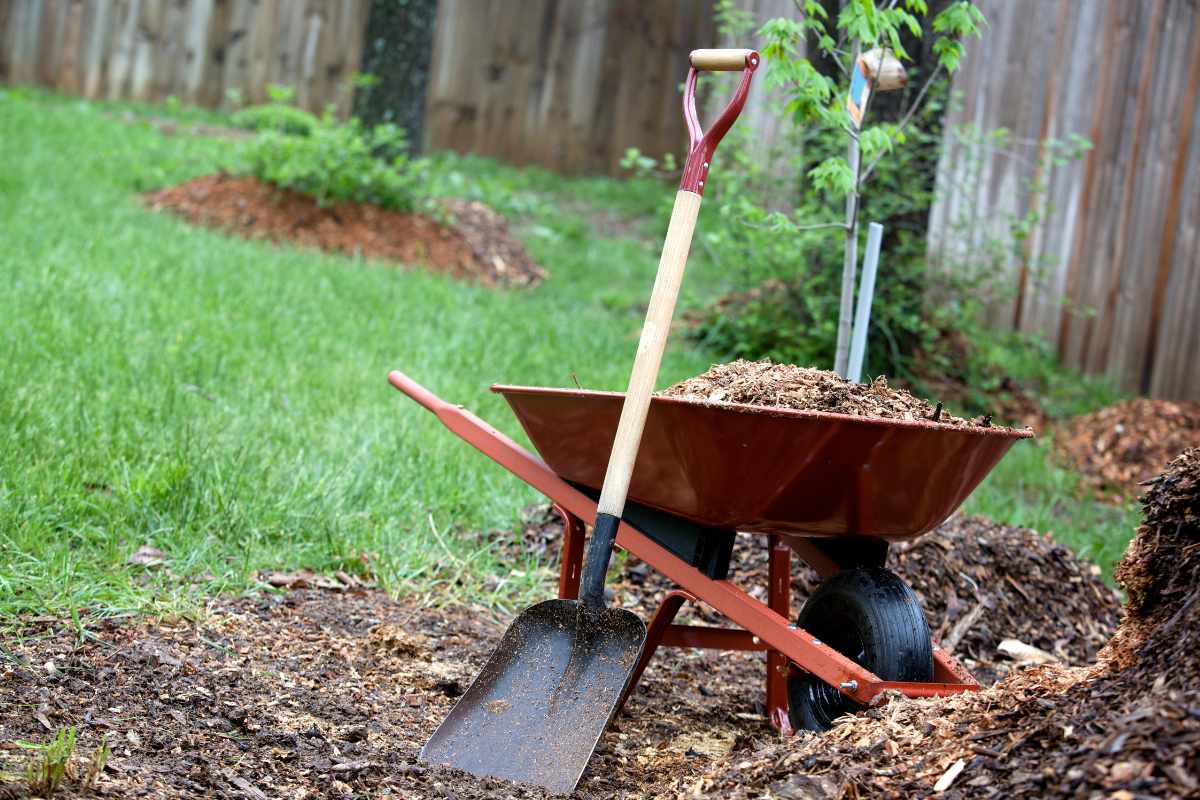
Watering and mulching are crucial for maintaining healthy plants.
Watering: Water your plants early in the morning or late in the evening to reduce evaporation. Deep watering helps the roots grow strong, so make sure to water thoroughly rather than frequently.
Mulching: Apply a 2-3 inch layer of mulch around your plants to retain moisture, suppress weeds, and regulate soil temperature. Organic mulches, such as straw or shredded leaves, break down over time and improve soil quality.
5. Maintenance: Keep Your Garden Healthy
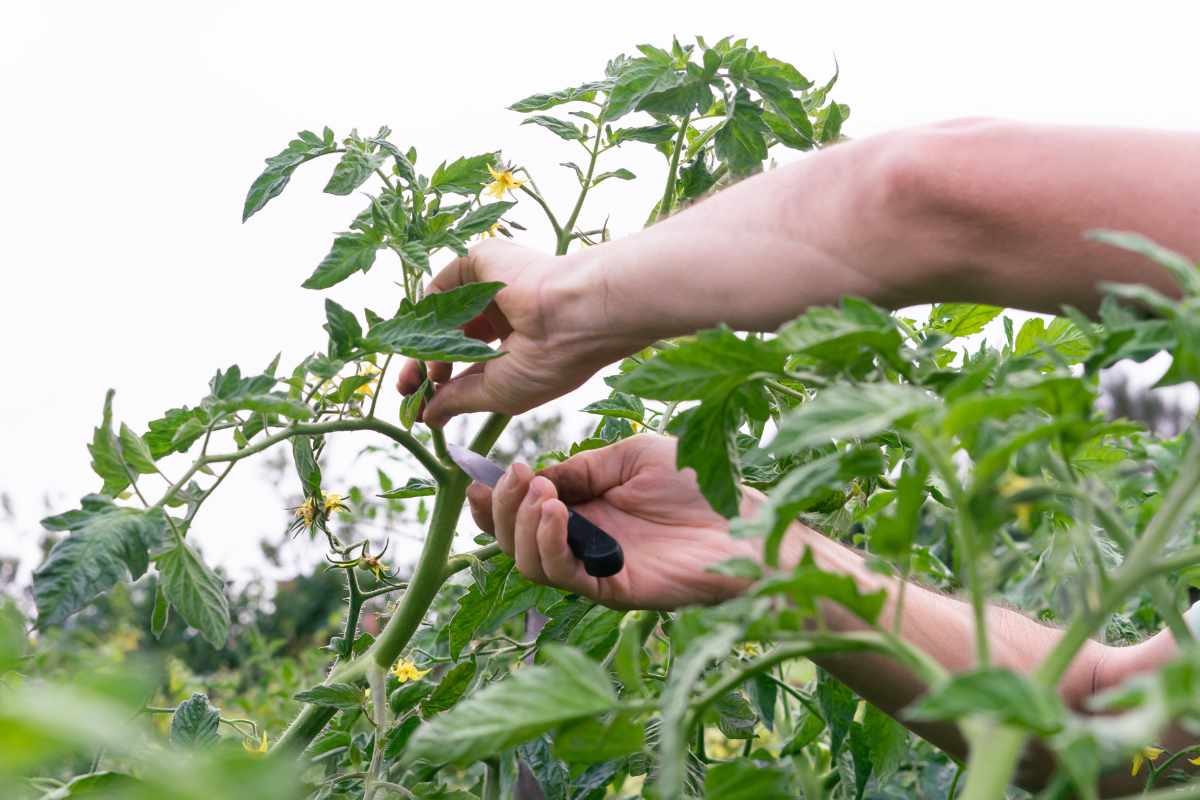
Regular maintenance will help your garden stay healthy and productive.
Pest Control: Keep an eye on your plants for pests. If you spot any, remove them by hand or use organic pest control methods like neem oil or insecticidal soap.
Pruning and Harvesting: Regularly prune dead or damaged leaves to keep plants healthy. Harvest vegetables as they ripen to encourage further growth and enjoy the fruits of your labor.
6. Harvesting: Know When to Pick
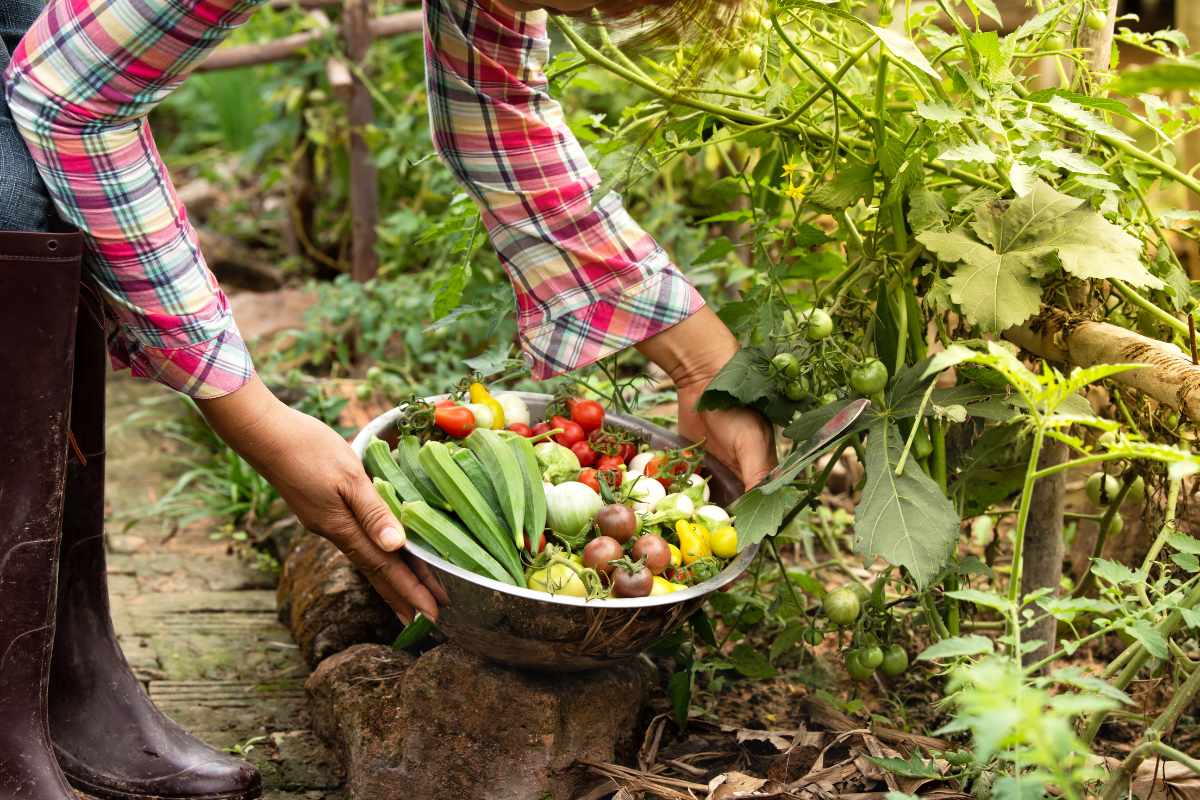
The excitement of harvesting is what many gardeners look forward to!
Timing: Every vegetable has its own ideal harvest time. Check seed packets or online resources for specific harvest guidelines for each plant.
Technique: Use sharp scissors or pruning shears to avoid damaging the plant. For some vegetables, like tomatoes, it’s best to pick them when they are fully ripe for maximum flavor.
7. Additional Tips: Gardening in Small Spaces
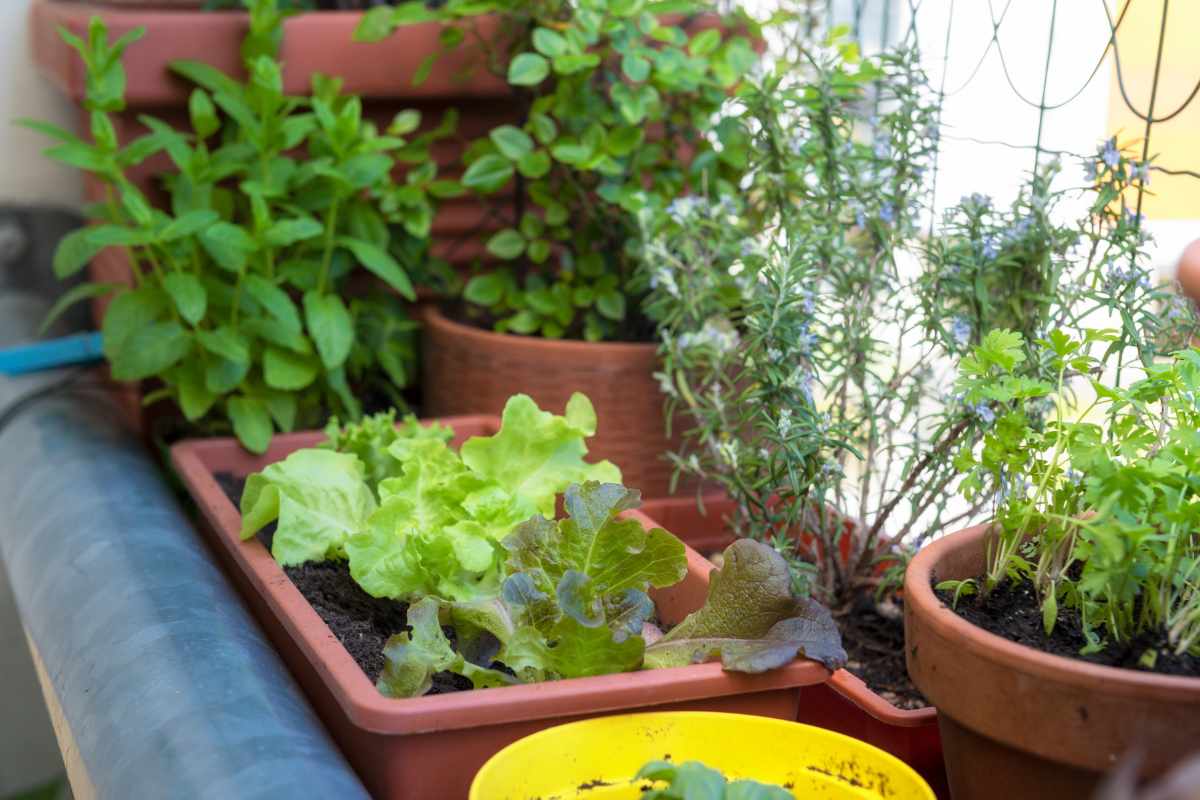
Don’t have a backyard? No problem! Here are some tips for gardening in small spaces:
Container Gardening: Many vegetables, such as tomatoes, peppers, and herbs, thrive in containers. Choose pots that are large enough to accommodate the plant’s root system.
Vertical Gardening: Use trellises, towers, or hanging baskets to grow climbing vegetables like cucumbers, beans, or peas.
Community Gardens: If you don’t have the space at home, consider joining a local community garden to grow your vegetables.
8. Resources and Tools for a Successful Garden

To help you along the way, here are some essential tools and resources:
Garden Tools: Invest in a good set of basic gardening tools such as a trowel, pruners, watering can, and a rake.
Compost and Soil Amendments: Organic compost is essential for improving soil quality. You can also use homemade compost or purchase it from a garden store.
Online Resources: Websites like Gardening Know How and local gardening forums can provide additional tips tailored to your region.
Ready to Start?
Starting a vegetable garden is not only about growing your own food, but it’s also about connecting with nature and enjoying the process of nurturing life.
By following these simple steps, you’ll be on your way to growing a successful and bountiful garden.
Don’t wait—start planning, planting, and harvesting today!
Enjoy This Video Tutorial
source: Carrie Rad
Don’t forget to Subscribe to our Newsletter to receive amazing tips and tricks about Gardening and the FREE Ebook Green Living Strategies!
Did you find this post Useful or Inspiring? Save THIS PIN to your GARDENING Board on Pinterest! 😊

Once again, thank you for visiting our website!
We hope you've enjoyed exploring the content we've created for you.
Give yourself the chance to learn, get inspired, and have even more fun, keep browsing...
More Gardening Tips 👇🏼👇🏼