
How to Grow Eggplant from Seed in Containers

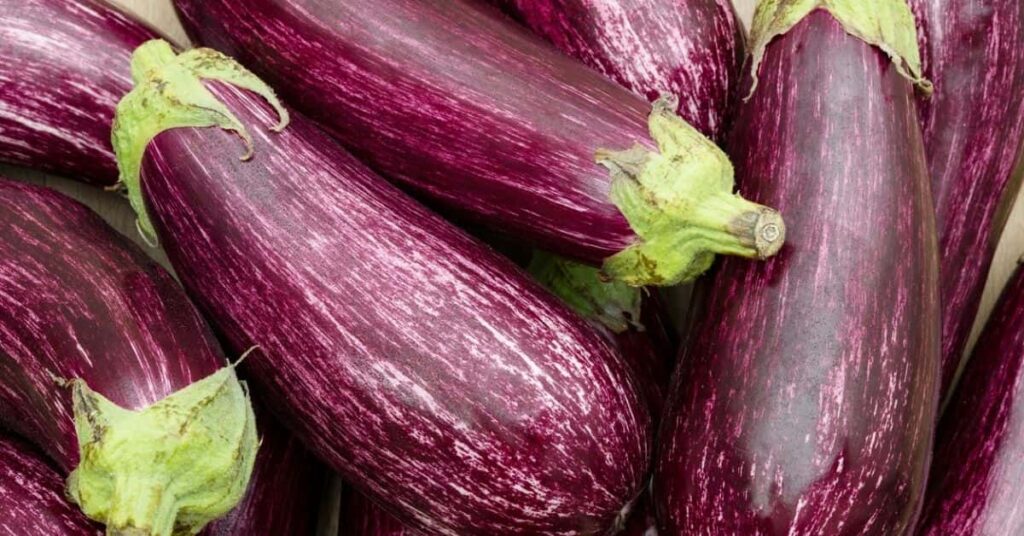
Growing eggplant in containers is an exciting way to bring fresh vegetables to your balcony, patio, or backyard.
Whether you are short on space or simply want to enjoy the challenge of container gardening, starting eggplant from seed is easier than you might think.
With the right setup, patience, and a bit of care, you can harvest glossy purple fruits that taste far better than anything from the store.
In this guide, we’ll walk you through everything you need to know—from choosing seeds to harvesting ripe fruits—so you can succeed with your container-grown eggplants.
Choosing the Right Eggplant Variety
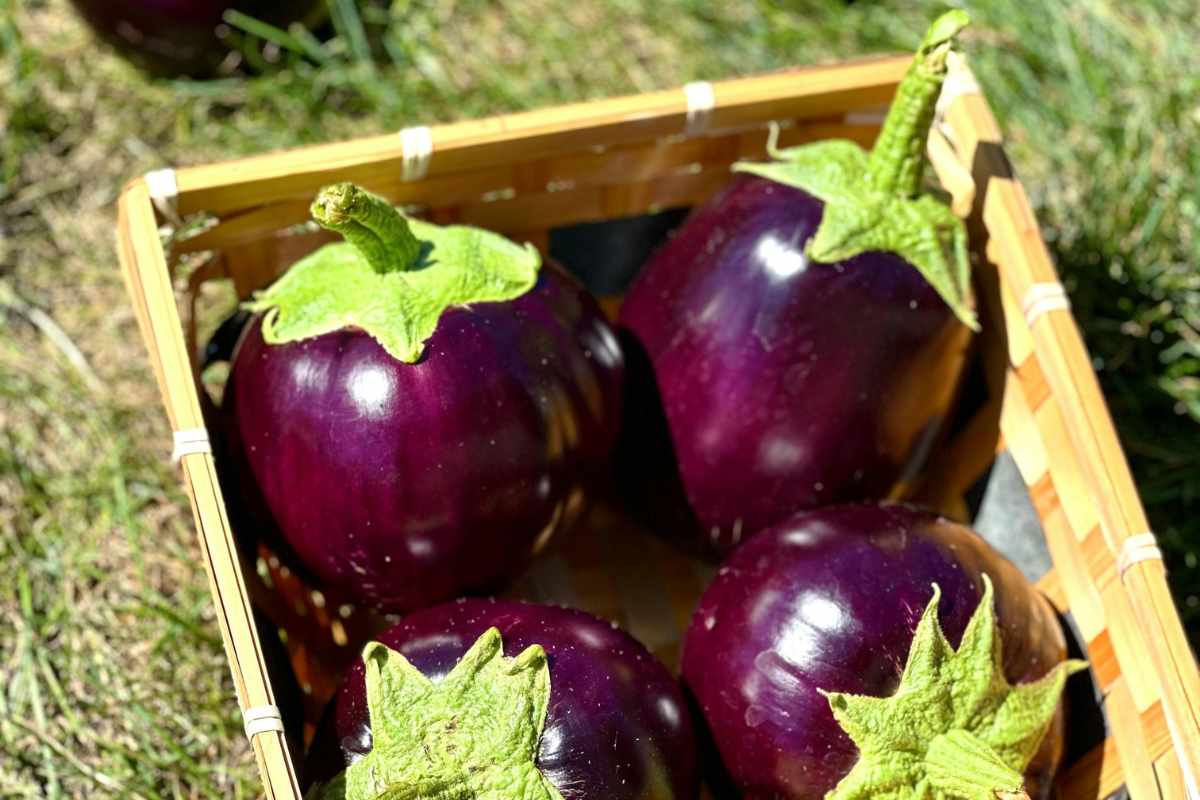
Not every eggplant variety thrives in pots, so selecting the right one makes a big difference.
Compact or dwarf types are best suited for containers. Some popular options include:
Fairy Tale – A small plant with tender, striped fruits.
Hansel – Produces clusters of small eggplants, perfect for frequent harvests.
Patio Baby – Specifically bred for container growing, compact and highly productive.
When shopping for seeds, look for varieties labeled as “container-friendly” or “compact.” These are more likely to give you a healthy harvest without taking over your limited space.
When and How to Start Seeds

Eggplants love warmth, so timing is crucial.
Start seeds indoors 8–10 weeks before your last expected frost.
Maintain a soil temperature of 75–85°F (24–29°C) for successful germination.
Use a seed-starting mix rather than garden soil to ensure good drainage and aeration.
Plant seeds about ¼ inch deep and keep the soil consistently moist but not soggy. Germination usually takes 7–14 days.
Once seedlings develop two to three sets of true leaves, they are ready for thinning and eventual transplanting.
Preparing the Best Container
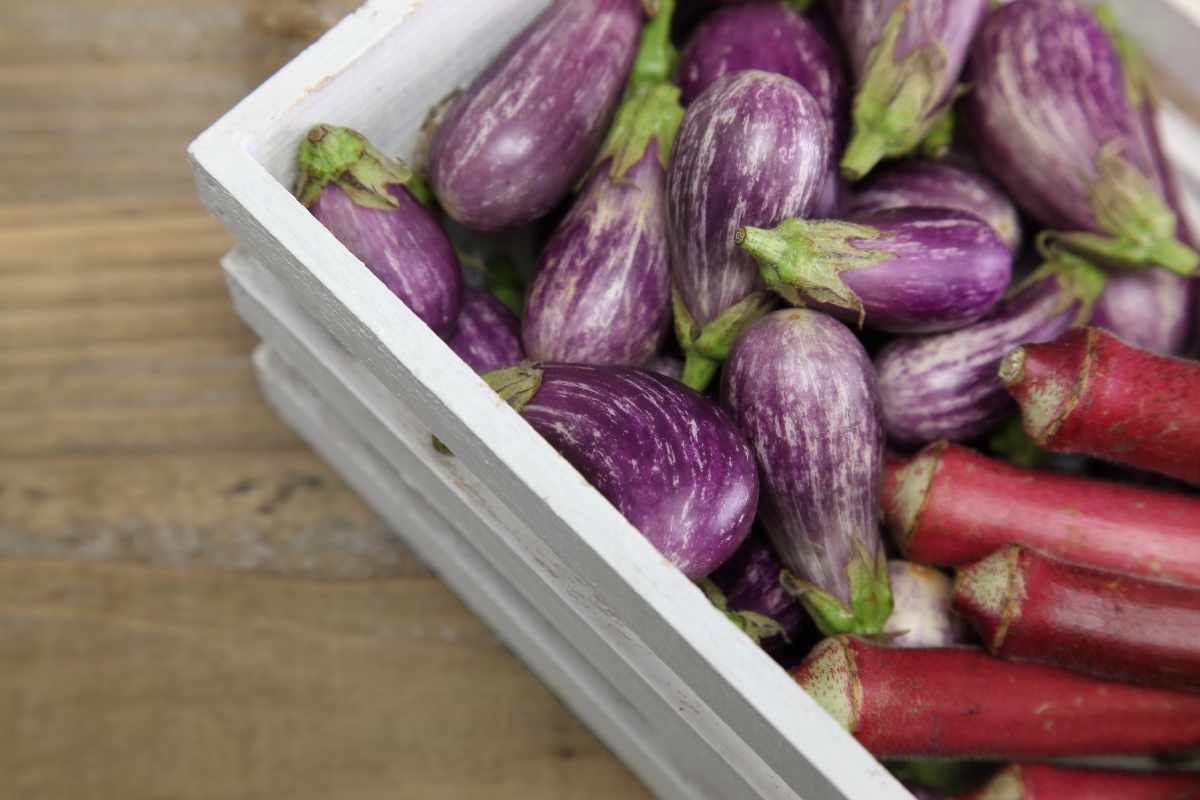
Eggplants are heavy feeders and need room to grow.
A proper container setup will support their development.
Size: Choose a pot that holds at least 5 gallons of soil per plant. Bigger is better, as it prevents the roots from becoming restricted.
Material: Plastic, ceramic, or fabric grow bags all work well. Fabric pots encourage healthy root growth.
Drainage: Ensure there are several drainage holes at the bottom to prevent waterlogging.
Pro tip: If you’re growing multiple plants, use one container per eggplant to avoid competition for nutrients.
The Perfect Soil Mix
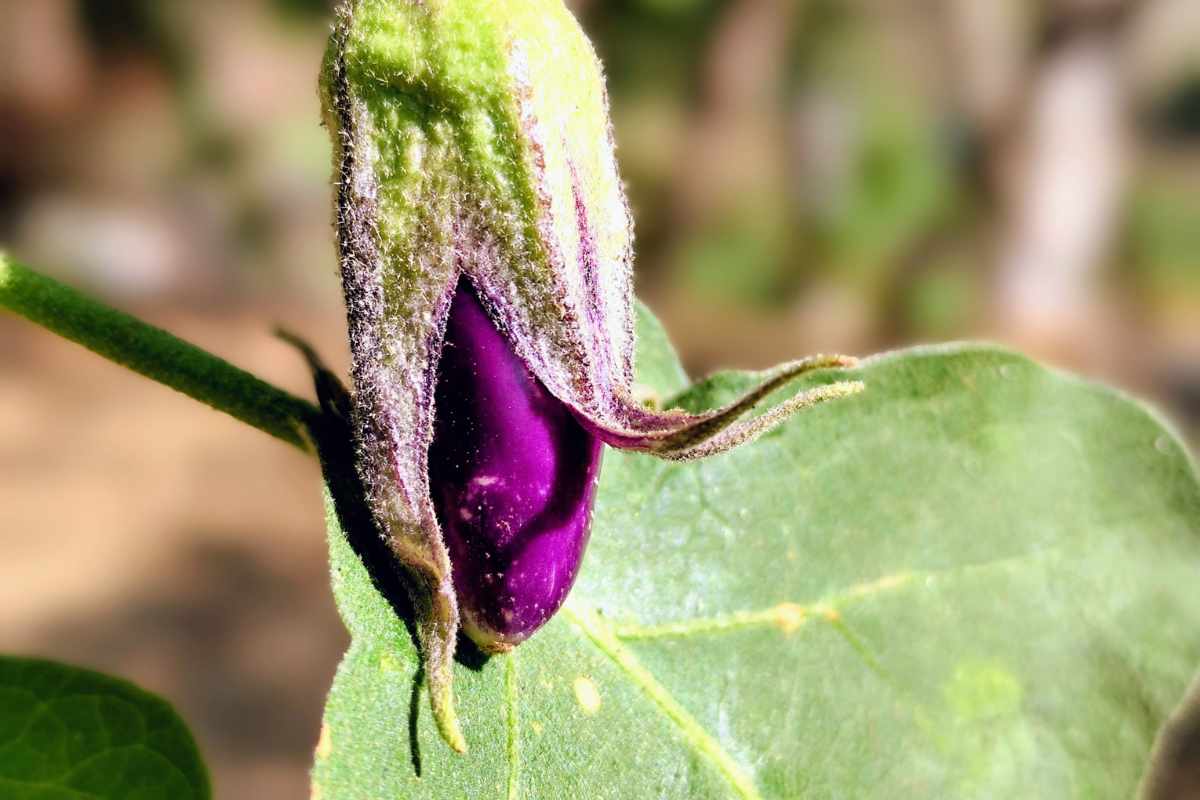
Eggplants prefer soil that is nutrient-rich, well-draining, and slightly acidic to neutral (pH 5.8–6.5).
A good container mix might include:
2 parts high-quality potting mix
1 part compost for nutrients
1 part perlite or coarse sand for drainage
Mix in a slow-release fertilizer before planting to give your seedlings a head start.
Transplanting Seedlings
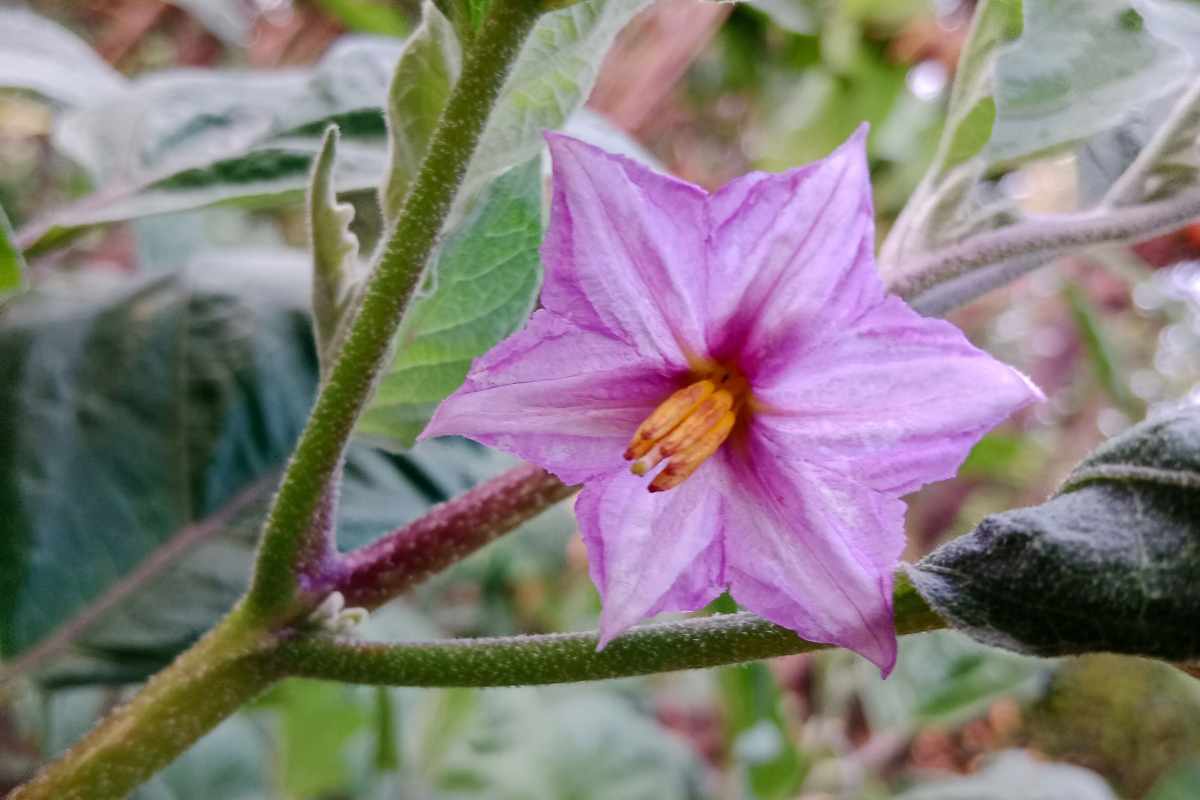
When seedlings are 6–8 inches tall and outdoor temperatures are consistently warm (night temperatures above 55°F / 13°C), they’re ready for transplanting.
Harden off the seedlings by gradually introducing them to outdoor conditions over 7–10 days.
Place one seedling per container.
Plant at the same depth as in the seed tray, gently firming the soil around the base.
Water thoroughly after transplanting to help roots establish.
Sunlight and Location
Eggplants need at least 6–8 hours of full sun each day. Choose a spot that receives direct sunlight and has protection from strong winds.
On balconies or patios, position containers where they get maximum exposure to light—south-facing areas are ideal in the Northern Hemisphere.
Watering and Fertilizing
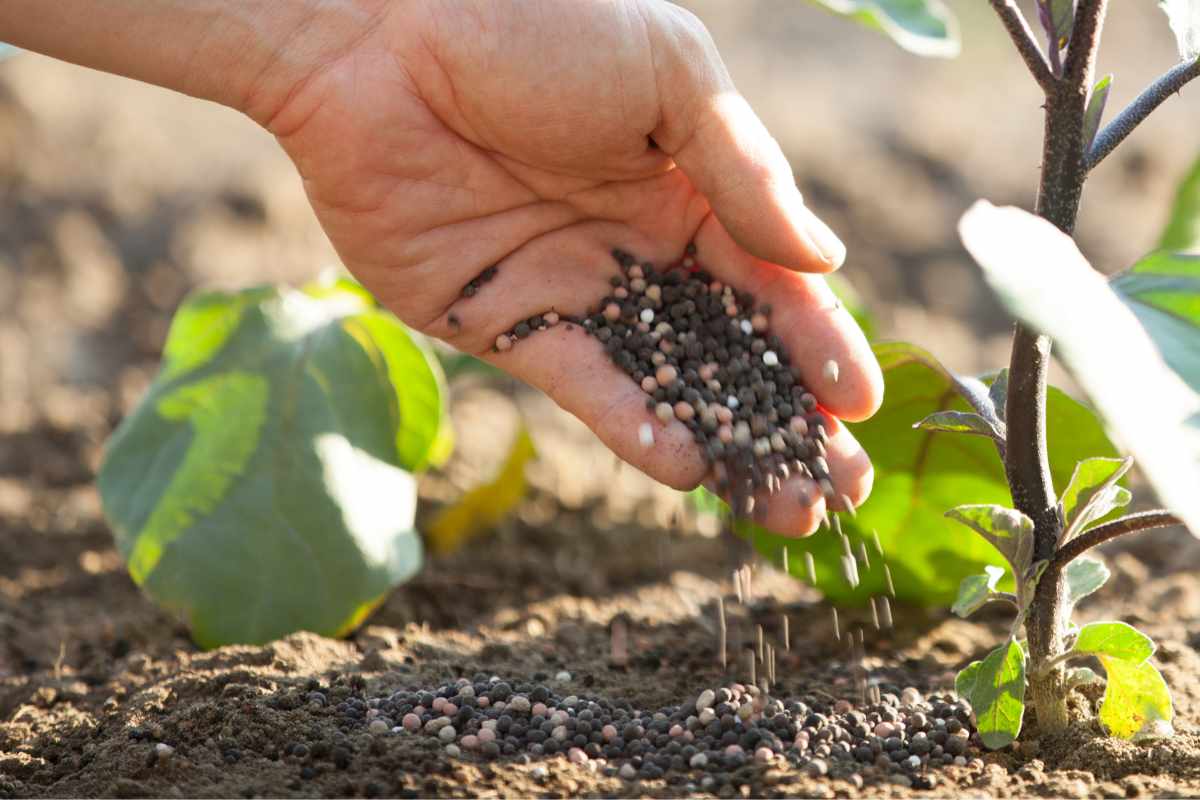
Consistency is key when growing eggplants.
Watering: Keep soil evenly moist but never waterlogged. Deep watering once or twice a week is better than frequent light watering. Mulching the top of the soil helps retain moisture.
Fertilizing: Apply a balanced liquid fertilizer every two weeks once plants start growing vigorously. Switch to a fertilizer higher in phosphorus and potassium once flowering begins to encourage fruiting.
Common Pests and Problems
Container gardening reduces some risks, but eggplants can still attract pests. Watch out for:
Aphids and whiteflies – Control with insecticidal soap or neem oil.
Flea beetles – Cover young plants with row covers until they are well established.
Spider mites – Increase humidity and spray leaves with water to discourage them.
Yellowing leaves, blossom drop, or stunted growth often point to watering or temperature stress. Maintaining consistent care helps avoid these issues.
Harvesting Eggplants
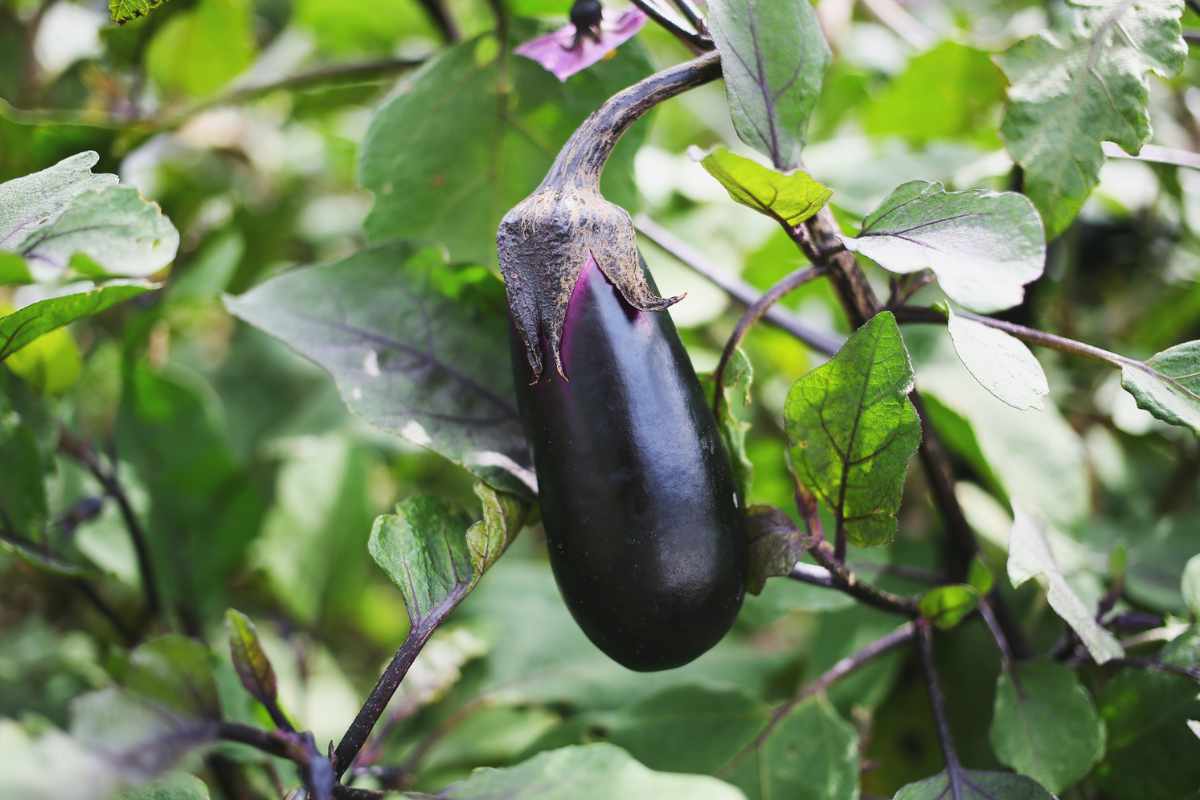
The most rewarding part, of course, is the harvest.
Eggplants are ready to pick when the skin is glossy and firm.
If the skin looks dull, the fruit may be overripe and seedy.
Cut the stem with sharp scissors or pruners, leaving about an inch attached to the fruit.
Frequent harvesting encourages the plant to produce more fruits throughout the season.
Enjoying Your Homegrown Eggplants
There’s nothing quite like the satisfaction of picking fresh eggplants from your balcony or backyard.
With the right variety, proper soil, and attentive care, container-grown eggplants can be just as productive as those in the ground.
Whether you grill them, roast them, or make a creamy baba ganoush, the flavor of homegrown eggplants will always surpass supermarket produce.
Start with seeds, nurture your plants, and enjoy the rewarding journey of container gardening.
Don’t forget to Subscribe to our Newsletter to receive amazing tips and tricks about Gardening and the FREE Ebook Green Living Strategies!
Did you find this post Useful or Inspiring? Save THIS PIN to your GARDENING Board on Pinterest! 😊

Once again, thank you for visiting our website!
We hope you've enjoyed exploring the content we've created for you.
Give yourself the chance to learn, get inspired, and have even more fun, keep browsing...
More Gardening Tips 👇🏼👇🏼