
Make your Own Homemade Fungicide, Organic and Cheap


Organic gardening is not only healthier for your plants but also better for the environment and your wallet.
If you’re looking for a natural and cost-effective alternative to commercial fungicides, this guide will show you how to make your own homemade fungicide using common, effective ingredients.
Why Use Homemade Fungicides?
Homemade fungicides are eco-friendly, as they are free from synthetic chemicals that can harm the ecosystem.
They are also cost-effective, made with affordable, everyday ingredients that won’t break the budget.
Despite being natural, they remain effective, working against common fungal problems such as powdery mildew, blight, and rust.
Effective Homemade Fungicide Recipes
1. Baking Soda and Liquid Soap
Ingredients:
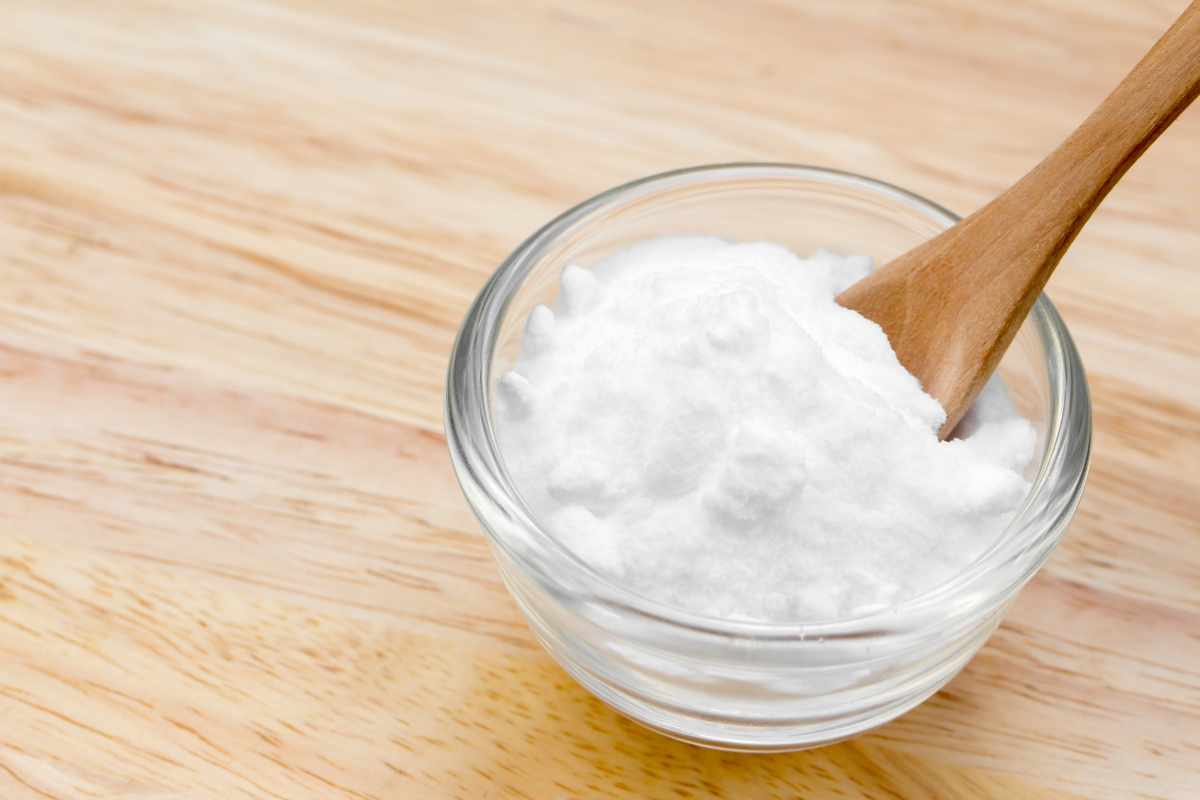
1 tablespoon baking soda
1 teaspoon liquid soap (preferably biodegradable)
1 liter of water
Instructions:
Dissolve the baking soda in water.
Add the liquid soap and mix well.
Spray on affected leaves, making sure to cover both sides.
Best for: Powdery mildew and rust.
2. Apple Cider Vinegar
Ingredients:
2 tablespoons apple cider vinegar
1 liter of water

Instructions:
Mix the vinegar into the water.
Spray on affected plants, avoiding direct contact with roots.
Tip: Use sparingly, as vinegar can alter soil pH.
3. Milk and Water
Ingredients:
1 part milk
9 parts water

Instructions:
Mix thoroughly.
Apply to leaves affected by powdery mildew.
Benefit: Adds calcium to plants while acting as a natural fungicide.
4. Garlic and Vegetable Oil
Ingredients:
3 crushed garlic cloves
1 tablespoon vegetable oil
1 liter of water

Instructions:
Macerate garlic in oil for 24 hours.
Strain and mix with water.
Spray on affected plants.
Properties: Garlic has natural antifungal properties.
Application Tips
Test First: Apply a small amount on a single leaf to ensure no damage occurs.
Frequency: Reapply every 7–10 days or after heavy rain.
Best Time: Early morning or late afternoon to avoid direct sunlight.
Storage: Keep solutions in opaque containers in a cool, dry place.
Prevention and Maintenance
By following these simple preventive steps—maintaining proper spacing for good airflow, practicing controlled watering at the base of plants, and promptly removing infected leaves or plants—you can keep your garden healthy and minimize fungal problems.
Combining these habits with homemade, organic fungicides ensures a thriving, resilient garden that is both eco-friendly and cost-effective.
Enjoy This Video Tutorial

Source:
Don’t forget to Subscribe to our Newsletter to receive amazing tips and tricks about Gardening and the FREE Ebook Green Living Strategies!
Did you find this post Useful or Inspiring? Save THIS PIN to your GARDENING Board on Pinterest! 😊

Once again, thank you for visiting our website!
We hope you've enjoyed exploring the content we've created for you.
Give yourself the chance to learn, get inspired, and have even more fun, keep browsing...
More Gardening Tips 👇🏼👇🏼