
How to Grow Rosemary Super Easy


Rosemary (Rosmarinus officinalis) is one of the most rewarding herbs to grow.
It fills your garden with a fresh, pine-like scent, produces lovely blue flowers, and adds incredible flavor to countless dishes.
Even better — once it’s established, it requires very little care. If you’ve ever wanted to grow rosemary effortlessly, this guide will show you exactly how.
Choosing the Right Spot and Variety
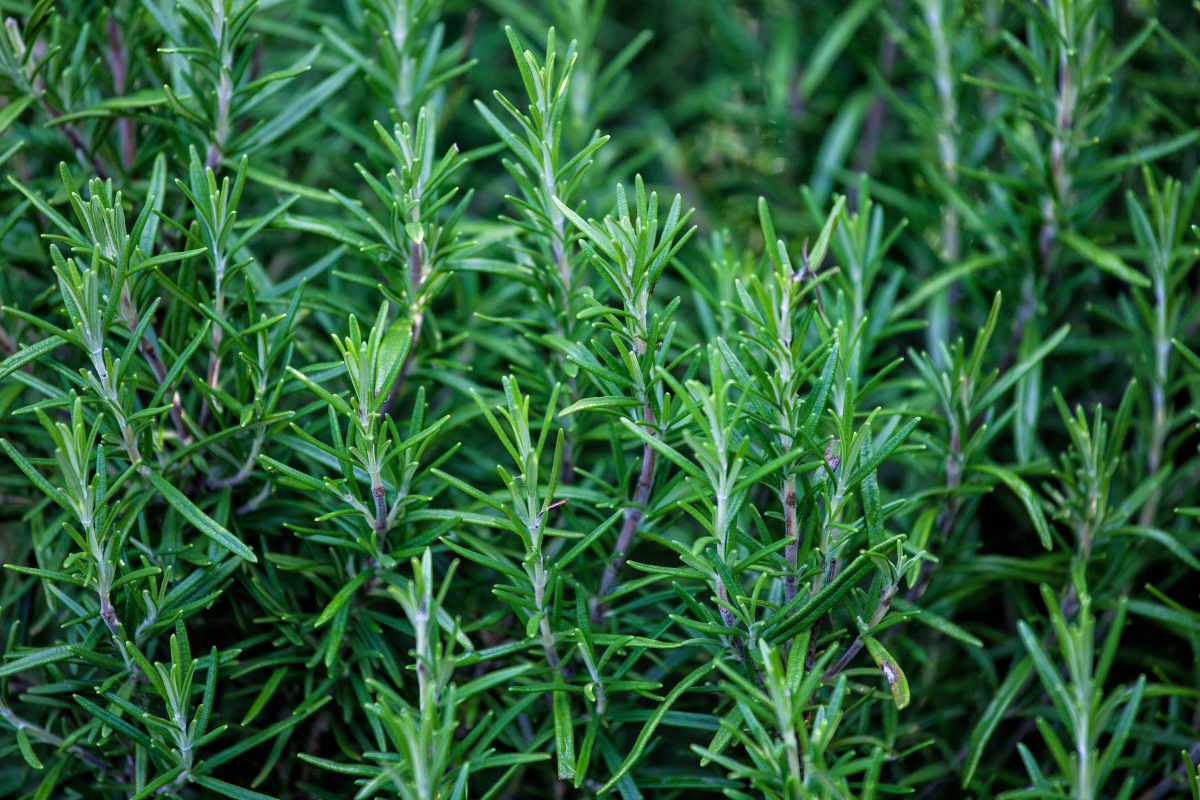
Rosemary loves sunlight — it needs at least 6–8 hours of full sun daily.
Choose a well-drained location, whether in your garden or a large pot with drainage holes.
If you live in a cold area, grow rosemary in containers so you can move it indoors during winter.
Popular varieties include:
Tuscan Blue: tall, upright, and very aromatic.
Prostratus: a creeping type, ideal for hanging baskets or borders.
Arp: one of the most cold-tolerant varieties.
Soil and Planting Tips
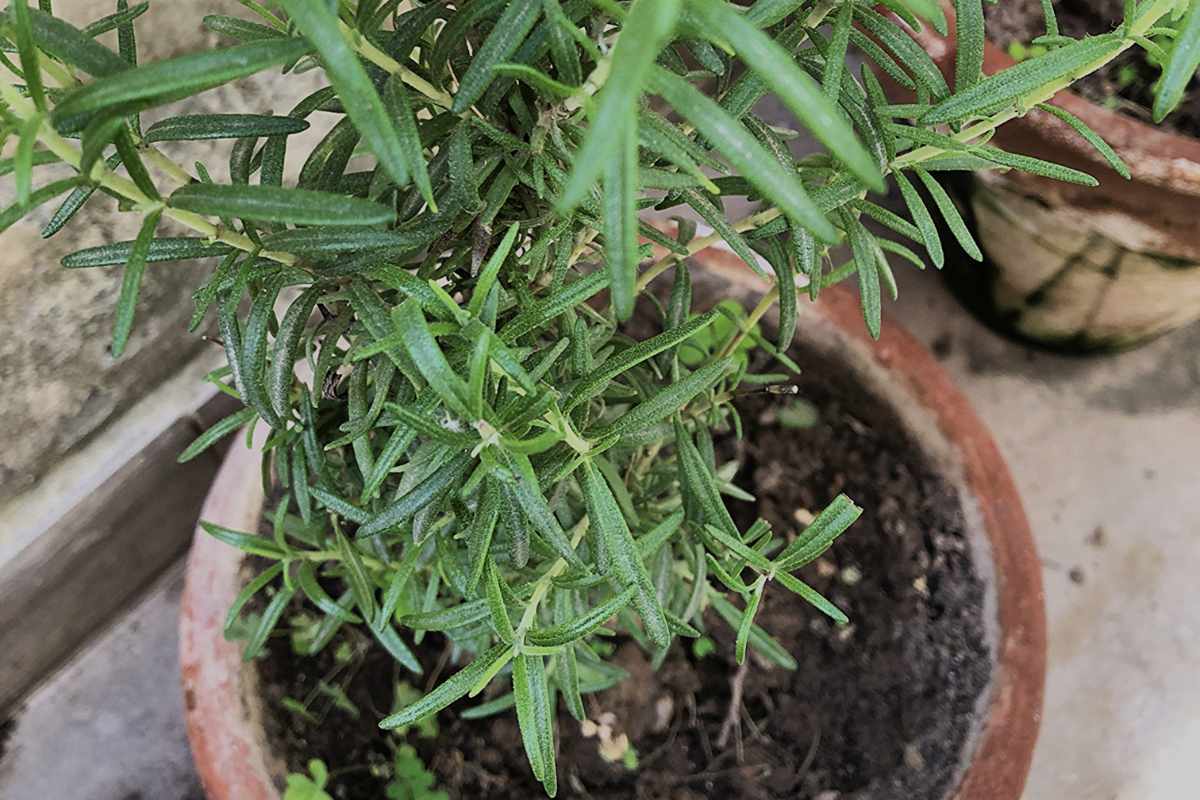
The key to happy rosemary is excellent drainage. It hates wet roots.
Use a light, sandy soil mix or combine potting soil with a bit of perlite or coarse sand. Keep the pH slightly alkaline to neutral (6.5–7.5).
When planting:
Space plants about 2–3 feet apart.
Set them at the same depth they grew in their nursery pots.
Water the well right after planting, then let the soil dry slightly before watering again.
Watering and Fertilizing
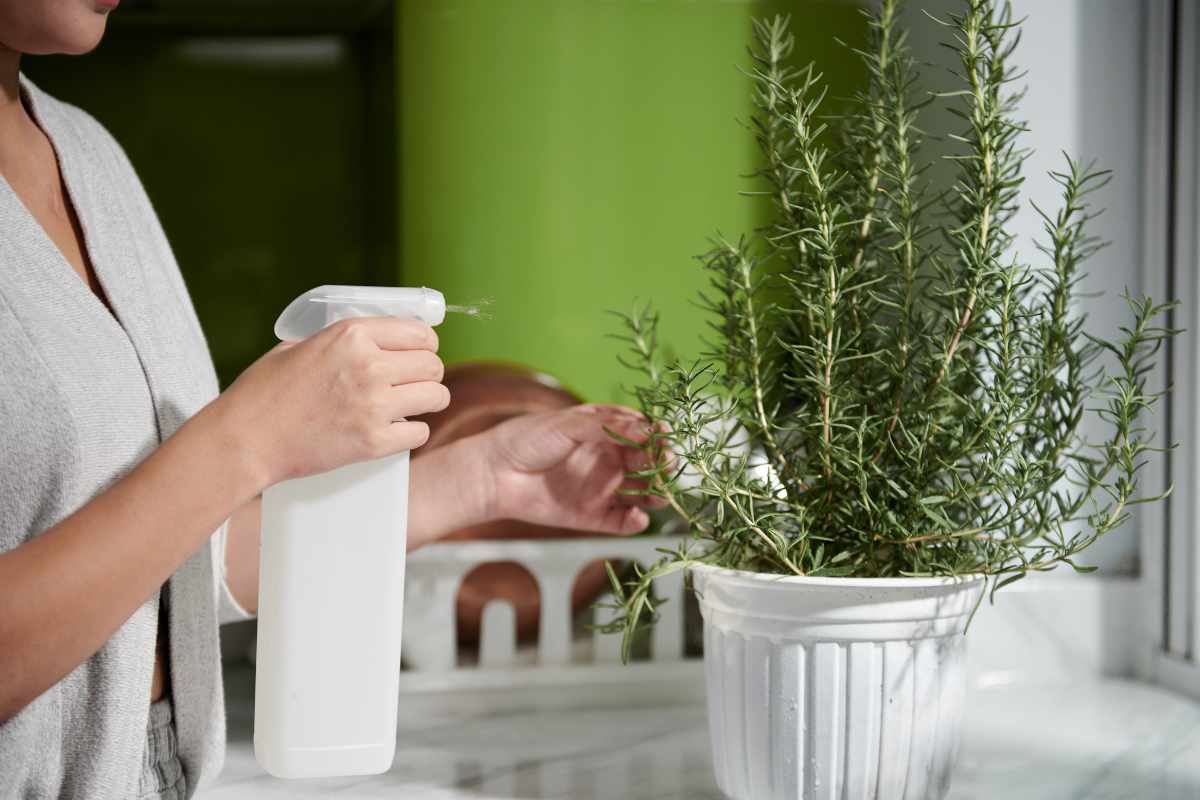
Rosemary is drought-resistant, but it still needs consistent moisture, especially in hot, dry climates.
Water only when the top inch of soil feels dry.
Overwatering can lead to root rot — one of the few things rosemary truly dislikes.
As for feeding, rosemary doesn’t need much fertilizer.
A light feeding once or twice per growing season with a balanced organic fertilizer or compost tea is enough to keep it healthy.
Pruning and Maintenance
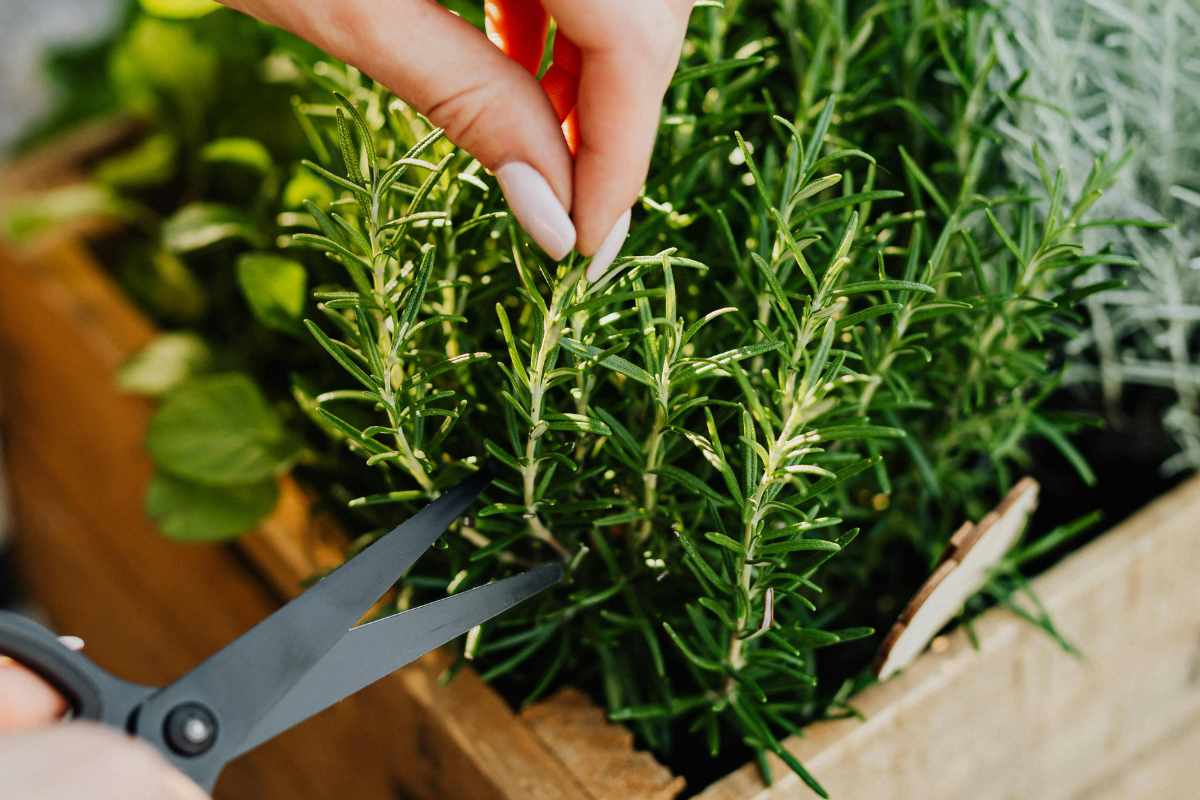
Regular pruning keeps your rosemary bushy and prevents it from becoming woody.
Trim lightly throughout the growing season to shape the plant.
After flowering, give it a more thorough cut to promote new growth.
Always avoid removing more than one-third of the plant at once.
You can also harvest sprigs year-round, but the flavor is strongest just before flowering.
Propagation Made Simple
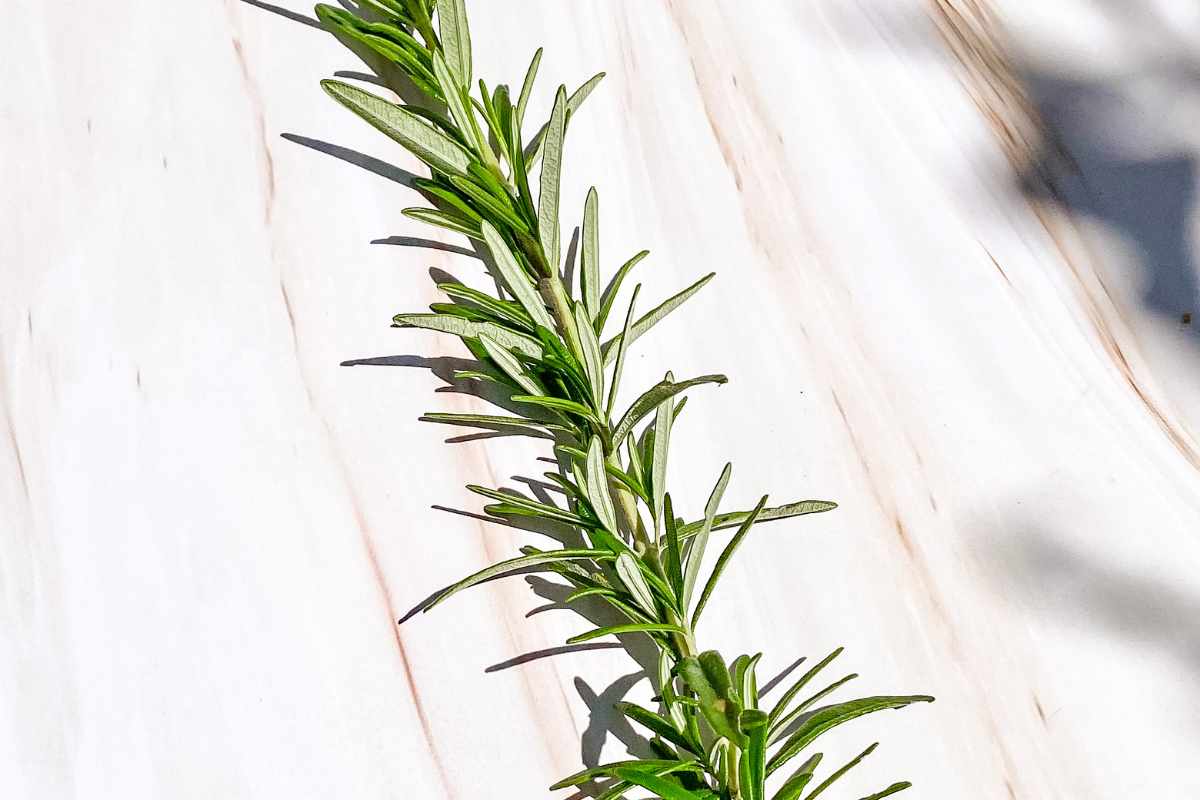
Rosemary can be grown from seed, but the easiest and quickest method is by cuttings.
Take 4-6-inch cuttings from healthy, non-flowering stems.
Remove the lower leaves and dip the cut end in rooting hormone (optional).
Place in a pot with moist, well-drained soil mix.
Keep warm and slightly humid until roots form — usually in 2–3 weeks.
Once established, transplant your new rosemary plants outdoors or into larger pots.
Common Problems and How to Avoid Them
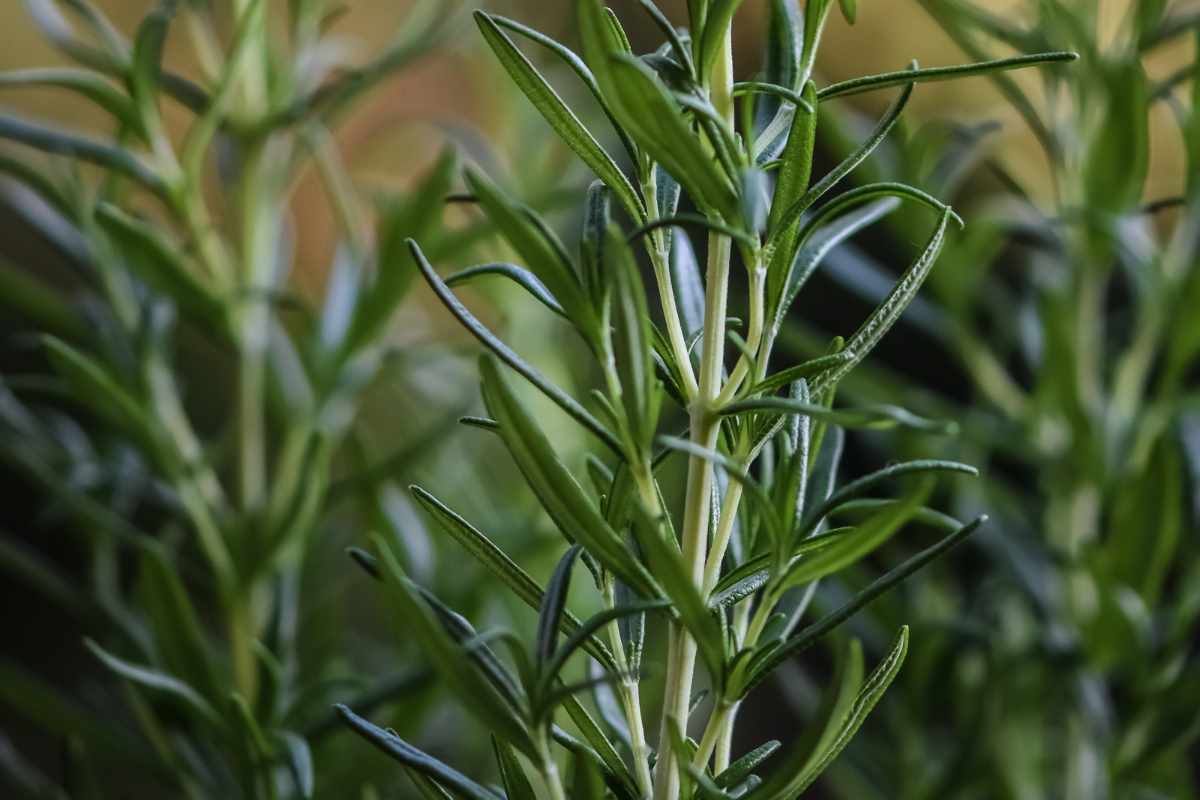
Even though rosemary is resilient, a few issues may appear:
Root rot → caused by overwatering or poor drainage. Always let the soil dry between waterings.
Powdery mildew → happens with poor air circulation. Prune for airflow and avoid overhead watering.
Aphids or spider mites → can be controlled with neem oil or insecticidal soap.
Keeping the plant in full sun and avoiding excess moisture usually prevents most problems.
Harvesting and Using Your Rosemary
Once your plant is about 8 inches tall, start harvesting by snipping a few stems.
You can use the leaves fresh or dry them for later.
To dry rosemary, hang small bunches upside down in a warm, airy place until crisp. Store the dried leaves in airtight containers away from light.
Rosemary adds depth to roasted vegetables, meats, breads, and herbal teas. It’s also perfect for homemade infusions, essential oils, and natural décor.
Enjoy This Video Tutorial

Source: Epic Gardening
Don’t forget to Subscribe to our Newsletter to receive amazing tips and tricks about Gardening and the FREE Ebook Green Living Strategies!
Did you find this post Useful or Inspiring? Save THIS PIN to your GARDENING Board on Pinterest! 😊

Once again, thank you for visiting our website!
We hope you've enjoyed exploring the content we've created for you.
Give yourself the chance to learn, get inspired, and have even more fun, keep browsing...
More Gardening Tips 👇🏼👇🏼