
How to Care for Bonsai in Winter (Indoor and Outdoor Trees)

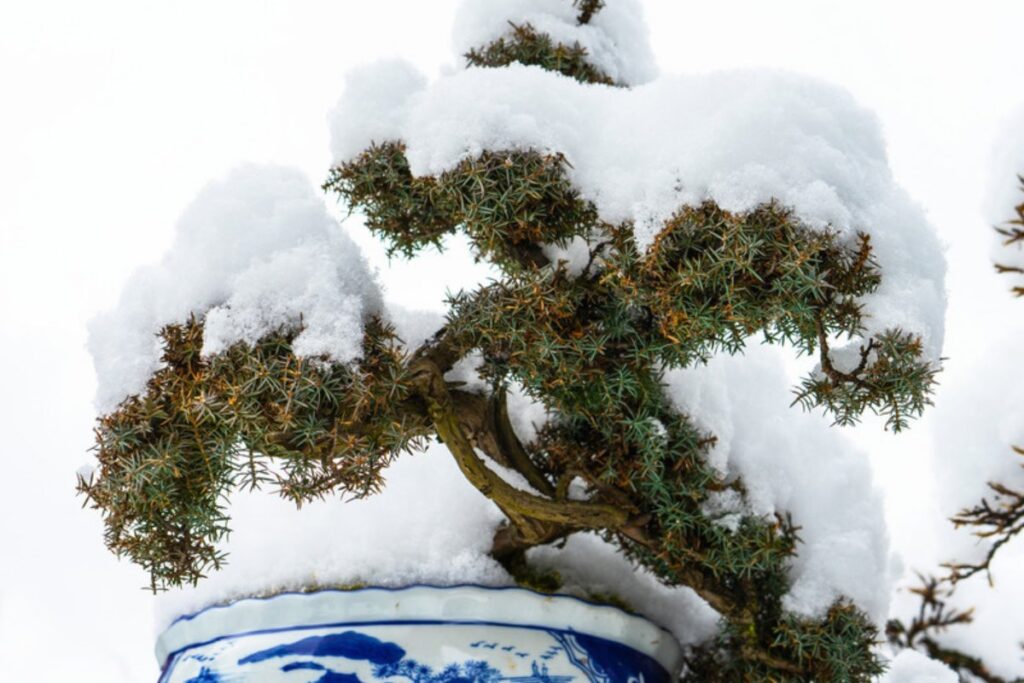
Bonsai winter care depends on what kind of tree you have. Hardy outdoor species such as junipers, maples and elms need a cold, dormant rest outside, with their roots protected from hard freezes and drying wind. Tropical species such as ficus come indoors before temperatures fall below about 40–45°F (4–7°C) and need bright light, extra humidity and less water until spring.
The small pot is what makes winter tricky. A tree in the ground has a huge mass of soil around its roots, while a bonsai has only a few inches. Here is how to get both types through the cold months in good shape.
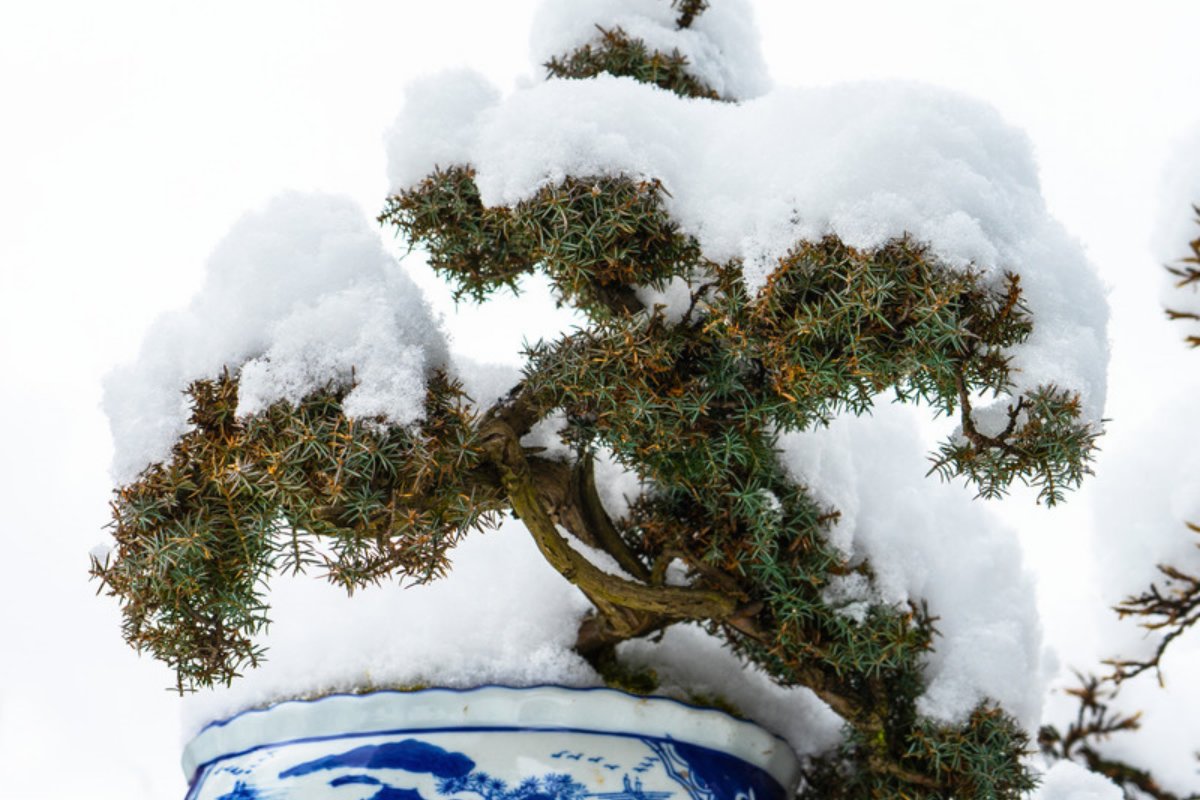
1. First, Know Whether Your Bonsai Is Hardy or Tropical
Every winter decision follows from this one. Hardy trees (junipers, pines, maples, elms and most other temperate species) are naturally adapted to cold winters and need a period of dormancy every year. Tropical and subtropical trees, with ficus as the most common example, have no dormancy and are damaged by cold.
If you bought your tree as a "house bonsai" and don't know the species, check the label or ask the nursery before the first frost. A juniper kept on a windowsill all winter and a ficus left on the patio will both decline, just for opposite reasons. Our guide to indoor vs outdoor bonsai trees covers the main differences.
2. Let Hardy Bonsai Go Dormant Outdoors
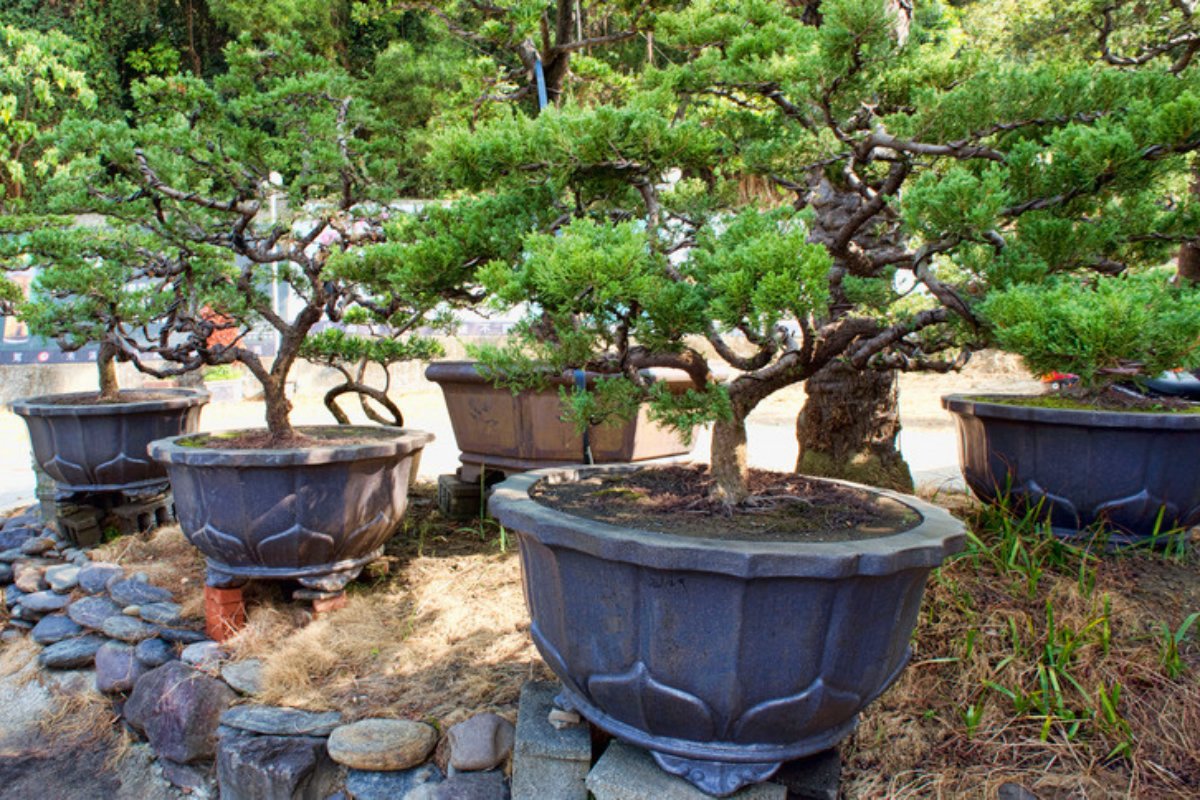
Hardy bonsai need the cold. Dormancy is part of their yearly cycle, and Extension horticulturists point out that keeping these plants indoors for too long can harm them. A warm living room keeps them from resting, and they come out of winter weak.
The goal is steady cold without extreme swings. The Chicago Botanic Garden stores its cold-hardy bonsai collection in a climate-controlled structure kept at about 34°F (1°C), which lets the trees stay dormant without the roots freezing hard. You don't need anything that sophisticated at home, but it shows the target: cold, stable and never warm enough to wake the tree up early.
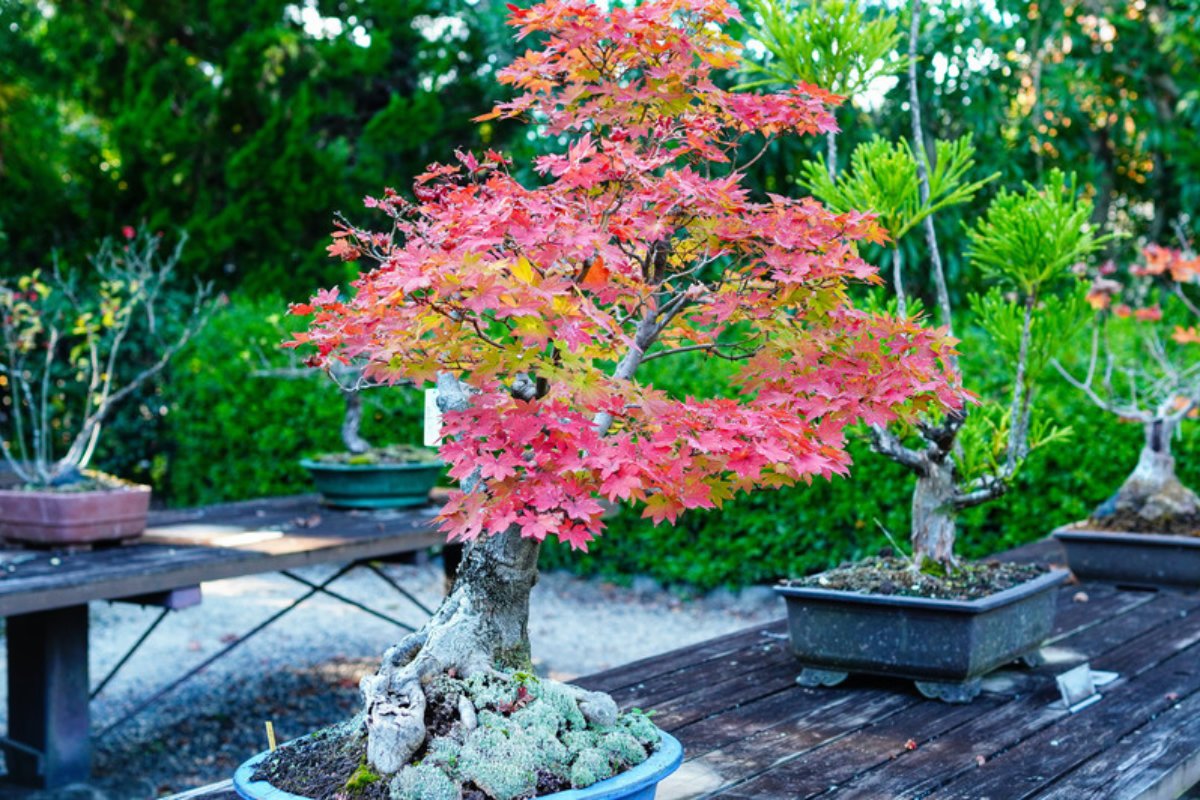
Before you put deciduous trees such as maples away, the Chicago Botanic Garden recommends removing any old leaves still hanging on, cleaning the base of the trunk and pulling off moss there. This protects the buds and cuts down on fungal problems during storage.
3. Protect the Roots, Not Just the Branches
Roots are less cold-hardy than branches and buds, and in a shallow bonsai pot they have almost no insulation. That makes root protection the main job of winter care. Choose the option that fits your space:
- Heel the pot into the ground. The Missouri Botanical Garden suggests burying the pots in a sheltered trench with a layer of gravel at the bottom so water doesn't collect, then covering the roots with a light mulch.
- Use a cold frame. It shields trees from very cold air and wet weather. Open it on mild, sunny days so the plants don't overheat.
- Move pots into an unheated garage or shed. Extension experts recommend a space that stays cold but not far below freezing. Packing wood chips, bark mulch or soil around the pots adds insulation.
- Wrap and group the pots. The RHS advises grouping containers in a dry, sheltered spot and wrapping pots in bubble wrap or straw, or plunging them so only the rim shows. Put the protection on at the first frost.
Wind is the other threat. Cold, dry wind pulls moisture out of evergreen foliage and deciduous buds, so a spot sheltered from the prevailing wind matters as much as the temperature. A layer of snow over the pots is actually helpful, since it works as insulation. For more on cold damage in general, see our post on frost damage in fall gardens.
4. Water Carefully All Winter
Dormant trees use far less water, but they still need some, and this is where many bonsai are lost. Once a tree is under cover, in a cold frame, garage or shed, rain and snow no longer reach it. Bonsai soil also holds less water than ordinary potting mix, so it can dry out without you noticing.
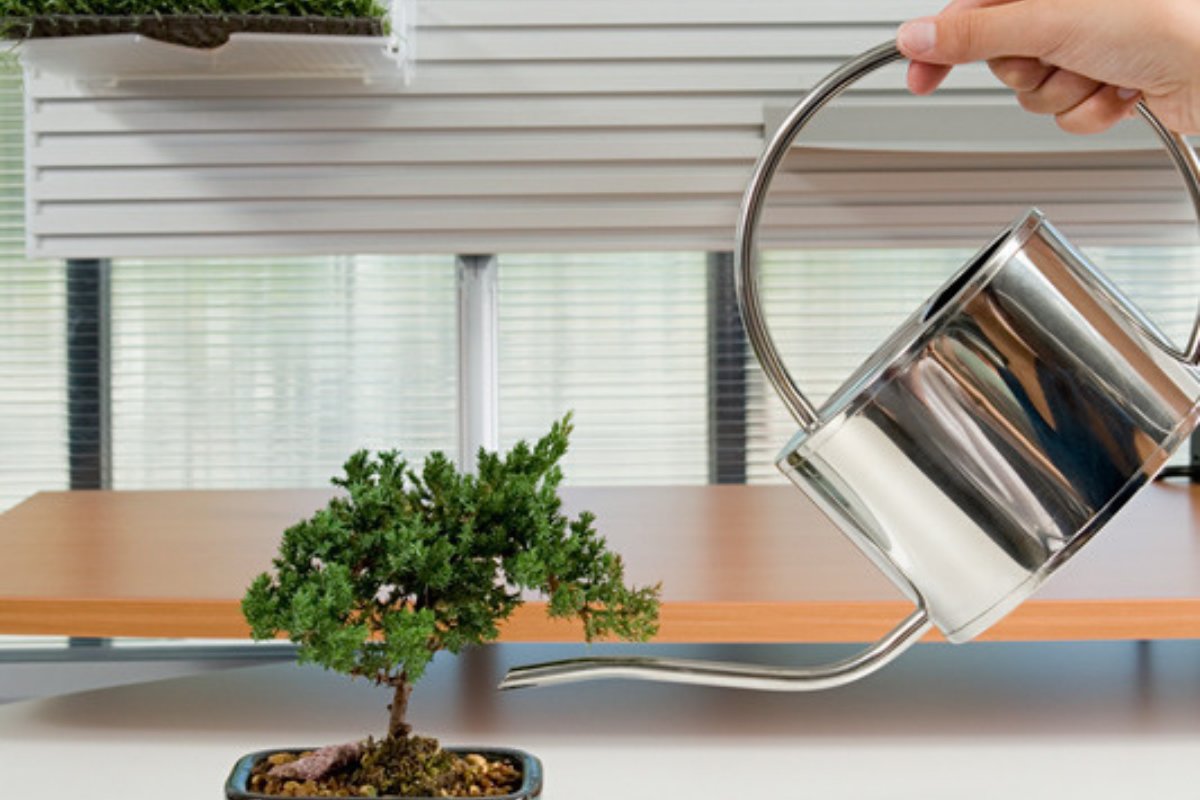
Check the soil regularly and water when it starts to dry. The exception is a frozen root ball: never water a tree while its roots are frozen, and wait for a thaw. Too much water is just as risky as too little, because cold, soggy soil leads to root rot. If you're unsure what that looks like, our guide on what an overwatered bonsai tree looks like shows the warning signs.
5. Bring Tropical Bonsai Indoors Before It Gets Cold
Tropical bonsai won't tolerate temperatures below about 40–45°F (4–7°C) for long without damage, according to the Chicago Botanic Garden. Bring them in before nights reach that range, not after the first cold snap.
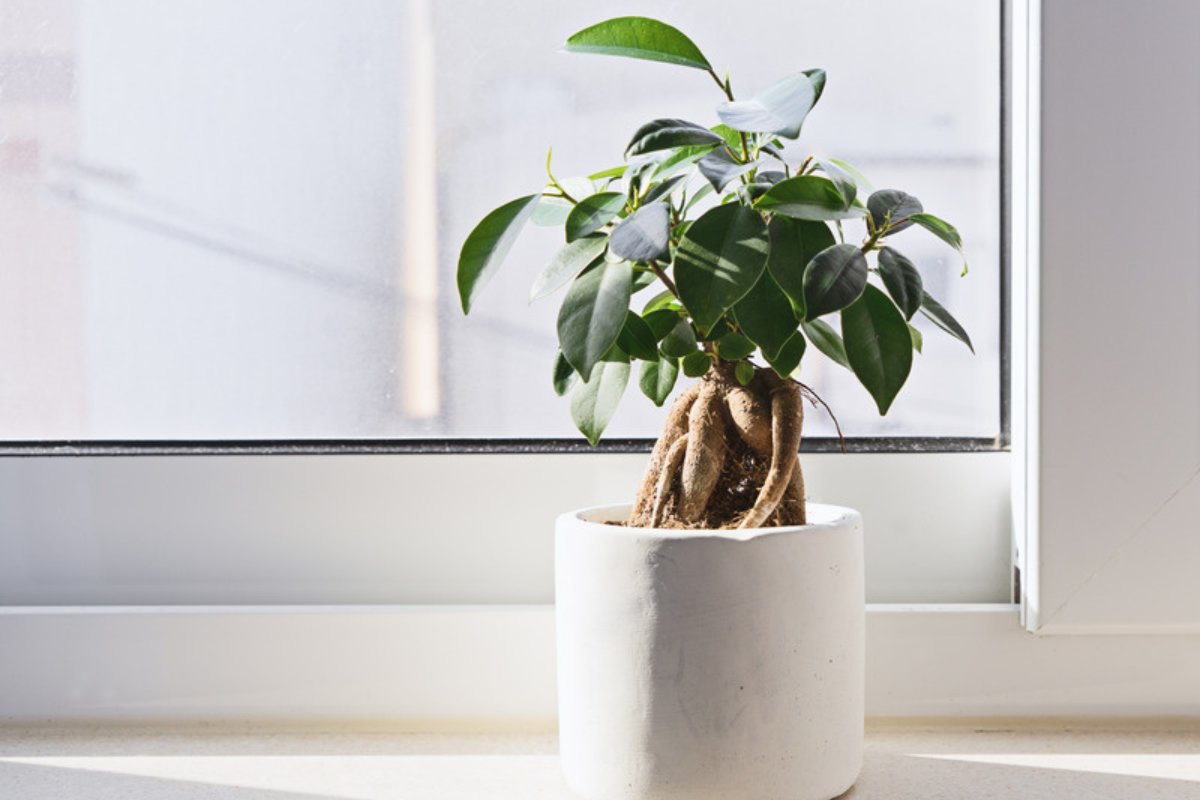
Indoors, light is the biggest challenge. Even a south-facing window usually isn't enough in winter, so supplemental light helps a lot. If you've never set one up, the steps in our post on using a grow light in winter work for bonsai too.
Keep the tree away from forced-air vents, radiators and other sources of hot, dry air. Raise humidity with a humidity tray under the pot, a humidifier or daily misting. Dry indoor air causes the same crispy leaf edges you see on other indoor plants, as explained in why houseplant leaves turn brown in winter. Tropical bonsai also drink less in winter, so let the watering schedule follow the soil, not the calendar.
6. Feed Less and Save Big Changes for Later
Winter is not the time to push growth. The Chicago Botanic Garden stops nitrogen feeding in late summer to early fall and switches to a fertilizer higher in phosphorus and potassium to support the roots, and it cuts back feeding of tropical trees in winter. The RHS gives the same warning for garden plants in general: nitrogen-rich feeds late in the season produce soft growth that is easily damaged by cold.
Keep pruning cuts small during this period. Pines are an exception for some work: the Chicago Botanic Garden notes that winter is a good time to pull old needles and to wire pines or make larger bends. A simple tag on each tree listing the jobs for spring helps you remember what needs doing once growth starts.
7. Wake Them Up Slowly in Spring
The last mistake to avoid is bringing hardy trees out too early. If a dormant tree warms up and leafs out before the weather settles, the tender new growth can be hit by a late frost. Keep it cold until spring arrives, then move it back to its summer spot.
Don't panic if a deciduous tree looks lifeless in late winter. Wait until spring to see whether it leafs out normally; that is the real test of how it came through. Tropical trees can go back outside once nights stay safely above the 40–45°F range.
Bonsai Winter Care at a Glance
| Hardy bonsai (juniper, maple, elm, pine) | Tropical bonsai (ficus and similar) | |
|---|---|---|
| Where | Outdoors, sheltered, or unheated garage, shed or cold frame | Indoors |
| Temperature | Cold and steady; roots protected from hard freezes | Not below about 40–45°F (4–7°C) for long |
| Light | Little needed by deciduous trees after leaf drop | As much as possible; add a grow light |
| Water | When soil starts to dry; never when frozen | Less than in summer; check the soil |
| Feeding | No nitrogen from late summer | Reduced |
Frequently Asked Questions
Can I keep an outdoor bonsai inside for the winter?
Not for the whole season. Hardy species need a cold dormant period every year, and keeping them in a heated home for too long weakens them. Protect them outside or in an unheated space instead.
How cold is too cold for a ficus bonsai?
Tropical bonsai such as ficus won't tolerate temperatures below about 40–45°F (4–7°C) for long without damage. Bring them indoors before nights get that cold.
Should I water a bonsai when the soil is frozen?
No. Wait until the root ball thaws, then water if the soil is dry. Between freezes, keep checking, because sheltered trees don't get rain or snow.
Do bonsai need fertilizer in winter?
Very little. Stop nitrogen feeding from late summer on for hardy trees and reduce feeding of tropical bonsai until growth picks up again in spring.
More gardening ideas
- Indoor vs Outdoor Bonsai Trees: Which One Is Right for You?
- Is Bonsai a Good Indoor Plant? + Growing Tips
- What Does an Overwatered Bonsai Tree Look Like?
- How to Repot Bonsai Trees for Maximum Growth and Beauty
More Gardening Tips 👇🏼👇🏼